Search results
93 results found.

On The Edge of the Edge – The U.S. – Mexico Border
93 results found.
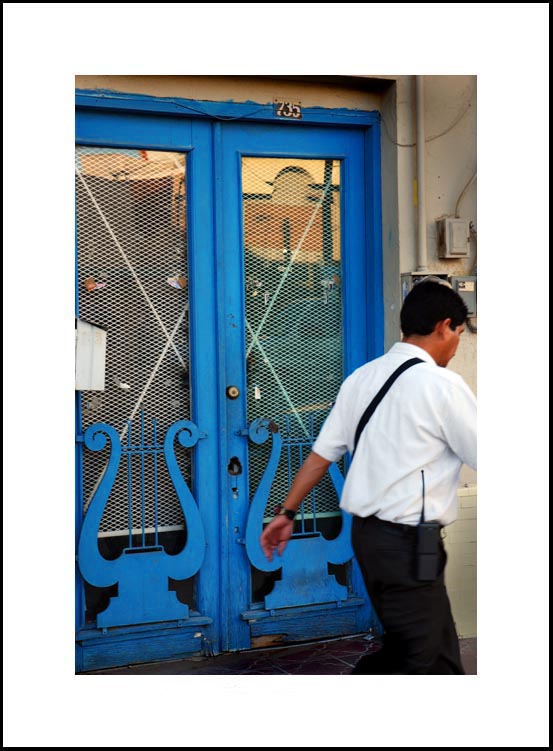
There hasn’t been so much gunfire in Juarez since 1910. Since Jan.1, there have been over 230 drug war-related murders.
There was a time in Juarez -bourgeoise and ugly Americano, for sure, but what the hell- that it was just the old fashioned sins: getting drunk, dancing, straggling around with whatever “date,” that’d allow you to put your hands on her ( or whatever) and, if you survived, you crawled home over the bridge to El Paso and woke up late the next day.
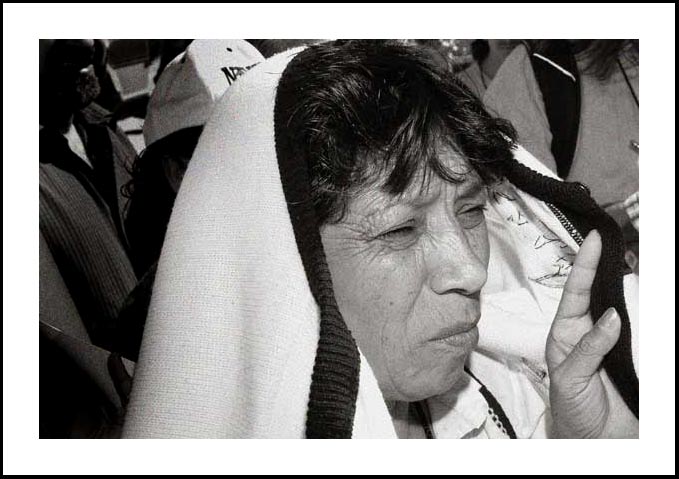
PHOTO OF THE WEEK: April 4-11, 2008
Juarez is in flames right now.
Drug war is raging. I’m calling it a drug war. It’s a lot of things war. Always is.
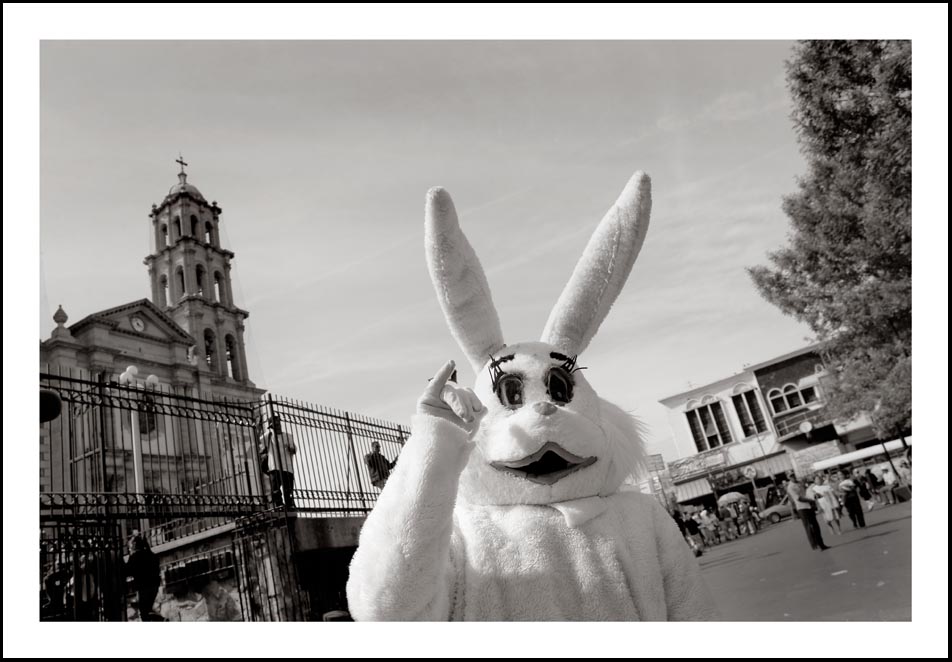
Banks lend money to Americans to buy homes they can’t afford. The homeowners live in a dream bubble, the American Dream bubble. The lenders sell their paper and ride off into their millionaire dream. Everyone’s dreaming.
In Juarez they’re dreaming too.

Leap into the river with two names
Leap Day in the Leap Year 2008. Let’s all take a leap. Come on…why not!
This boy and his friends use the river with two names as a playground, a swimming pool, a back yard.
Why not.
PHOTO OF THE WEEK: Jan. 25-Feb. 1, 2008

You can leave the border but the border does not leave you. My head snapped when I saw Roberta Flores, up in New Mexico.
“Terrific hair,” I yelled at her. “Gelled,” I asked?
“No,” she said with a sly and proud smile, “Glued,” she shouted back, with a grin that sort of said, “gotcha!”
“Did you get that done around here? ” I asked.
“They don’t know how to do that around here,” she spat, friendly but gently ridiculing.
PHOTO OF THE WEEK: Jan 4-11, 2008
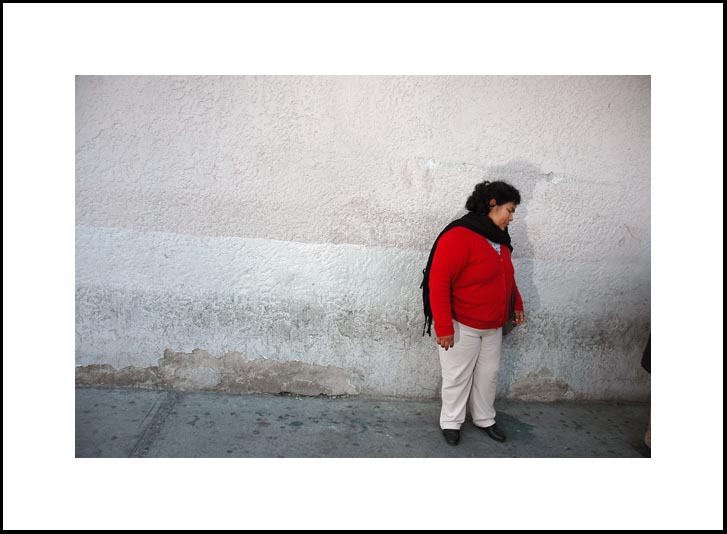
Editor’s Note: To understand this week’s photo it might be useful to read the background of the story of the struggle of the people of Lomas del Poleo. Link number one is two years old, but is, I think, a fair history of this situation. The situation has gotten worse. Link number two is a video discussing the bi-national plight of people who are in the path of “development,” and are facing forced displacement. Another option is to google Lomas del Poleo.
Beware: Knowledge is trouble.
http://www.annunciationhouse.org/news_winter2005_dispute_en.html
http://www.youtube.com/watch?v=tEqkytwHQ5s
____________________________________________________________________________
This was a sad day, one that has been coming for a long time. The confrontation at Granjas Lomas del Poleo, in Juarez is coming to the tipping point.
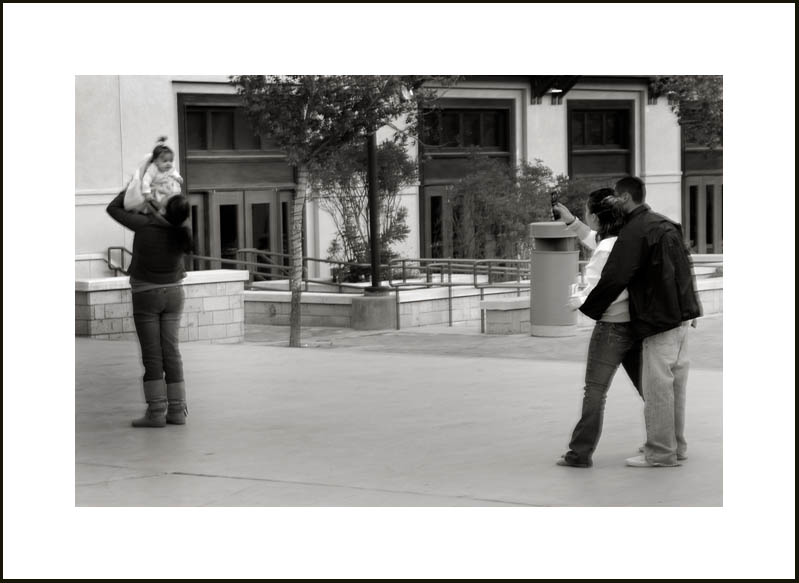
El Paso’s El Centro, the downtown, is packed with people at Christmastime. Unlike most cities of the southwest and of the rest of the United States, El Paso’s downtown is alive and bustling at all times of year, but especially during this season.
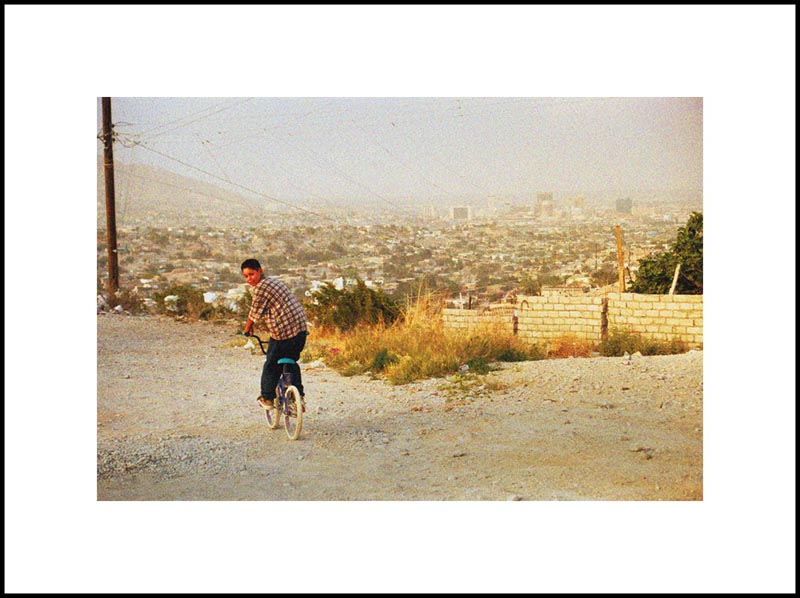
Someone observed, generally, that in so-called third world countries, poor people have to live on top of hills and mountains (where it is more difficult to get water and where roads are rough and barely existent), but in first world countries the rich like to live on top of hills and mountains, for the “views.”
And the status.
October 20, 2007
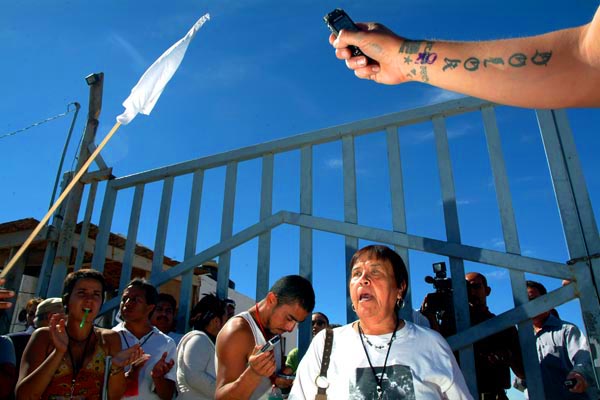
A group of 150 people from different grass roots and human rights organizations from Juarez, El Paso, Guanajuato and Mexico City, arrived in a school bus and private cars at noon, October 20, to discuss globalization, displacement, human rights violations and femecide.
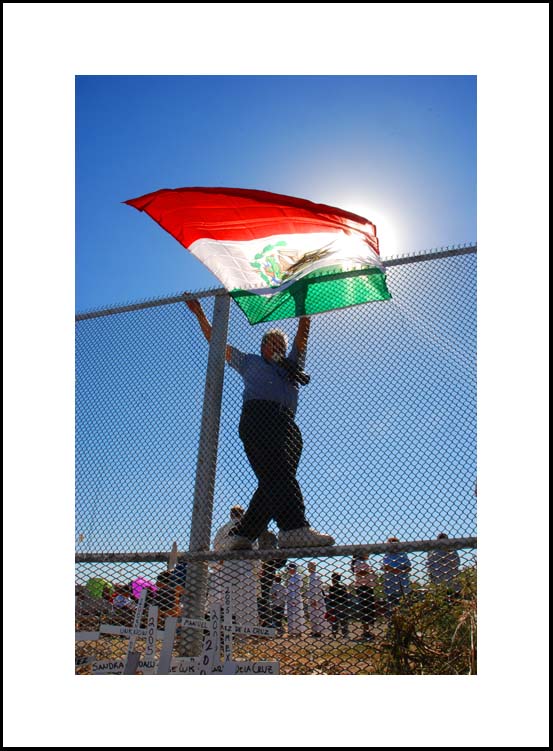
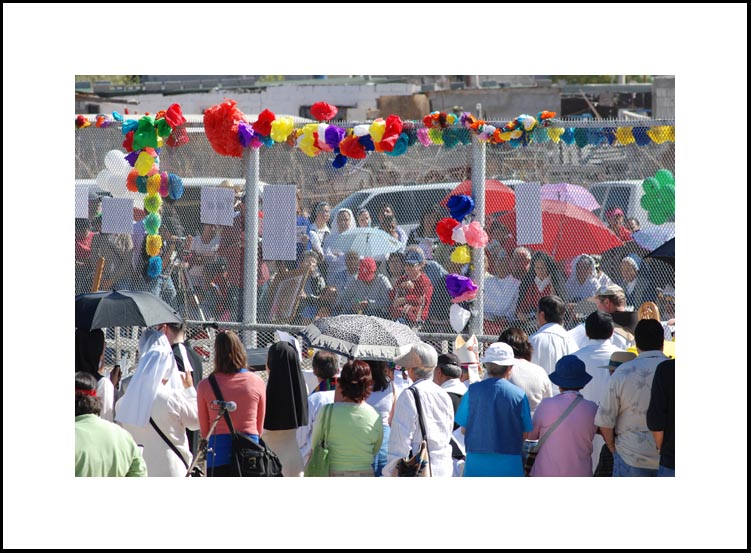
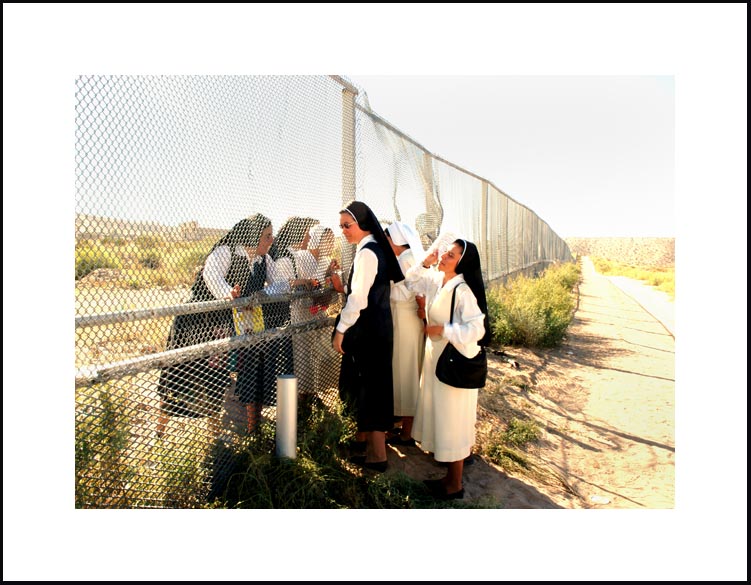
Today the Bishops of El Paso, Las Cruces, NM and Juarez, Chihuahua, Mexico met at the border fence at Sunland Park, NM and Anapra, Chihuahua to protest current immigration policies and to promote understanding for immigrants from Mexico, as well as world wide.
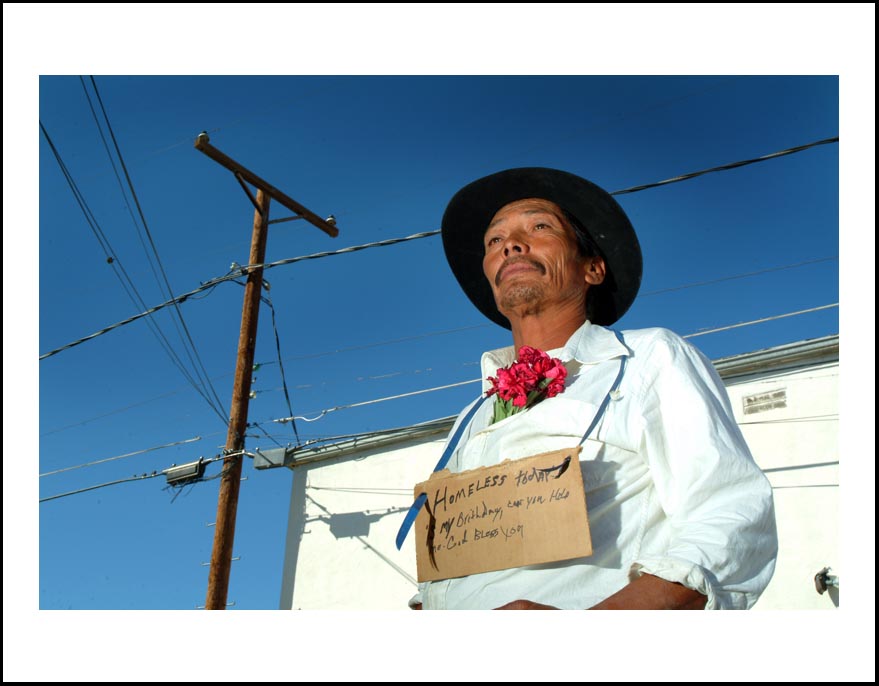
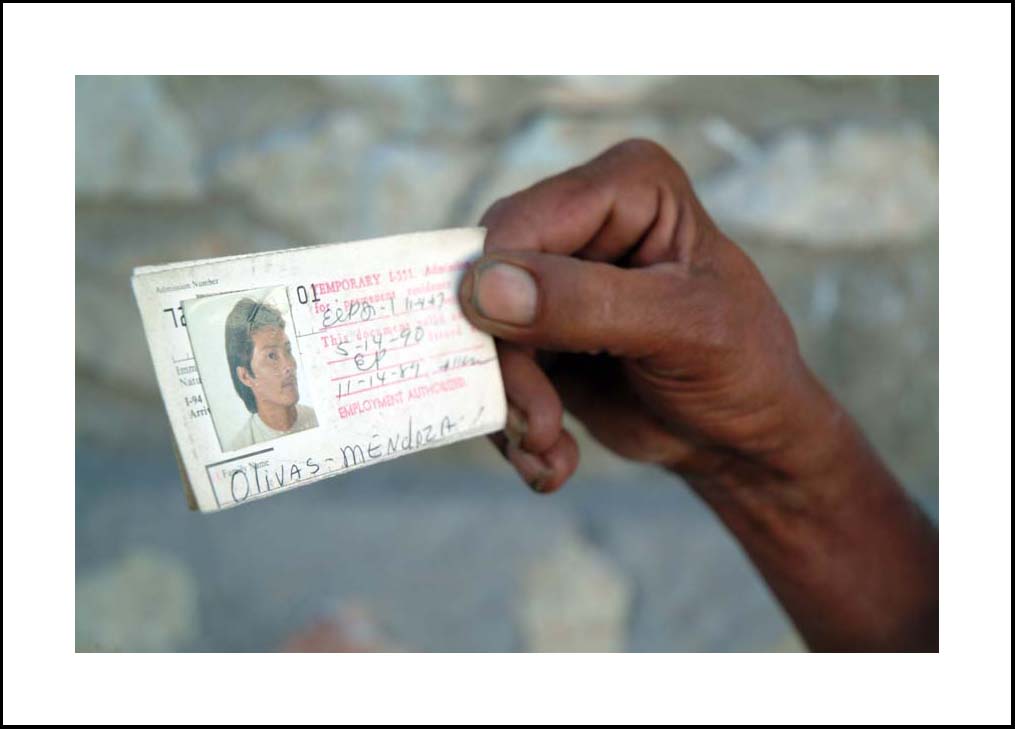
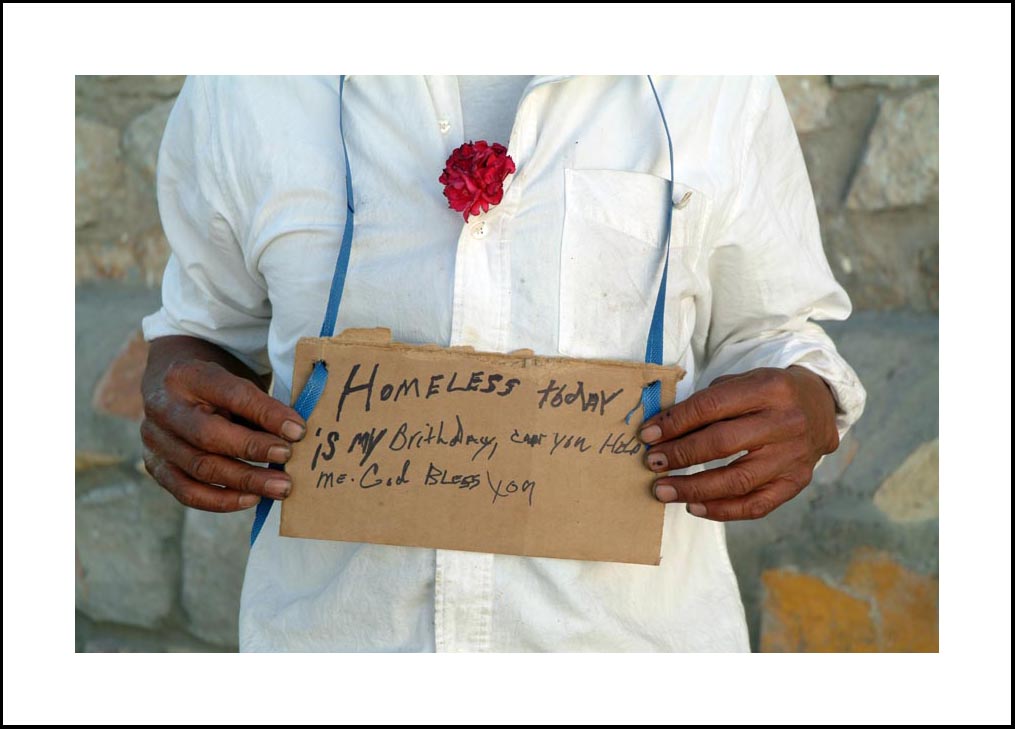
Regino Olivas-Mendoza, 47, hangs around a car wash in central El Paso. He wears a sign that says, “Homeless today, Is my birthday, can you help me?”
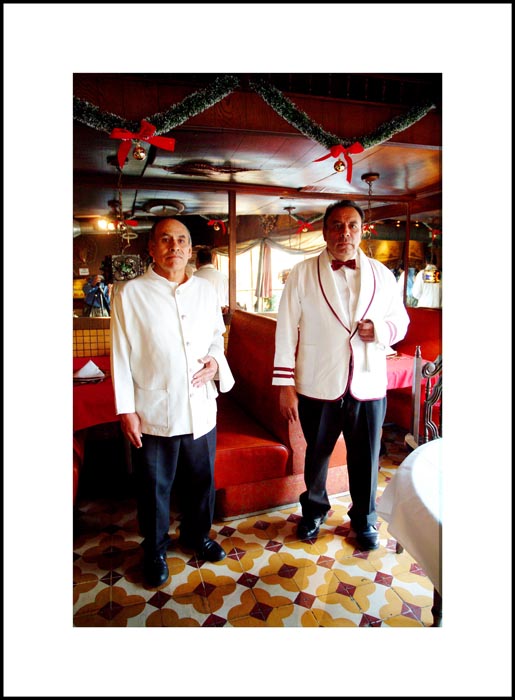
 Ramon Covarrubias Quintana(l) and Francisco Barraza(r) are waiters at the old Martino’s Restaurant on Juarez Avenue in Juarez, Chihuahua, Mexico. The restaurant is located two blocks from the Paso del Norte Bridge that connects downtown Juarez with downtown El Paso.
Martino’s – and these waiters- harken back to the “Golden Era,” of Juarez,
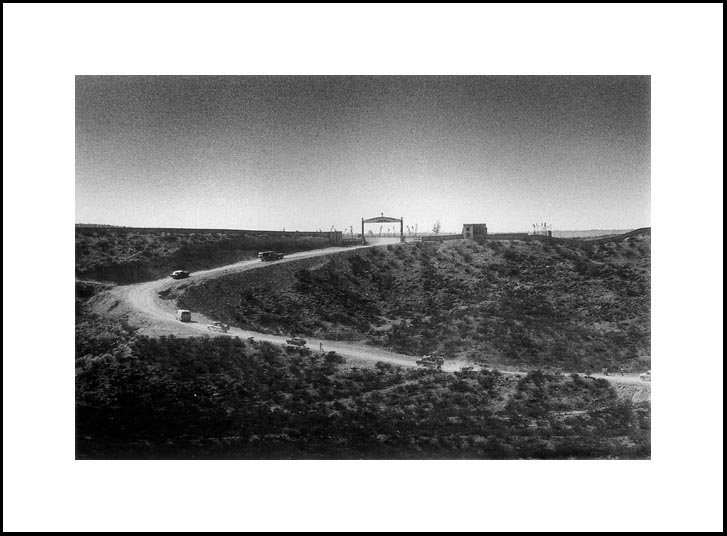
28-October 5, 2007
The cemetery came before the barrio. An ultimate act of realism.
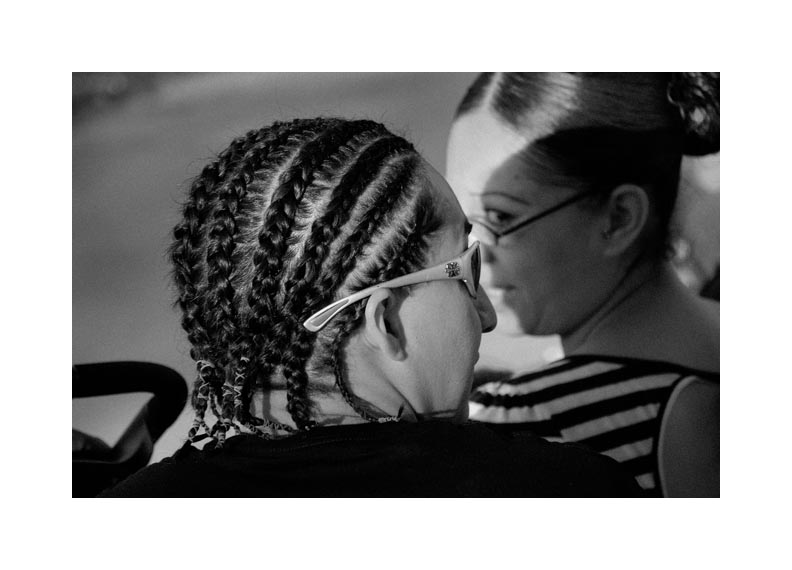
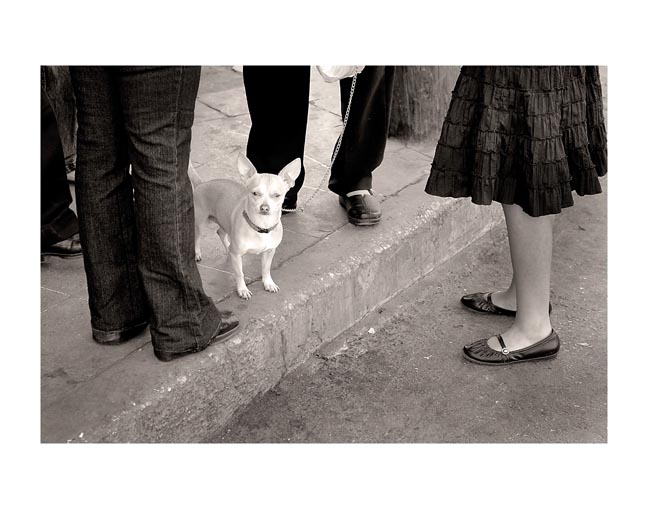
This was a 16 de Septiembre event in Armijo Park in El Paso. Armijo is in the heart of the historic Segundo Barrio. Armijo is a people’s park. This neighborhood is in, actually, the only”urban,” neighborhood in El Paso (hard to define but you know it when you see it: Life exists on the streets)
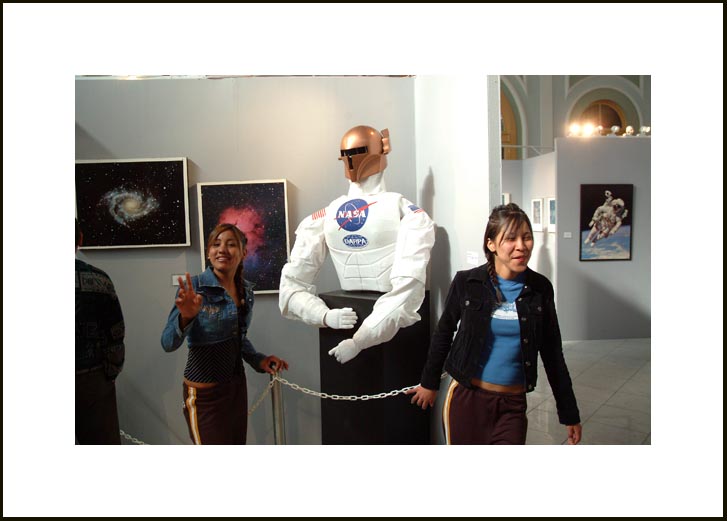
Two Juarez girls hamming it up at the NASA traveling exhibition that was shown at the Centro Municipal de las Artes in downtown Juarez, Chihuahua, Mexico in May through June.
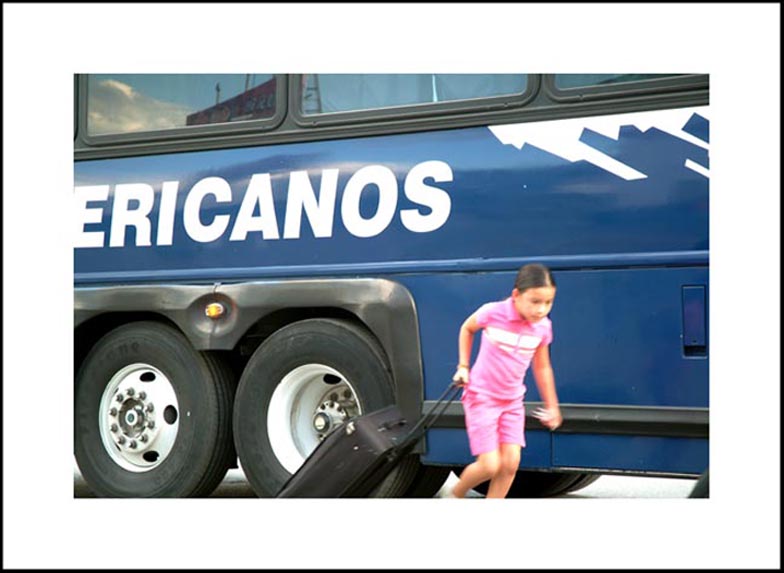
Sixth and El Paso Street is the first street in “America,” after crossing over the Paso del Norte Bridge from Juarez, Chihuahua, Mexico into El Paso, Texas. This is the crossroads.
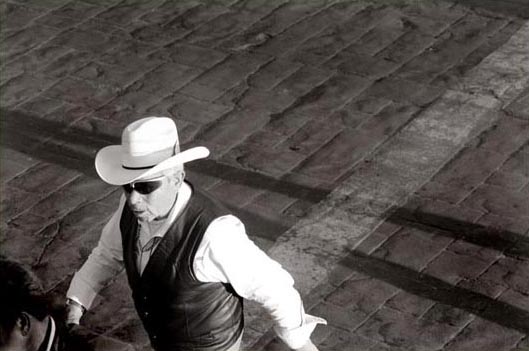
Cool Norteno, Plaza de Juarez – Juarez, Mexico / June 2007
The Plaza de Juarez in Juarez, Mexico is an ancient crossroads. The plaza stands in front of the Mision de Guadalupe, a church established in 1659 along the El Camino Real. The plaza today is still a crossroads and a transportation hub and, on Sundays, is vibrant, eclectic and fully the heart of the old Centro Juarez. Much of the area north of the Centro, the Plaza, and the Mision, the area between the old Juarez commercial district stretching north all the way to the U.S. border and El Paso, is currently, being demolished. The demolition is clearing the way for a commercial development that is projected to link up with El Paso’s south side and Downtown, also scheduled for demolition, just across the river to the north.
The transportation hub that has made the Plaza de Juarez the intense and interesting center of Juarez that it is, is scheduled to be relocated away from its current location.
The “Cool Norteno,” garbed in standard norteno clothes, and others, may or may not survive the “development.”
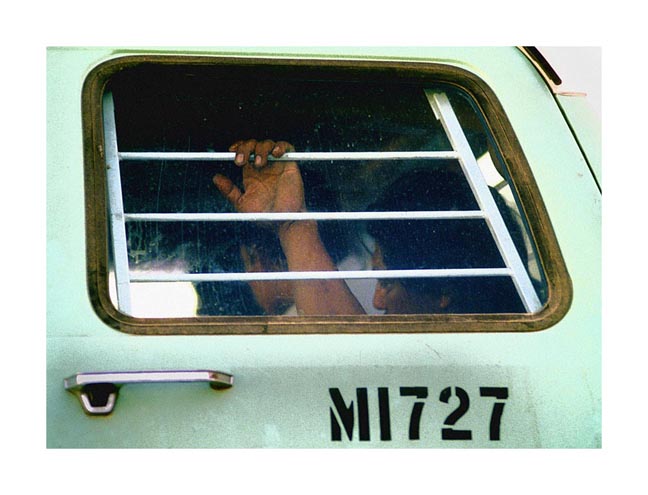
Most “illegal immigrants,†incarcerated in El Paso are laborers who’s immigration activity is, merely, a two way commute, finding them returning to Juarez, Mexico, at the end of a work day. Being incarcerated by the Border Patrol inconveniences the worker but does not deter the activity. Wages in Juarez average around $5 to 6 day. In El Paso a Day Laborer makes an average of $ 25 to 40 a day. The difference in wages makes the bureaucratic discussion of deterrence moot.
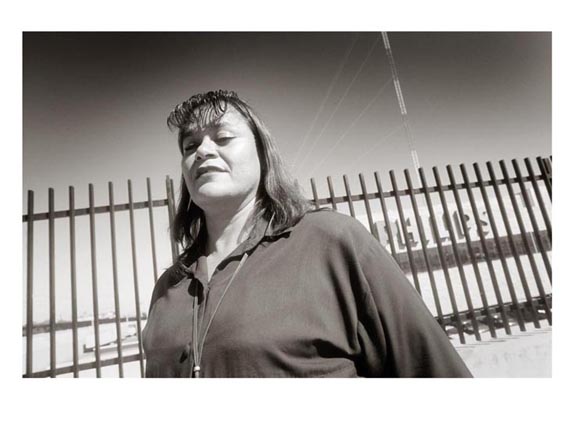
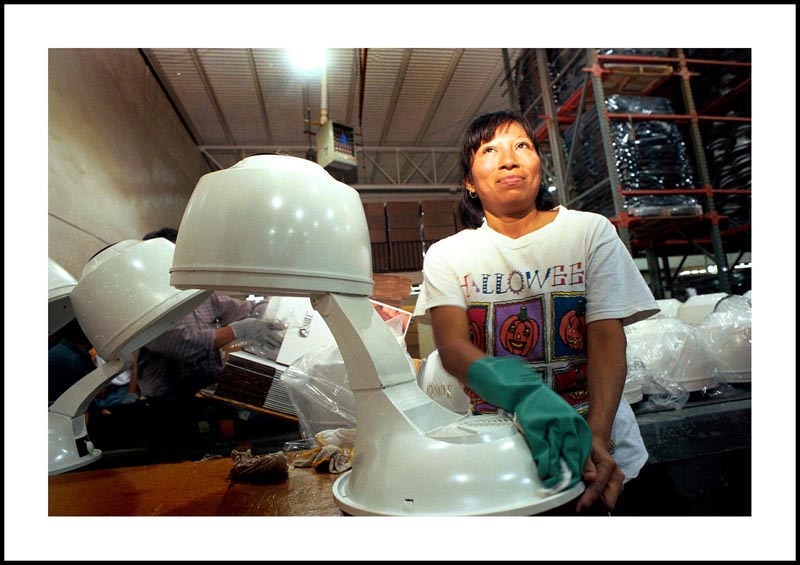
Carmen Sotelo Rodriquez is the face of the Post Global economy. She worked at a Phillips plant in Juarez,Chihuahua, Mexico. The plant had moved from three shifts to one shift and by 2002 the company had migrated most of its assembly operations to China. She is shown standing in front of the plant on the city’s south east side. This photo was shot on assignment for Bloomberg magazine.
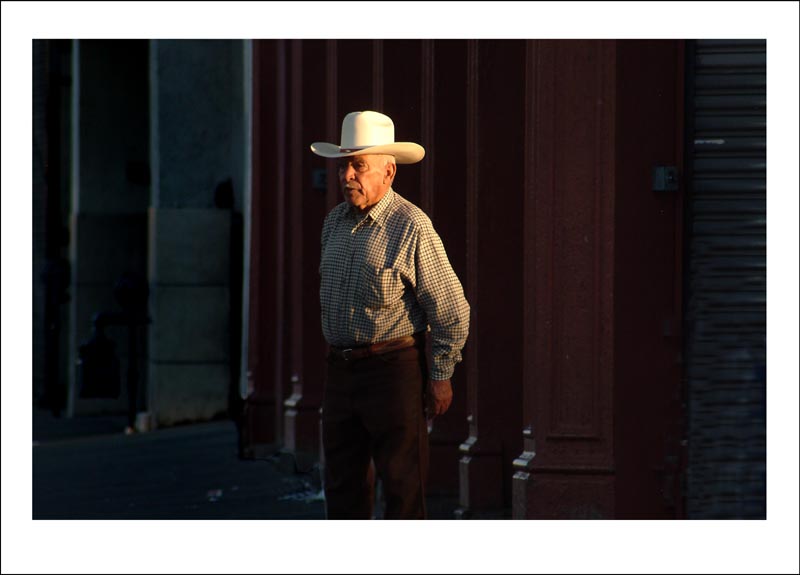
A man stands in the last light of the day at the corner of 6th and El Paso Street in El Paso, Texas. This is the first street of the United States after entering the U.S. from Mexico from the Paso Del Norte International Bridge. The bridge links Ciudad Juarez with El Paso and 6th and El Paso streets could be considered the crossroads of the northern part of the Western Hemisphere from south to north.
A lot of old folks (viejos) grew up in this barrio and are still there. They are the dignity of the barrio.
Imagine how people felt when a picture of an old viejo was used, by City planners, to show what was wrong with El Paso?
Los Viejos are what’s right with El Segundo.
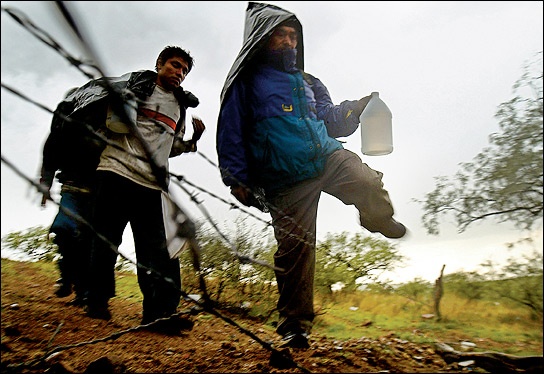
Drug cartels want migrants’ routes
Fight to control corridors on Arizona border turns violent
ALTAR, Mexico ˆ This village on the edge of the Sonoran Desert has been a supermarket for smugglers and the smuggled for nearly a decade. Migrants choose from an array of packages offered by coyotes and pick up day packs and anti-dehydration potions for the trek north.
Now drug smugglers want their route.
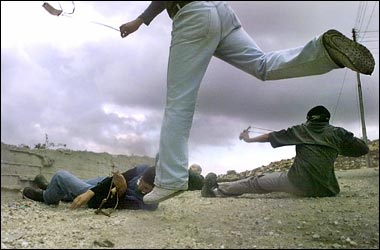
TIJUANA, Mexico ) — The police department has issued about 60
slingshots to officers in the violent border city of Tijuana,
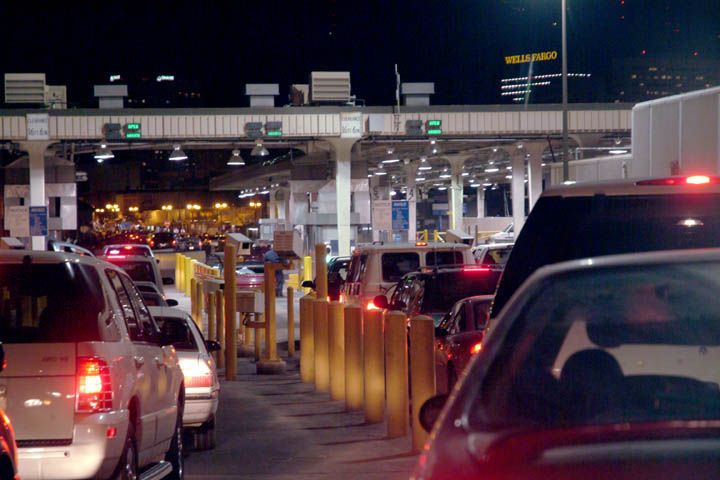
Entering USA from Juarez.Yet again.The bridge.Flirting from enclosed car to enclosed car.
Fumes.
Juice.
Anticipation.
MexOnline.com – Mexican Revolution of 1910

The Border(PBS) | About the Show
Produced by Matthew Sneddon, KNME-TV, Albuquerque, New Mexico 
The economies of Juarez, Mexico and its sister city, El Paso, Texas are driven by a system of assembly plants known as maquiladoras. There are more than 600 maquiladoras in Juarez, two-thirds of them owned by U.S. companies. Since the first maquiladora was built in Juarez in 1976, the population of the city has increased nearly five-fold to more than 1.25 million, making it the largest Mexican city on the border. The Rio Grande fuels Juarez and El Paso’s water supply.
However, the more than 10 million people who live in these desert communities have begun to exhaust the Rio Grande’s capacity to support them.
This segment focuses on one Rancho Anapra family faced with the realities of living in a desert community with no running water. It examines the factors that contributed to growth of this particular border region: the Rio Grande, the maquiladoras and the promise of a better life.
 Roberto Martinez is the former director of the U.S./Mexico Border Program. A lifelong Chicano activist, he has spent 30 years monitoring human rights in the San Diego/Tijuana area. In 1992, he was honored as an Intermational Human Rights Monitor by Human Rights Watch, the first U.S. citizen to be honored in such a way.The following essay, published here as a call for a humane U.S. immigration policy, was written as the introduction for the American Friends Service Committee 2003 human rights report.

Shouldn’t this river unite?

Blogmeister’s Note: This is a piece written by a friend of The Border Blog. He is a Mexican National, a university student who attends the university in El Paso and a good guy. Especially, if one is looking for an insight, note the second to last paragraph and multiple it by the millions.
The BB welcomes all viewpoints, especially this one . Thank you, Javier :
Why I Voted For Felipe Calderon
I was listening to my aunt Lupe while we were driving down Periferico
Sur highway about a month ago in Mexico City. She told me about Andres Manuel Lopez Obrador (editor:AMLO), the presidential candidate (at the time), and how he managed to obtain the votes of lots of people in Mexico City by offering social assistance to senior (over 65) people and single moms while he was the city’s mayor.