Search results
12 results found.

On The Edge of the Edge – The U.S. – Mexico Border
12 results found.
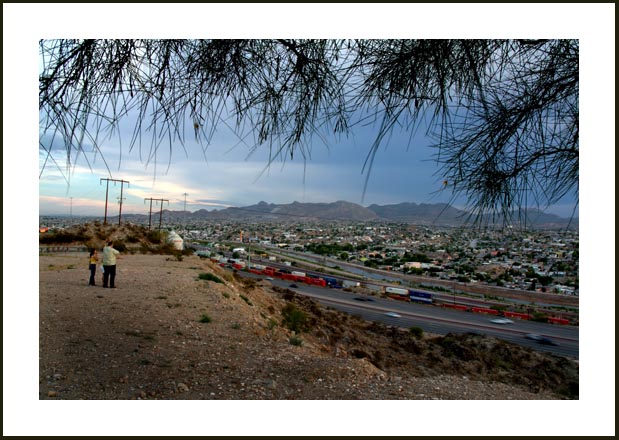
El Paso: foreground.
Juarez: Background.
Words written in blood on old documents and rattling around in people’s heads who don’t live there.
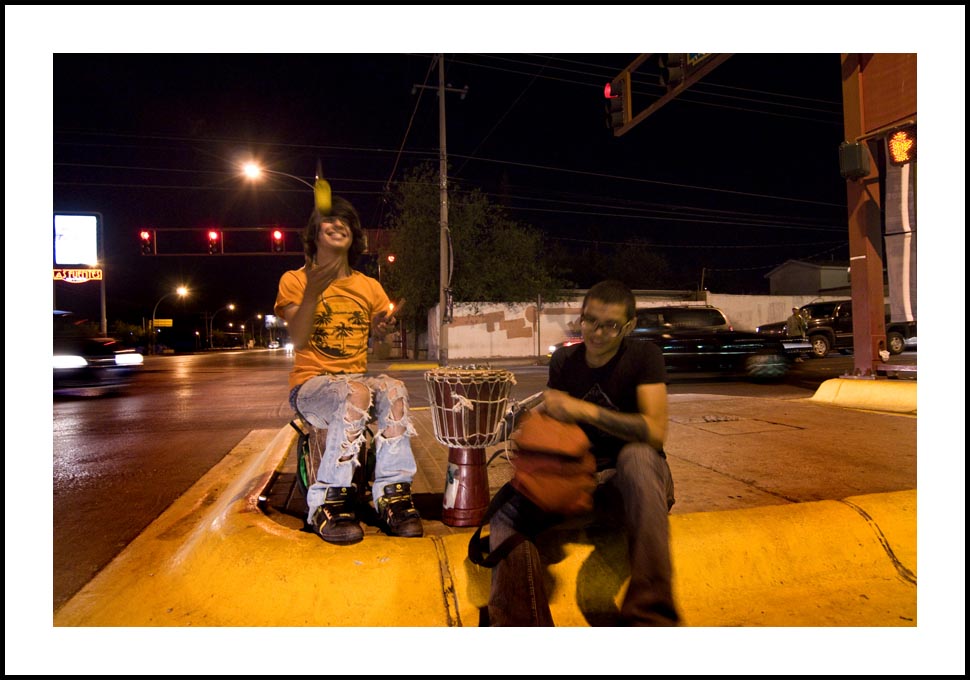
Pictures?
More pictures of dead bodies in the streets of Juárez?
Hard to want to do. I’m not visiting. I live here. It’s better when you have to get the images for your boss/editor and then high-tail it to the airport.
But, I’m not working for a daily paper anymore.
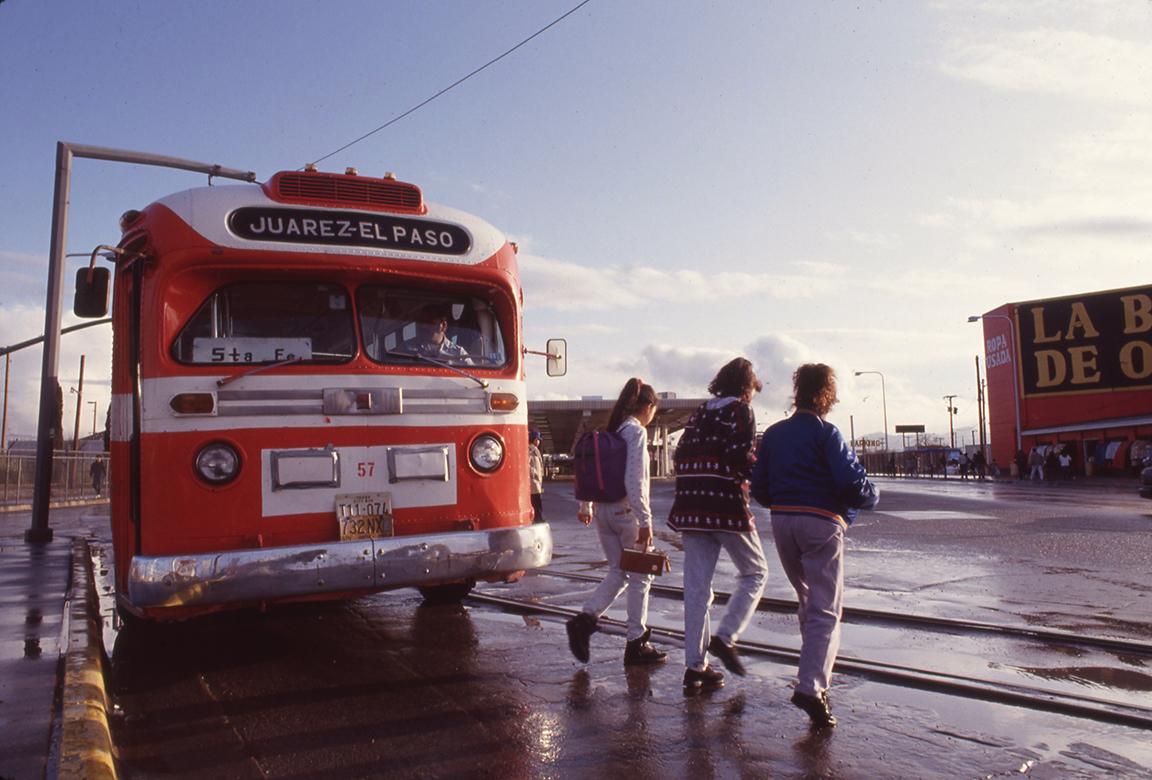
The Red Bus, Paso del Norte International Bridge, El Paso/Juárez, 1989
Photograph and Text by Bruce Berman
The Old Red Bus ran back and forth over the Juárez International bridge for decades. The bus itself was from the late 1950s, a GM. First photo I ever took when I got to El Paso and started wandering around was of the Red Bus, on El Paso Street. I noticed the women, from 18 to late 40s, lined up. I came to know that they were “maids,” low wage women from Juárez that came over every day and served the Anglos of a neighborhood north of downtown. It was called Kern Place. At the end of the day -those that worked by the day and not the week- would walk south down the hill to “EL Centro,” get on the bus and go home, to Juárez
Generations of Anglo kids were raised by these “maids.” Tons of dishes were washed. Beds were made. Laundry was done. They watched the American culture and went home. Key word: Home. Theirs. Another world.
I shot that old photo in October 1975.
THIS SITE HAS BEEN DOWN FOR TWO MONTHS. WE’RE BACK. THE SITE WAS SUSPENDED AND IT TOOK THIS LONG TO RESTORE IT TO TOTAL BUG-FREE HEALTH. TO BE HONEST THERE HAS BEEN VERY LITTLE “ME.” THE BORDER BLOG WEBMASTER, MANNY RIVERA, FOUGHT THE MALWARE FORCES OF EVIL… AND AS HE ALWAYS DOES, BROUGHT US BACK TO LIFE.
SO GLAD WE’RE HERE. SO GLAD YOU’RE HERE.
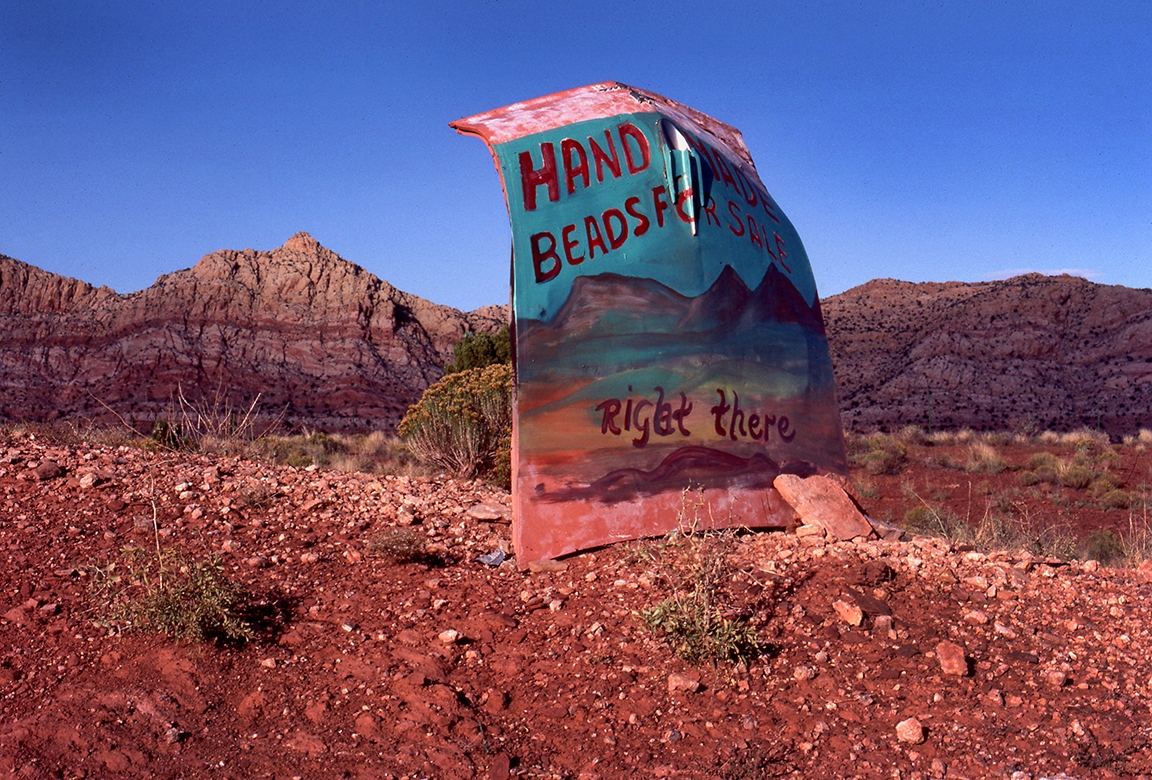
1951 Ford hood, Navajo Reservation, Utah, 1974
So here we are, searching for borders again. It’s been a long time since I began this photo journey in 1968. First there was the “border” of Appalachians in Chicago.
Then there was the Five Nations of Oklahoma and the last refuge of the Buffalo in southwest Oklahoma.
Eventually I found my way to El Paso/Juárez. That one’s took thirty-five years plus.
And now?
Not sure. Usually I have wandered into my “forward.” Been stuck lately, taking care of business, being a professor, thinking, living in the old paradigm.
I suspect it’ll be that way again. I’ll bumble into the “next.”
I just mentioned -above- all the stuff that’s in the rearview mirror.
Looking out, over the hood… well you have to get the car into first gear first.
It’s coming.
Stay tuned. The Border Blog is back.
So am I.
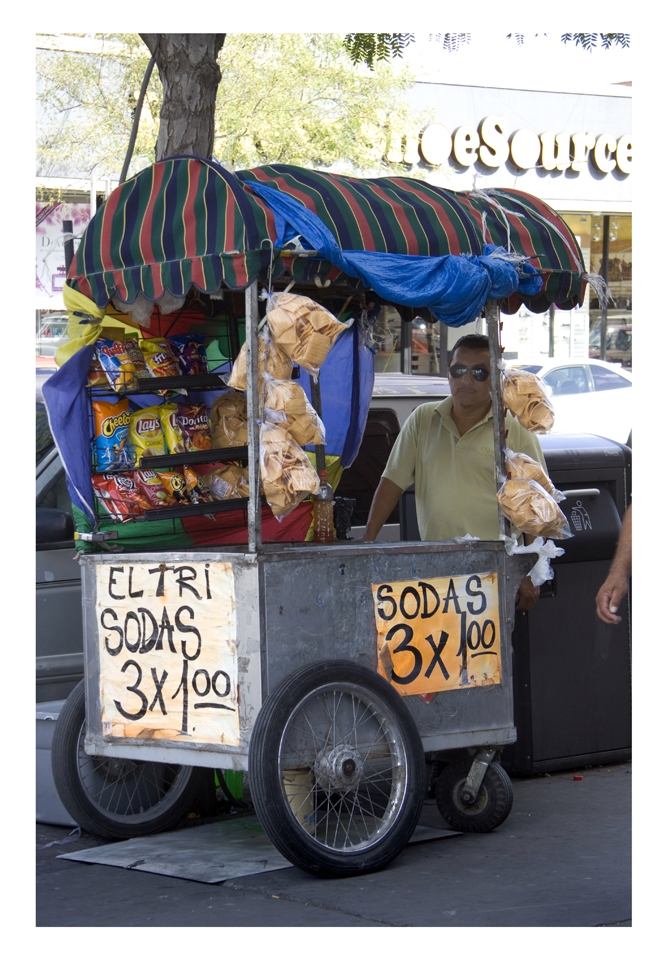
Commentary by Border Blog Editor
El Paso Street in El Paso. It’s the first block of America. Or the last block of America. It depends on which direction you’re headed.
Going north it’s the first. Going south, it’s the last, the next block is Mexico.
This is a street of life, bulging with people, an array of goods from school and household supplies to clothes to audio stuff to high heels to T-shirts with everything from Revolutionaries to cartoons on them. It’s juicy, alive and has texture and odor.
It’s 3D street.
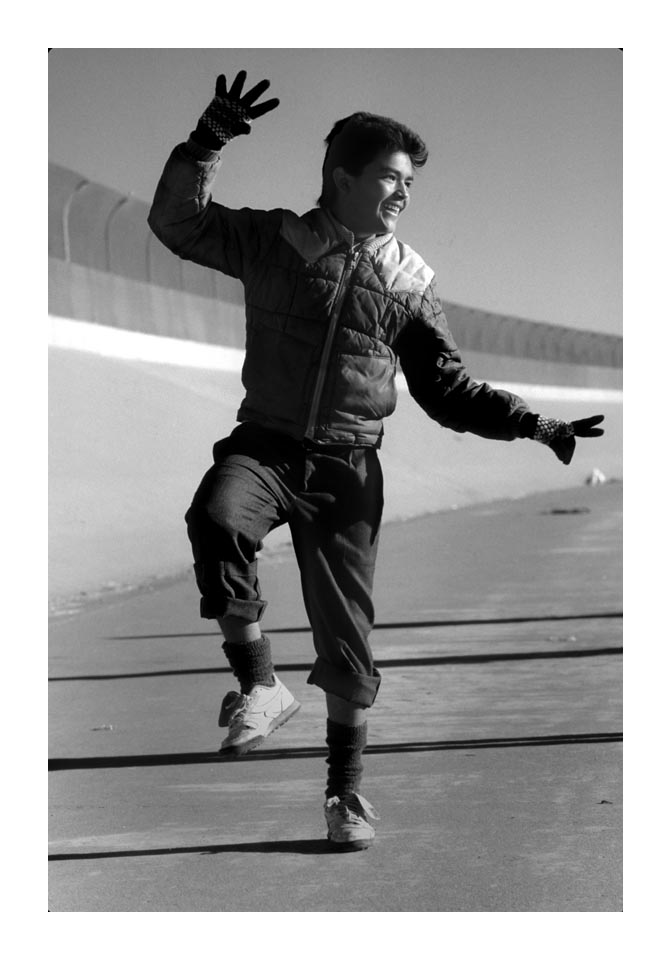
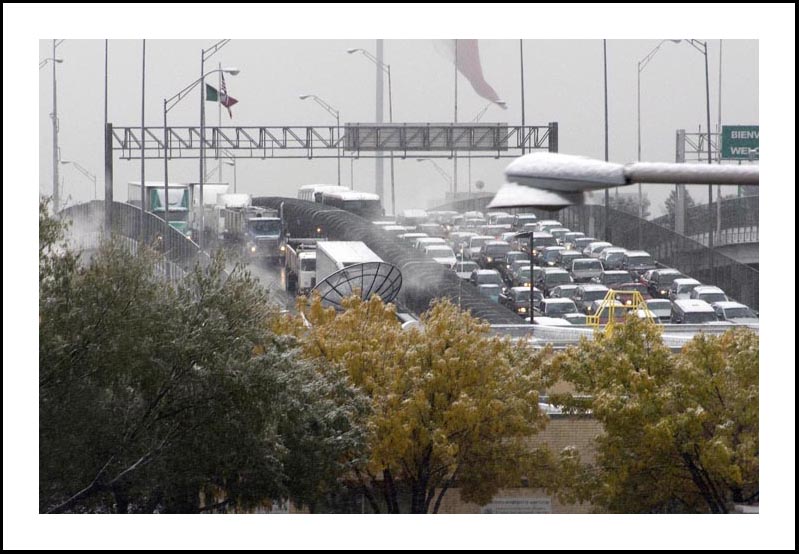
Snow!
A rarity in this no-mans-land.
Hardship. No one is ready for it. Not man nor beast nor domicile. The aftermath will be unnavigable mud on some of the streets in Juarez: there’s always a fire from people using heaters they’re not used to using; tons of $14.95 coats will be sold on El Paso Street and Stanton Street and the various Fallas Paredes tiendas all over town; car crashes aplenty; you can bet on it. The homeless freeze. Rich people buy juniper logs for five bucks apiece to have their moment of apres ski. Everyone will adapt eventually, but by then we’ll be back in T-shirts and shorts; my loft turns to a freezer; life is anew. This is a place of the sun, not really set up for anything else.
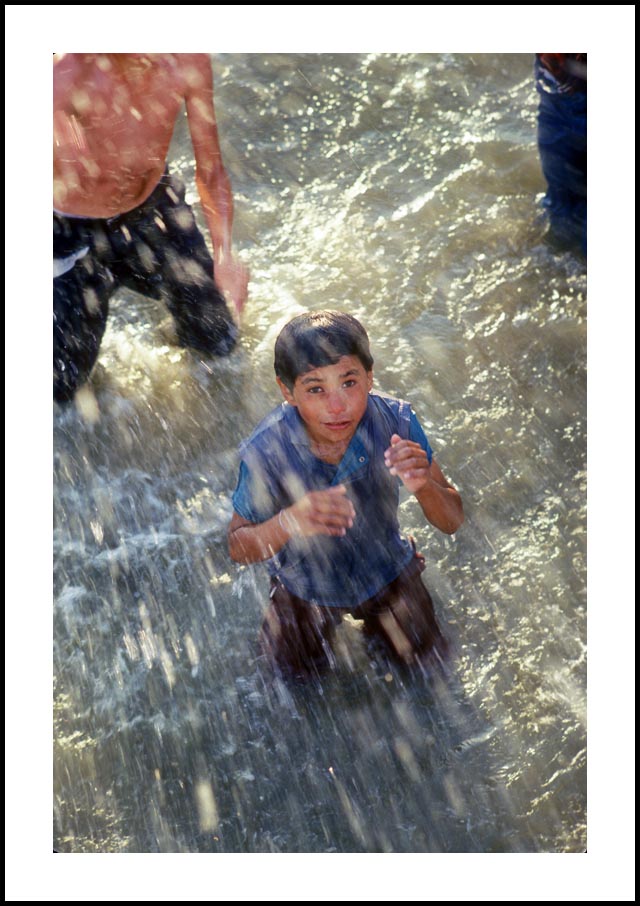
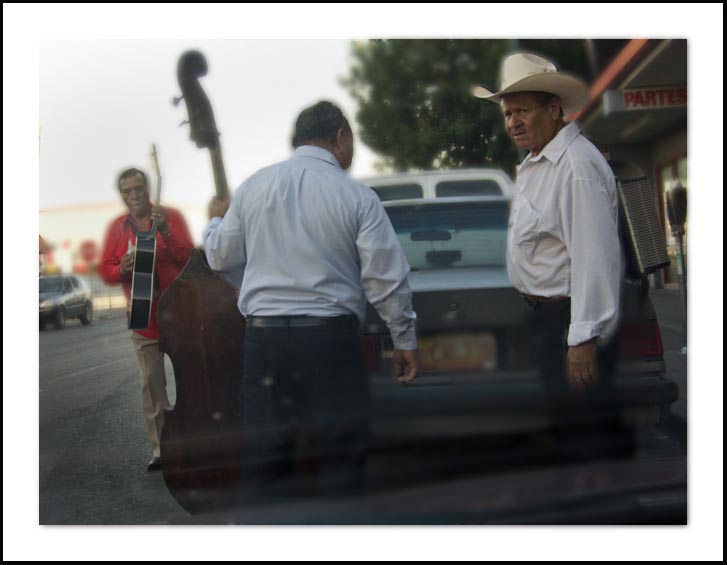
Wary eyes.
Everyone’s wary, in El Paso/Juarez, these days. The border is at war, with itself, with it’s two yin/yang sides, with the Interiors of each of the two sides.
Everyone’s wondering where it’ll end, where they will fall on the have and have not scale, what’ll be left of this little rough Shangri La (not a Shangri La of paradise but a refuge for those who have fallen from paradise. Sort of a suburb of Shangri La).
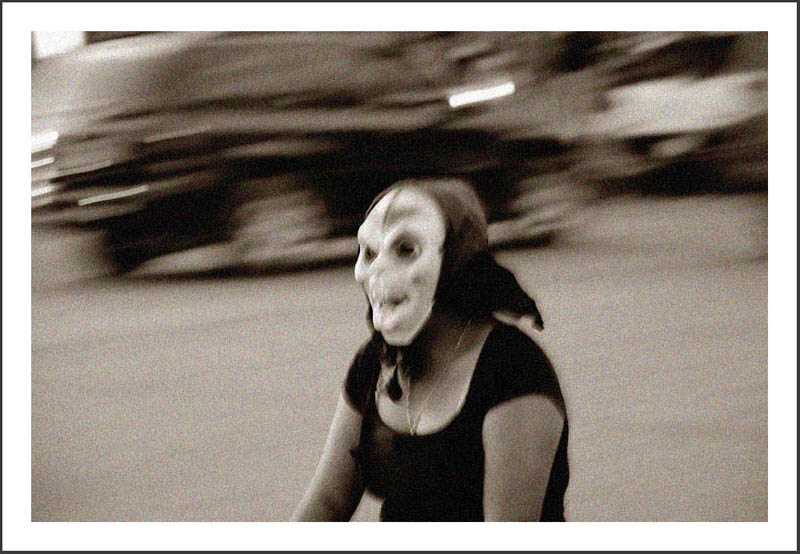
First block of America (FBA).
El Paso Street. La Frontera. I’d call it Texas but it ain’t. Everyone knows it if they’re from here. Texans hold their arms out, full length. Americans think it’s part of Mexico…or hell. New Mexicans…furgidaboutit! It’s all they have to really feel superior to.
El Paso, the nation-state of nowhere.
Notes from my Journal
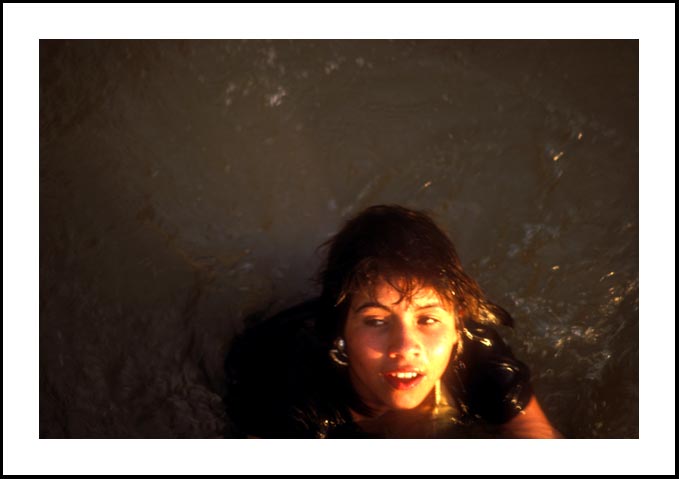
Immigration. Swim, drive, and crawl. People do what they need to do and making them do any of the aforementioned things, put lives at risk.
The river is more than a highway of migration, though.
In the summers, when it’s hot, the river is a giant pool.
People play.
The river is polluted with chemicals from upstream pesticides from the farms, loaded with garbage and debris, has really tricky currents that, every summer, takes lives.
But people live in that river. That river is life for many in Juarez.
If the Jefes could see past their own little tight plans, this would be THE development that would be right for El Paso/Juarez: Play in the river.
Too simple, though, huh?
This girl is clinging to the El Paso side bank. ILLEGAL! La Migra comes and chases her away and she joyously splashes back to the Juarez side where her friends and family jeer and gesture at the Border patrolman. Everyone is having a good time. The Migra laughs, waves, knows he’s part of this great immigration farce, climbs back into his Suburban and drives off and the girl –and her friends- come back, swim to the U.S. side, pose for pictures, live the evening.
The sun sets. I go home. I played in the river, too.
One of the border Patrol’s favorite PR releases is about how their agents saved people from drowning. There’s one or two or three every year.
They never mention people caught playing. Before the fence.
PHOTO OF THE WEEK: Jan. 25-Feb. 1, 2008

You can leave the border but the border does not leave you. My head snapped when I saw Roberta Flores, up in New Mexico.
“Terrific hair,” I yelled at her. “Gelled,” I asked?
“No,” she said with a sly and proud smile, “Glued,” she shouted back, with a grin that sort of said, “gotcha!”
“Did you get that done around here? ” I asked.
“They don’t know how to do that around here,” she spat, friendly but gently ridiculing.