Search results
250 results found.

On The Edge of the Edge – The U.S. – Mexico Border
250 results found.
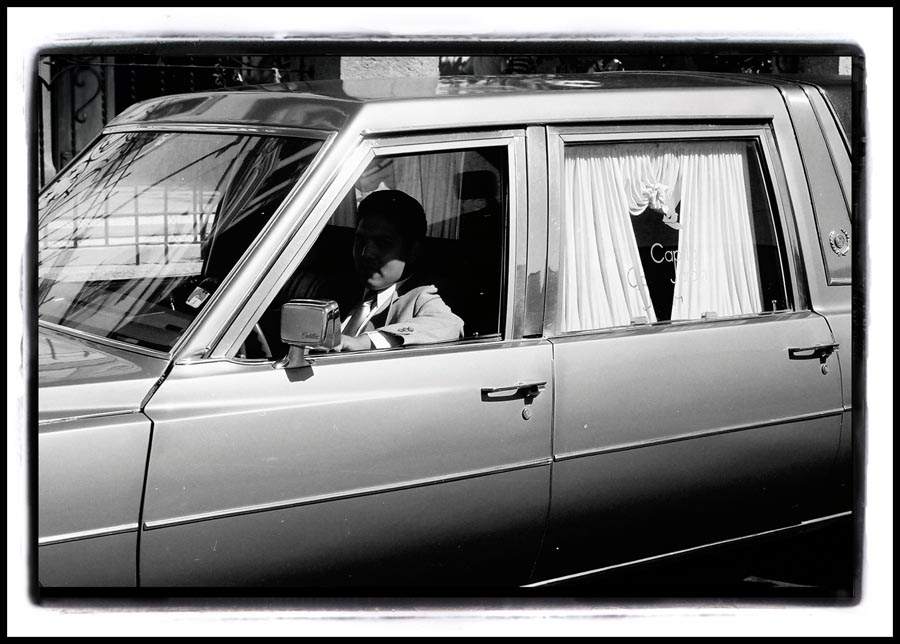
Waiting.
It’s hard to remember the last time I was waiting for something and not pressured to be thinking about the next stop, the next appointment.
Leisure?
Barely remember that…
Slow time? Time seems to be on steroids, going faster and faster.
So I came across this guy and time seemed stopped. He was waiting for the grieving and the return of the dead to his vehicle.
October 20, 2007
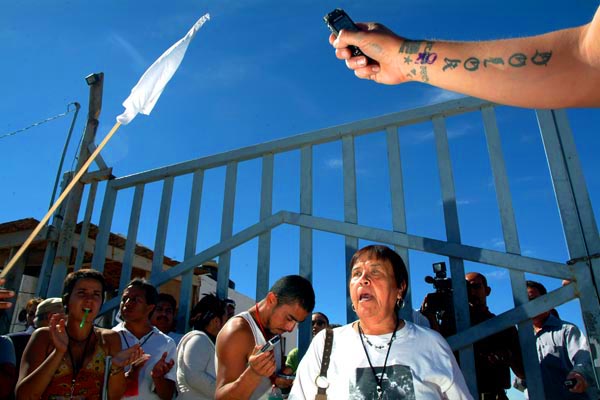
A group of 150 people from different grass roots and human rights organizations from Juarez, El Paso, Guanajuato and Mexico City, arrived in a school bus and private cars at noon, October 20, to discuss globalization, displacement, human rights violations and femecide.
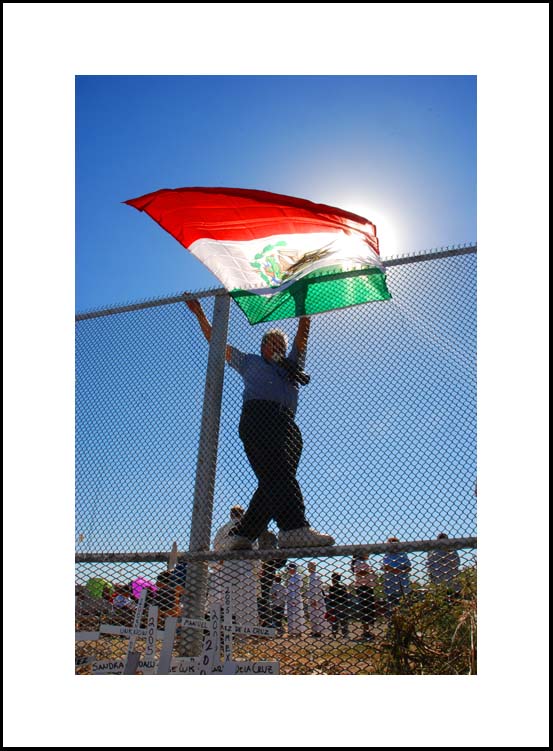
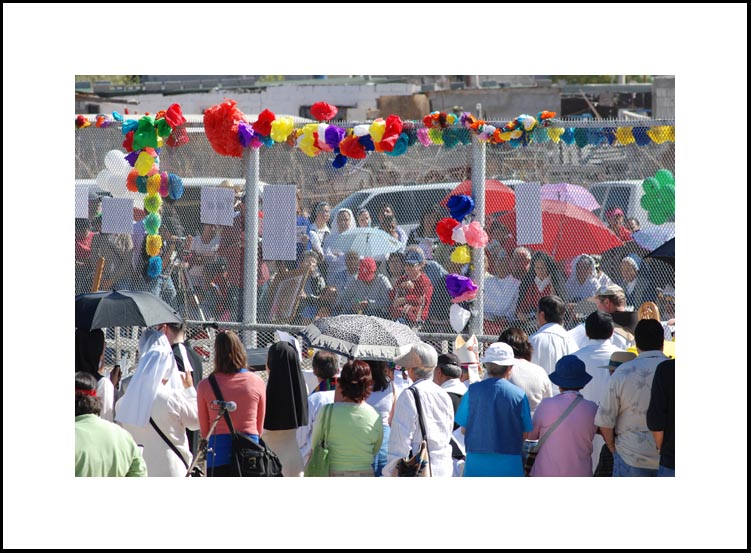
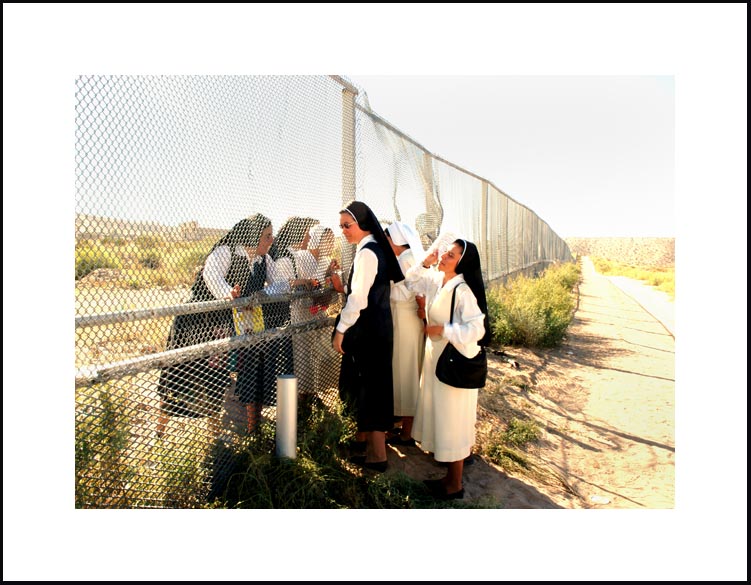
Today the Bishops of El Paso, Las Cruces, NM and Juarez, Chihuahua, Mexico met at the border fence at Sunland Park, NM and Anapra, Chihuahua to protest current immigration policies and to promote understanding for immigrants from Mexico, as well as world wide.
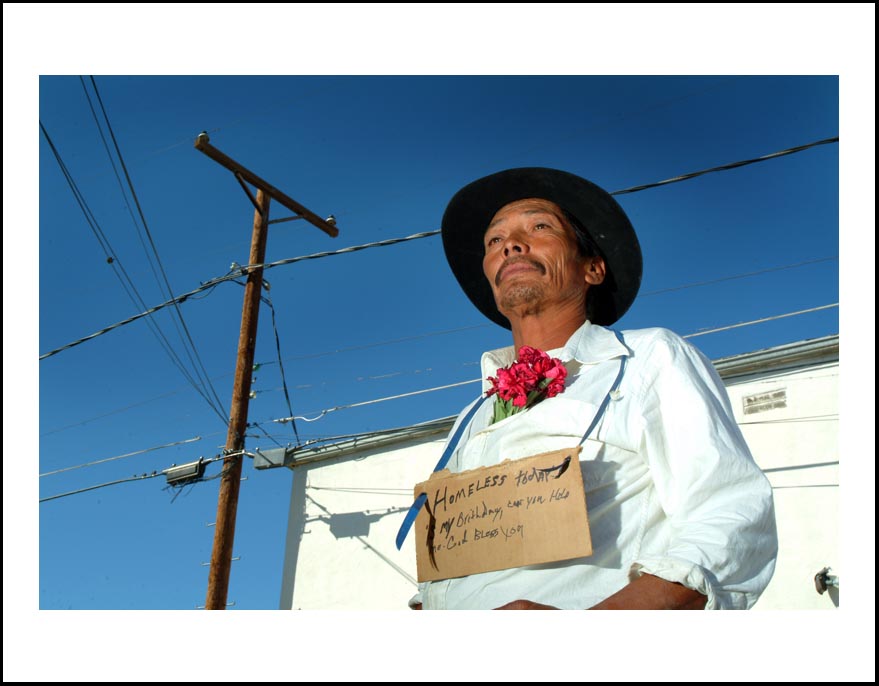
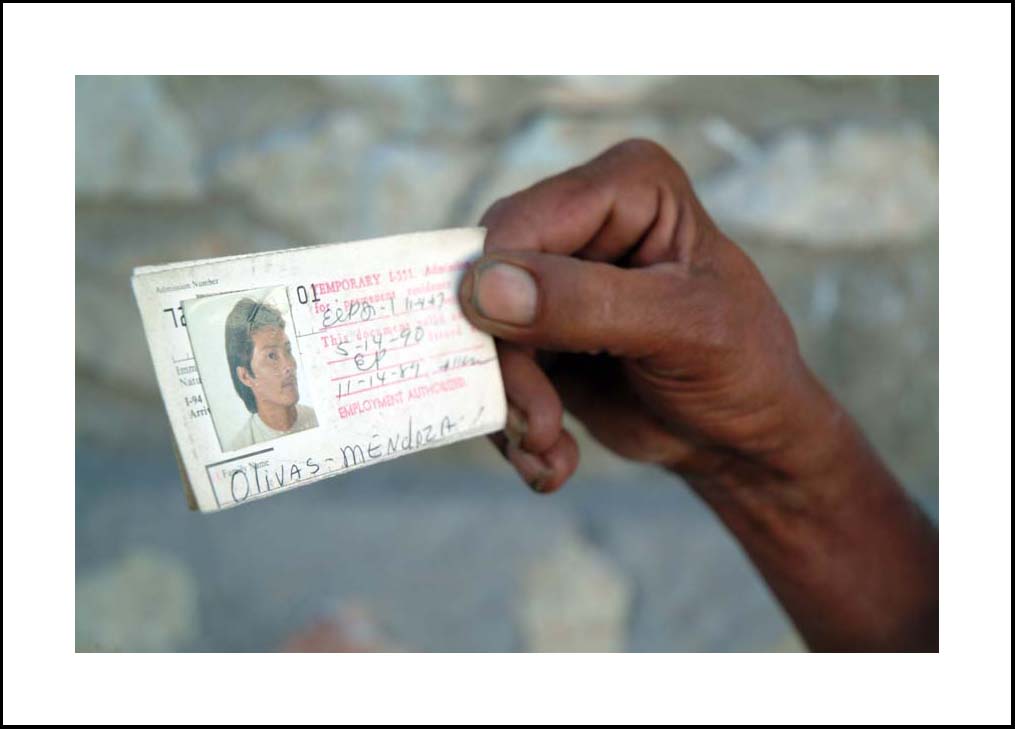
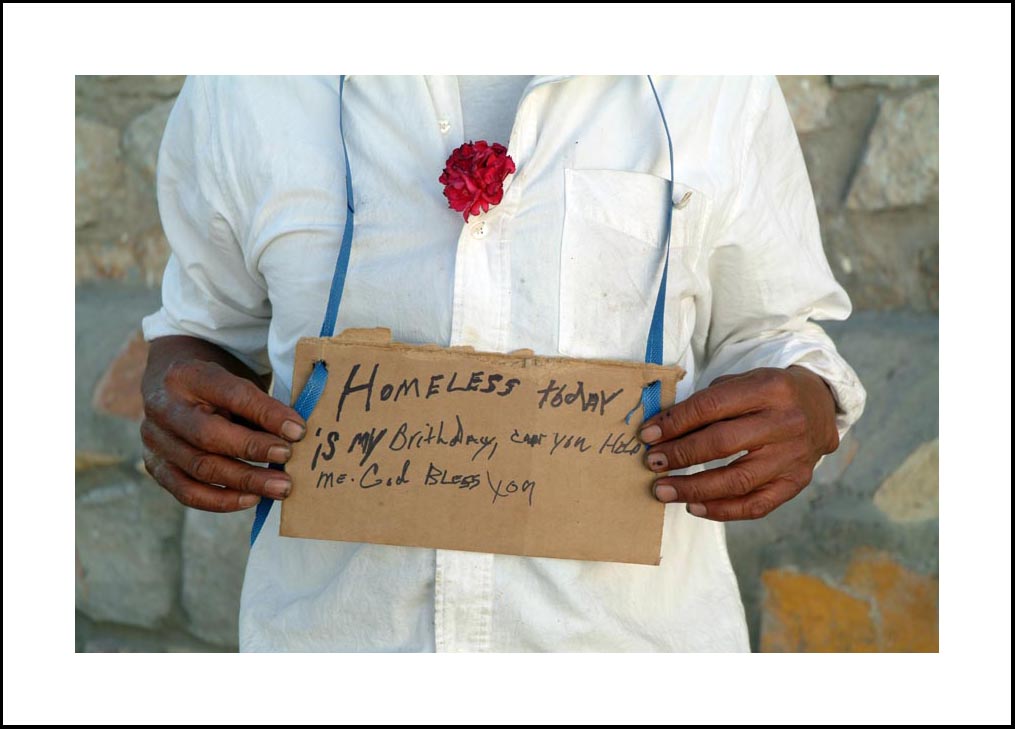
Regino Olivas-Mendoza, 47, hangs around a car wash in central El Paso. He wears a sign that says, “Homeless today, Is my birthday, can you help me?”
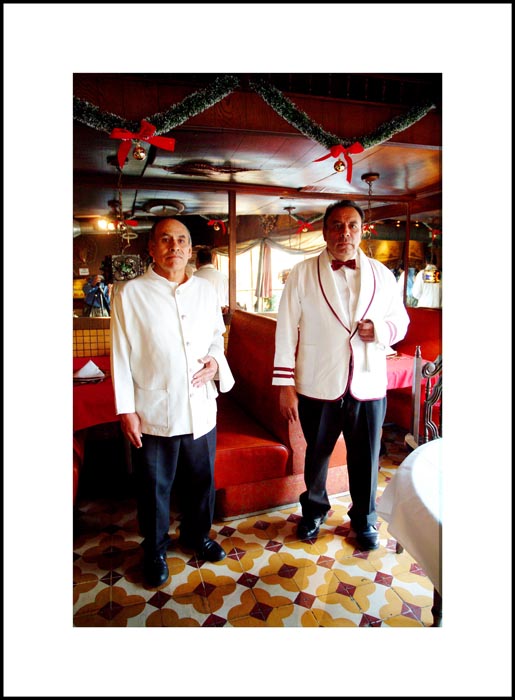
 Ramon Covarrubias Quintana(l) and Francisco Barraza(r) are waiters at the old Martino’s Restaurant on Juarez Avenue in Juarez, Chihuahua, Mexico. The restaurant is located two blocks from the Paso del Norte Bridge that connects downtown Juarez with downtown El Paso.
Martino’s – and these waiters- harken back to the “Golden Era,” of Juarez,
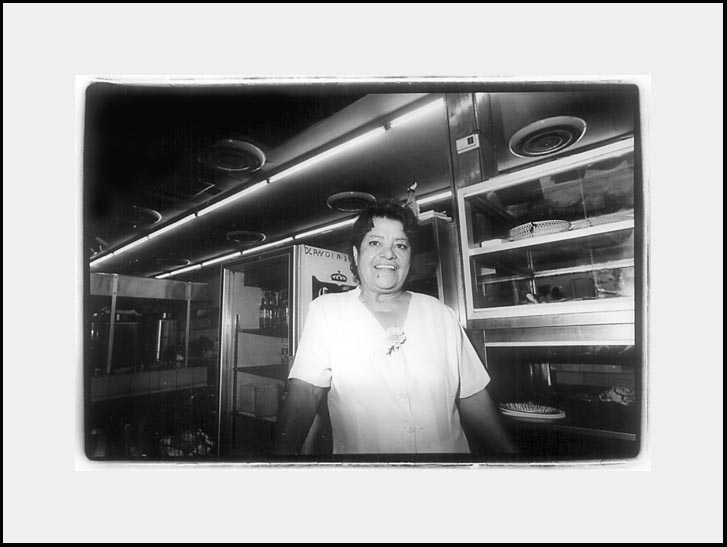
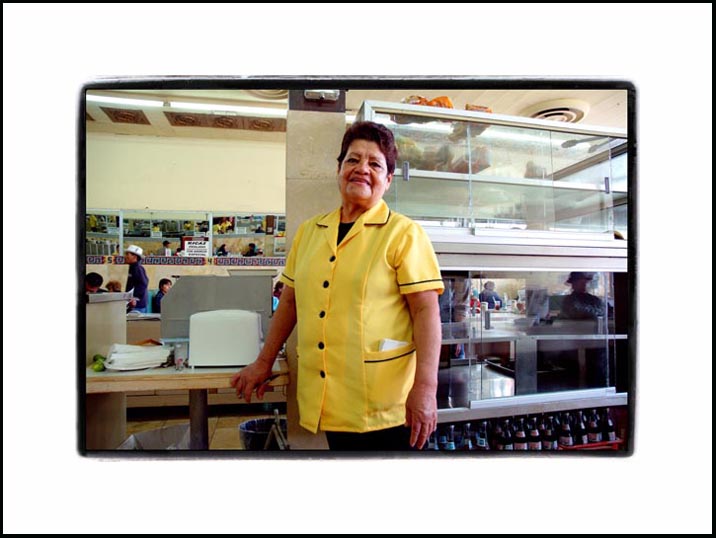
Amada has worked the counter at the Central Cafe in downtown Juarez, since the early 1980’s. The cafe is next door to the cathedral and is a major crossroads for buses -and most of all, people on foot- heading to all directions in the city. The cafe is a crossroads, the city’s heart, and a center of transition and change.
October 5, 2007
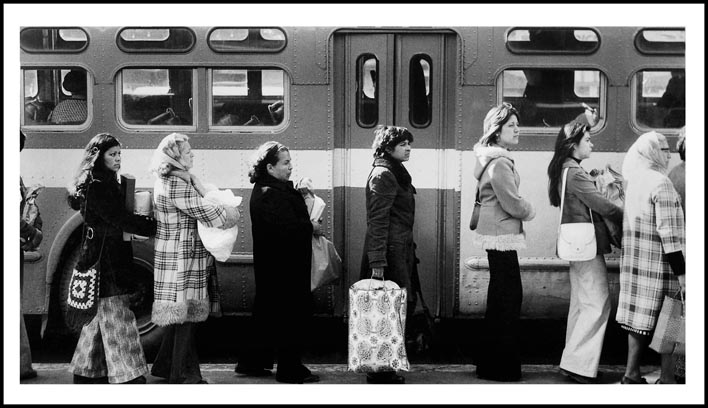
A funny thing about photography and time: it can capture milliseconds and it can capture decades, and all in the same photograph.
28-October 5, 2007
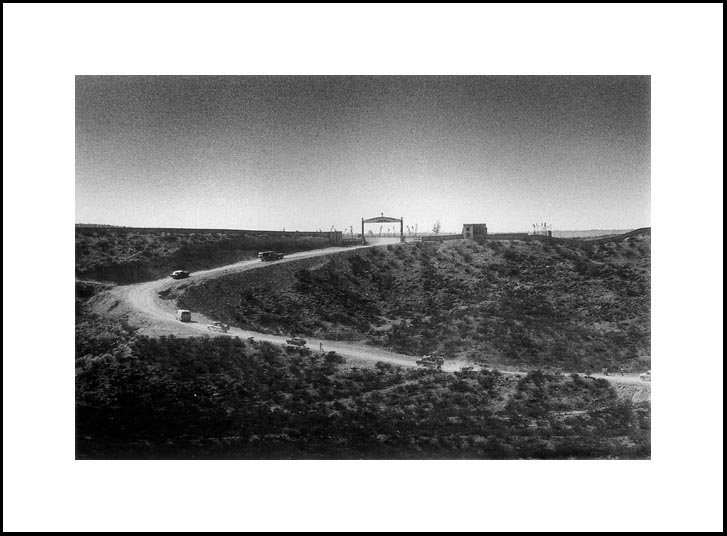
The cemetery came before the barrio. An ultimate act of realism.
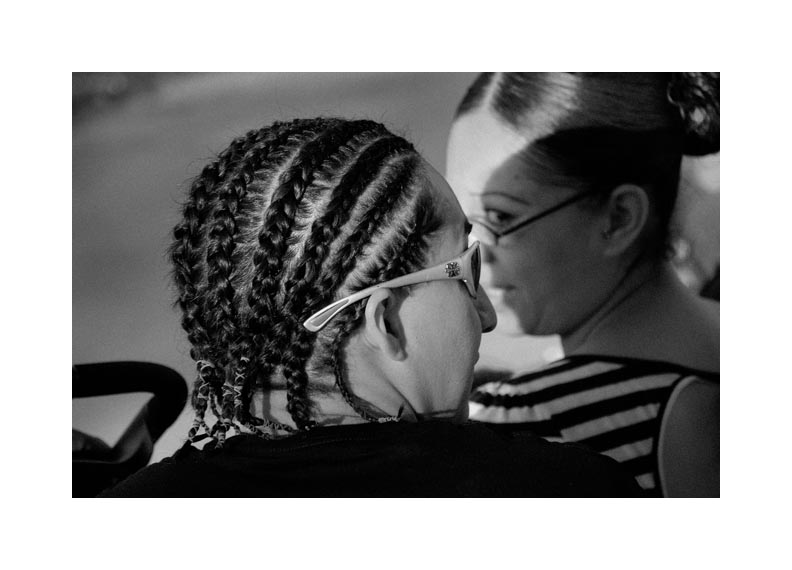
This was a 16 de Septiembre event in Armijo Park in El Paso. Armijo is in the heart of the historic Segundo Barrio. Armijo is a people’s park. This neighborhood is in, actually, the only”urban,” neighborhood in El Paso (hard to define but you know it when you see it: Life exists on the streets)
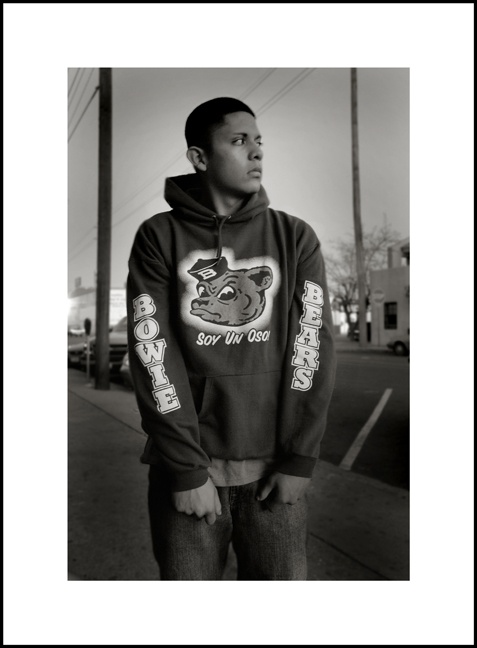
Hugo(last name not given) shows his high school “colors,” on Father Rahm Street on El Paso’s south side. It is twilight and he has been working on a mural at the Sagrado Corazon church’s gym.
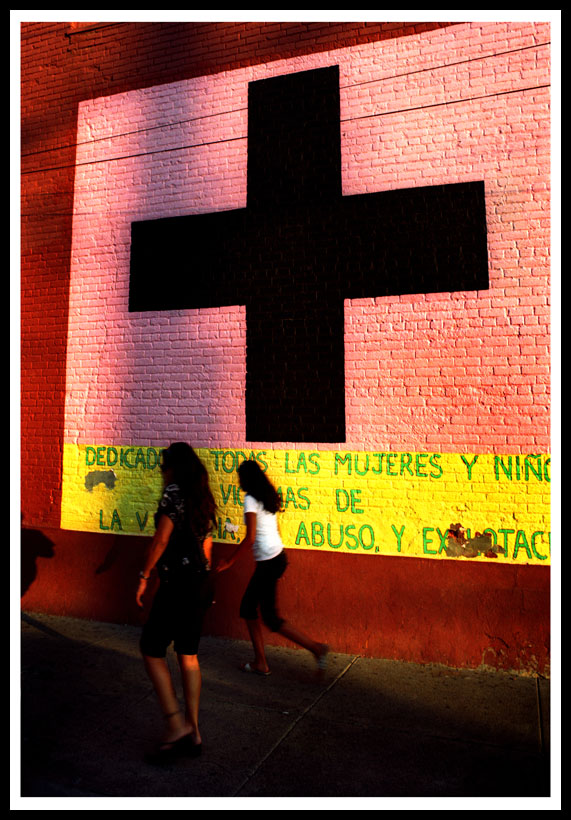
Summer on the FBA. Hot. 100.
This is Father Rahm Street, which is, actually, Fifth Street. Around the corner is El Paso Street which is the first block of America (or the last, depending on where you’re coming from).
Around the corner, to the south is where the Paso del Norte bridge from Juarez empties out. There are stories on this street, big life-journeys begin here. This is where dreams begin. Some people have called this the “Ellis Island of South America.” Maybe that’s the draw for me (my Father was born on that other immigration island in 1907). That was another dream. These are places where dreams can start.
The Black Cross mural for the violence against women in Juarez appeared a couple of years ago. Then they put a bus stop in front of it (dumb). Then they took the bus stop out but painted over the text (also dumb) about the violence to the women.
Whatever. Life passes and passes strongly. This is where I have spent a lot of my life.
Nothing stops the energy on the FBA. People are looking for their place, their direction, their dream. I’m looking. I’m there almost every afternoon.
PHOTO TIPS
July20, 2007
“Candid,” photography brings up some decisions, ethically and technically. How candid do you want it? I try to be a “fly on the wall,” and not have eye contact at the moment of the photo capture, but, I also try to not sneak around and make sure everyone knows that I’m there, shooting.
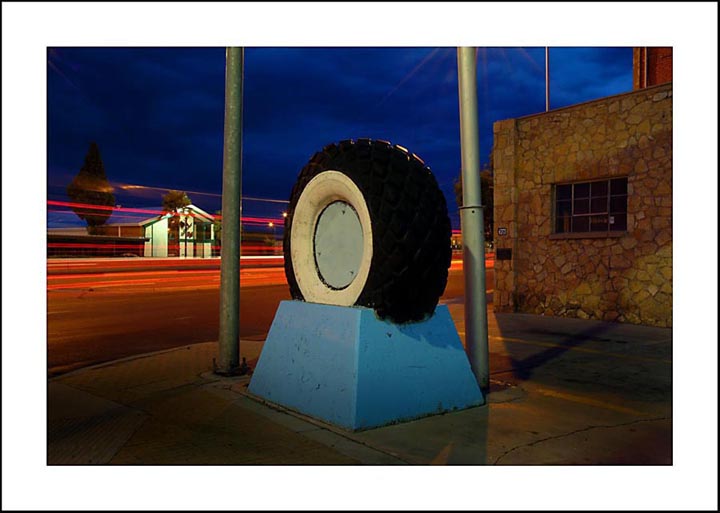
This giant tire is in front of Wicker Tire Company at 701 San Antonio St. in El Paso, Texas. It has been there since the late 1960’s and has become an El Paso landmark. The tire was originally on an earth moving vehicle that worked on the Panama Canal. It was brought to El Paso in the late 1960’s, where it has rested at the corner of Paisano Drive and San Antonio Street. Before Interstate 10 came to El Paso, Paisano Drive was U.S. Alt Route 80, the truck diversion route around El Paso, part of U.S. Route 80 that was the main southern route starting in Savannah, Georgia, and ending in San Diego, California. When Interstate 10, was completed, most cross country traffic was diverted from Paisano Drive, but, the Wicker tire has endured and enriched the landscape for several generations of El Pasoans and other passerby. Highway Art, a commercial mainstay of travel in the United States in the 1930’s through the 60’s, has become true art and and this one endures as a true El Paso landmark. Tom Wicker, son of the founder of Wicker Tire Company, maintains the Giant Tire, repainting it approximately every three years, “Or sooner if it’s graffiti-ed,” says Mr. Wicker .
Additional Notes on US Highway 80
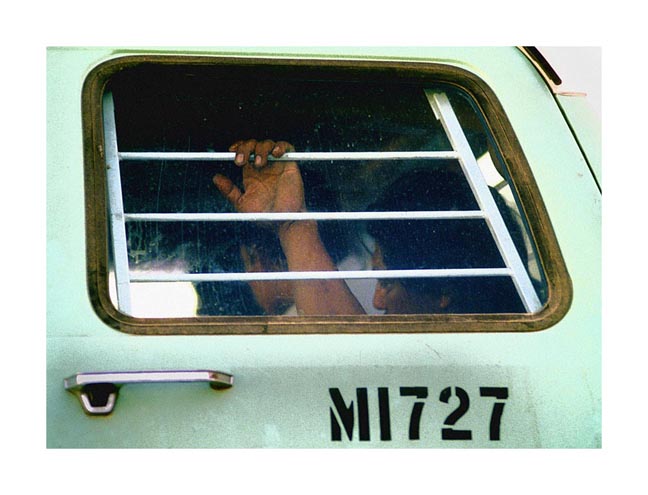
Most “illegal immigrants,†incarcerated in El Paso are laborers who’s immigration activity is, merely, a two way commute, finding them returning to Juarez, Mexico, at the end of a work day. Being incarcerated by the Border Patrol inconveniences the worker but does not deter the activity. Wages in Juarez average around $5 to 6 day. In El Paso a Day Laborer makes an average of $ 25 to 40 a day. The difference in wages makes the bureaucratic discussion of deterrence moot.
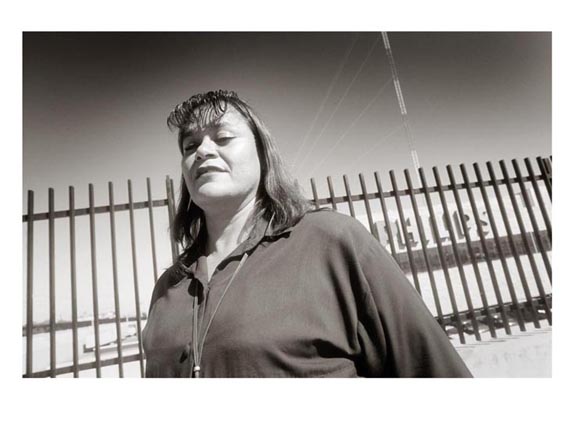
Carmen Sotelo Rodriquez is the face of the Post Global economy. She worked at a Phillips plant in Juarez,Chihuahua, Mexico. The plant had moved from three shifts to one shift and by 2002 the company had migrated most of its assembly operations to China. She is shown standing in front of the plant on the city’s south east side. This photo was shot on assignment for Bloomberg magazine.
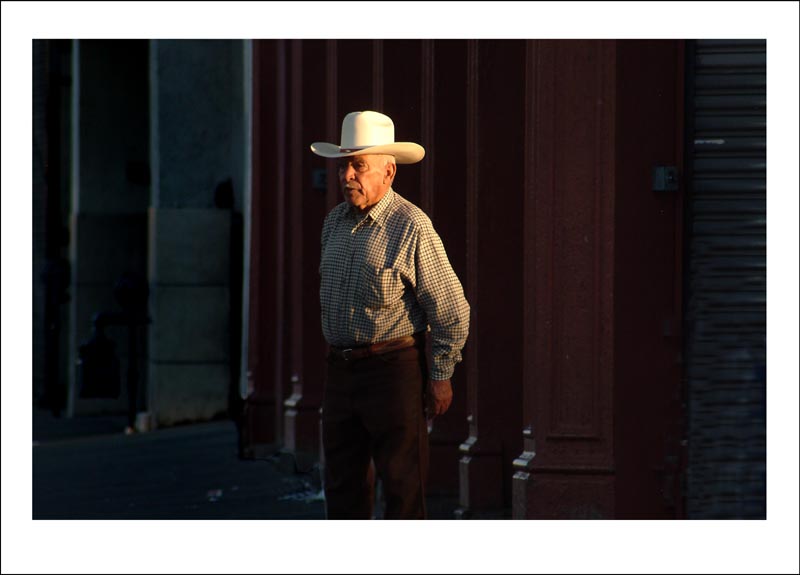
A man stands in the last light of the day at the corner of 6th and El Paso Street in El Paso, Texas. This is the first street of the United States after entering the U.S. from Mexico from the Paso Del Norte International Bridge. The bridge links Ciudad Juarez with El Paso and 6th and El Paso streets could be considered the crossroads of the northern part of the Western Hemisphere from south to north.
A lot of old folks (viejos) grew up in this barrio and are still there. They are the dignity of the barrio.
Imagine how people felt when a picture of an old viejo was used, by City planners, to show what was wrong with El Paso?
Los Viejos are what’s right with El Segundo.
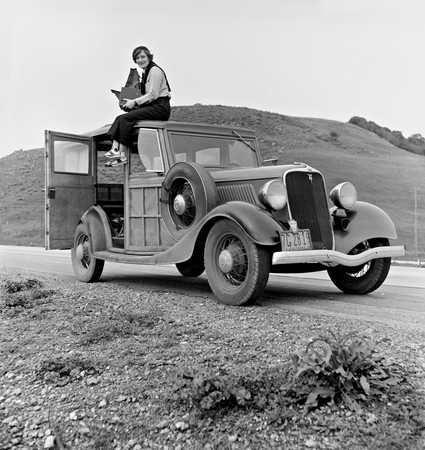
Photograph of Dorothea Lange,
Resettlement Administration photographer,
in California, c. 1936
The car is a 1933 Ford Model B (AKA “V8”).
She is -as well as Russell Lee and the other FSA photographers- the spiritual “Godmother,” of this site.
_______________________________
This is a picture of Dorothea Lange, at work. She was one of my earliest influences (the other was Weegee).
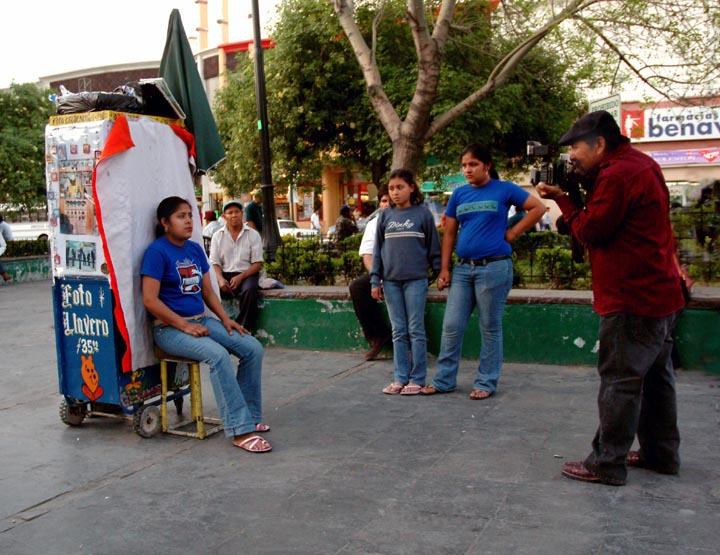
fotografo-centro Juarez-Retrato: $ 4.50(US)
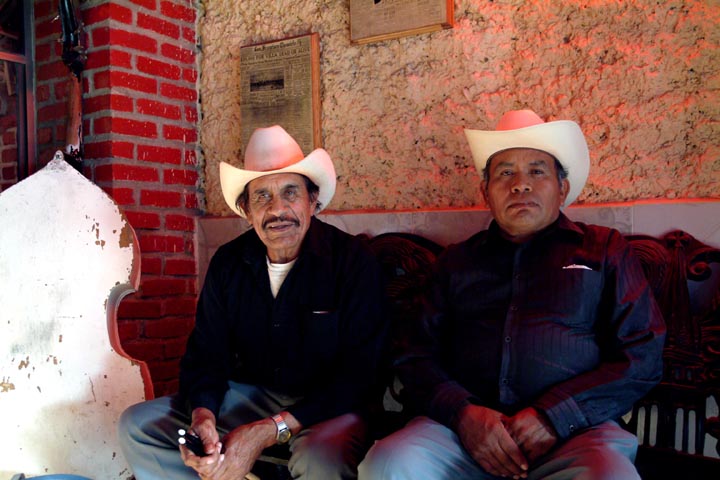
Musicos de Juarez-March 23, 2007
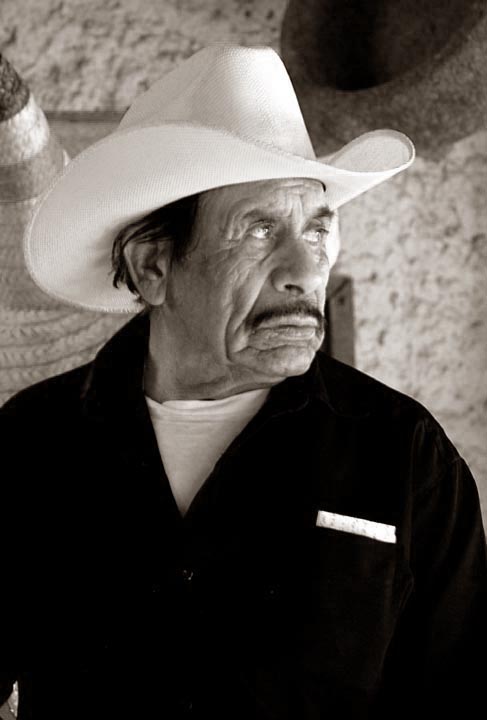
Musico de Juarez-March 23, 2007
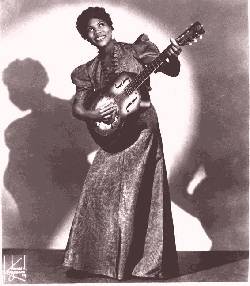
The Border Blog highly recommends that our readers go to this You Tube link:
www.youtube.com/watch?v=4xzr_GBa8qk&mode=related&search=
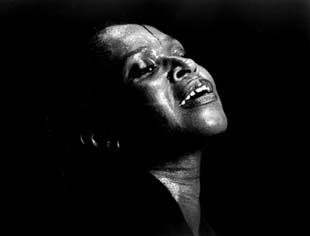
This has nothing whatsoever to do with the border. She’s hot, cool and happening! Groove, Take a break. Chill. La Lucha begins anew soon. In the meantime Sister Rosetta wails and is good for our heads.
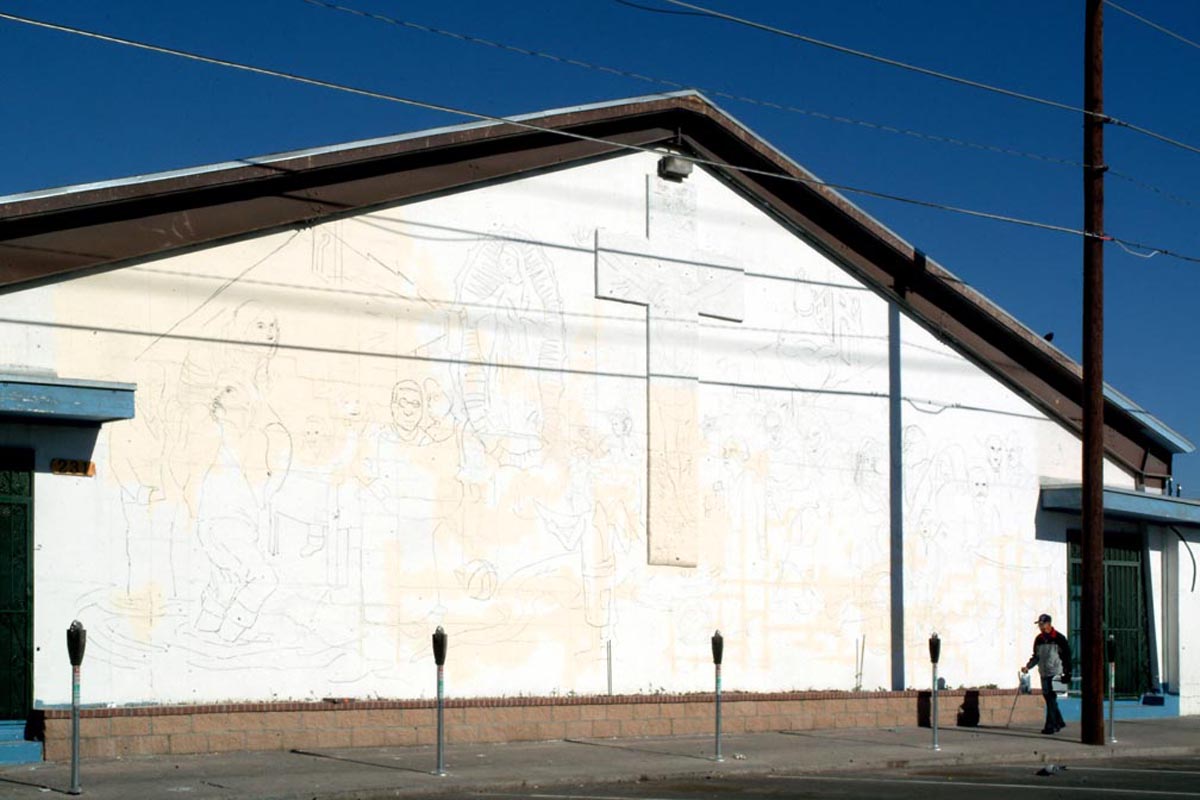
Day 2 / Christmas Eve eve
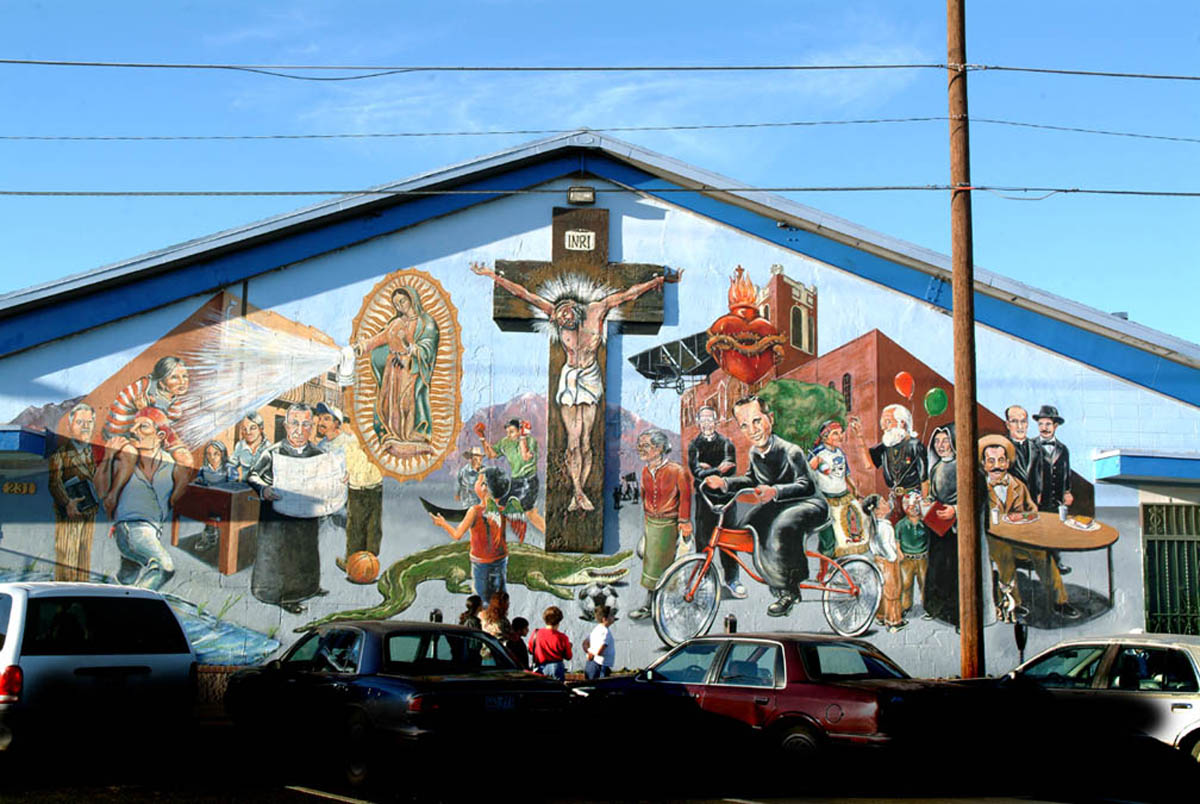
Day 44 / Finished
by Nathan Zarate
photograph by Jaime Ojo
Artist Francisco Delgado, his brother Oswaldo, his friend, artist Mauricio Olaque and a large helping hand from Bowie High School students and neighborhood residents began the Sagrado Corazon Mural on the night of Christmas Eve eve, 2006.
The mural, with support from Sagrado Corazon, local businessmen, concerned residents and ex-residents of the Segundo Barrio,
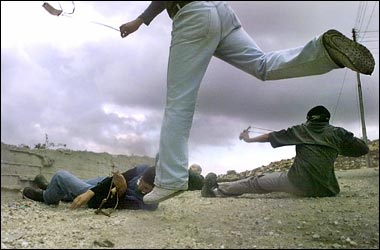
TIJUANA, Mexico ) — The police department has issued about 60
slingshots to officers in the violent border city of Tijuana,
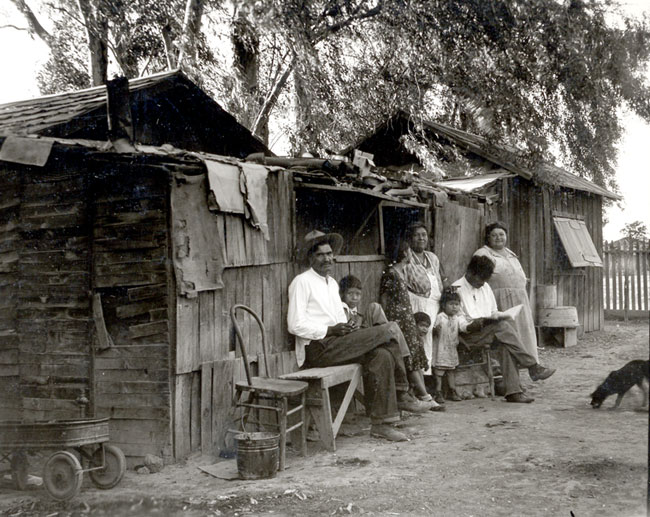
Legislators restarted talks of immigration reform Wednesday with the reintroduction of a bill for a guest-worker program, leading some border farmers to rejoice and some workers’ advocates to worry about potential abuse.
The bill,
Whacked
photo by Jaime Ojo
Artist Francisco Delgado with the assistance of Artist Mauricio Olague and numerous south side student volunteers have, once again, affirmed that El Segundo Barrio is the coolest neighborhood in El Paso.
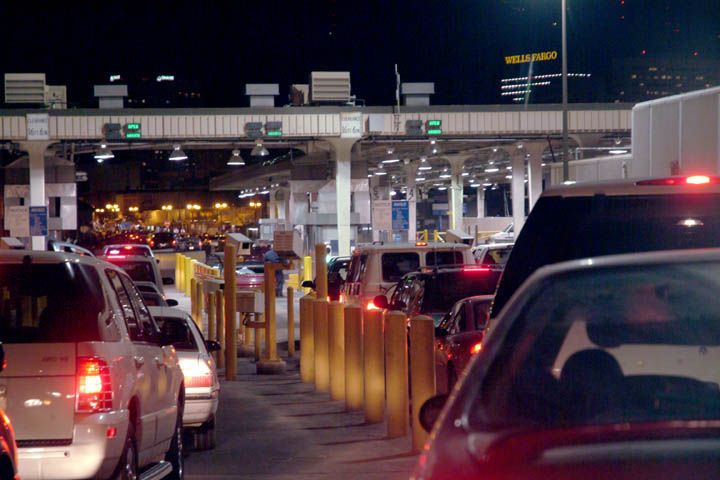
Entering USA from Juarez.Yet again.The bridge.Flirting from enclosed car to enclosed car.
Fumes.
Juice.
Anticipation.
It’s almost 2007.
Accept no crap!
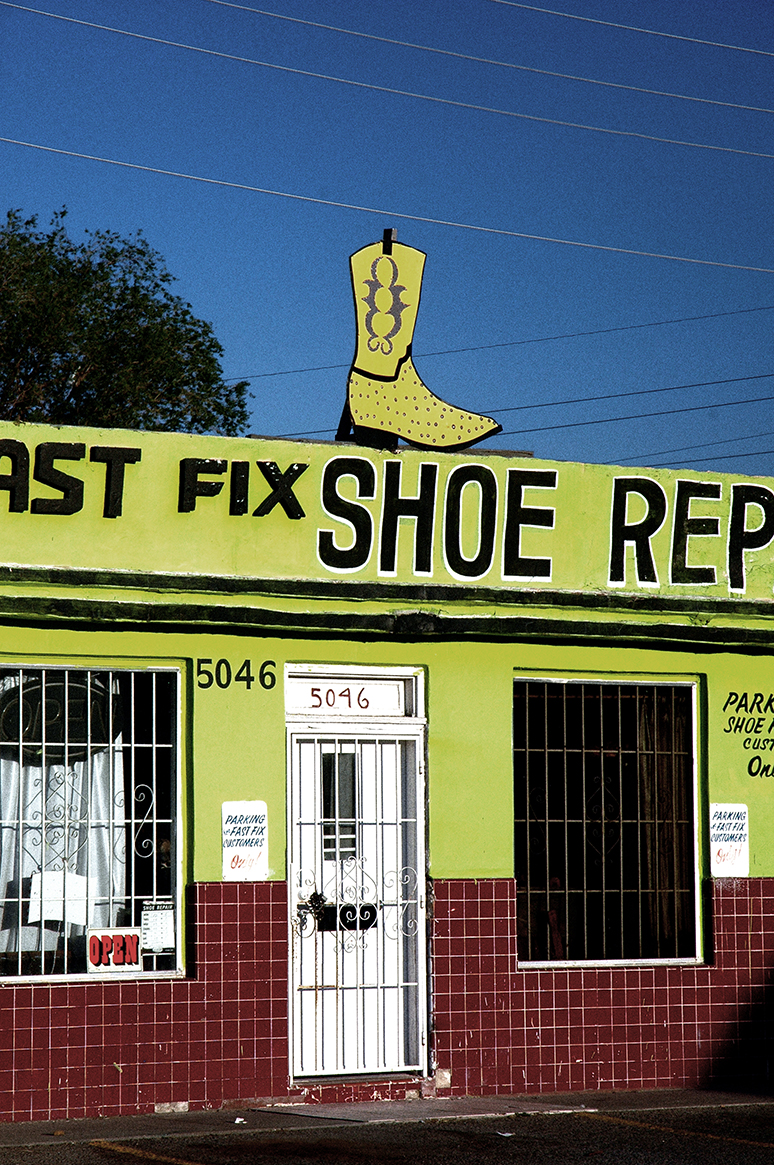

Window Watch
Downtown, El Paso, 2006
http://historymatters.gmu.edu/mse/Photos/online.htm

This is a good place to see some documentary photography collections.There are a lot of sites on Native Americans. That’s good. But, I find a scarcity of sites relating to Latinos, Mexican Americans or the Border. Do you have to be eliminated to get documented.
While I’m at it, here are a few more documentary sites:
http://www.maryellenmark.com
http://chnm.gmu.edu/fsa/
http://www.soros.org/initiatives/photography/focus_areas/mw/10
http://www.edelmangallery.com/misrach.htm