Search results
250 results found.

On The Edge of the Edge – The U.S. – Mexico Border
250 results found.
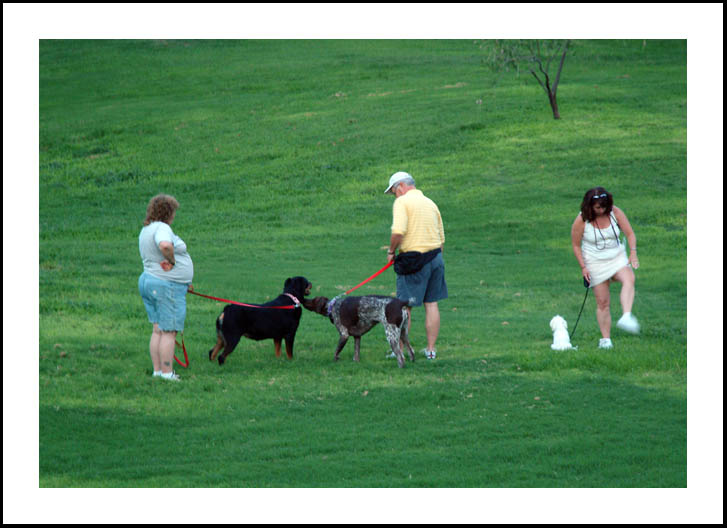
Sometimes you just need to stop and smell the roses. Well, in the park, there’s lots of things to smell. A dog’s life can be wonderful. Humans? Well, sometimes, not so much.
One thing for sure: grabbing milliseconds of time out of the megaseconds of life is still -with no great reason behind it- a lot of fun.
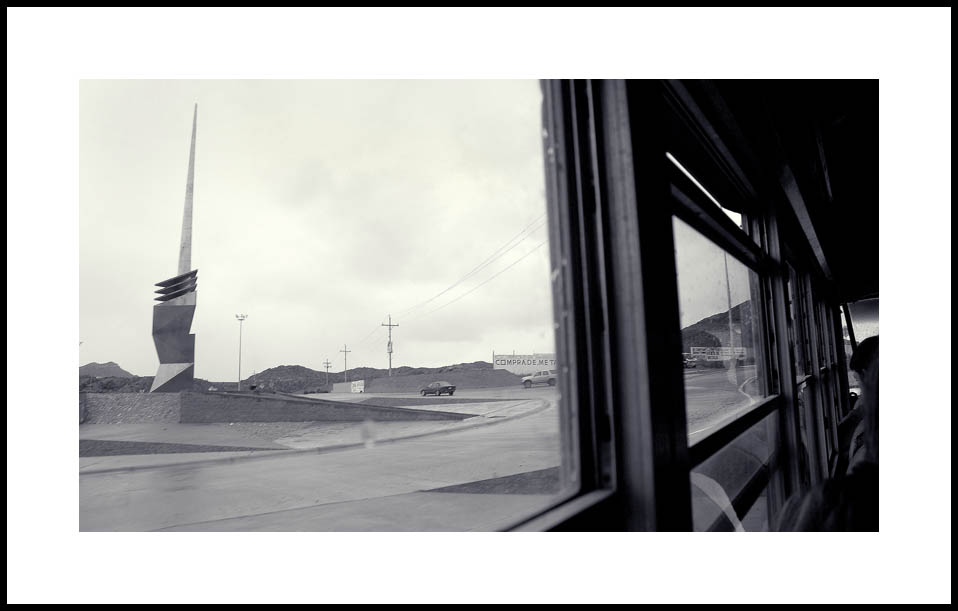
There’s a sword hanging over Juarez. The sword of Juarez. Murder. 1500, this year and we have a month to go. A drug war? A crazy’s war. Get it over with. Somebody win the war for turf, already. Nobody cares. Get it over with, one side win, one side lose, then send your drug shit to the gringos and let the people go free, let them come out of their houses at night, let the undertakers worry about their bills, again. Somebody win, already, because nobody is winning at all.
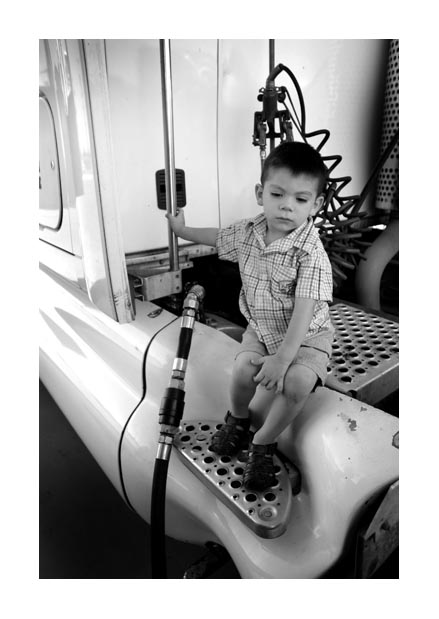
Ciudad Acuna, Mexico
A Mexican border city has begun fining U.S. drivers who cross the border to fill extra drums, tanks or barrels with government-subsidized Mexican fuel.
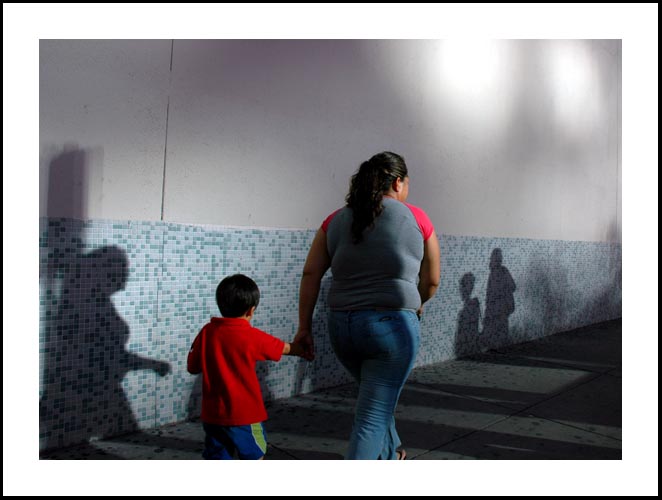
I am supposed to be packing right now. I have a job in another city. It starts in three weeks. I won’t be leaving. This corner, this light, these people, their shadows, have inveighed my life for an adulthood…a long time.
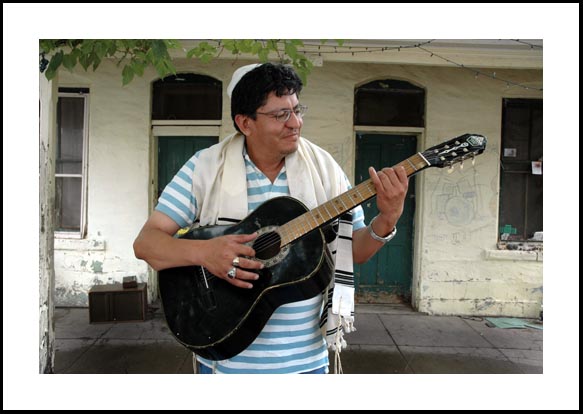
Why do I ever leave my loft?
Went to the gym where a friend of over three years, a retired professor at the local university, someone who has never displayed anything but kindness and goodwill, out of the clear blue, no warning, told me “…the Jews got what they deserved after all the stuff they did as bankers in Germany, don’t you think?”
Wha-a-a-a-a-a?!
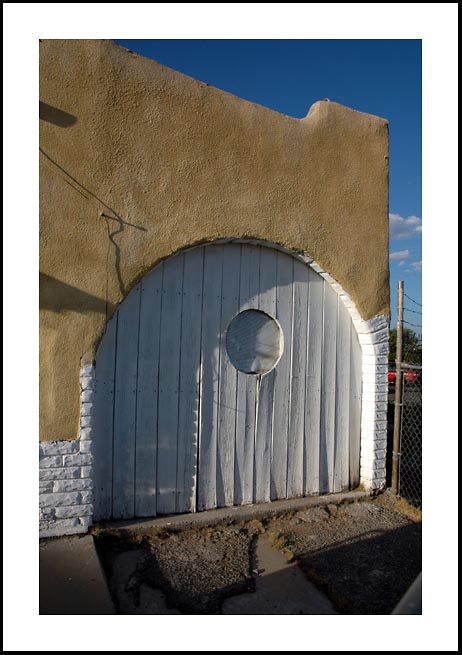
Editor’s Note: For other images from the Remnant series, see the July 13, 2007 and the May 12, 2008 posts. Use the calendar in the right column.
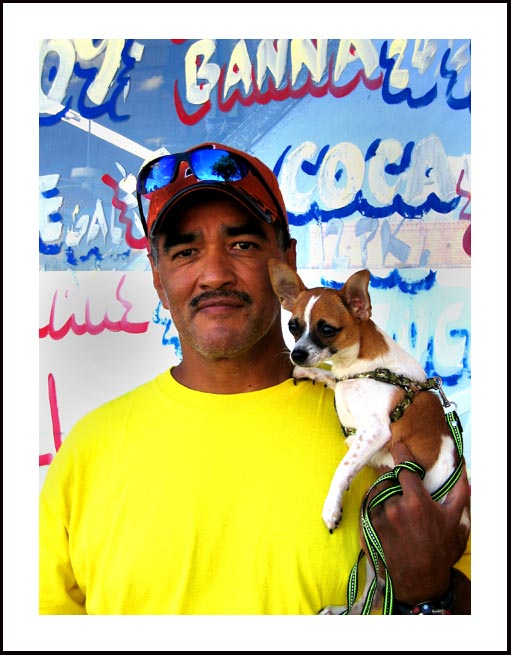
Assume nothing.
I asked this man, in Espanol, if I could photograph him and his Chihuahua (part of a series I’ve been doing for a long time).
“I don’t speak Spanish,” he countered.
Why would I think he was Spanish-speaking?
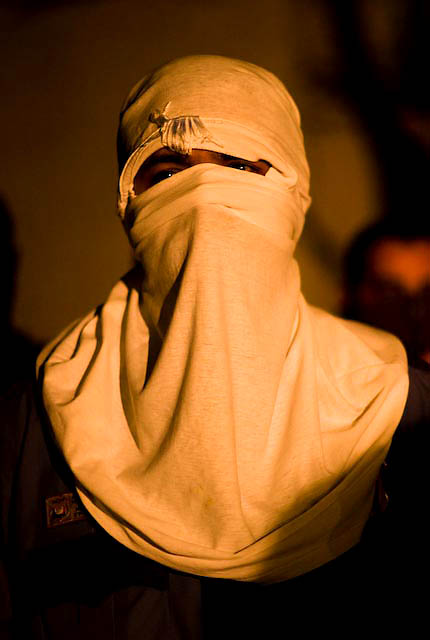
Photo and story by Julian Cardona
March 31, 2008
About 50 Juárez police officers protested what they consider the arbitrary arrests of fellow officers by the recently arrived Mexican army in ciudad Juarez. They were protesting the alleged framing of numerous officers on charges of drug possession.
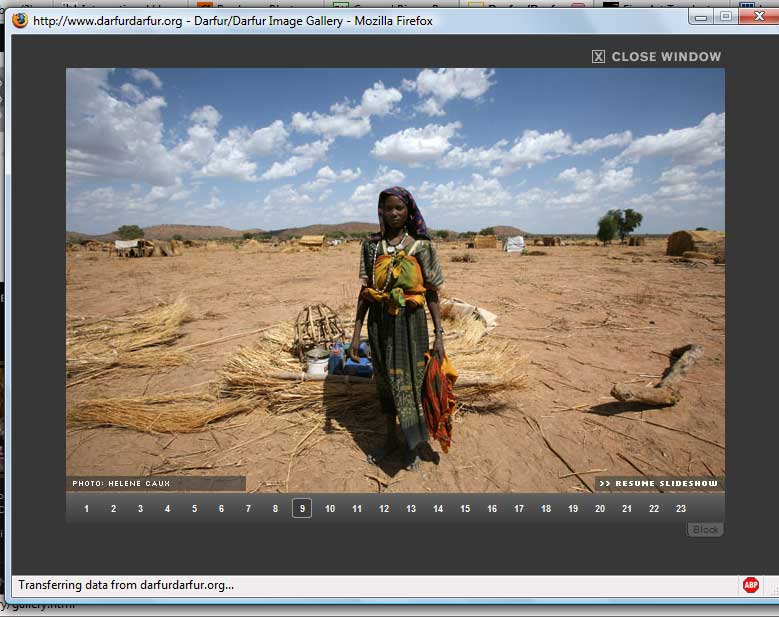

Please check out: An internationally touring multimedia exhibit on Darfur.
Darfur is another border between Europe and sub-Sahara Africa, between Muslim and Christian, between (whatever is left of) sanity and outright brutal lunacy.
Learn more from some of the world’s best photographers.
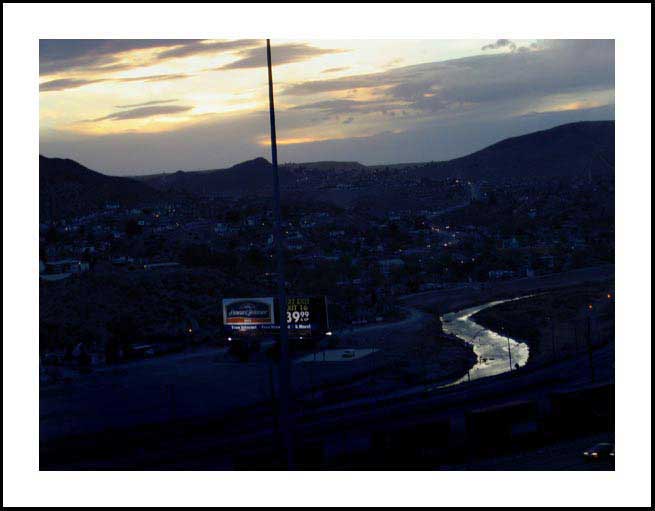
PHOTO OF THE WEEK: June 17-????, 2008
World has gone crazy.
Murder and hell in this landscape.
Stop taking your drugs you busted up stinkin’ American pricks!
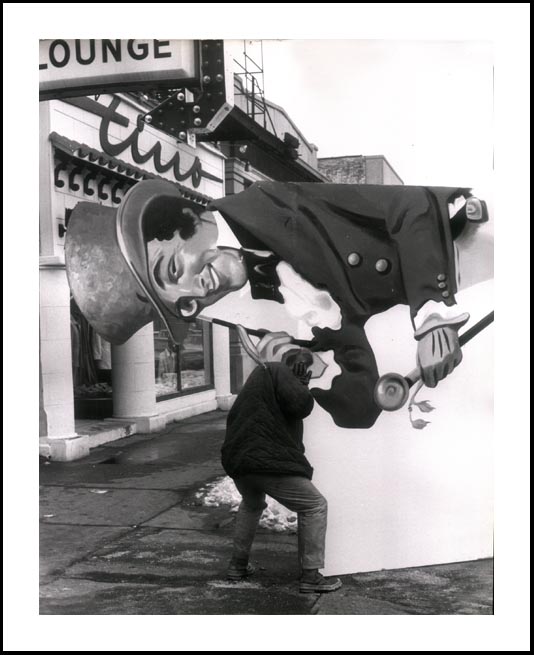
PHOTO OF THE WEEK (#1): May 16-23, 2008
I have moving on my mind. I don’t do it often. When I do it is a reincarnation for the better or worse. I am about to do it. In so doing, I came up with this image from the boyhood of my life as a photographer. One of the very first. I still like the street puns.
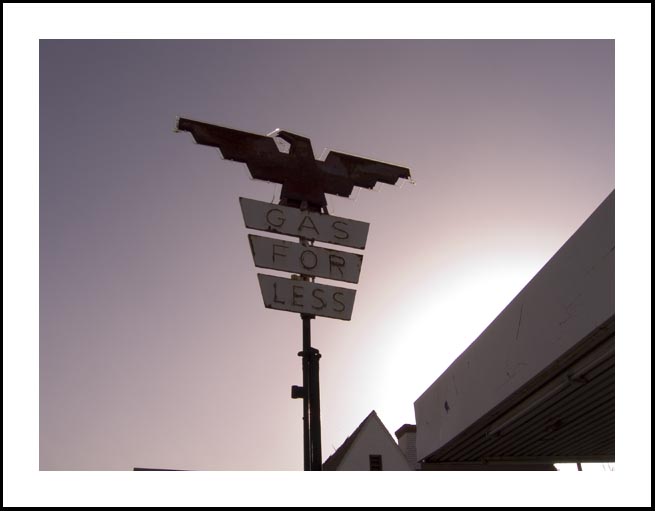
“Gas for less.”
Less gas.
This is not a glitch, it is the changing of a culture.
Usually when a culture changes -sorry Barack- it is the result of a calamity: Depression, war, pandemic, natural disaster. Were it not so, but “change,” is not engineered. Eventually, it is managed.
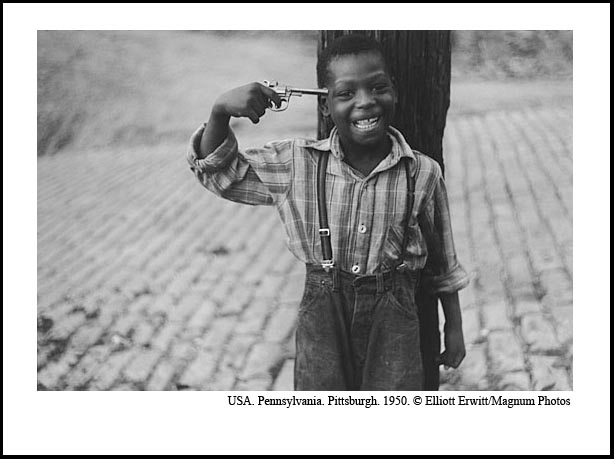
Editor’s note:
This is an interview with Magnum photo greats, Elliott Erwitt and Burt Glin.These are the oldest current members of Magnum, the great photography cooperative founded, in 1947, by Henri Cartier-Bresson, Robert Capa, Robert “Chim” Seymour and George Rodger. For a certain kind of photography -our kind- this is a group of top notch shooters with really interesting work. If one needed to summarize the “vibe,” of Magnum, the word we would choose is, “Humanistic.” We’d define that as a passion for telling the truth -visually and emotionally- about humanity, all of it, with a predisposition to the idea that, as Anne Frank said, “I still believe…most people are good.” Magnum shows the full range, always entertainingly. These two photographers, are its heart and soul and treasure.
April 22, 2008

Magnum’s reputation is not just based on extraordinary photography. What distinguishes the members of the photoagency, which was founded in 1947, is character. The legendary Magnum photographers Elliott Erwitt and Burt Glinn talk about moments of opportunity, courage, independence – and humor. This interview was conducted by Pia Frankenberg in December 2006 and was first published in Frankfurter Allgemeine Zeitung in January 2007.

USA. New York. Dance School. 1977. The image is from part of a photo story about “upper class” children getting dancing lessons and being taught the “social graces”. © Elliott Erwitt/Magnum Photos
Pia Frankenberg: Since when do you two know each other?
Burt Glinn: We first met in 1952 or ´53 I guess.
Elliott Erwitt: In the morning, I think.
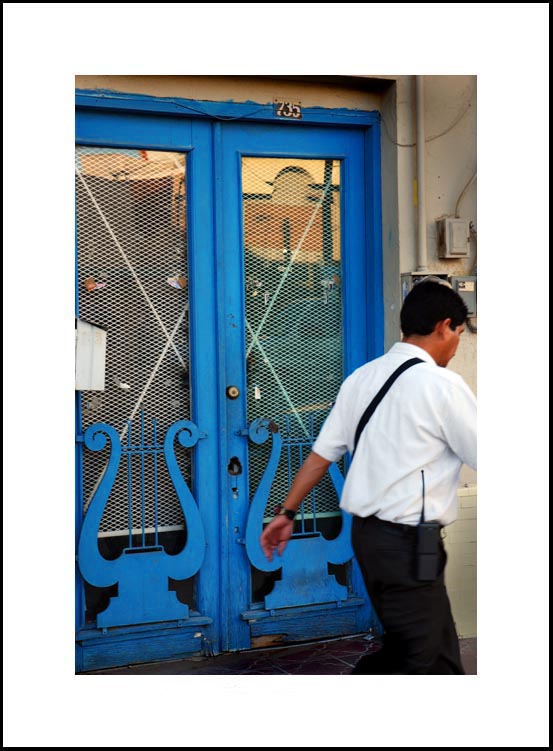
There hasn’t been so much gunfire in Juarez since 1910. Since Jan.1, there have been over 230 drug war-related murders.
There was a time in Juarez -bourgeoise and ugly Americano, for sure, but what the hell- that it was just the old fashioned sins: getting drunk, dancing, straggling around with whatever “date,” that’d allow you to put your hands on her ( or whatever) and, if you survived, you crawled home over the bridge to El Paso and woke up late the next day.
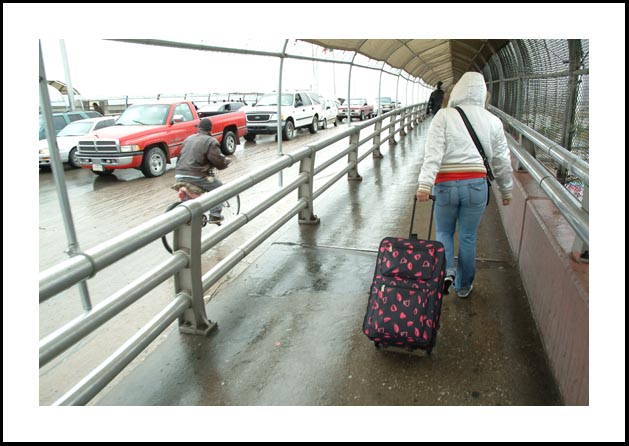
PHOTO OF THE WEEK: May 2-9, 2008
The Paso del Norte bridge between Juarez and El Paso. This is a bridge in hell.
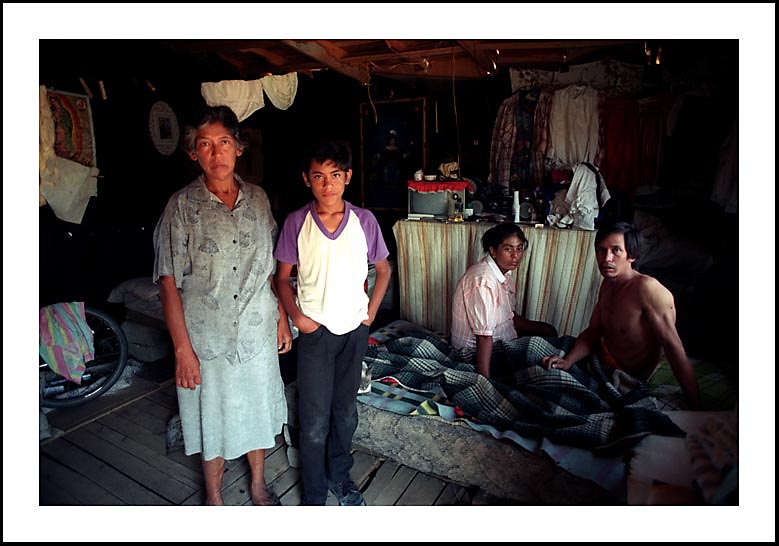
PHOTO OF THE WEEK: April 25-May2, 2008
The Silva family came to Juarez with the intention of crossing the border, into the U.S. and then traveling to the Midwest, where a family member had preceded them. They intended to work in agriculture in the wheat fields of Kansas. A dream. The American dream. It wasn’t to be their dream.
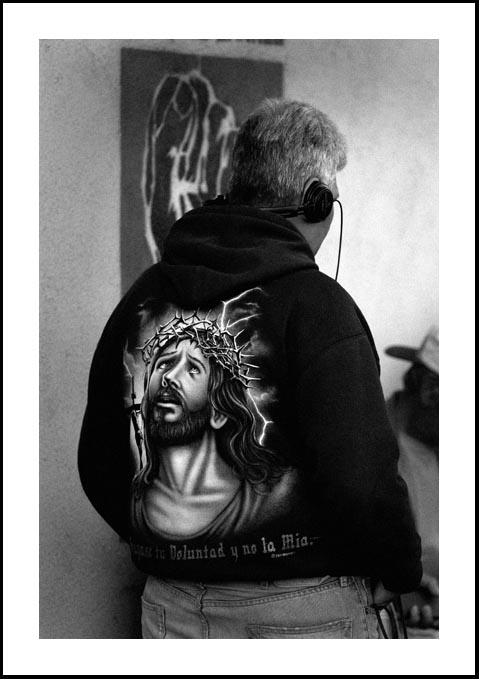
PHOTO OF THE WEEK: April 18-25, 2008
Headphones Ninth Street and Oregon. The first street north of the border in El Paso, Texas. Jan. 31, 2008.
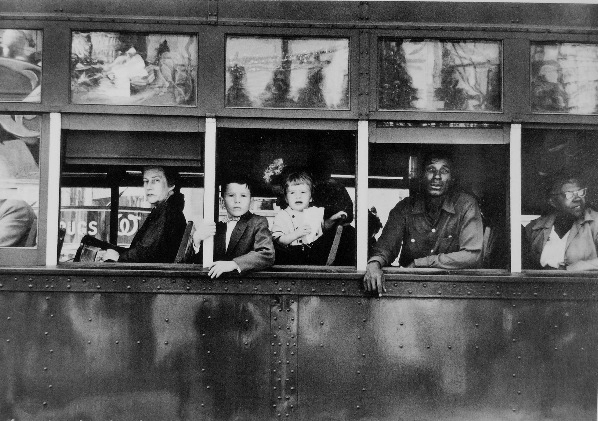
from The Americans
Robert Frank
b. 1924
“I am always looking outside, trying to look inside.”
This is da man! King of the road. He saw what everyone saw but he saw it through a 35mm camera and with a critical eye. To look at it now -the Global Village which used to be just America- needs a new eye. The question has been out there for awhile: What have we become?
PHOTO OF THE WEEK: April 11-18, 2008
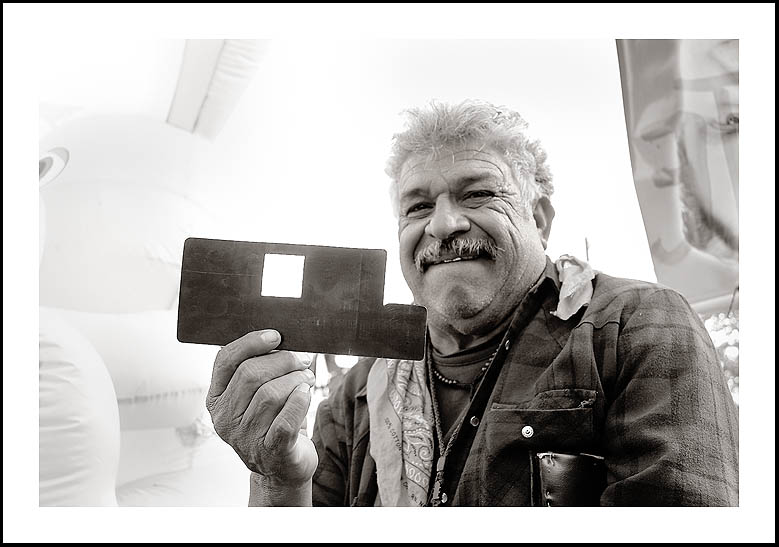
Polaroid Corporation announced in early February that they no longer will make Polaroid instant cameras or film.
This announcement, world wide was greeted, mostly, by a collective shrug of the shoulders and a “ho-hum.”
For Juarez street photographers the news was immediately alarming, living-threatening, and was a call to action for a new learning curve to transition to digital photography.
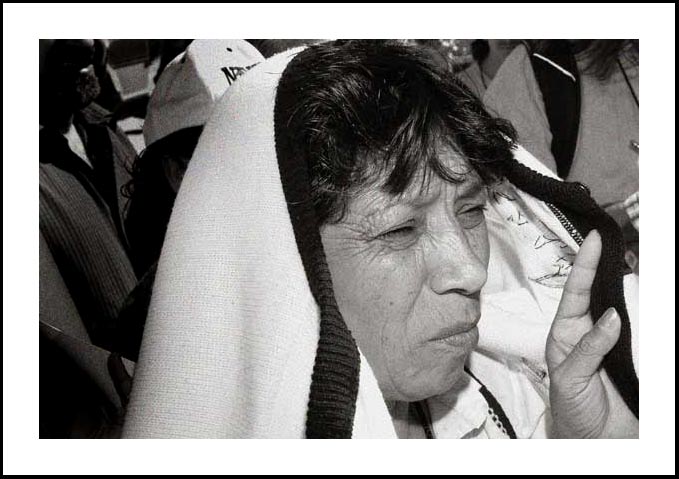
PHOTO OF THE WEEK: April 4-11, 2008
Juarez is in flames right now.
Drug war is raging. I’m calling it a drug war. It’s a lot of things war. Always is.

The mainstream of photography, from its inception, has been Documentary Photography, the straightforward act of visual description for distribution to an interested audience. Some would argue that its utility as a means of information has passed and that other media -video for example- serve that function in more effective ways.
Hog wash.
Still photography is the perfect abstraction of reality. It is based in reality, works best when trying to describe reality and becomes pure magic when used in the service of learning -usually beyond the control of the photographic practitioner.
Check out the new and updated Blogroll (right) and suck in the inspiration and knowledge that these documentary photographers provide. Nothing, for me, does information better than photography.
See and feel the work. That’s why it was created.
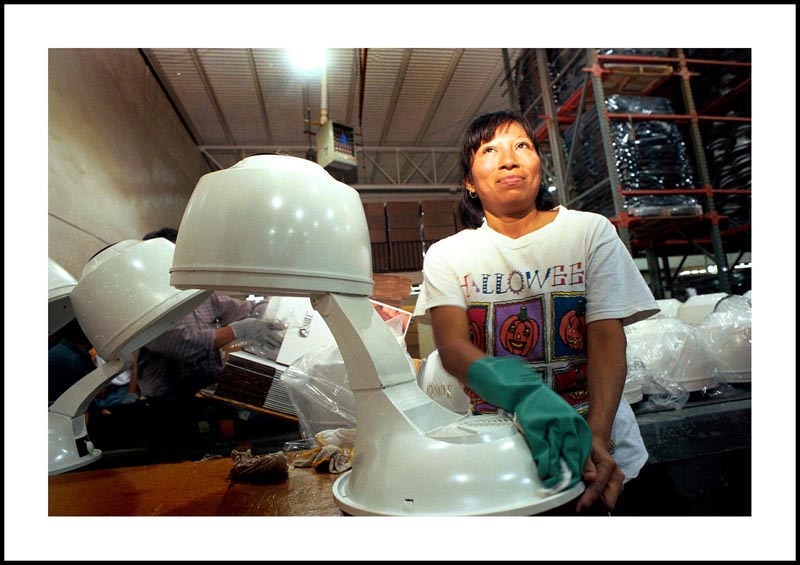
Banks lend money to Americans to buy homes they can’t afford. The homeowners live in a dream bubble, the American Dream bubble. The lenders sell their paper and ride off into their millionaire dream. Everyone’s dreaming.
In Juarez they’re dreaming too.

Leap into the river with two names
Leap Day in the Leap Year 2008. Let’s all take a leap. Come on…why not!
This boy and his friends use the river with two names as a playground, a swimming pool, a back yard.
Why not.
Prounouns
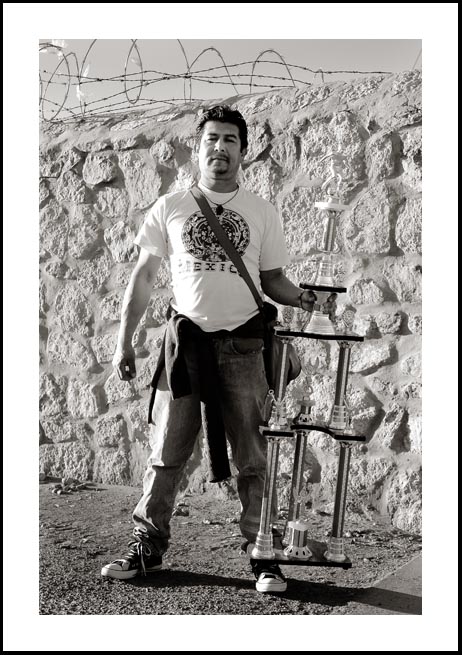
Working on my series, “Lives Separated.”
Jesus come over the bridge from Juarez with this giant trophy.
“It’s the trophy we got for playing Juarez, we played Juarez football (soccer),” he says not saying who “we,” or,”they,” are.

Maria Monteros Rodriquez had been looking for her daughter Carmen for days. She had disappeared without a trace from their central Juarez home.
PHOTO OF THE WEEK: Jan. 25-Feb. 1, 2008

You can leave the border but the border does not leave you. My head snapped when I saw Roberta Flores, up in New Mexico.
“Terrific hair,” I yelled at her. “Gelled,” I asked?
“No,” she said with a sly and proud smile, “Glued,” she shouted back, with a grin that sort of said, “gotcha!”
“Did you get that done around here? ” I asked.
“They don’t know how to do that around here,” she spat, friendly but gently ridiculing.
PHOTO OF THE WEEK: Jan 4-11, 2008
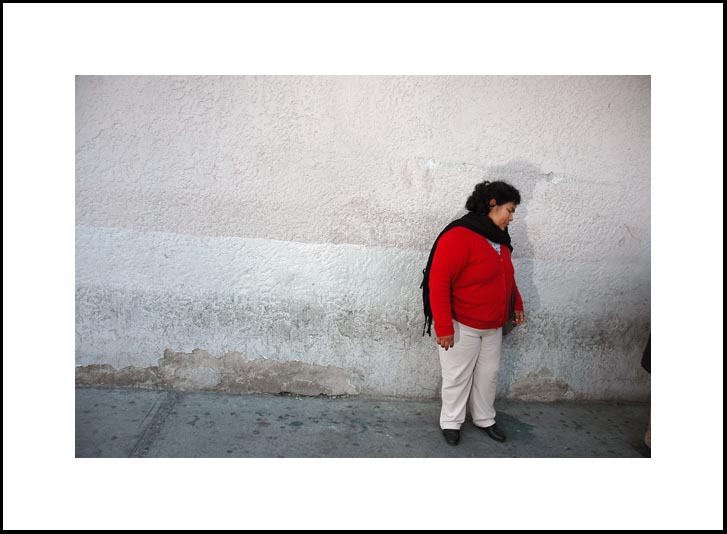
Editor’s Note: To understand this week’s photo it might be useful to read the background of the story of the struggle of the people of Lomas del Poleo. Link number one is two years old, but is, I think, a fair history of this situation. The situation has gotten worse. Link number two is a video discussing the bi-national plight of people who are in the path of “development,” and are facing forced displacement. Another option is to google Lomas del Poleo.
Beware: Knowledge is trouble.
http://www.annunciationhouse.org/news_winter2005_dispute_en.html
http://www.youtube.com/watch?v=tEqkytwHQ5s
____________________________________________________________________________
This was a sad day, one that has been coming for a long time. The confrontation at Granjas Lomas del Poleo, in Juarez is coming to the tipping point.
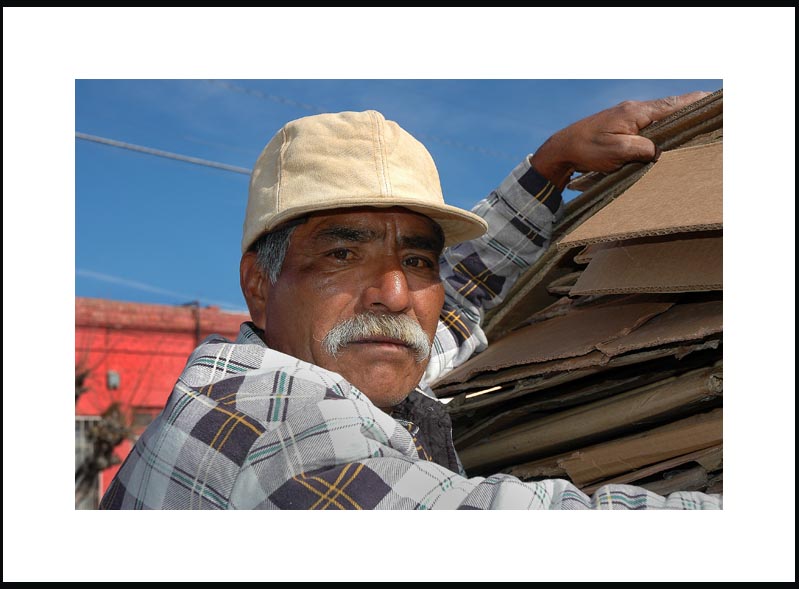
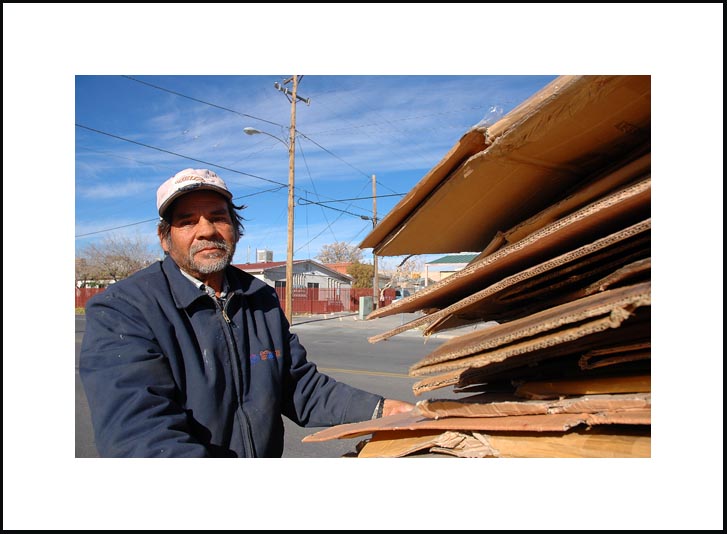
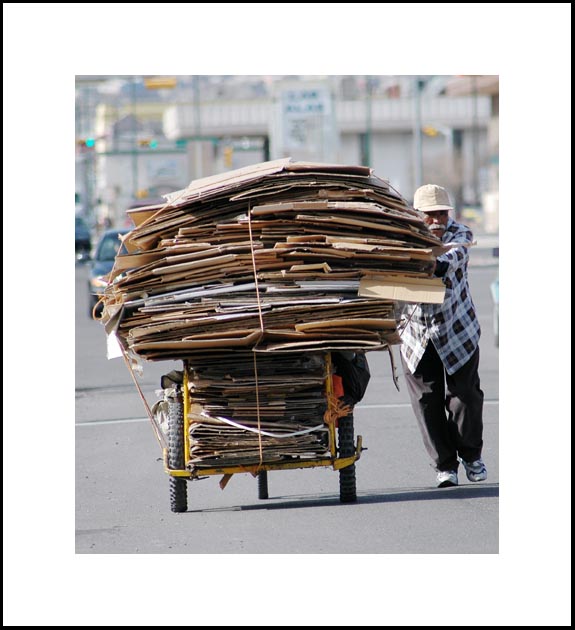
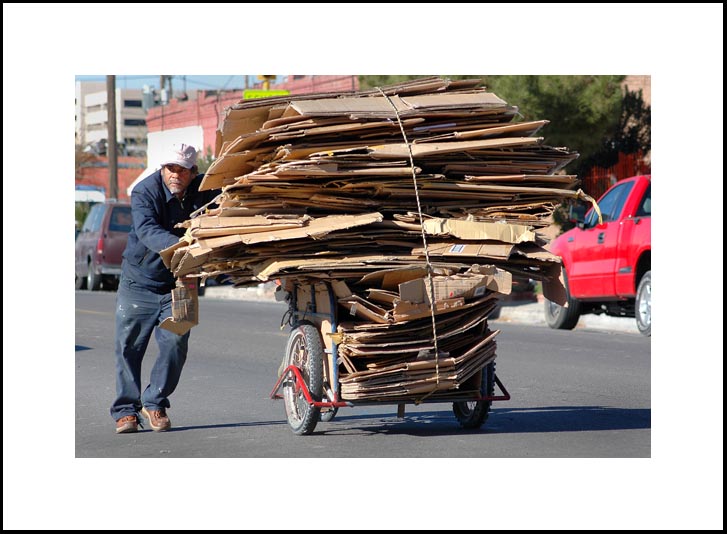
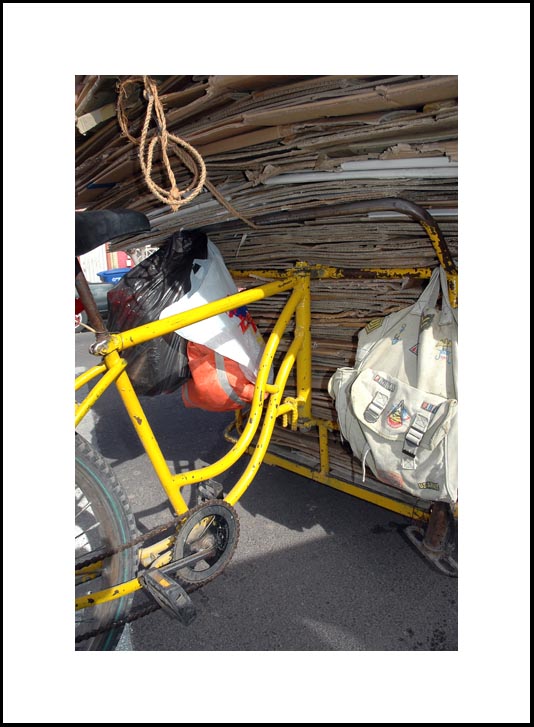
Los Cartoneros
In a desert, on the border, nothing much gets wasted.
Cartoneros, paper haulers, collect discarded and surplus paper and card board from border streets and from border merchants and haul it on their customized ” tricicletas.” They then sell it to scrap buyers, located about a mile from the border shopping district in the Segundo barrio.
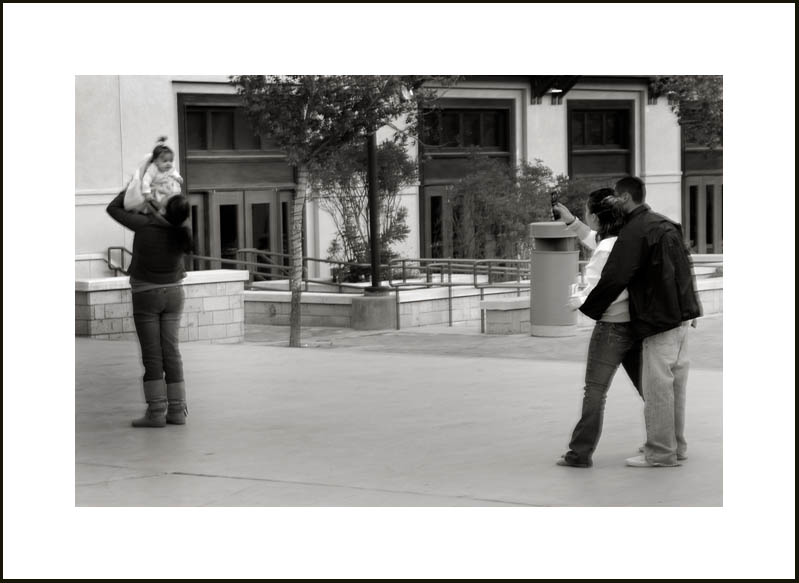
El Paso’s El Centro, the downtown, is packed with people at Christmastime. Unlike most cities of the southwest and of the rest of the United States, El Paso’s downtown is alive and bustling at all times of year, but especially during this season.
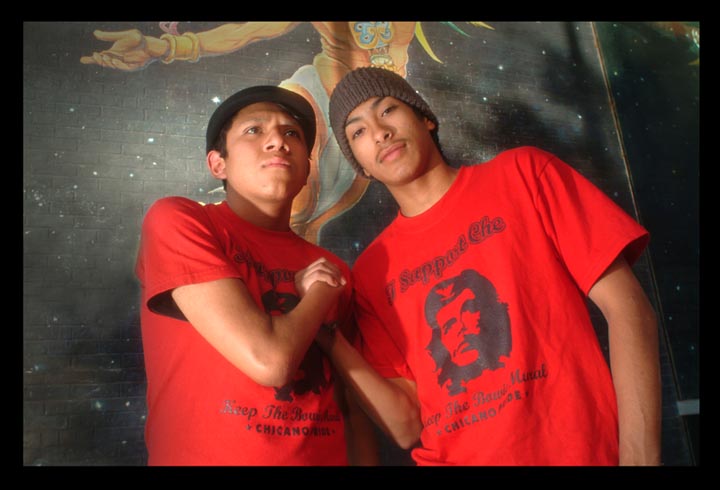
Spring and summer of 2006.
“Revolution,” in the streets. Faux Revolution? Revolt. Spurt of protest? Quien sabe?
Remember? The immigration demonstrations and walk outs?