Search results
250 results found.

On The Edge of the Edge – The U.S. – Mexico Border
250 results found.
Opinion/Observation
by Co-Editor Bruce Berman
___________________
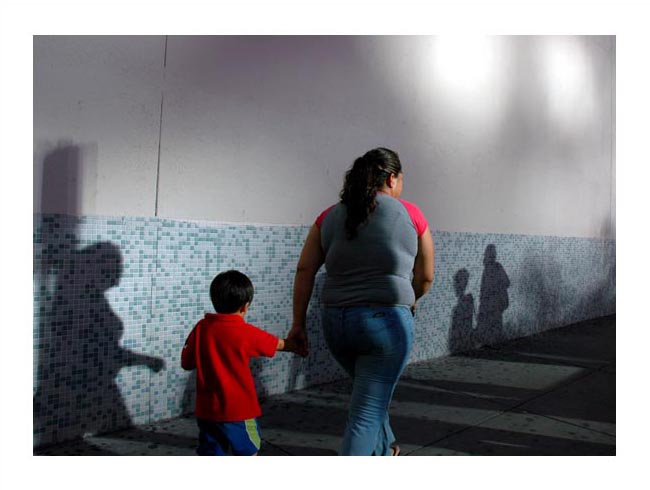
I drive my old routes. Camera on the passenger seat or my lap. As always, these days it usually stays there, untouched. There are things along the way that spark memories. Object that aren’t there anymore. Gorgeous commercial signs constructed by craftsmen in the 1950s and 60s (not the least of which from the Jimenez Sign Company) were carted off to other cities that were twenty years ahead of El Paso in their bourgeoisie ambitions.You can drink under some of El Paso’s “Motel, Vacancies,” signs in various bars from Austin to Houston to Baton Rouge. There’s a withering away now, aging and weathered, but mostly not endearing anymore, not worth stopping for (to make images). There came a year, a month, a day when the treasures of El Paso were either gone, carted off or just left to rot.
There are whole swaths of this incredible and authentic city that are gone, at least for the long gaze of a photograph: Alameda. El Centro (downtown). Segundo is shrinking fast, bordered by El Paso Street on the west (with nasty tentacles of them all over it) and Cotton on the far east, with old residents living out their days, youth getting out fast and them with their bulging eyes all over it. Off of Delta there are condominiums and some revamped industrial buildings, residents living an almost urban lifestyle (sans humanity). Even the Gay Bars have fled, a sure sign of urban renewal/removal.
It’s not my job to do anything about any of this. My job, as I saw it, at the beginning, in 1980, was to give face to a face that was not known and I have tried. As The Grid lays out its future in the city with two hearts, it’s clear to me that my mission isn’t to pick sides in land rights, power exchanges, or to watch -or judge- the inevitable blandification. But blandification has come. Oh happy day. Some loudly exhale and go, finally! The city is becoming presentable to visitors again. It’s cleaner. It’s newer. There’s baseball. Soccer is coming (watch out Chamizal! The final blow that started in the mid 1960s is finally here). There are restaurants with the preface Le with Foo Fo thing-a-ma-jig dishes with little portions of things that look like they squiggle -vegetables- on top of things it’d be hard to identify below. Fancy. Plates of Foo Foo. There are young people downtown again, well, the kind of young people that look like they’d also be comfortable up in Kern Place on Cincinnati and the upper Westside.
Finally, there’s a Starbucks downtown near the Plaza and the Westin. The kids from the ‘hood can serve the hipsters that come in from outer Zaragosa Road and beyond.
Boring? Not to everyone and I wish them the best. I am not part of this. I left this scene in three other places I lived before this very long stretch here. It’s the same message: you’re in the gentry or you’re equitied out of the gentry.
Editor’s Note:
Check this video out.
When Americans talk about the violence in Mexico they often view the situation through “western” eyes, thinking of Good Guys v. Bad Guys.
As this Al Jazeera report shows, the conflict is often between Bad Guys and Badder Guys and the public -the oppressed people of Mexico- have to stand on the sidelines, knowing but unable to alter the situation.
This video asks, Where do you turn when there is no one to turn to?
Commentary by Bruce Berman / Video by ©Al Jazeera 2014
There’s something happening in journalism.
When Aljazeera -who shouldn’t give a hoot about what’s happening in Mexico- publishes a well done piece on police kidnapping in Mexico, when Mexican journalists go ahead and publish their own work, under duress, knowing that to publish is to perish, and increasingly the xenophobic U.S. press dithers on entertainment and cheesy presidential inanities, we are talking about a new arrangement of the deck chairs on the the good ship journalism.
The truth is that most American newspapers and magazines aren’t undergoing the huge transformation they are experiencing in a vacuum. It’s not that hey are not irrelevant. They are merely irrelevant as the source for hard news (at a minimum) that relies on being the “go to” media.
For the most part, they are not that any longer.
If there is one source “out there,” it will be Tweeted or Posted on some social media site, within minutes, and then the fun begins. From there, people will Retweet it (RT), add links or complimentary sources and then the multiplier of social media begins. The question isn’t, Are you getting the news, but, rather, How much can you take?
Of course the eternal existential question remains, What happens when there is no longer a source of information (such as the New York Times. Sky News, CNN or Fox, i.e the “media giants?
This is not likely.
VIDEO
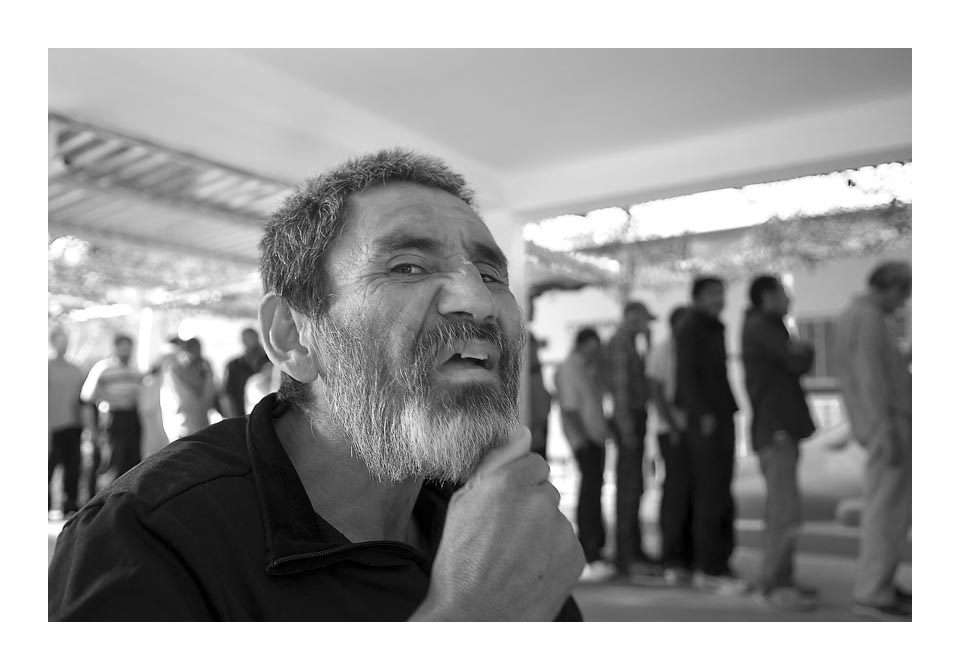
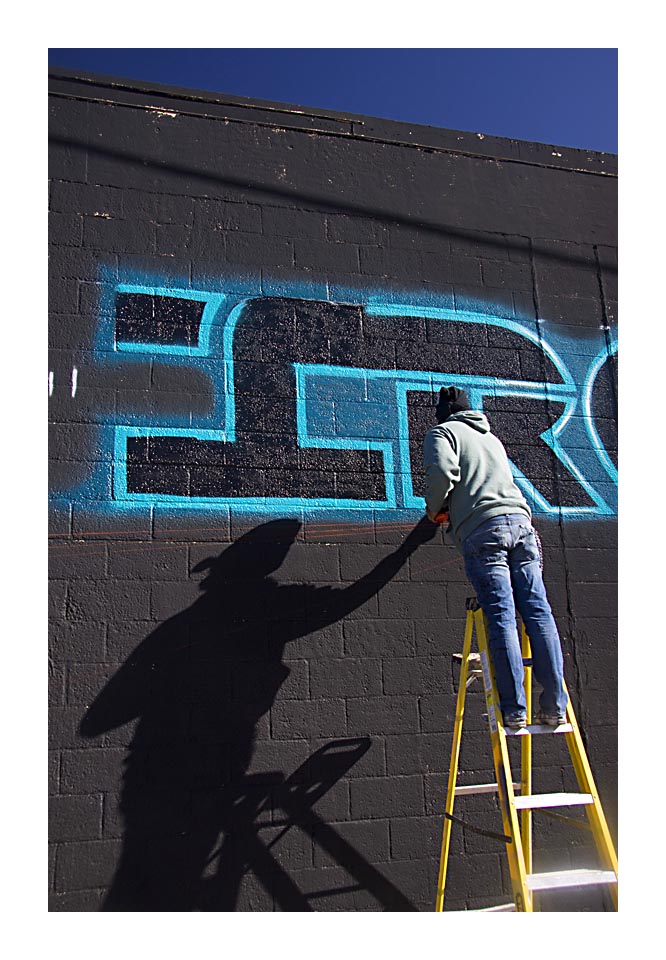
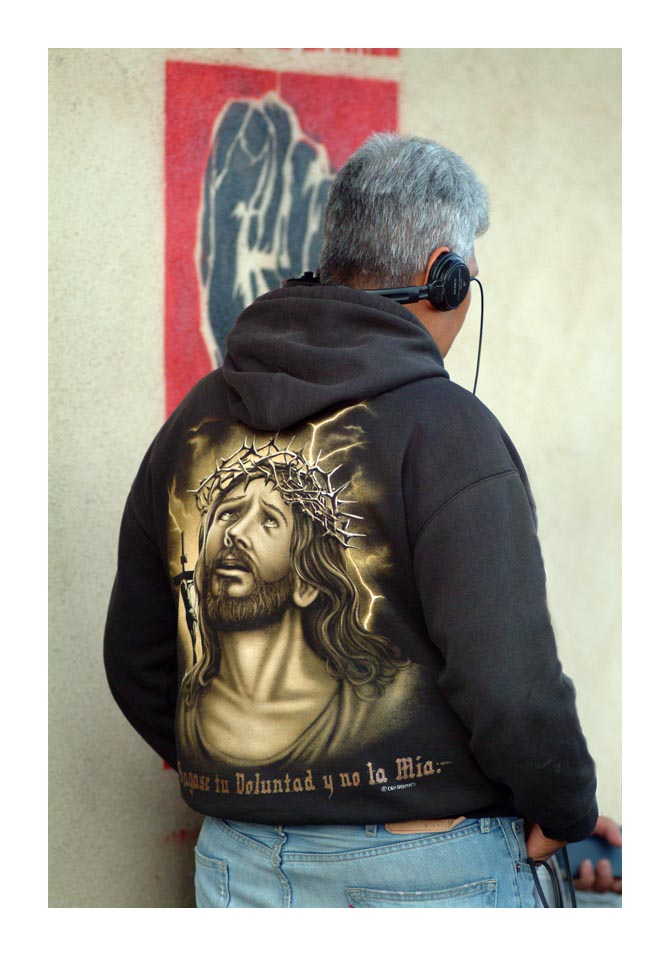
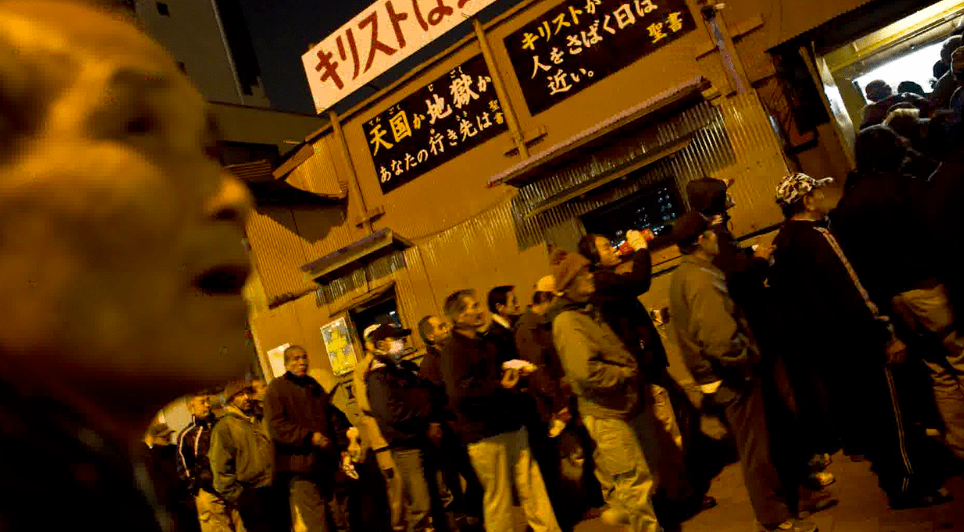
by Shiho Fukada:
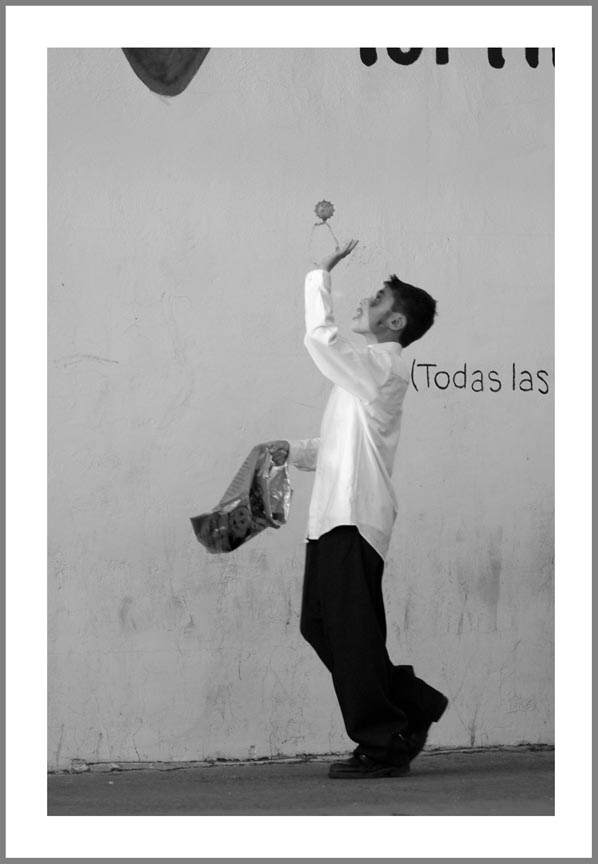
Text by Bruce Berman (in full snide mode)
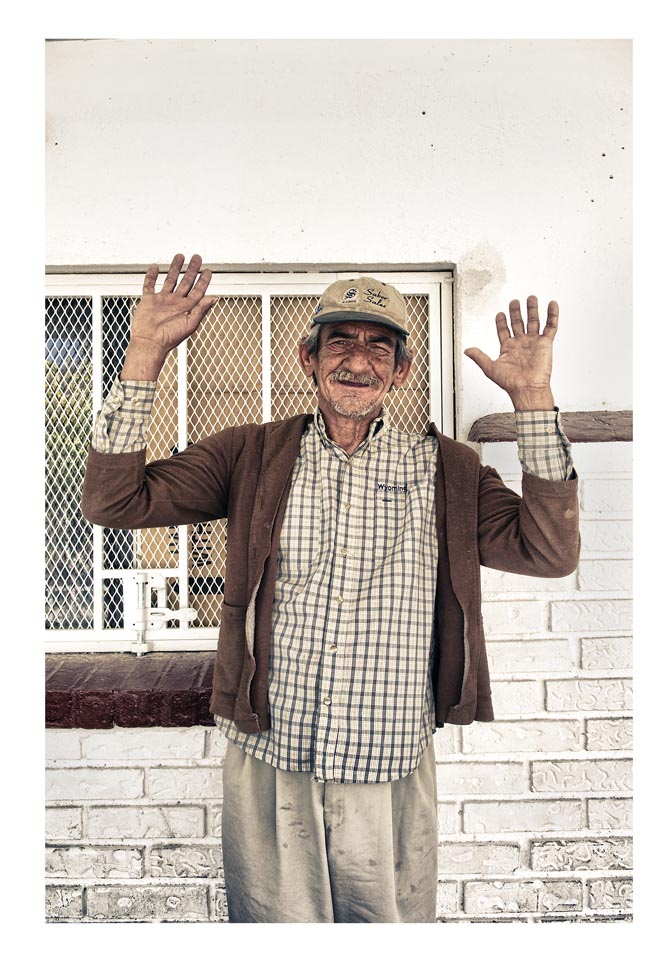
Halloween is The Great Day in El Segundo barrio. The ‘hood comes alive. People are pouring over the bridges heading from Juarez on the candy quest. People in the neighborhood put on the costumes and come out of invisibility. The first block of America (6th and El Paso) is a riot of laughing and color and wild abandon.
Nothing is sure on this border in this neighborhood anymore. “They” are back! The Developers. “The 180s” aren’t around on this day. The Developers, their Pol puppies, the Gov. employee “Good Germans,” even the The Do Gooders (even if they are really the Do Badders). That’s what I have come to call them all. They say something and if you want to find out what they just said just think 180 degrees opposite from what it was. Most of them are up in Kern Place handing out candy, their yearly contact with the rabble. They’re all afraid of the people when they have fun.
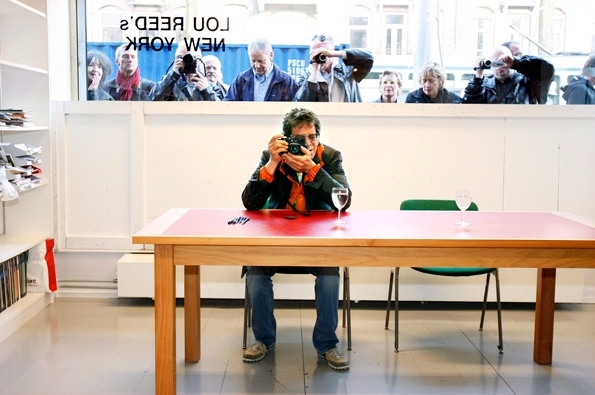
LOU LOU LOU
The News floored me.
It’s like New York vanished.
Guilliani couldn’t scrub it.
Bloomberg couldn’t.
It’s your city Lou.
You were the grit and the soul man.
So now it’s time to fly away.
“How do you Speak to an Angel” you wrote and asked:
You just say – Hello, hello, hello Baby
Check it out. See you there. Say hi to Andy.
Miss you. The thought of you.
You were always a kick in my pants.
Walk on the wild side.
No doubt.
The great beyond.
Somewheresville.
See you there.
Read more on Lou: http://www.rollingstone.com/music/pictures/lou-reed-through-the-years-20120302/lou-reeds-new-york-0842024#ixzz2izX3o2uER.I.P.
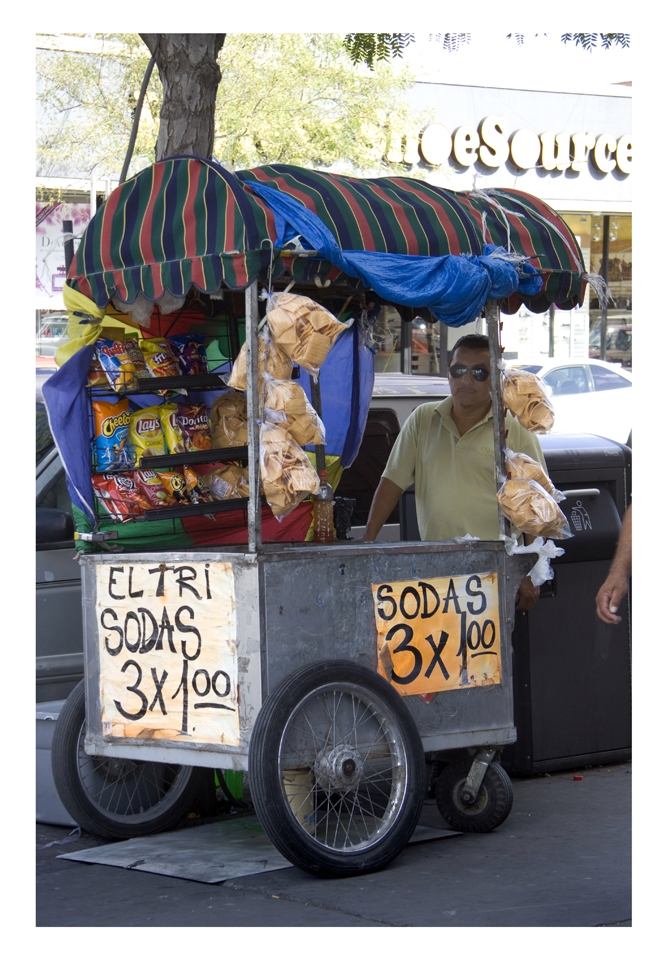
Commentary by Border Blog Editor
El Paso Street in El Paso. It’s the first block of America. Or the last block of America. It depends on which direction you’re headed.
Going north it’s the first. Going south, it’s the last, the next block is Mexico.
This is a street of life, bulging with people, an array of goods from school and household supplies to clothes to audio stuff to high heels to T-shirts with everything from Revolutionaries to cartoons on them. It’s juicy, alive and has texture and odor.
It’s 3D street.
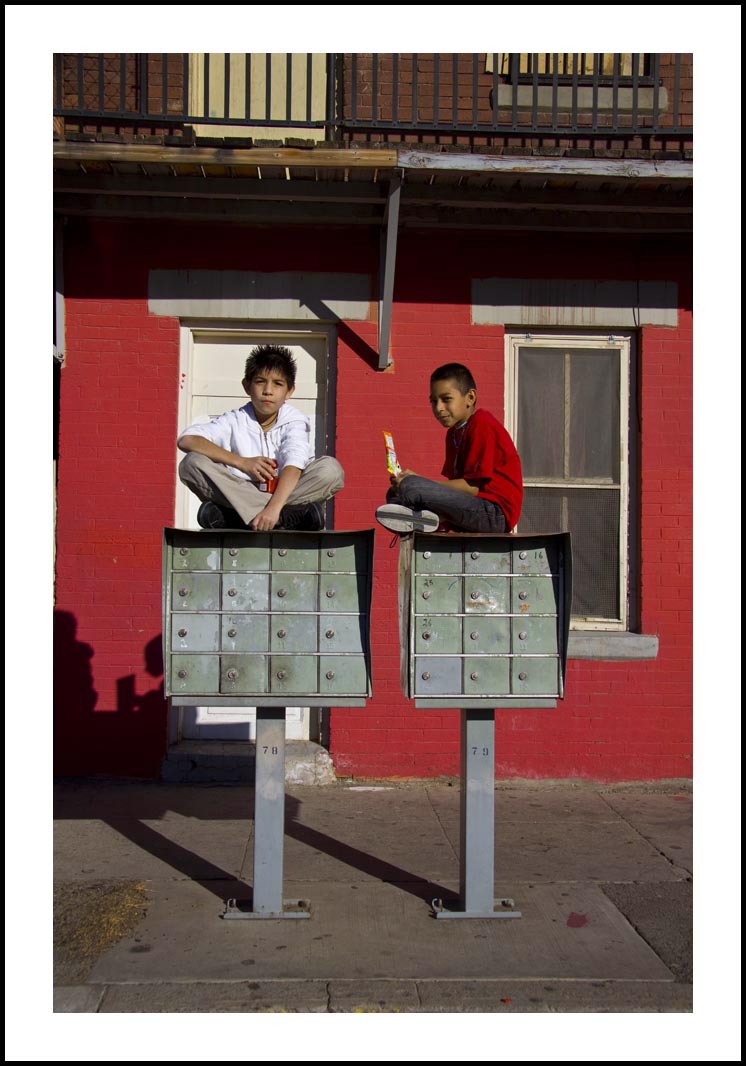
The Shrinking Segundo Barrio
by Bruce Berman
El Barrio, The Segundo, is shrinking.
It’s getting the squeeze. The squeeze has been coming for a century or more but it’s a full assault now, and a generation that had roots in the ‘hood, that was born of a time and place that demanded they fight, is no longer there in numbers and possibly not there in energy and historic resentment.
The neighborhood is being squeezed from the north with the Dreamland Downtown Plan back on Premium and from within. A proposed Science museum in the old Armijo School would be the death blow.
If the deathblow can be delivered to an already dead corpse.
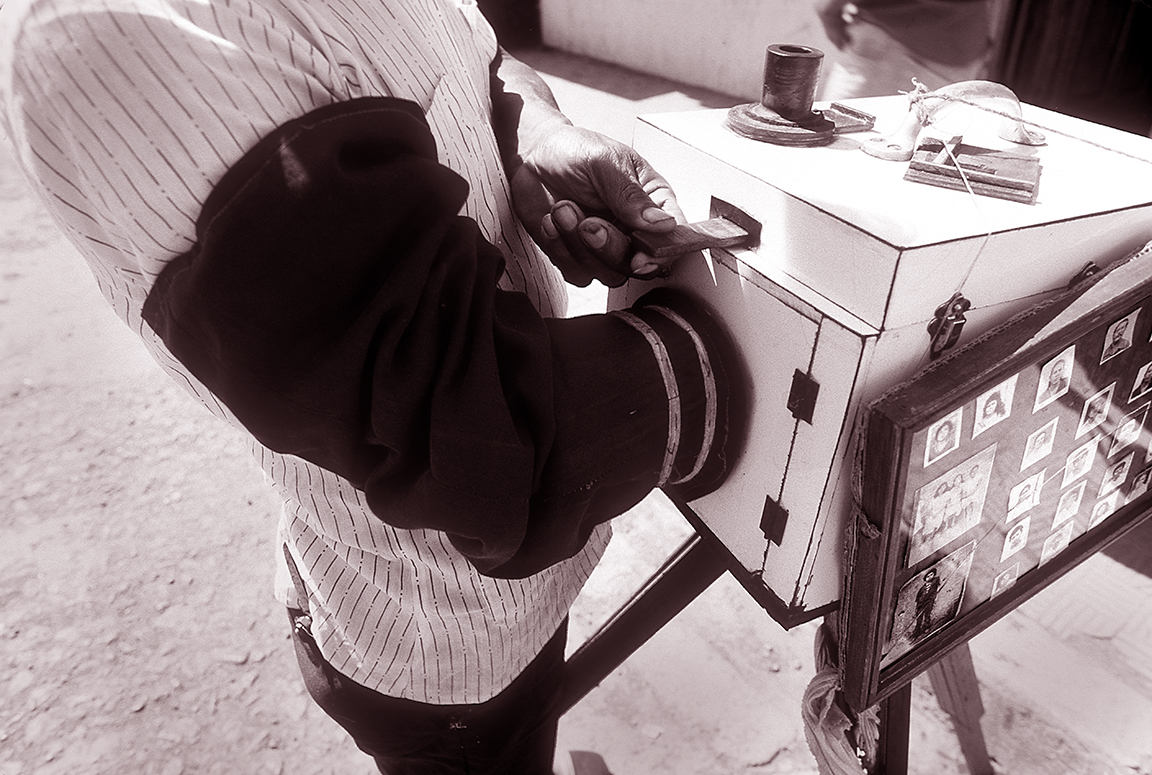
This photographer in the Plaza of Granada in Nicaragua is developing a portrait that he just made. Inside the box are the normal developing chemicals of Developer, Fixer. Once he has the photograph captured -on portrait size paper- he goes inside the camera through the light tight sleeve and goes from one mini tray to the next until he has the image “fixed.” He then pulls the photograph out and washes it on a tray of water that he has set up in a little bucket attached to the tripod under the camera.
His process was not as fast as the 60 second time for a Polaroid, but, close!
CORRECTION:
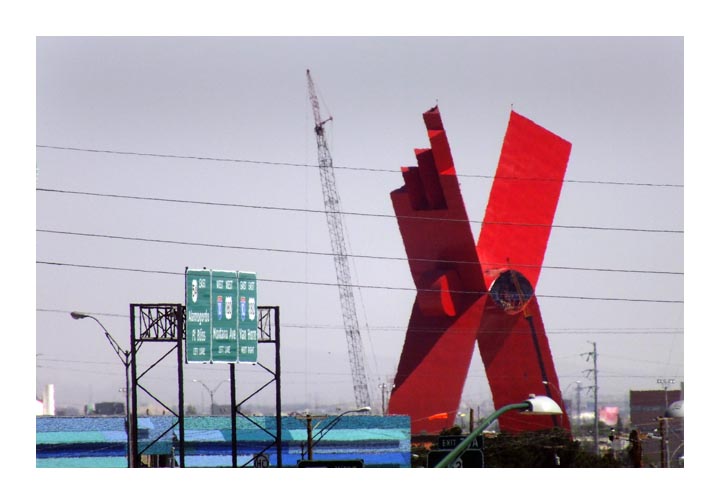
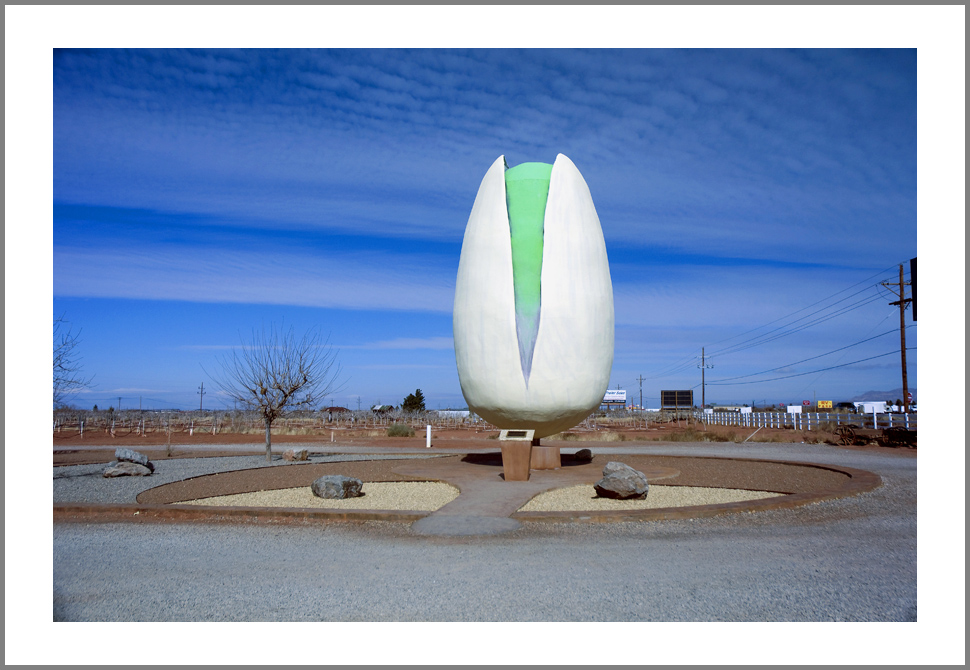
Just got a very welcome announcement from a Border Blog viewer. He pointed out that the above image is a representation of a pistachio not a pecan.
Correct!
We don’t have much of a defense, but really, when this was posted on April 24, your Border Blog photographer, Bruce Berman, wasn’t much Bruce Berman either. That’s what happens when one “does what one has got to do as opposed to doing what you do.”
We at Border Blog are pleased to announce that the real Bruce Berman is back, on the border, three blocks from the bridge, in his decaying ruin, tape -metaphorically- over his mouth, no longer talking about photography but living his life, and making images that, hopefully, will do, as we wrote almost a decade ago, stating our intention to (see the “About” tab above), “…cover the news, opinions and culture of the 2000 mile border of Mexico and the United States, concentrating on the epicenter of El Paso and Juarez. The Border Blog is not meant to be a news source as much as it is meant to be a news ‘feel’.”
Thank you MB and thank you Bruce (but tsk tsk on your caption!).
-The Editors
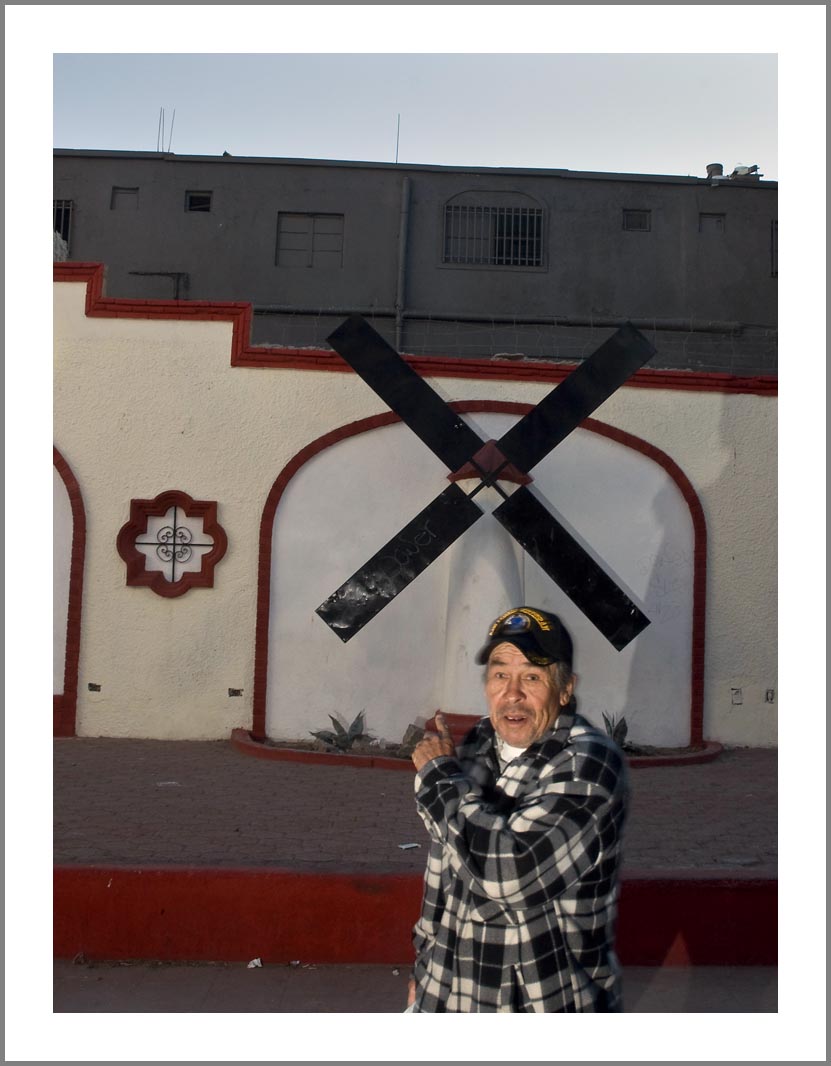
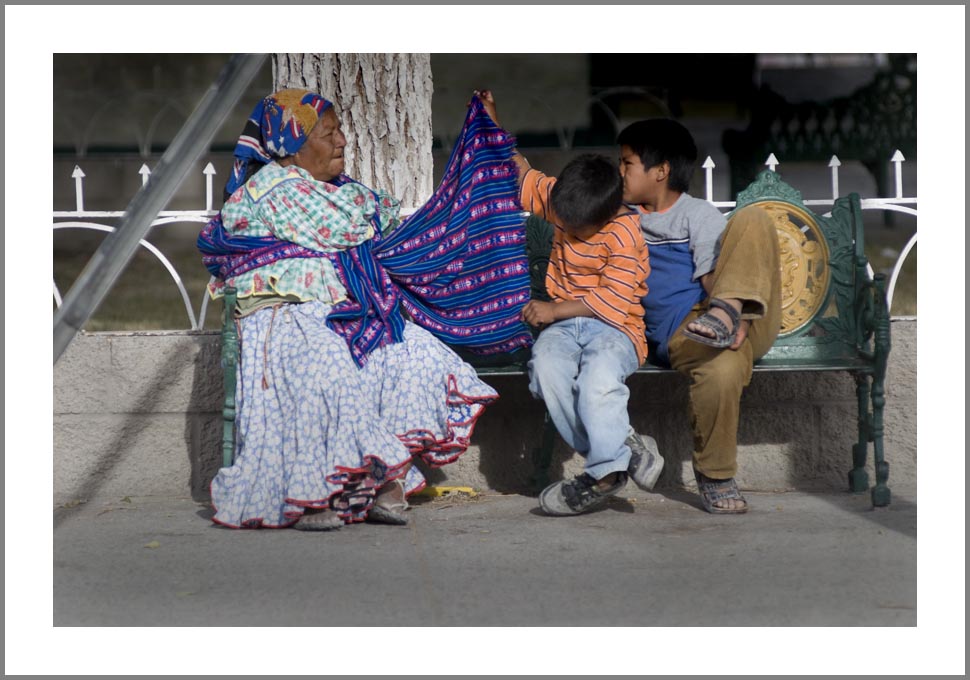
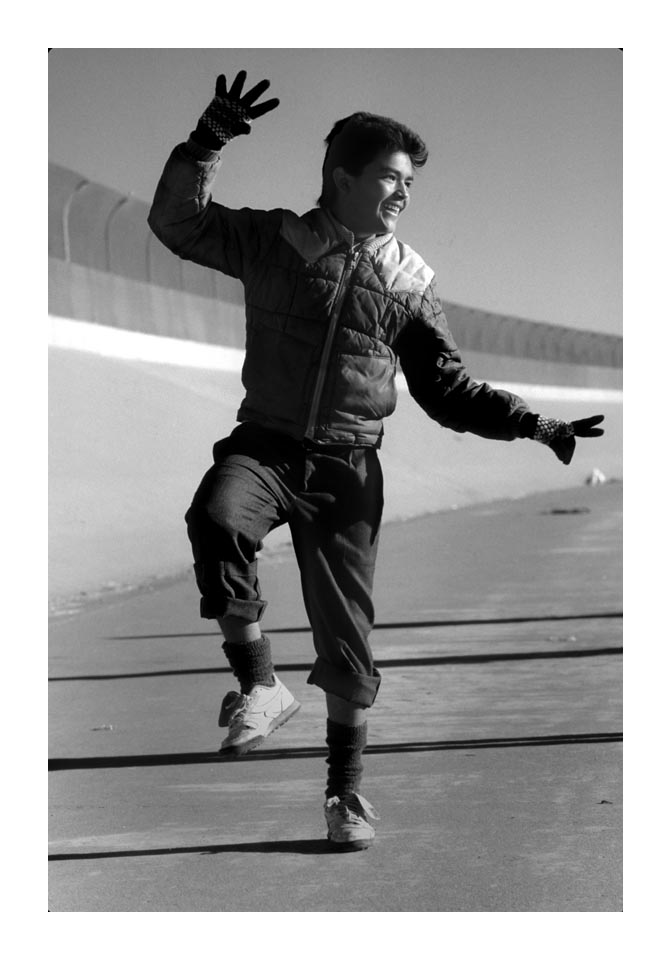
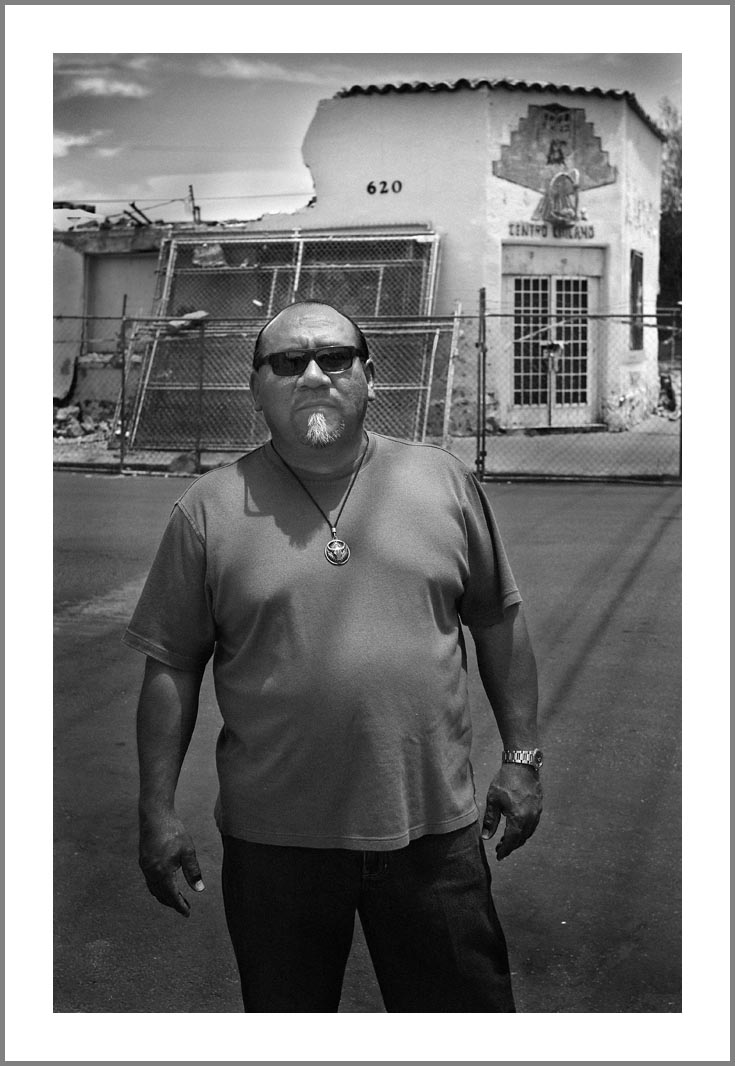
Centro Chicano gone. Rosas’ place gone (goodbye early 19th century, hello Denver to El Paso bus station). Flea market gone (it was so, “messy”). Museo Urbano, barely here and now gone. Koreans on S Street seem to be throwing in the towel, going. Can’t sell to Juarenses that aren’t there. The bi-national plan rising like a phoenix, unchanged and in better shape than it was (thank you Cartel War).
I know where “El Paso,” is right now. Bright New World. Shiny. All’s they need is a theme park and it’s on its way.
But Chicano El Paso, the turf south of Paisano, south side, El Segundo?
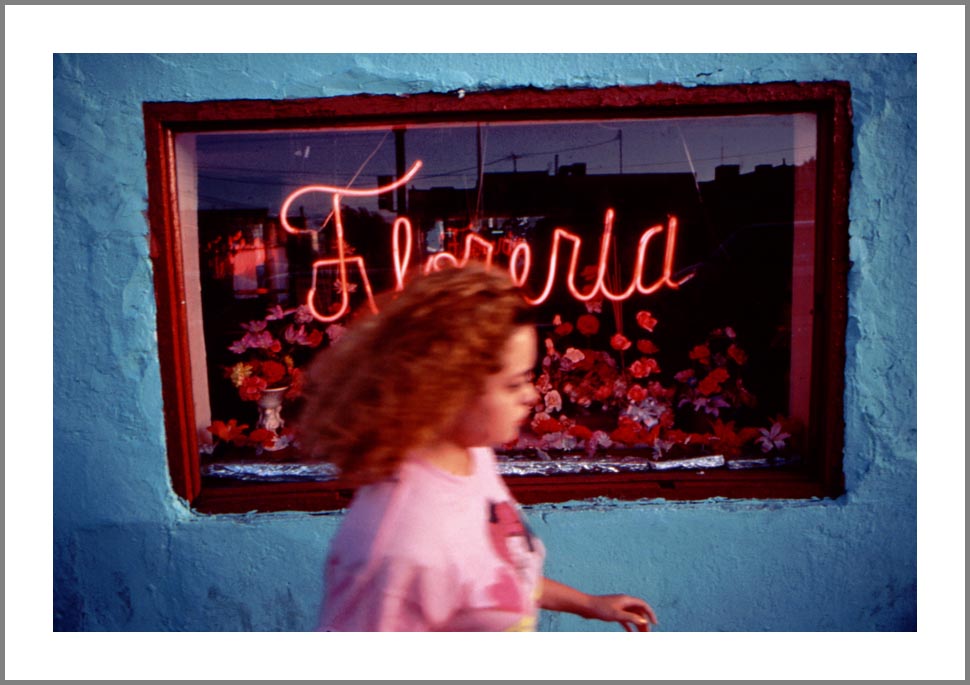
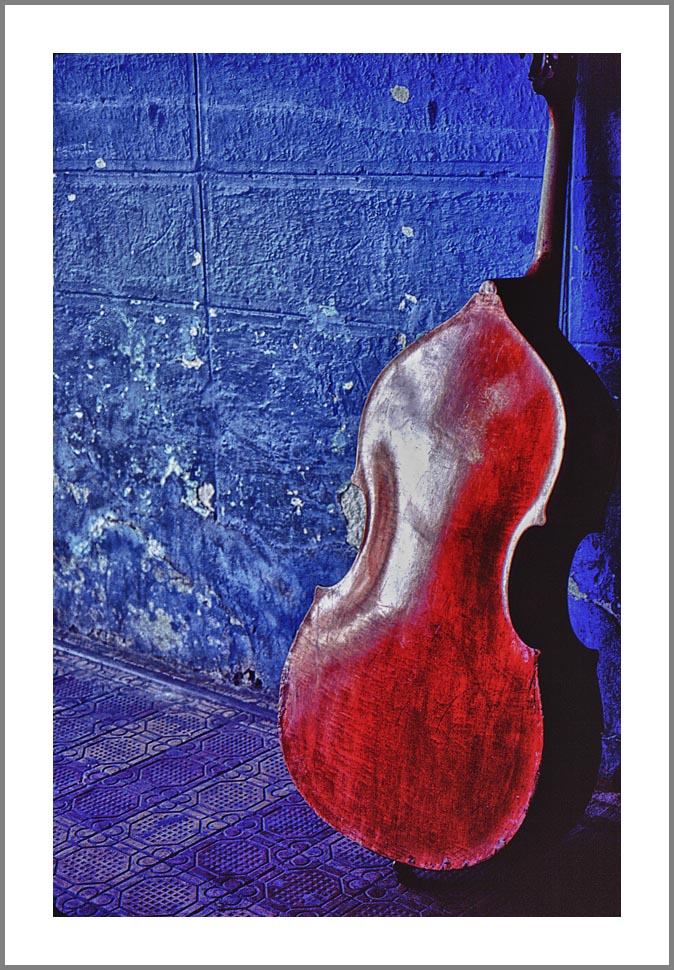
Commentary by Bruce Berman
There are many reasons for music and flowers in Juarez. Marriage, love, marking passages of accomplishment and age and transition. And death. Recently there has been little music and lots of flowers have been offered for goodbyes to loved ones, lost in the war. There are a lot of crossed fingers these days, lots of hope for better times, for the good. It’s been a long “winter” and it won’t go away right away. But there is still a Juarez in Juarez and the one we love is not gone. It had color and style and verve. It will again. There was the sweet smell of gardenias in the night air and thoughts of new possibilities and the violins played music of happiness in the skillful hands of roving mariachi. The Pop sounds of a new generation had begun to fill stadiums, singers emerged from as far away as DF and from within. Juarez was about style and boldness and defiance, a unique culture built over the past century, forged from a revolution and tempered by the shadow of a bossy and boasting neighbor. J town, Chihuahua. Strong, bold and pretty.
It’ll take a lot. A lot has happened.
It will be back. It is coming back (Estará de vuelta. Que se está recuperando).
It is, isn’t it? We hope.
A Dear John Letter to ASARCO
by Bruce Berman
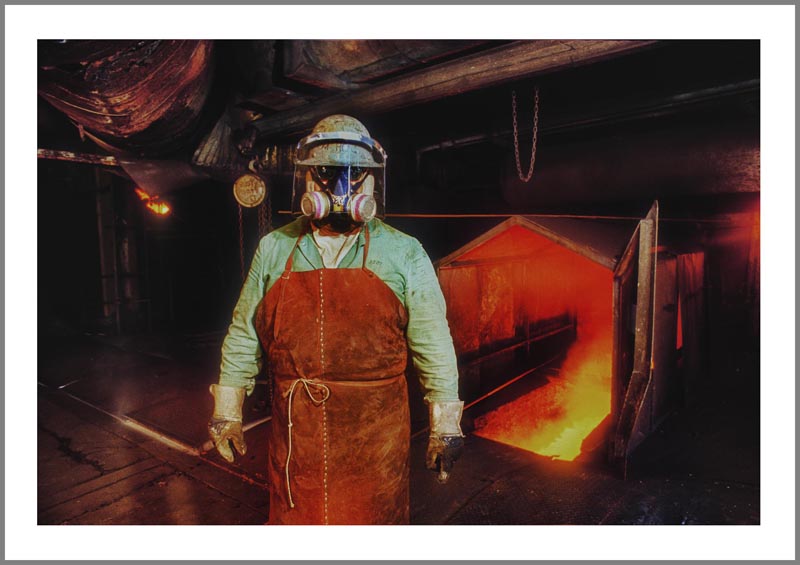
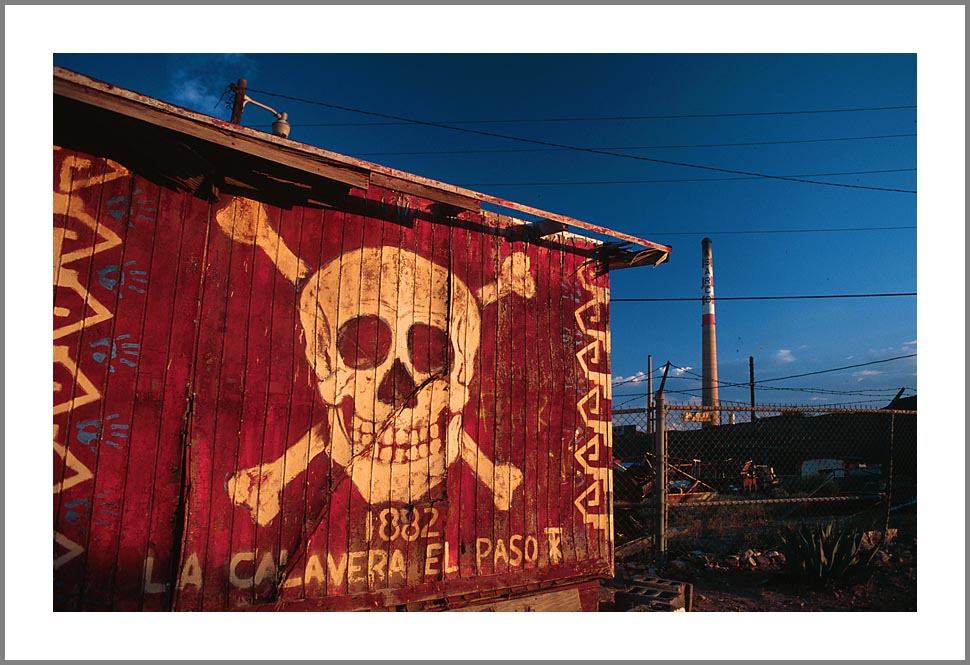
Au revoir ASARCO. You were the spine of the border, a big giant dong sticking up out of the river, pouring flames and sulfur, lead and smoke. The town grew up around you, fed off of you, then outlived you. You looked down on battles and traffic, always with the bifocals of looking at two countries at once. Looking east to El Paso, you looked down on the dusty foothills of the Franklins that became Kern Place and Mesa Hills, the sheik and elite (in its own mind). On the other, looking west, down into the dust and turbulence of Juarez, you looked down onto Colonia Felipe Angeles, which, too was foothills, that became a shanty town which became a barrio which became (shhhh..not quite yet) a path to a port of entry into New Mexico. What a vantage point you have had. When I first saw you I stood up straight, saluted and said, Wow, yes sir!
I dug you from the gitgo, had the pleasure of working inside you, being constantly re-awakened by you, of working inside you near those flames with the weather outside 105 degrees, feeling the comradie of your workers, the satisfaction of being inside something that wild and crazy and productive, a caldron of energy and raw power.
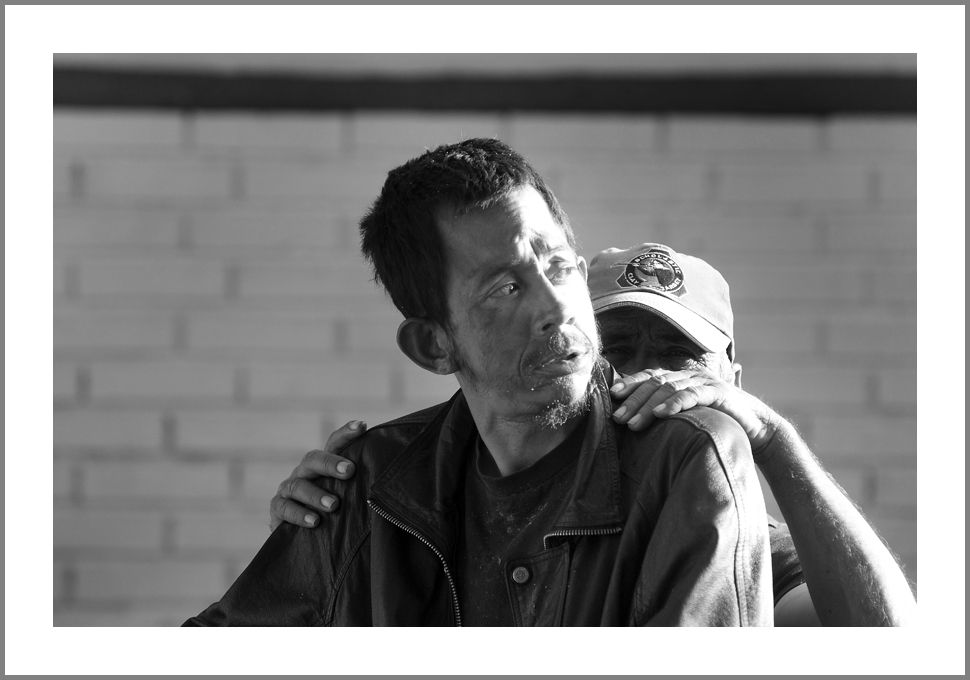
Christmas Eve/El Paso
A Personal Narrative
Lost and abandoned. Christmas Eve reminds me of that, right now, as I look out my south-facing window to Juarez (three blocks away) across the valley of Juarez, to the foothills of the Sierra Madre, where Creamac sits, CREAMAC, the “mental Institution” there, where the people huddle, people with trouble, trying to be warm, trying to make sense of the world, trying to live. CREAMAC, the House of the Abandoned and Troubled and Hurt.
I should be there. Today. Often. More often. I struggle with that. It’s snowing outside. Excuses to stay home, safe, just wrestling my own demons. I should cross the bridge (would my car get back over the ice on the bridge later tonight?), I should do SOMETHING!
Do I?
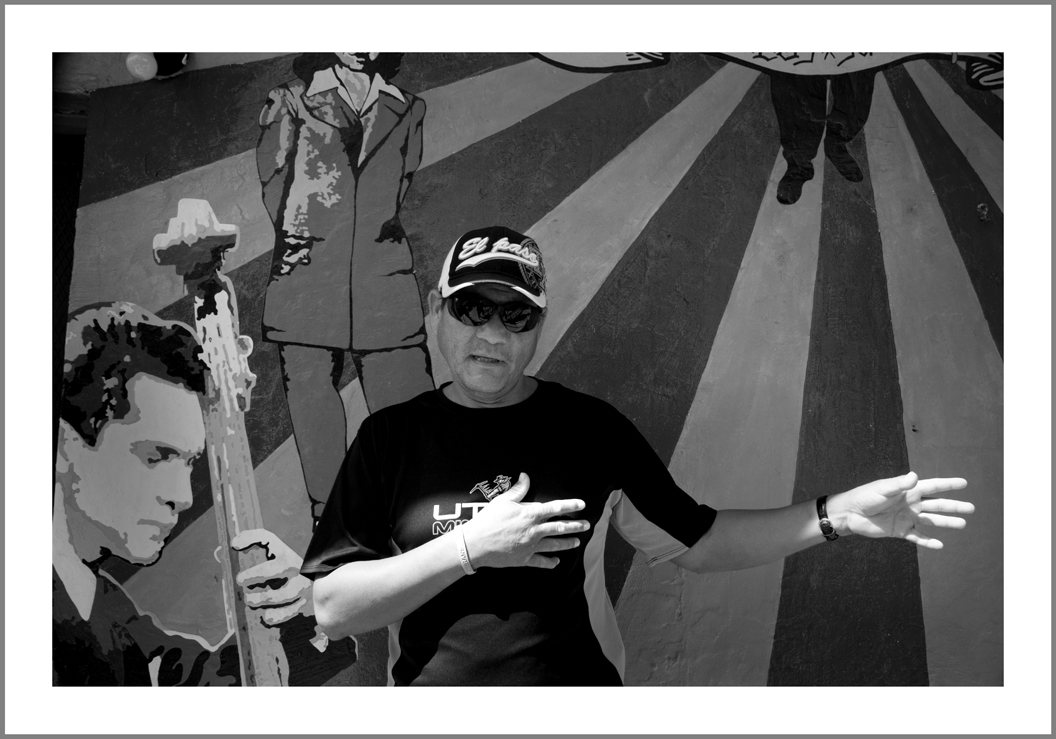
Photo and Text by Bruce Berman
Man from Anthony, New Mexico, describing his younger days in the Segundo barrio.
The Segundo barrio is El Paso’s most historic neighborhood, hugging the border with Juarez, Mexico and architecturally intact from the 1880’s “railroad boom,” that brought fired brick architecture and “Chicago Brick (which is atypical red).” Some adobe structures go back to the early 19th century. This part of the city has had human habitation for thousands of years. Spanish travelers began European settlement at this place in the Rio Grande/Rio Bravo in the mid 1600’s.
The real significance of the Segundo barrio, however, is the Latino community and it is significant. The barrio, historically, was the first “stop” on the journey north to “El Norte,” whether it was a matter of days for rest or for a generation of orientation. Many people in El Paso trace their roots to family who lived in El Segundo barrio in their first years in the United States.
FOR CAFÉ TACUBA VIDEO (and the rest of this article):
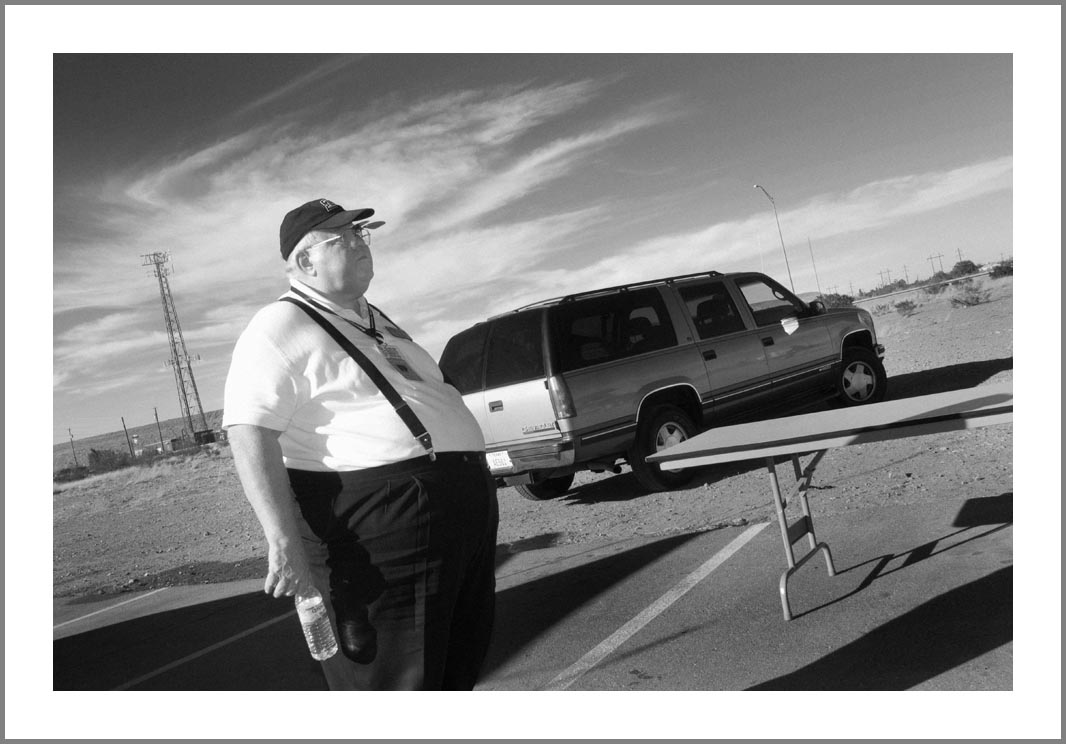
V.I.P. at Robo-Geek Fest, El Paso, Texas
all photographs by Bruce Berman
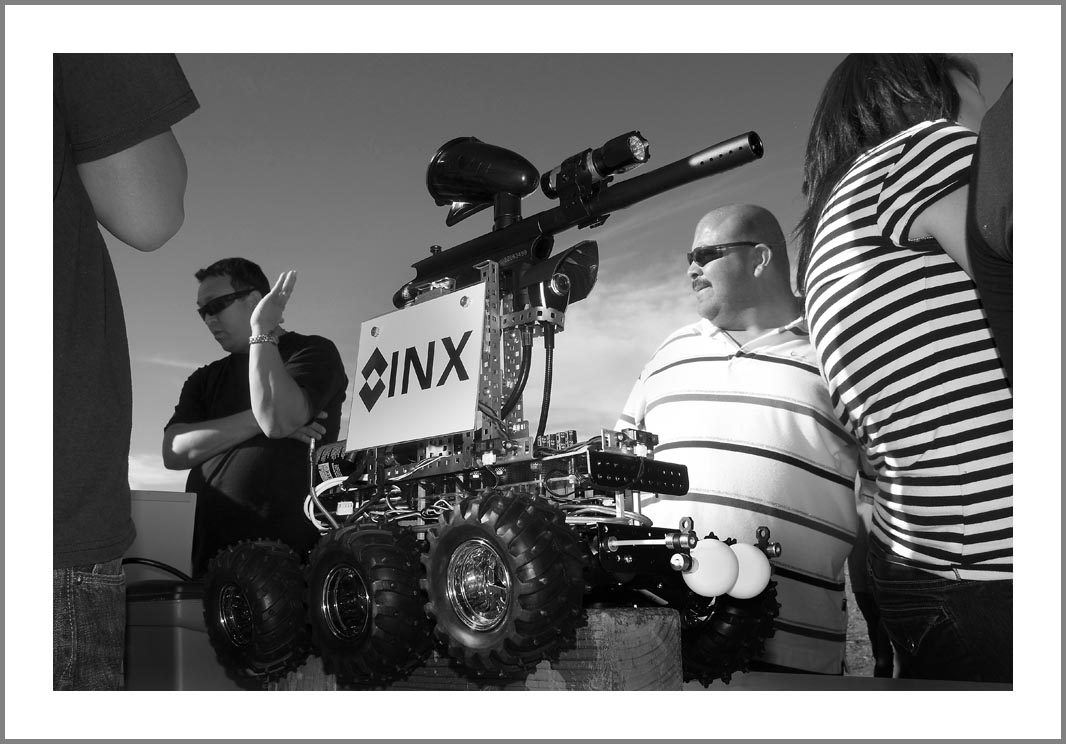
Robots at Robo-Geek Fest, El Paso, Texas
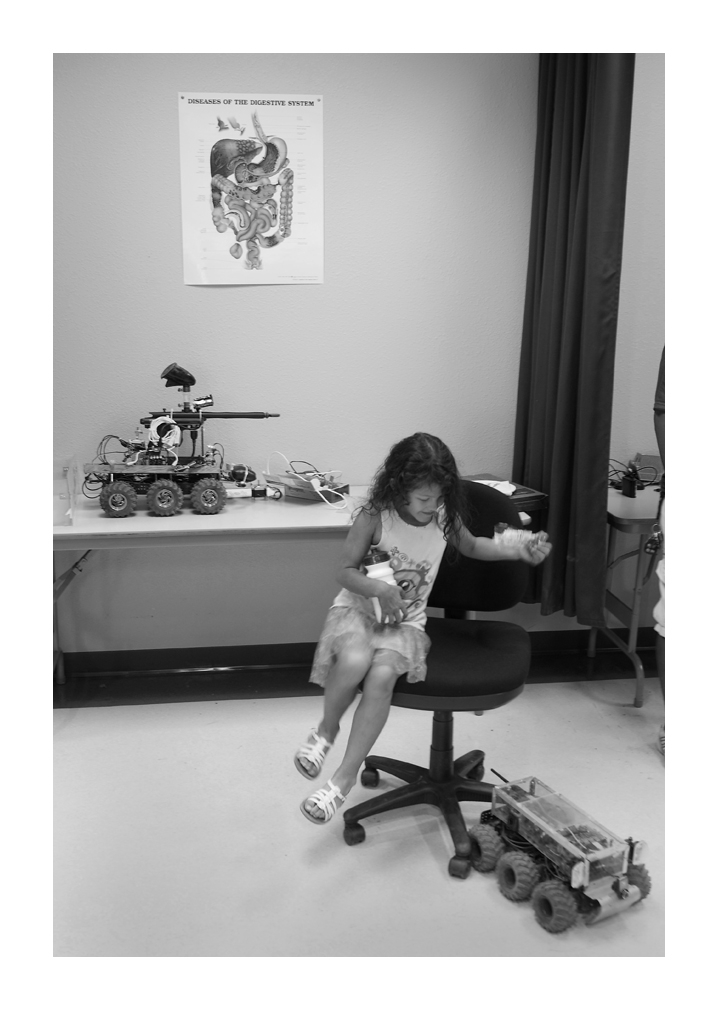
Robot attacks little girl at Robo-Geek Fest, El Paso, Texas
Story by Bruce Berman
El Paso —-
Four-wheeled robots wielding paintball guns took over the Western Technical College Northeast campus on October 15, when students from nine area high schools competed in the college’s first T-Robo Competition. The students design, program and build the robot vehicles.
The competition was part of a daylong event, which included a Geek Fest with demonstrations by area engineering and technology businesses, as well as Fort Bliss and White Sands.
There was a military flare to the event showcasing various careers in the STEM fields. STEM stands for science, technology, engineering and mathematics. Possible applications for the robotic vehicles would be non human operated military vehicles or “drones.”