Search results
255 results found.

On The Edge of the Edge – The U.S. – Mexico Border
255 results found.

Leap into the river with two names
Leap Day in the Leap Year 2008. Let’s all take a leap. Come on…why not!
This boy and his friends use the river with two names as a playground, a swimming pool, a back yard.
Why not.
Notes from my Journal
Immigration. Swim, drive, and crawl. People do what they need to do and making them do any of the aforementioned things, put lives at risk.
The river is more than a highway of migration, though.
In the summers, when it’s hot, the river is a giant pool.
People play.
The river is polluted with chemicals from upstream pesticides from the farms, loaded with garbage and debris, has really tricky currents that, every summer, takes lives.
But people live in that river. That river is life for many in Juarez.
If the Jefes could see past their own little tight plans, this would be THE development that would be right for El Paso/Juarez: Play in the river.
Too simple, though, huh?
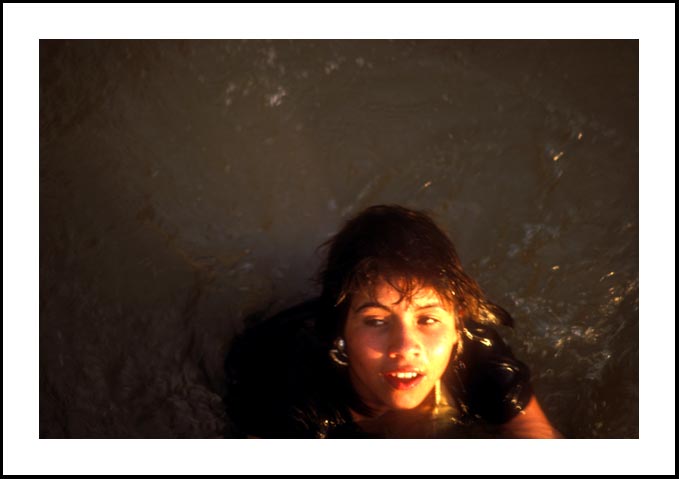
This girl is clinging to the El Paso side bank. ILLEGAL! La Migra comes and chases her away and she joyously splashes back to the Juarez side where her friends and family jeer and gesture at the Border patrolman. Everyone is having a good time. The Migra laughs, waves, knows he’s part of this great immigration farce, climbs back into his Suburban and drives off and the girl –and her friends- come back, swim to the U.S. side, pose for pictures, live the evening.
The sun sets. I go home. I played in the river, too.
One of the border Patrol’s favorite PR releases is about how their agents saved people from drowning. There’s one or two or three every year.
They never mention people caught playing. Before the fence.
PHOTO OF THE WEEK: Jan. 25-Feb. 1, 2008

You can leave the border but the border does not leave you. My head snapped when I saw Roberta Flores, up in New Mexico.
“Terrific hair,” I yelled at her. “Gelled,” I asked?
“No,” she said with a sly and proud smile, “Glued,” she shouted back, with a grin that sort of said, “gotcha!”
“Did you get that done around here? ” I asked.
“They don’t know how to do that around here,” she spat, friendly but gently ridiculing.
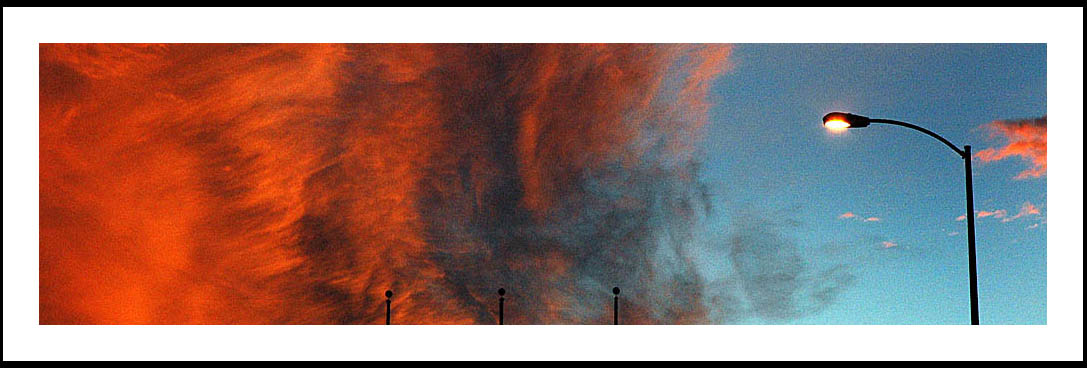
Still on mental vacation. What else do you do? Drool and look up. This is the border. Believe me the storm is coming in and not going out. As it always is. As it always was…
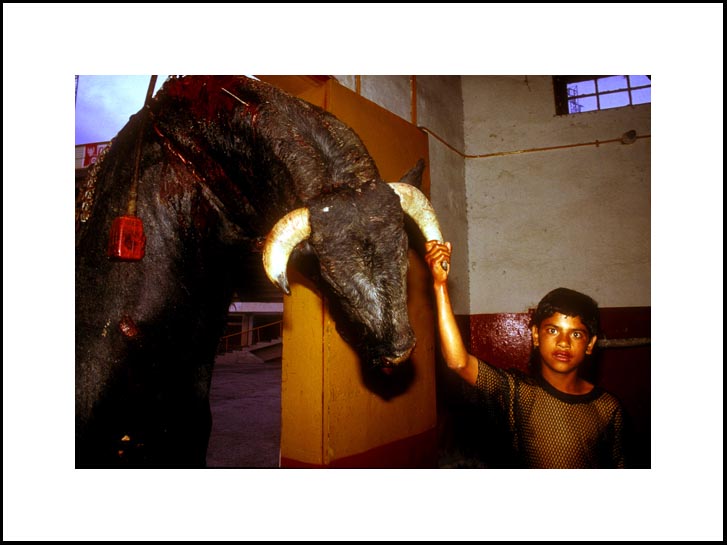
I’m a little weary of border politics, for now.
I return to the streets and hope the disorder of life gives me shape and form.
Politics and News seem to work on a linear arc.
Facts. Information. Plenty to tell. Endless detail and weight and nuance. Narrative is interesting but one of the things I’ve always liked about doing photography is the occasional punch in the gut you get from just being somewhere (often where you shouldn’t be).
Photography can work as a fact machine, but when it doesn’t and it’s just image, impression, reaction, light, when there is more than the sum of the parts, I like it the most.
PHOTO OF THE WEEK: Jan 4-11, 2008
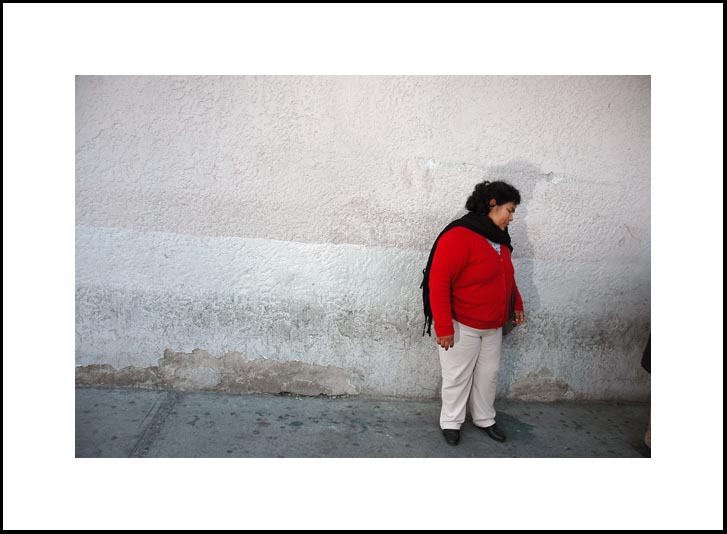
Editor’s Note: To understand this week’s photo it might be useful to read the background of the story of the struggle of the people of Lomas del Poleo. Link number one is two years old, but is, I think, a fair history of this situation. The situation has gotten worse. Link number two is a video discussing the bi-national plight of people who are in the path of “development,” and are facing forced displacement. Another option is to google Lomas del Poleo.
Beware: Knowledge is trouble.
http://www.annunciationhouse.org/news_winter2005_dispute_en.html
http://www.youtube.com/watch?v=tEqkytwHQ5s
____________________________________________________________________________
This was a sad day, one that has been coming for a long time. The confrontation at Granjas Lomas del Poleo, in Juarez is coming to the tipping point.
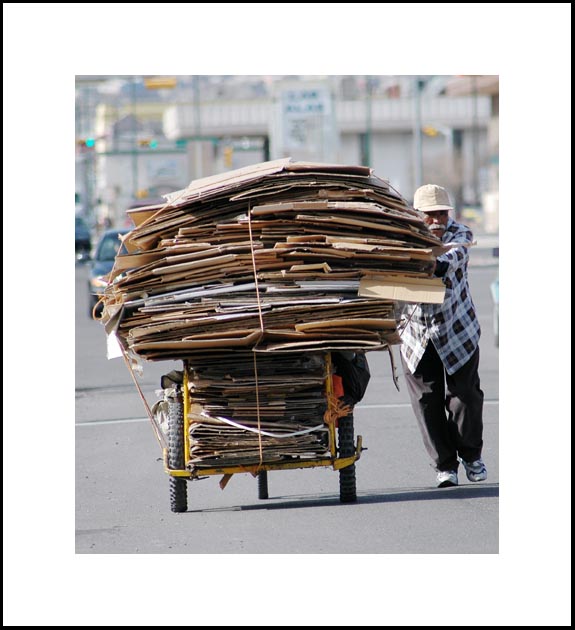
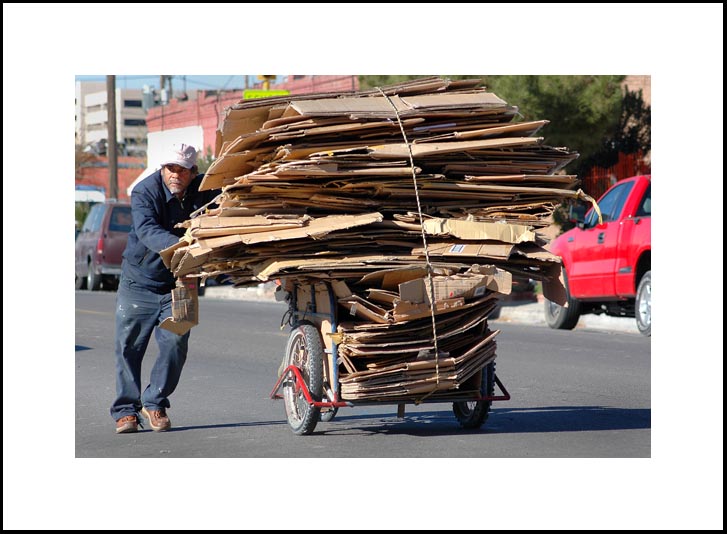
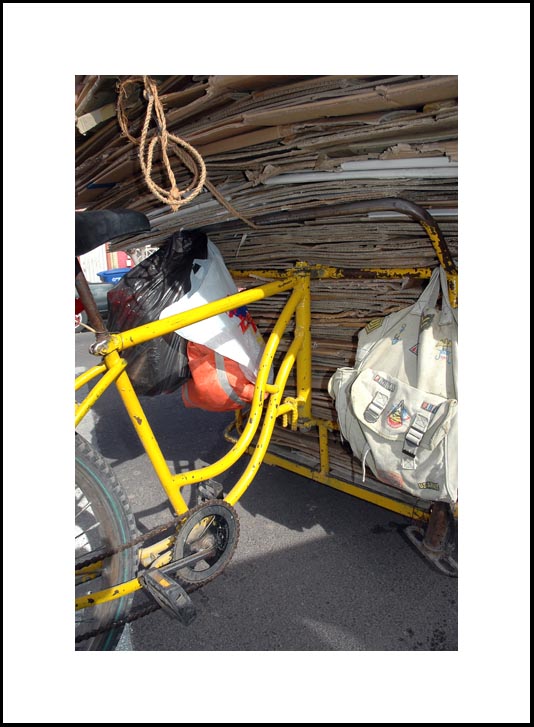
Los Cartoneros
In a desert, on the border, nothing much gets wasted.
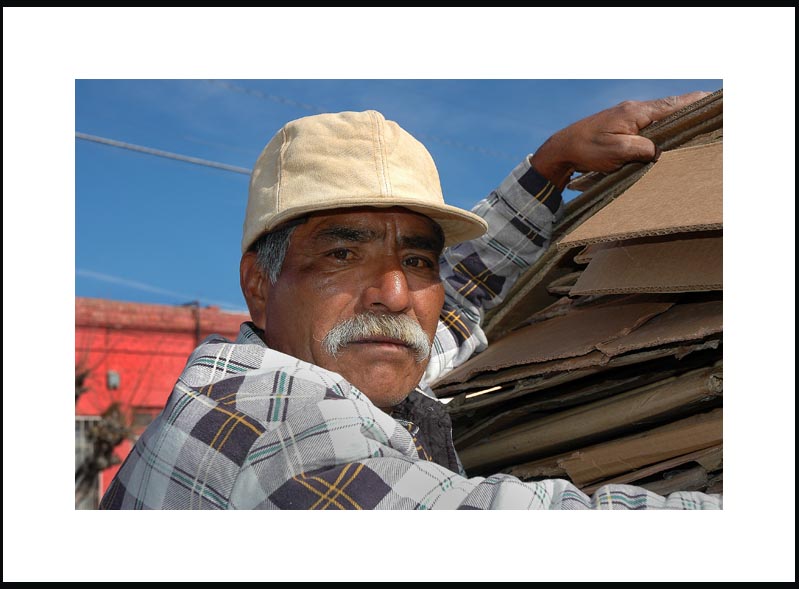
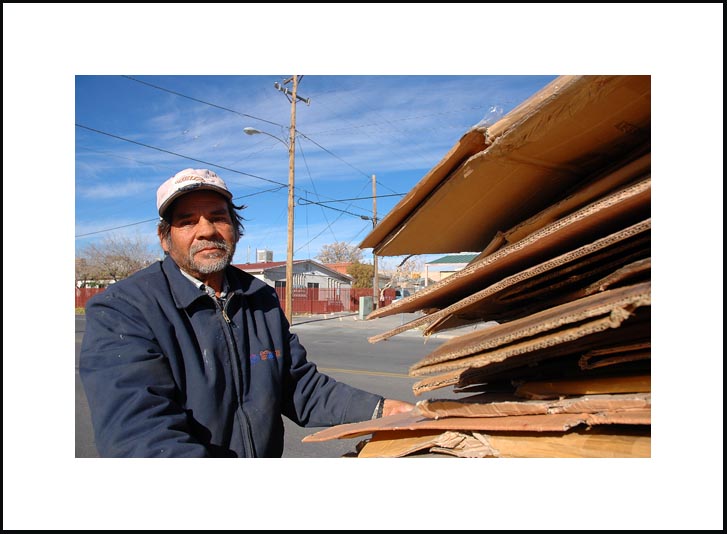
Cartoneros, paper haulers, collect discarded and surplus paper and card board from border streets and from border merchants and haul it on their customized ” tricicletas.” They then sell it to scrap buyers, located about a mile from the border shopping district in the Segundo barrio.
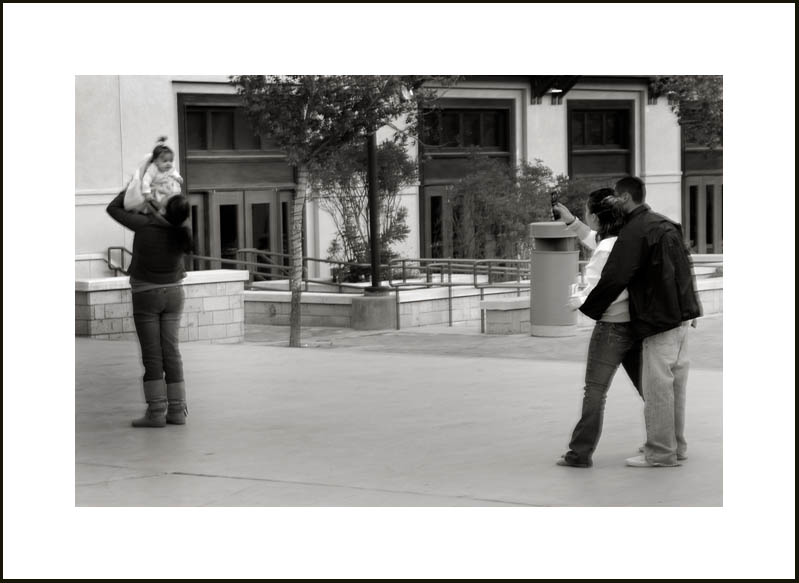
El Paso’s El Centro, the downtown, is packed with people at Christmastime. Unlike most cities of the southwest and of the rest of the United States, El Paso’s downtown is alive and bustling at all times of year, but especially during this season.
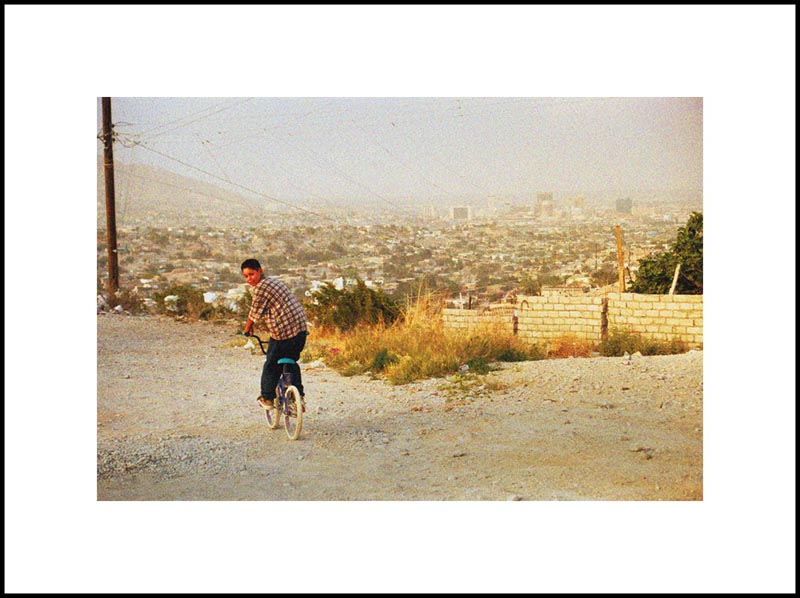
Someone observed, generally, that in so-called third world countries, poor people have to live on top of hills and mountains (where it is more difficult to get water and where roads are rough and barely existent), but in first world countries the rich like to live on top of hills and mountains, for the “views.”
And the status.
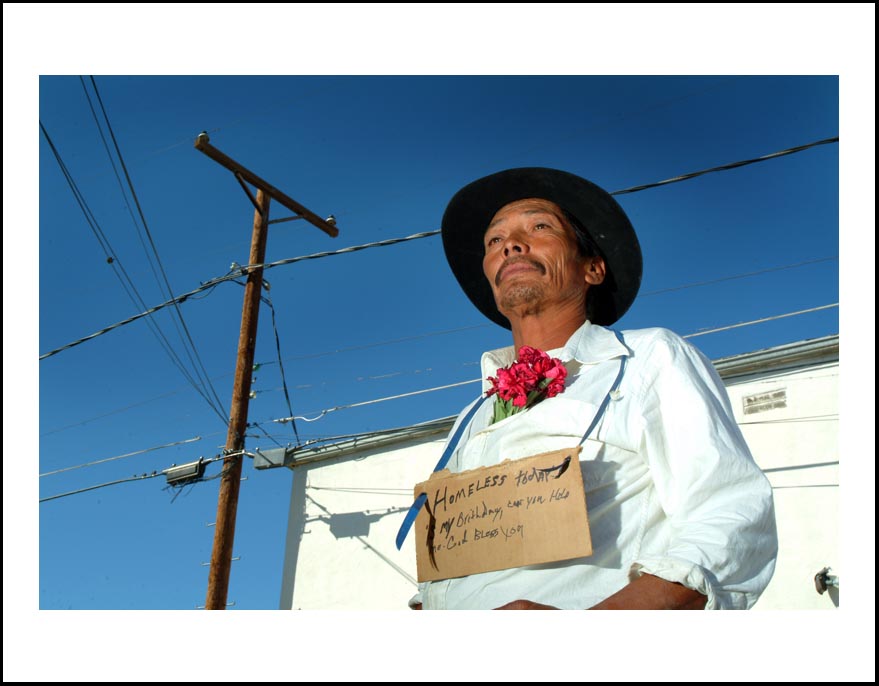
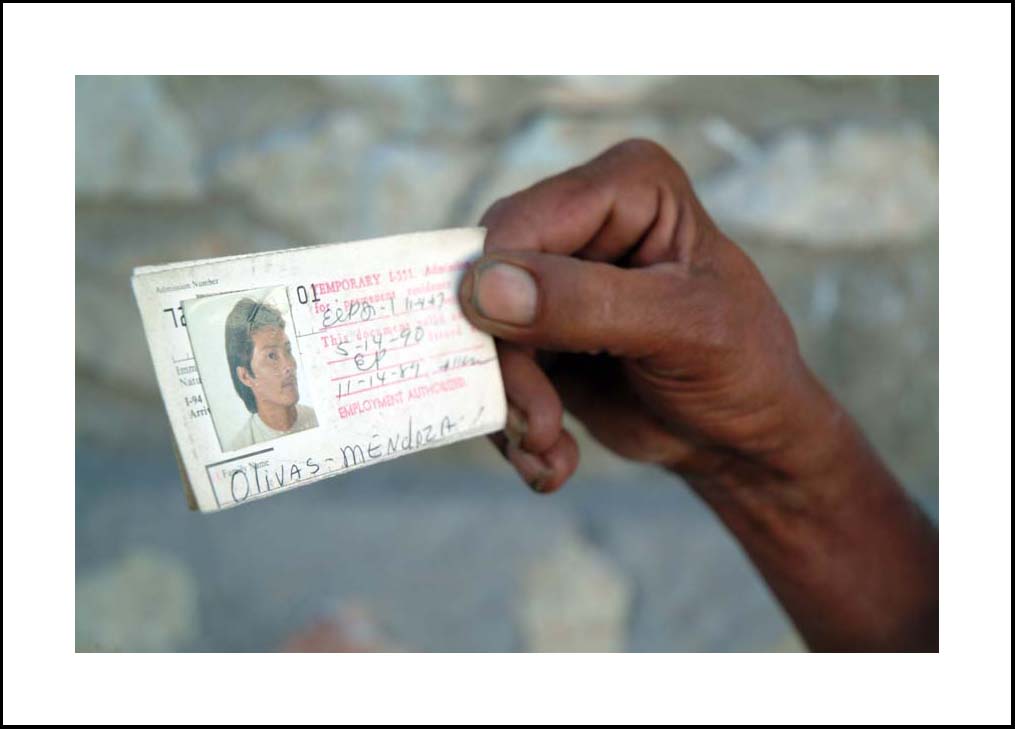
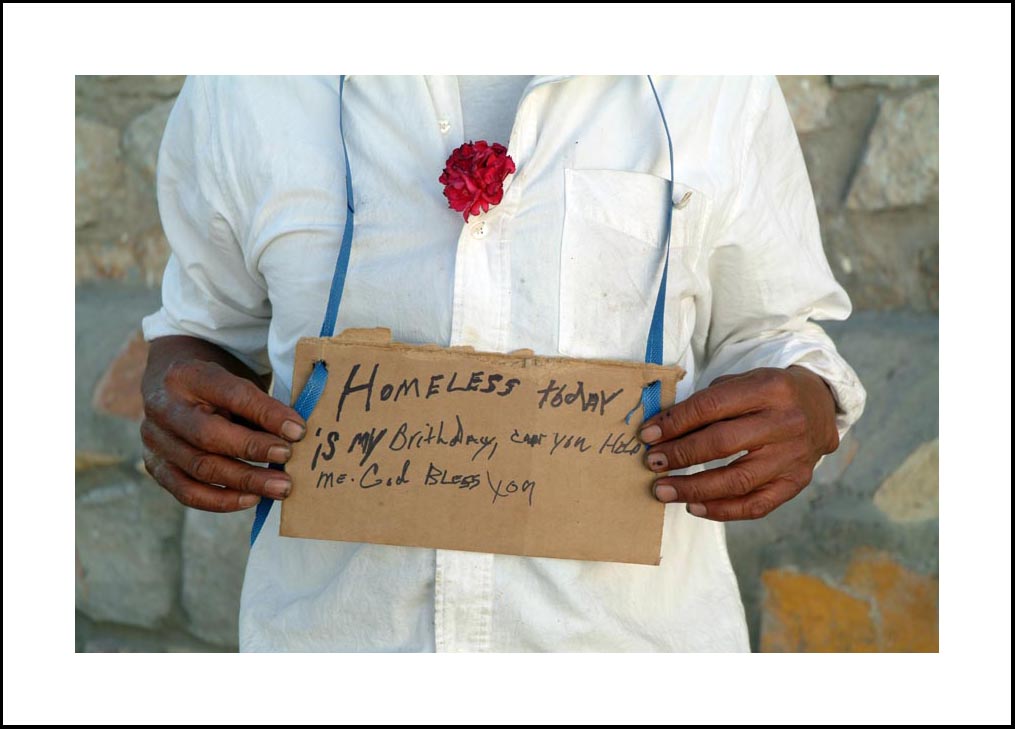
Regino Olivas-Mendoza, 47, hangs around a car wash in central El Paso. He wears a sign that says, “Homeless today, Is my birthday, can you help me?”
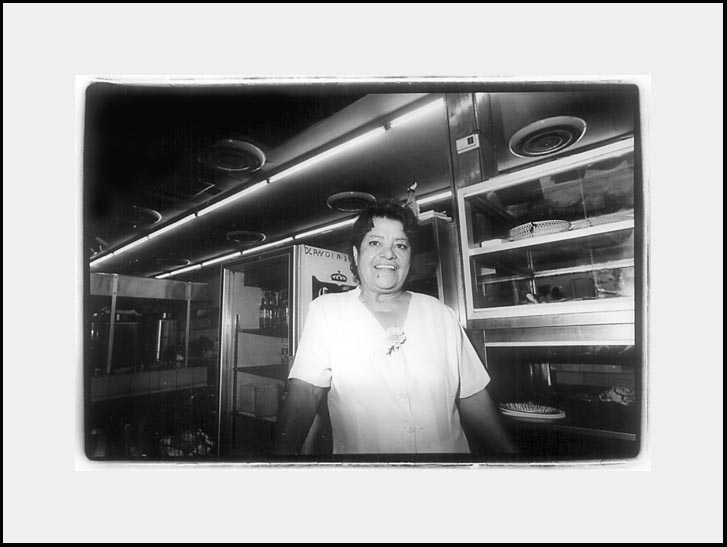
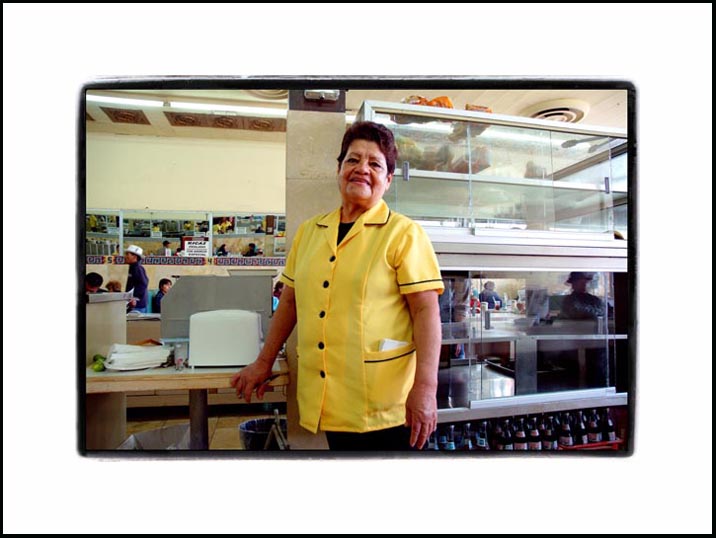
Amada has worked the counter at the Central Cafe in downtown Juarez, since the early 1980’s. The cafe is next door to the cathedral and is a major crossroads for buses -and most of all, people on foot- heading to all directions in the city. The cafe is a crossroads, the city’s heart, and a center of transition and change.
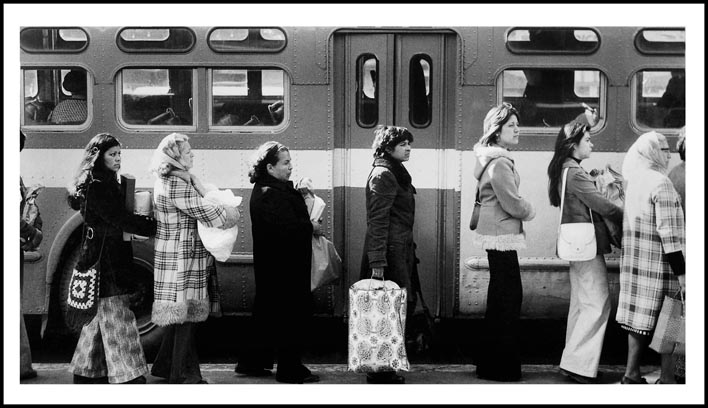
October 5, 2007
A funny thing about photography and time: it can capture milliseconds and it can capture decades, and all in the same photograph.
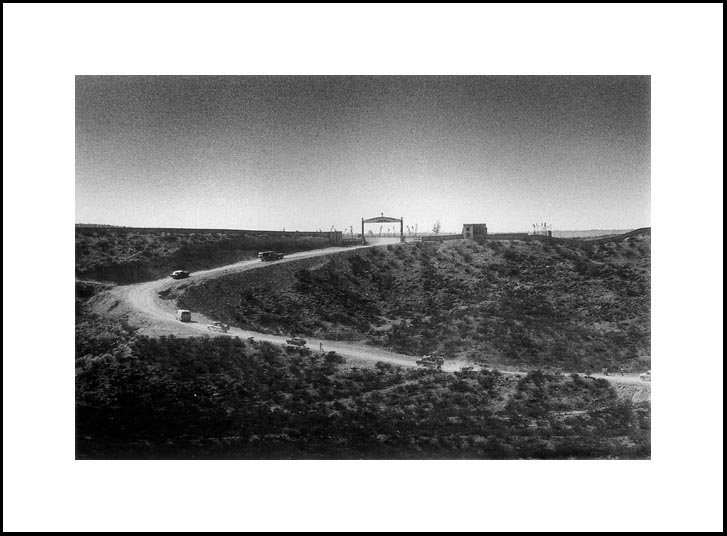
28-October 5, 2007
The cemetery came before the barrio. An ultimate act of realism.
Summer on the FBA. Hot. 100.
This is Father Rahm Street, which is, actually, Fifth Street. Around the corner is El Paso Street which is the first block of America (or the last, depending on where you’re coming from).
Around the corner, to the south is where the Paso del Norte bridge from Juarez empties out. There are stories on this street, big life-journeys begin here. This is where dreams begin. Some people have called this the “Ellis Island of South America.” Maybe that’s the draw for me (my Father was born on that other immigration island in 1907). That was another dream. These are places where dreams can start.
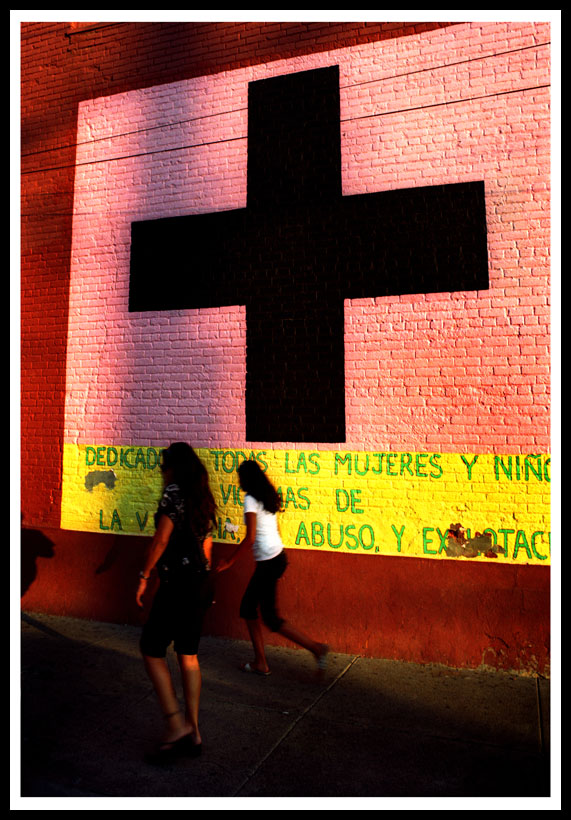
The Black Cross mural for the violence against women in Juarez appeared a couple of years ago. Then they put a bus stop in front of it (dumb). Then they took the bus stop out but painted over the text (also dumb) about the violence to the women.
Whatever. Life passes and passes strongly. This is where I have spent a lot of my life.
Nothing stops the energy on the FBA. People are looking for their place, their direction, their dream. I’m looking. I’m there almost every afternoon.
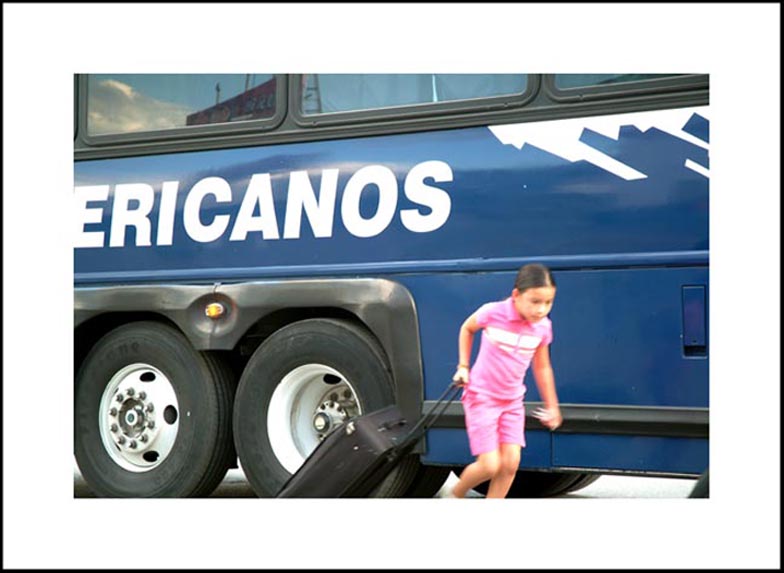
Sixth and El Paso Street is the first street in “America,” after crossing over the Paso del Norte Bridge from Juarez, Chihuahua, Mexico into El Paso, Texas. This is the crossroads.
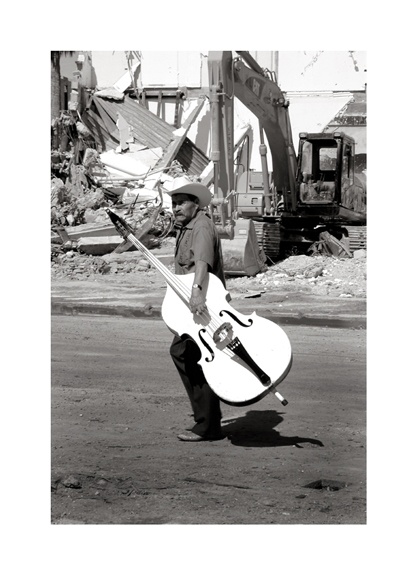
El Centro, the downtown of Juarez, is going down.
La Mariscal, the zone of shops and bars and (say this quietly) brothels north of El Centro, the commercial zone north of El Centro stretching to the border with the U.S., is being demolished and is, mostly, gone.
The “Plan,” has come. Progress is here. Now there is hope for those who need the border to be “clean.”
It shall be sanitized.
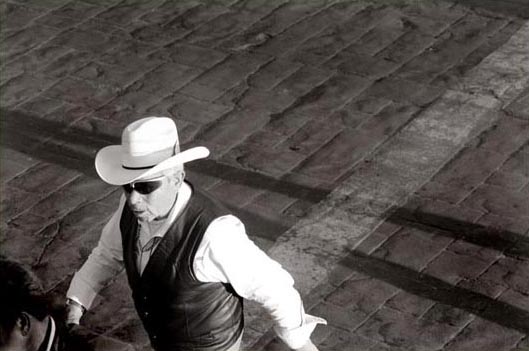
Cool Norteno, Plaza de Juarez – Juarez, Mexico / June 2007
The Plaza de Juarez in Juarez, Mexico is an ancient crossroads. The plaza stands in front of the Mision de Guadalupe, a church established in 1659 along the El Camino Real. The plaza today is still a crossroads and a transportation hub and, on Sundays, is vibrant, eclectic and fully the heart of the old Centro Juarez. Much of the area north of the Centro, the Plaza, and the Mision, the area between the old Juarez commercial district stretching north all the way to the U.S. border and El Paso, is currently, being demolished. The demolition is clearing the way for a commercial development that is projected to link up with El Paso’s south side and Downtown, also scheduled for demolition, just across the river to the north.
The transportation hub that has made the Plaza de Juarez the intense and interesting center of Juarez that it is, is scheduled to be relocated away from its current location.
The “Cool Norteno,” garbed in standard norteno clothes, and others, may or may not survive the “development.”
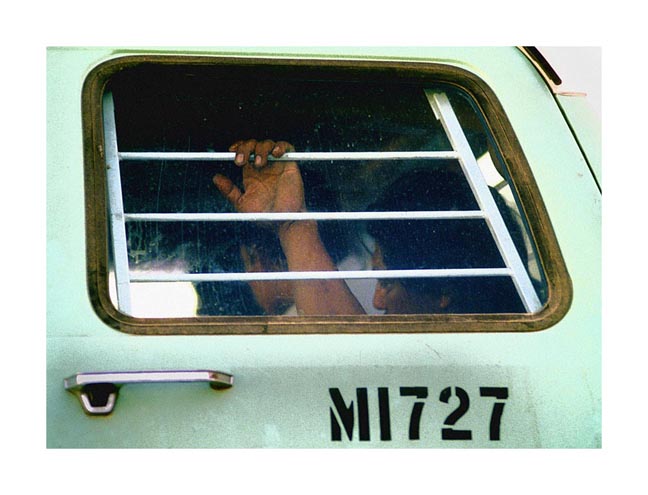
Most “illegal immigrants,†incarcerated in El Paso are laborers who’s immigration activity is, merely, a two way commute, finding them returning to Juarez, Mexico, at the end of a work day. Being incarcerated by the Border Patrol inconveniences the worker but does not deter the activity. Wages in Juarez average around $5 to 6 day. In El Paso a Day Laborer makes an average of $ 25 to 40 a day. The difference in wages makes the bureaucratic discussion of deterrence moot.
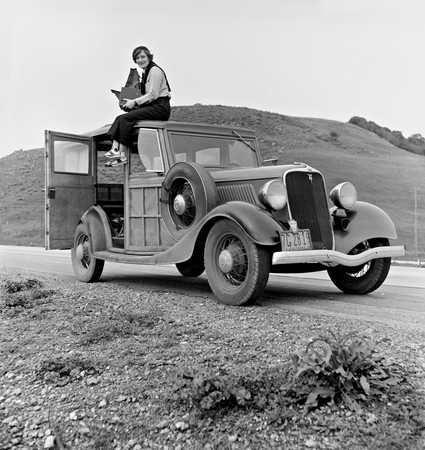
Photograph of Dorothea Lange,
Resettlement Administration photographer,
in California, c. 1936
The car is a 1933 Ford Model B (AKA “V8”).
She is -as well as Russell Lee and the other FSA photographers- the spiritual “Godmother,” of this site.
_______________________________
This is a picture of Dorothea Lange, at work. She was one of my earliest influences (the other was Weegee).
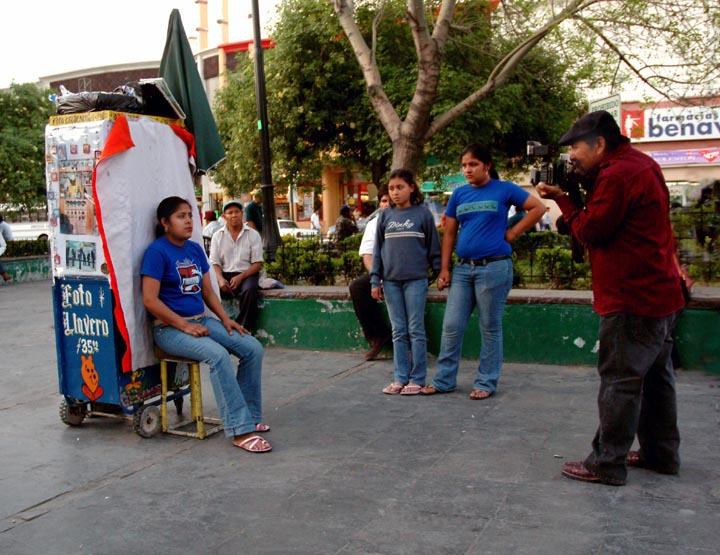
fotografo-centro Juarez-Retrato: $ 4.50(US)
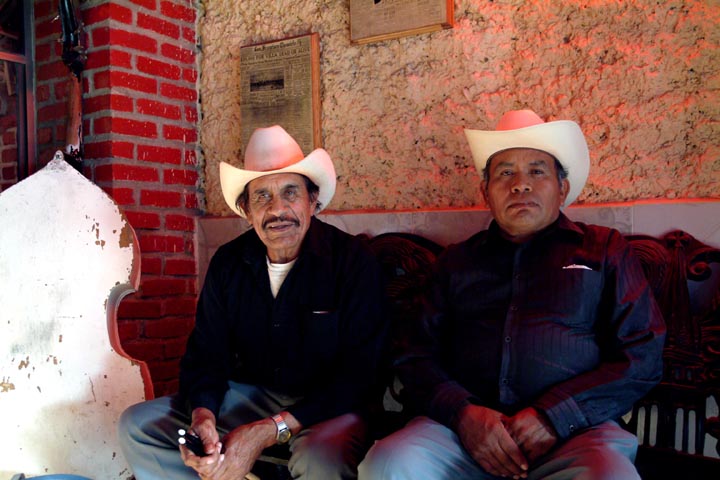
Musicos de Juarez-March 23, 2007
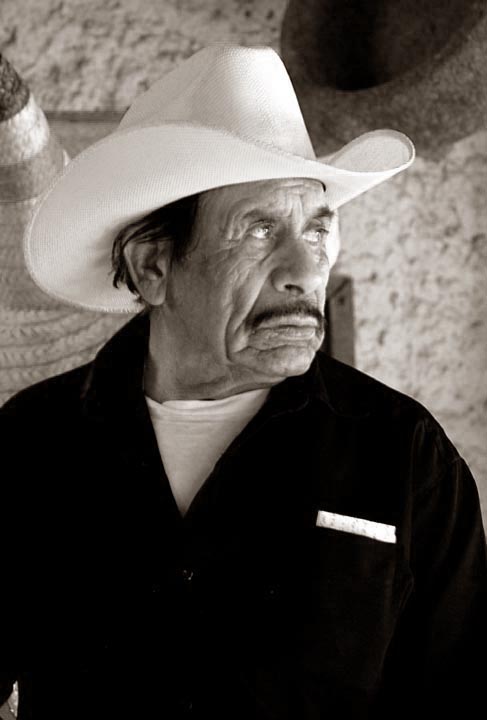
Musico de Juarez-March 23, 2007

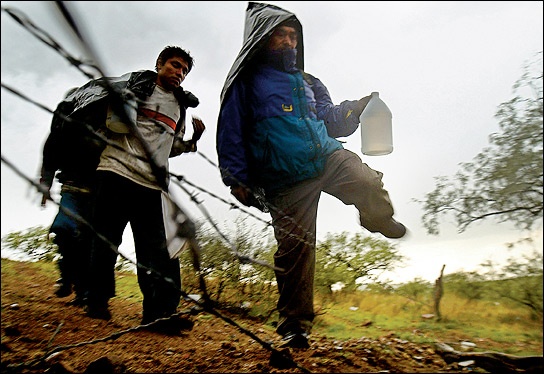
Drug cartels want migrants’ routes
Fight to control corridors on Arizona border turns violent
ALTAR, Mexico ˆ This village on the edge of the Sonoran Desert has been a supermarket for smugglers and the smuggled for nearly a decade. Migrants choose from an array of packages offered by coyotes and pick up day packs and anti-dehydration potions for the trek north.
Now drug smugglers want their route.

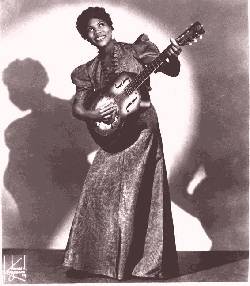
The Border Blog highly recommends that our readers go to this You Tube link:
www.youtube.com/watch?v=4xzr_GBa8qk&mode=related&search=
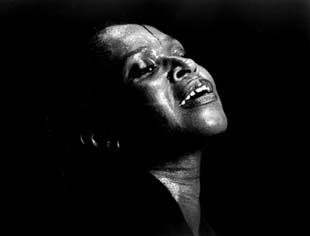
This has nothing whatsoever to do with the border. She’s hot, cool and happening! Groove, Take a break. Chill. La Lucha begins anew soon. In the meantime Sister Rosetta wails and is good for our heads.
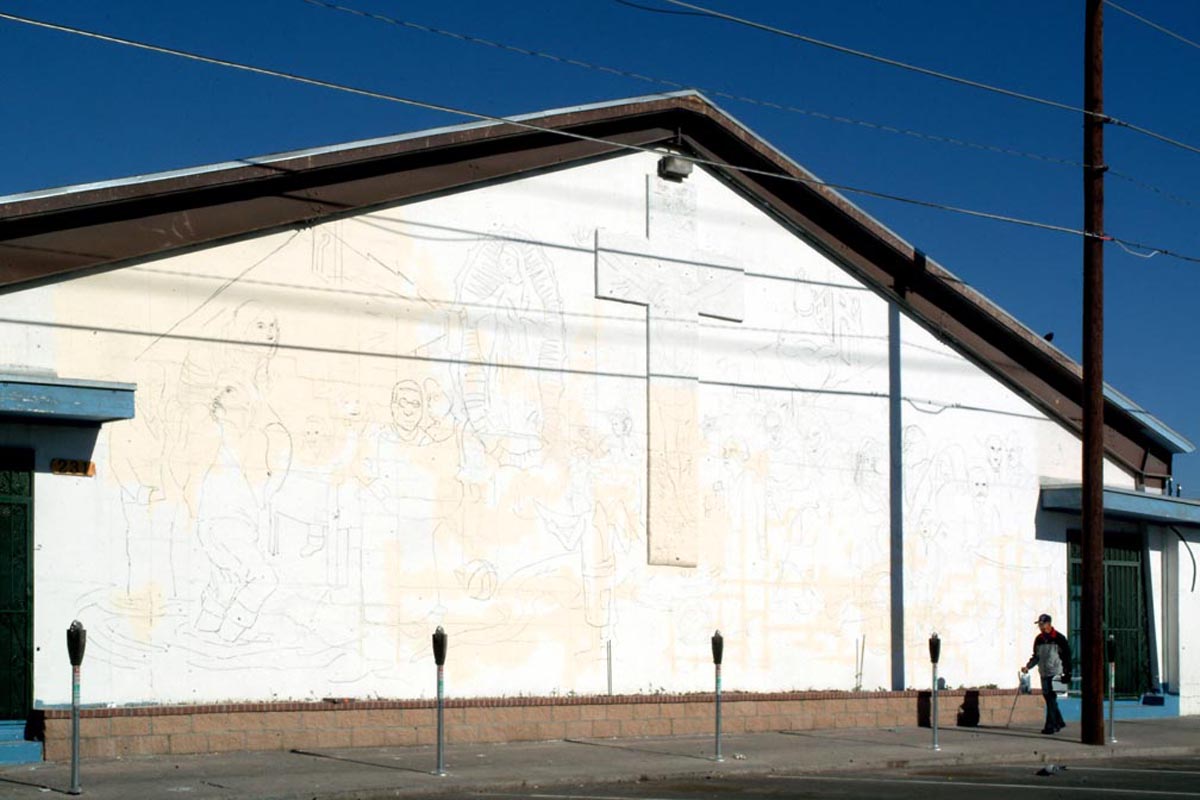
Day 2 / Christmas Eve eve
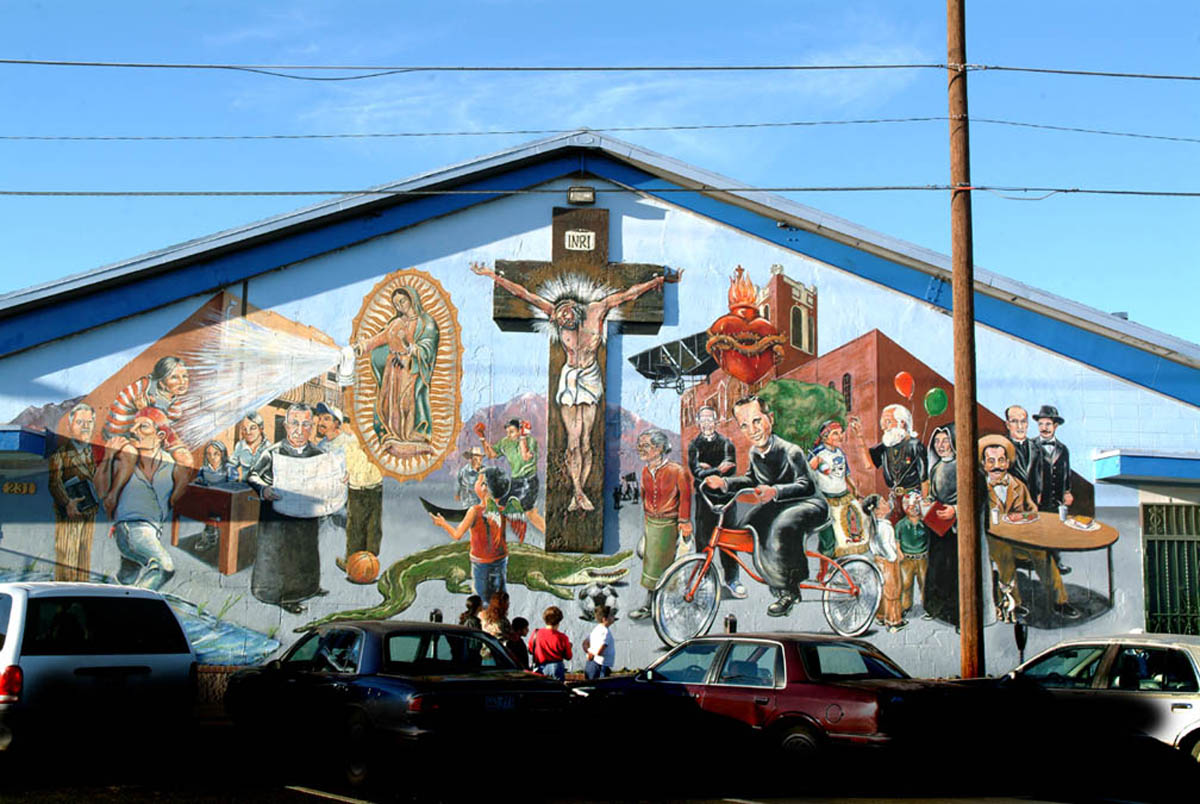
Day 44 / Finished
by Nathan Zarate
photograph by Jaime Ojo
Artist Francisco Delgado, his brother Oswaldo, his friend, artist Mauricio Olaque and a large helping hand from Bowie High School students and neighborhood residents began the Sagrado Corazon Mural on the night of Christmas Eve eve, 2006.
The mural, with support from Sagrado Corazon, local businessmen, concerned residents and ex-residents of the Segundo Barrio,
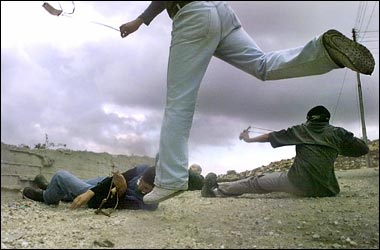
TIJUANA, Mexico ) — The police department has issued about 60
slingshots to officers in the violent border city of Tijuana,
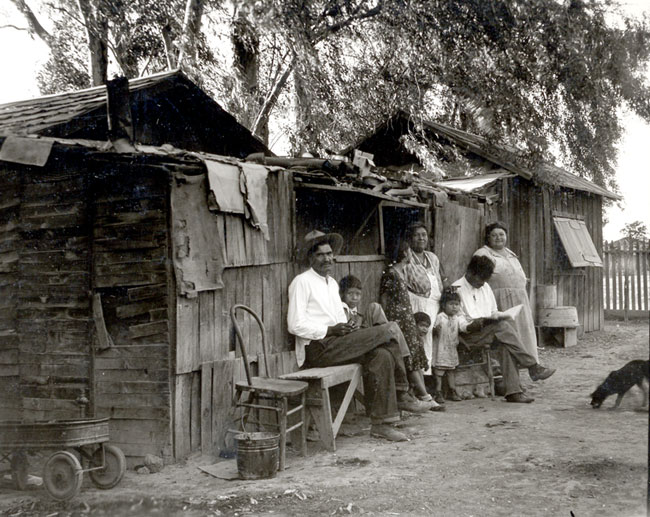
Legislators restarted talks of immigration reform Wednesday with the reintroduction of a bill for a guest-worker program, leading some border farmers to rejoice and some workers’ advocates to worry about potential abuse.
The bill,
Whacked
photo by Jaime Ojo
Artist Francisco Delgado with the assistance of Artist Mauricio Olague and numerous south side student volunteers have, once again, affirmed that El Segundo Barrio is the coolest neighborhood in El Paso.
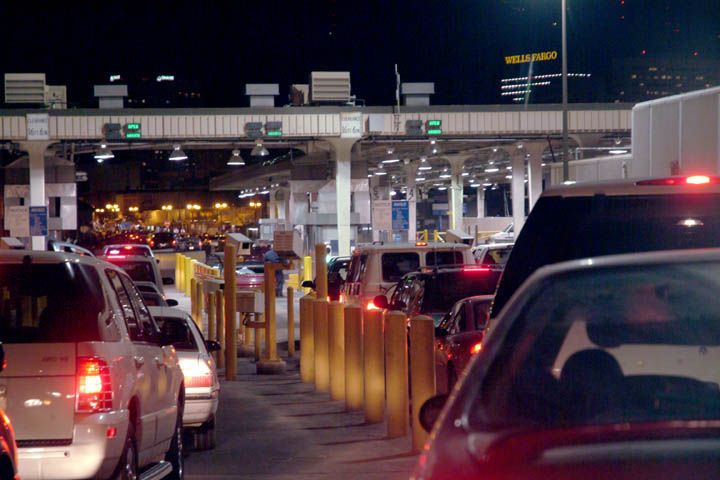
Entering USA from Juarez.Yet again.The bridge.Flirting from enclosed car to enclosed car.
Fumes.
Juice.
Anticipation.

It’s almost 2007.
Accept no crap!