Search results
62 results found.

On The Edge of the Edge – The U.S. – Mexico Border
62 results found.
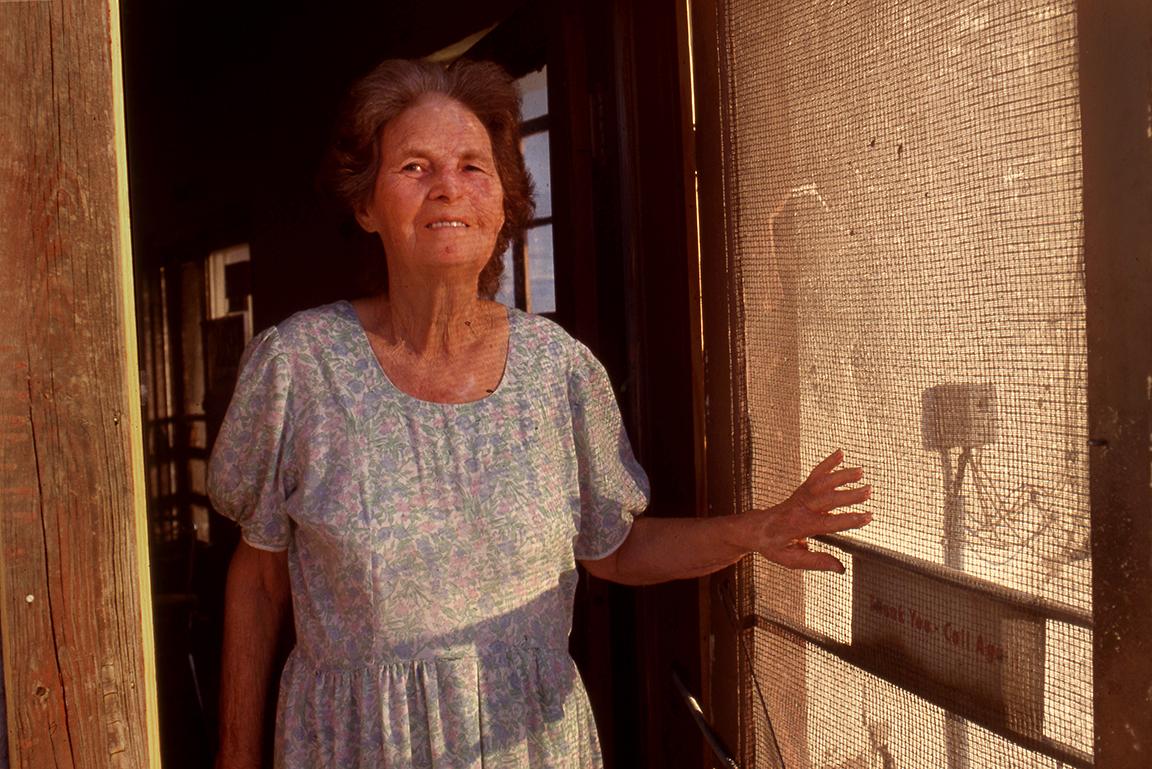
Isabel Gilmore, Salt Flat Cafe, Salt Flat, Texas, 1988
Story and photograph by Bruce Berman
There were people who grew up along two lane highways who had, at most, radios to connect them to the outer world. They lived in quietude. A car would occasionally pass on U.S. 62/180. Some would stop.
I stopped.
She put down her local paper (from Van Horn, I think it was). She made eggs, fried some hash browns and made toast. Everything she was and did was from a past time. These were moments of grace.
She was far from being a receding type, had lots of questions, and I think her main form of being informed was interviewing anyone who stopped at her cafe. She had been doing this for a long time and I think her parents did it before her.
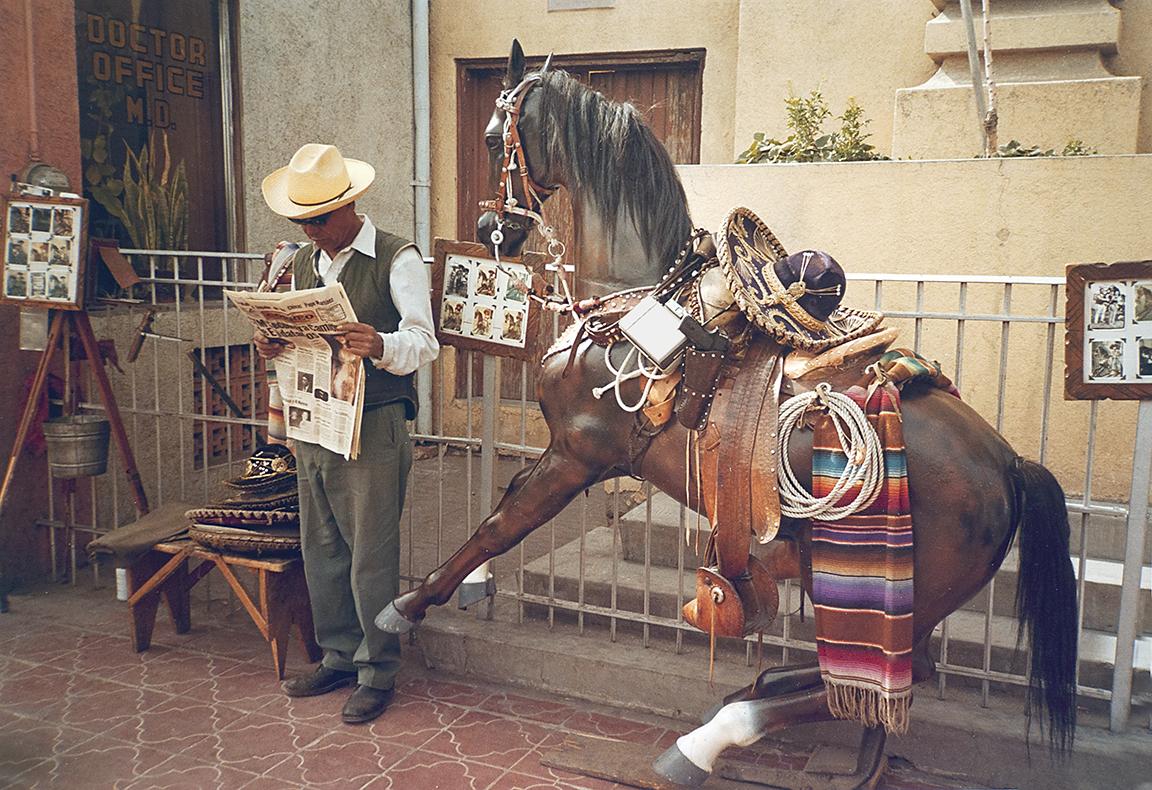
Fotografó, Sunday morning, Calle Juárez, 1981 by Bruce Berman
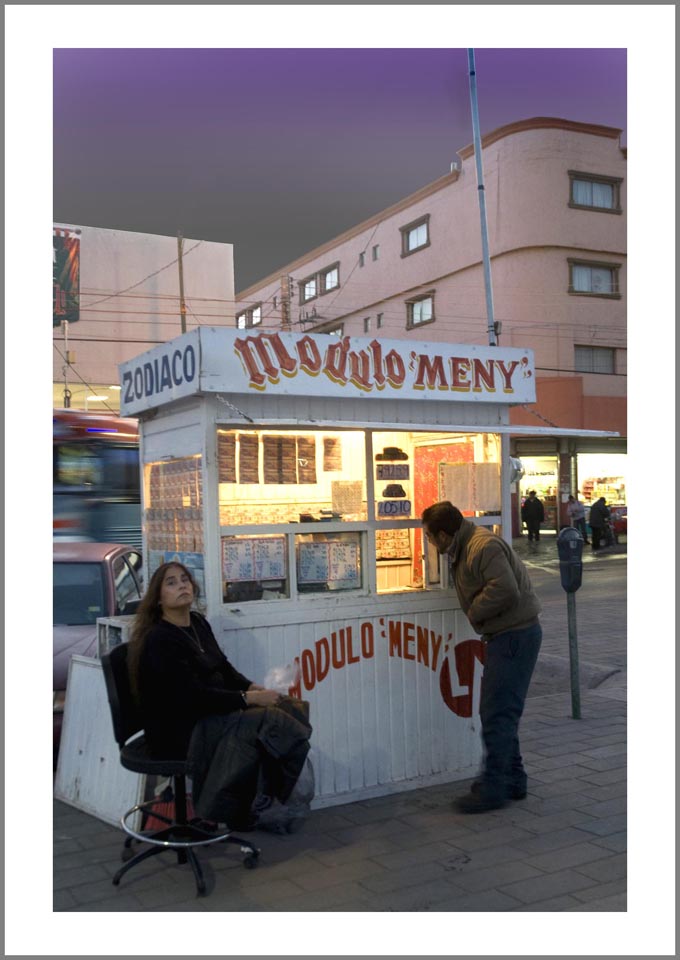
The New Juarez.
Everyone is talking about it. A new day, full of new promise. Many acquaintances tell me about all the new bars and cantinas. That Juarez will rise again.
This morning, Easter morning, two bodies were found hanging from a bridge in central Juarez. The victims were young, scruffy, boys with no names.
Hanging, like crucifixion, is a public and humiliating death. A death after death, the person shamed, rendered helpless, publicly. This is death with a message.
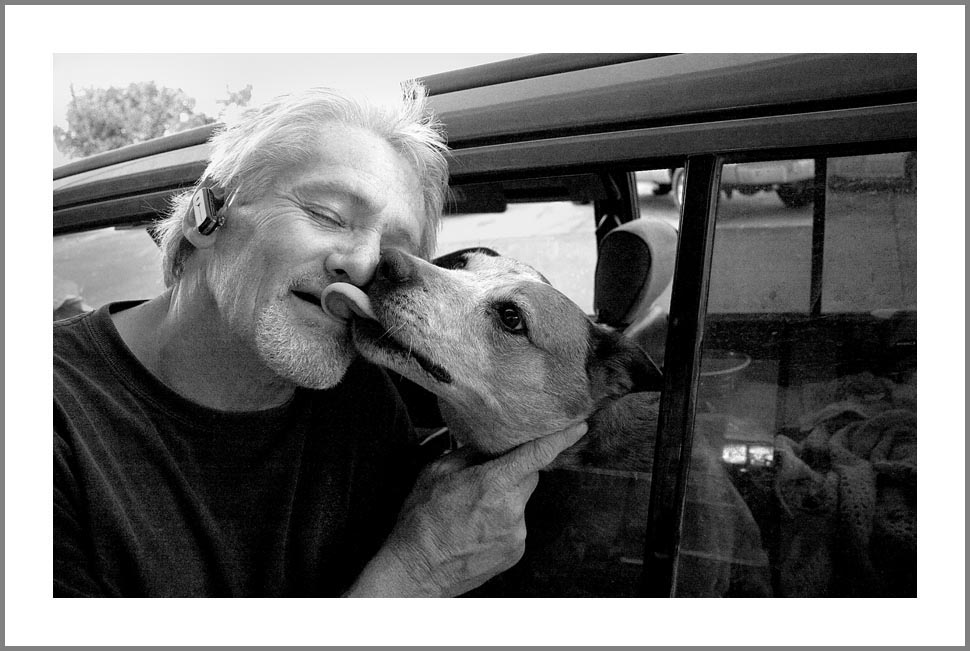
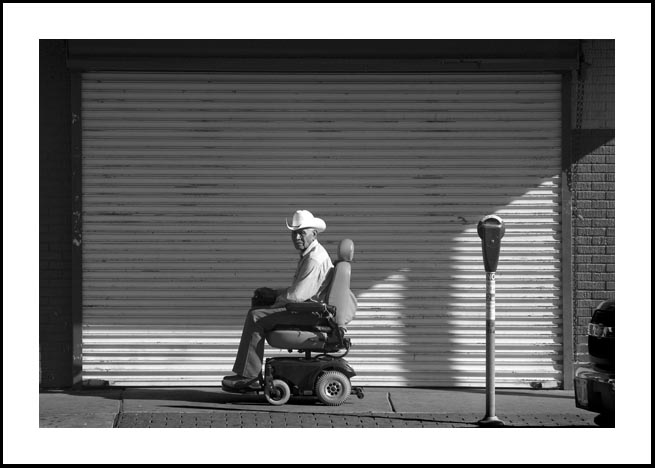
There are a lot of viejos in the Sagundo barrio. They get around.
There are a lot of kids too.
Like it always was but just fewer. It’s the heart of this isolated town.
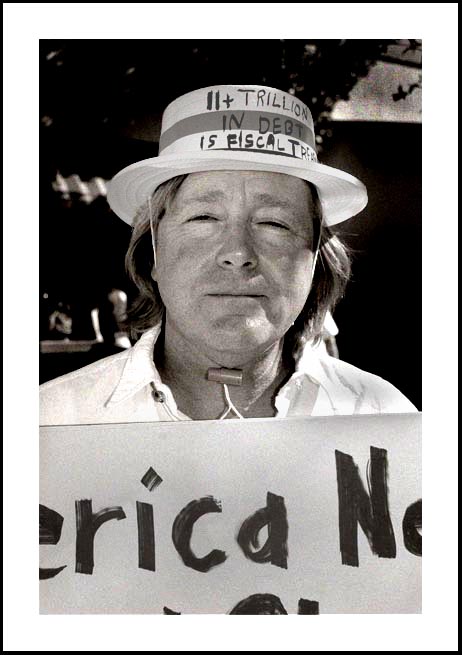
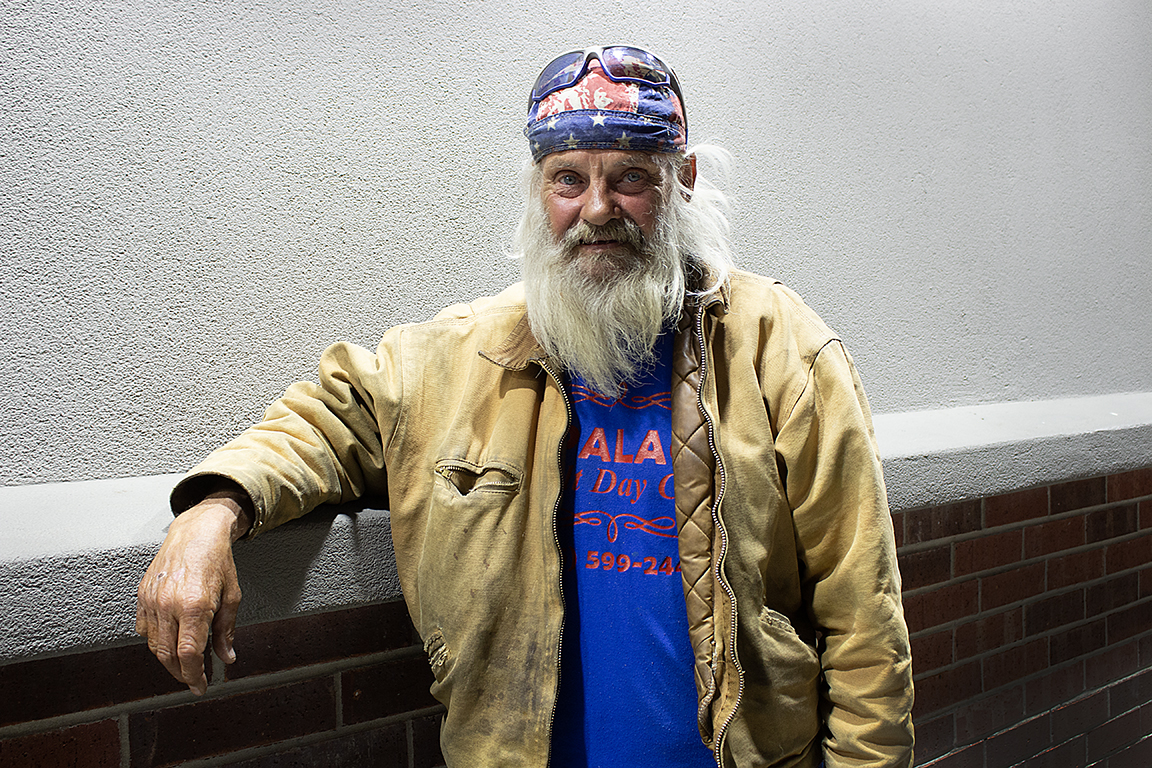
This man was photographed in El Paso, Texas at a “TEA party.” At the TEA party are, mostly, the aged and, seemingly, the innocent, with much esoteric political discussion, predictions of the end of the Republic, impassioned anger and, to be fair, much sincerity. To my “”eye,” it seems a little sad. Sadness for what, I am still trying to process and determine.
Miguel.
Another border encounter.
He’s a savior for me on this day.
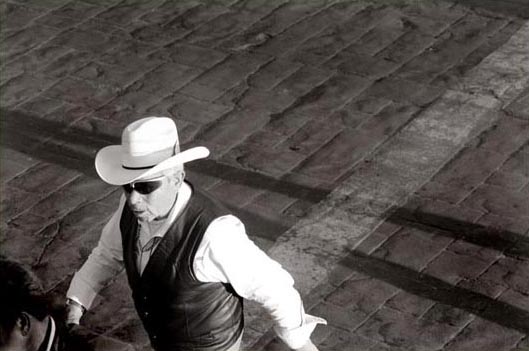
Cool Norteno, Plaza de Juarez – Juarez, Mexico / June 2007
The Plaza de Juarez in Juarez, Mexico is an ancient crossroads. The plaza stands in front of the Mision de Guadalupe, a church established in 1659 along the El Camino Real. The plaza today is still a crossroads and a transportation hub and, on Sundays, is vibrant, eclectic and fully the heart of the old Centro Juarez. Much of the area north of the Centro, the Plaza, and the Mision, the area between the old Juarez commercial district stretching north all the way to the U.S. border and El Paso, is currently, being demolished. The demolition is clearing the way for a commercial development that is projected to link up with El Paso’s south side and Downtown, also scheduled for demolition, just across the river to the north.
The transportation hub that has made the Plaza de Juarez the intense and interesting center of Juarez that it is, is scheduled to be relocated away from its current location.
The “Cool Norteno,” garbed in standard norteno clothes, and others, may or may not survive the “development.”
Whacked
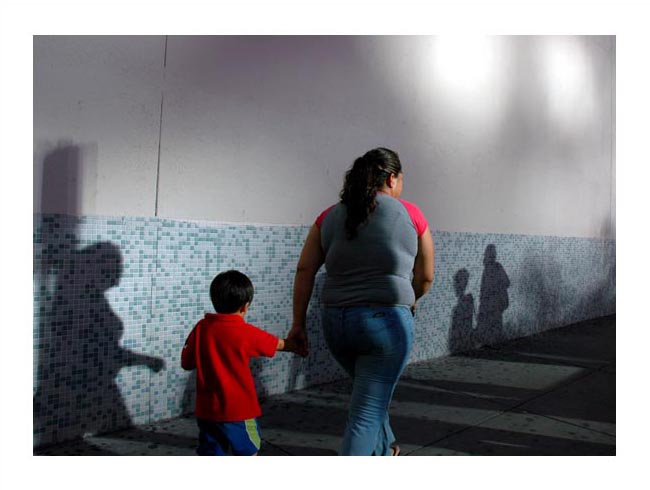
Opinion/Observation
by Co-Editor Bruce Berman
___________________
I drive my old routes. Camera on the passenger seat or my lap. As always, these days it usually stays there, untouched. There are things along the way that spark memories. Object that aren’t there anymore. Gorgeous commercial signs constructed by craftsmen in the 1950s and 60s (not the least of which from the Jimenez Sign Company) were carted off to other cities that were twenty years ahead of El Paso in their bourgeoisie ambitions.You can drink under some of El Paso’s “Motel, Vacancies,” signs in various bars from Austin to Houston to Baton Rouge. There’s a withering away now, aging and weathered, but mostly not endearing anymore, not worth stopping for (to make images). There came a year, a month, a day when the treasures of El Paso were either gone, carted off or just left to rot.
There are whole swaths of this incredible and authentic city that are gone, at least for the long gaze of a photograph: Alameda. El Centro (downtown). Segundo is shrinking fast, bordered by El Paso Street on the west (with nasty tentacles of them all over it) and Cotton on the far east, with old residents living out their days, youth getting out fast and them with their bulging eyes all over it. Off of Delta there are condominiums and some revamped industrial buildings, residents living an almost urban lifestyle (sans humanity). Even the Gay Bars have fled, a sure sign of urban renewal/removal.
It’s not my job to do anything about any of this. My job, as I saw it, at the beginning, in 1980, was to give face to a face that was not known and I have tried. As The Grid lays out its future in the city with two hearts, it’s clear to me that my mission isn’t to pick sides in land rights, power exchanges, or to watch -or judge- the inevitable blandification. But blandification has come. Oh happy day. Some loudly exhale and go, finally! The city is becoming presentable to visitors again. It’s cleaner. It’s newer. There’s baseball. Soccer is coming (watch out Chamizal! The final blow that started in the mid 1960s is finally here). There are restaurants with the preface Le with Foo Fo thing-a-ma-jig dishes with little portions of things that look like they squiggle -vegetables- on top of things it’d be hard to identify below. Fancy. Plates of Foo Foo. There are young people downtown again, well, the kind of young people that look like they’d also be comfortable up in Kern Place on Cincinnati and the upper Westside.
Finally, there’s a Starbucks downtown near the Plaza and the Westin. The kids from the ‘hood can serve the hipsters that come in from outer Zaragosa Road and beyond.
Boring? Not to everyone and I wish them the best. I am not part of this. I left this scene in three other places I lived before this very long stretch here. It’s the same message: you’re in the gentry or you’re equitied out of the gentry.
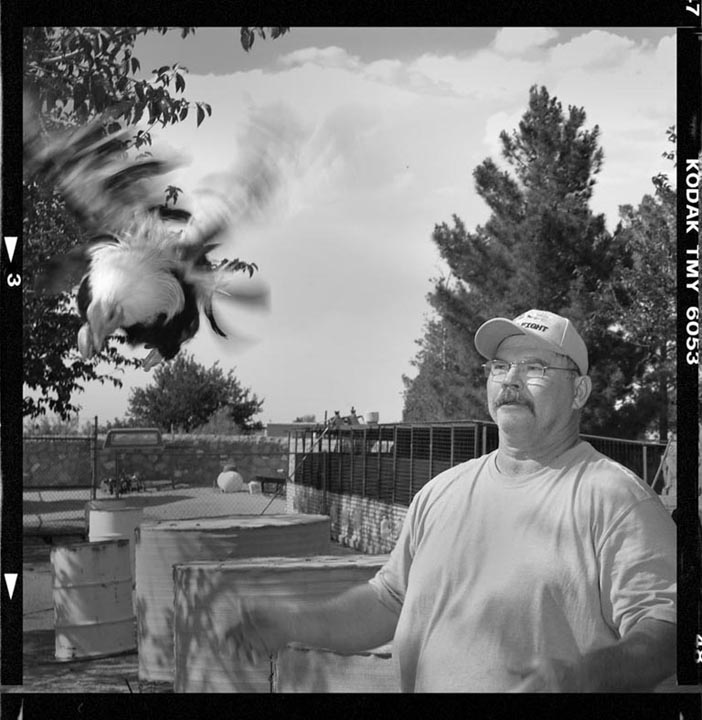
He has been raising these birds since he was a teenager. Fighters are they, he and his birds.
Now, cockfighting is illegal in New Mexico. Outlawed. “Civility,” has come to the funklands. God help us. Now come the thiefs with pens. They been fighting this since Billy the kid.
The rooster man keeps raising his birds. Doesn’t know what else to do.
He speaks of the “Old Man,” and “Ralph,” “Juan Pedro,”and the others. Each has a name. There are hundreds.
When he speaks, he says their names softly, a Lover’s murmur whispering his loves’ names.
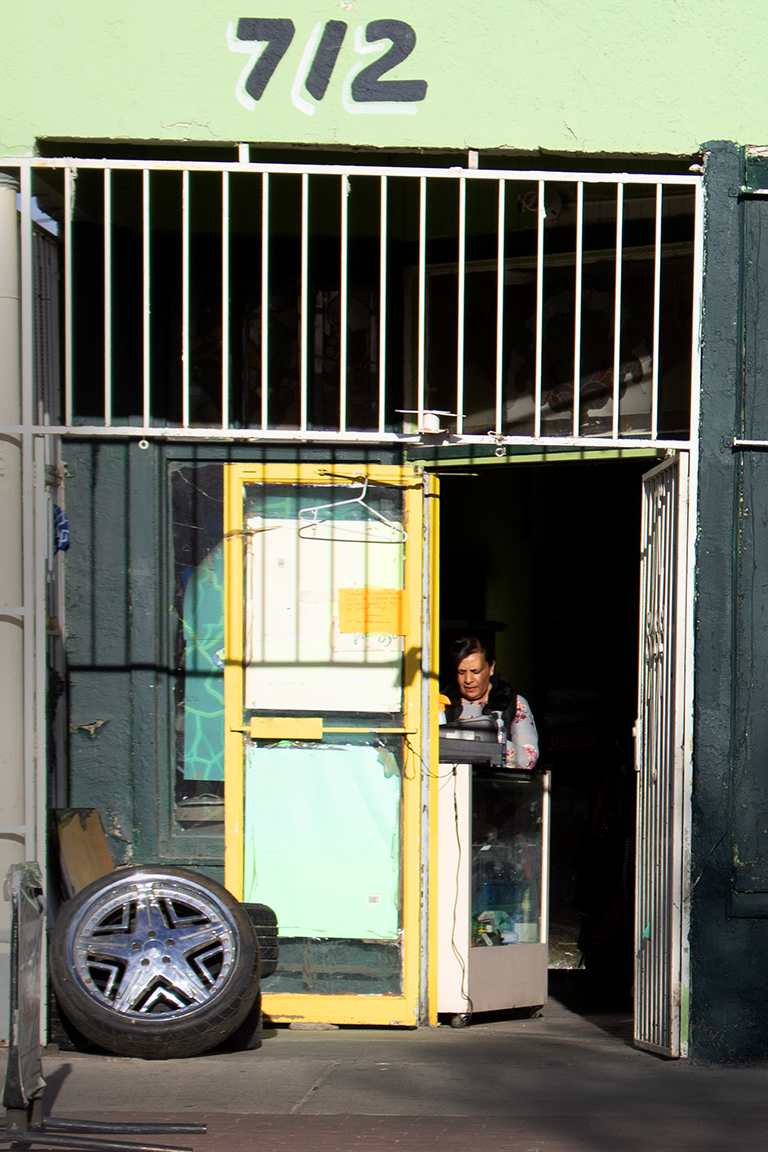
Southside El Paso, February 27, 2024
Text and Photograph by Bruce Berman
Dodged the bullet again. Well, this time there is no ‘explainin’ it so it’s fair to say, a hand deflected the fatal bullet.
Another chance.
Haven’t been doing photography much–for myself–in recent years. Been teaching. 34 semesters and most days in between spent on working at it. Caught up with me. Every word that went out came out of somewhere, somewhere where ghosts dance, that place deep inside where who we are actually lives. I built that up for years. Can one afford to let it go, driveled out in a million repetitions? And, for what? On February 12 a bomb exploded in my chest during my first class of the day. I taught my way through the whole class while The Reaper toyed with me, as God stood by and watched me gamble. Idiot! Why would I think God would intervene for a fool?
It wasn’t my time it turns out. Not now. Not yet. Why? All the right pieces fell together on the timeline, miraculous people showed up, the traffic parted ways for Mary’s defacto EMS Hyundai, and colleague Darren, always quiet, protecting his genius, appeared. Navy man. He all but carried me to the car then went into the building and with the precision of a true leader, with his cellphone, assembled the “troops,” at the nearby hospital, the cardiac team. Mary battled noon traffic. I was in and out, almost gone. We got there and Dr. Miracle, Abdul, his Rock ‘n Roll med team, waiting, like a great band about to play the once in a lifetime anthem; Lights Out.
July 11, 2023 No Comments
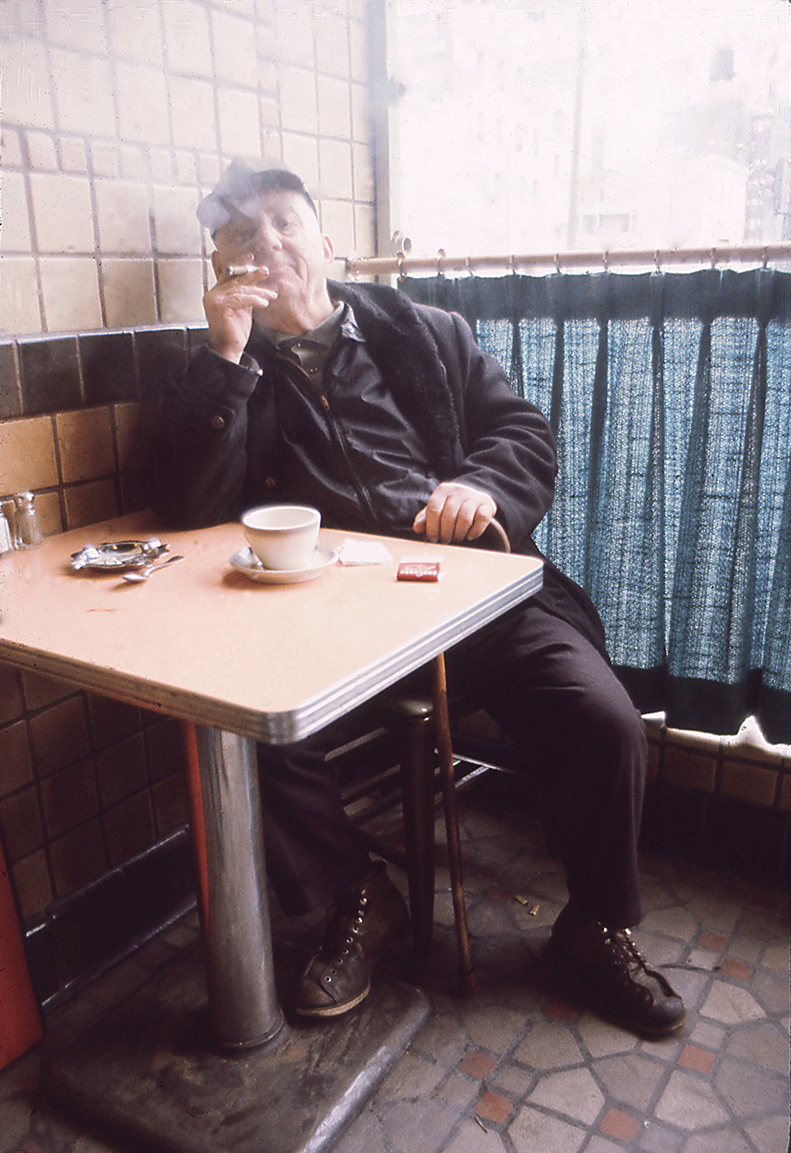
Smoking Man, diner at State and Ohio Streets, Chicago, 1971
Photograph and Text by Bruce Berman
This was the very beginning of my career, when I first realized what I wanted to be … a photographer. Not much has changed since then. This is exactly the kind of photograph I like to make, the kind of experience I like to have. Me on the prowl, encountering a person on the fringe, direct eye contact. The only thing I do now that I did not do then is to get more info about a person, really get to know them. At that time, and for many many years afterwards, I was just satisfied with getting the photograph. As time has gone on I now realize that that is incomplete. It’s the photograph and the text that matter, so that the person photographed is honored, not just used. Maybe that reflects aging, learning the world is not all about me but about me being in the world, about respect for others, maybe just about being a real documentary photographer.
So, here I am, 42 years later and I don’t know who he is, where he was from, what the name of the diner was, what he did for a living, exactly when the date was, etc., i.e., the 5Ws that any journalist knows are essential.
A detail I never noticed before, is his shoes. Believe it or not they are meaningful to me. In my old south side neighborhood, these are the kind of shoes we’d buy every few years. They were our main shoes (except for dress shoes). These were the “better ones,” because they have finished leather. Ours were the exact same 10 lace model but a cheaper brand, and the leather on those was called “rough out.”
Why am I talking about shoes?
Ghost, Exit Zero, Anthony, Texas, May 18, 2023
Text and Photograph by Bruce Berman
This is the first photograph I’ve taken in a long time that actually means anything to me.
I’ve been a photographer for fifty-five years. So that’s kind of a sad statement, eh?
I’ve been teaching photography at New Mexico State University for the past seventeen years. It takes its toll.
All the energy I ever put into my own work and the work of the work that allowed me to live off of it gradually but inevitably goes into inspiring others to do what I used to do.
Anyone that teaches can tell you there are some great students that make it all worth it. They’ll probably also tell you there are a plethora of others that didn’t treasure the gift you gave. It’s part of “the biz.” You roll with it.
I do think there comes a time, a rubicon, where your own creative desires become endangered. It’s not just the endless repetition about the mechanics, and the history and the nuances of doing photography, it’s also the endless drivel of academia, the business of being in a university, the committees that mean nothing to me personally, seemingly a bubble of detachment from reality, the occasional obscenity of human behavior, acting so massively vicious because, the stakes are so low. Politics are vicious and low. The feeling of irrelevance can be very high.
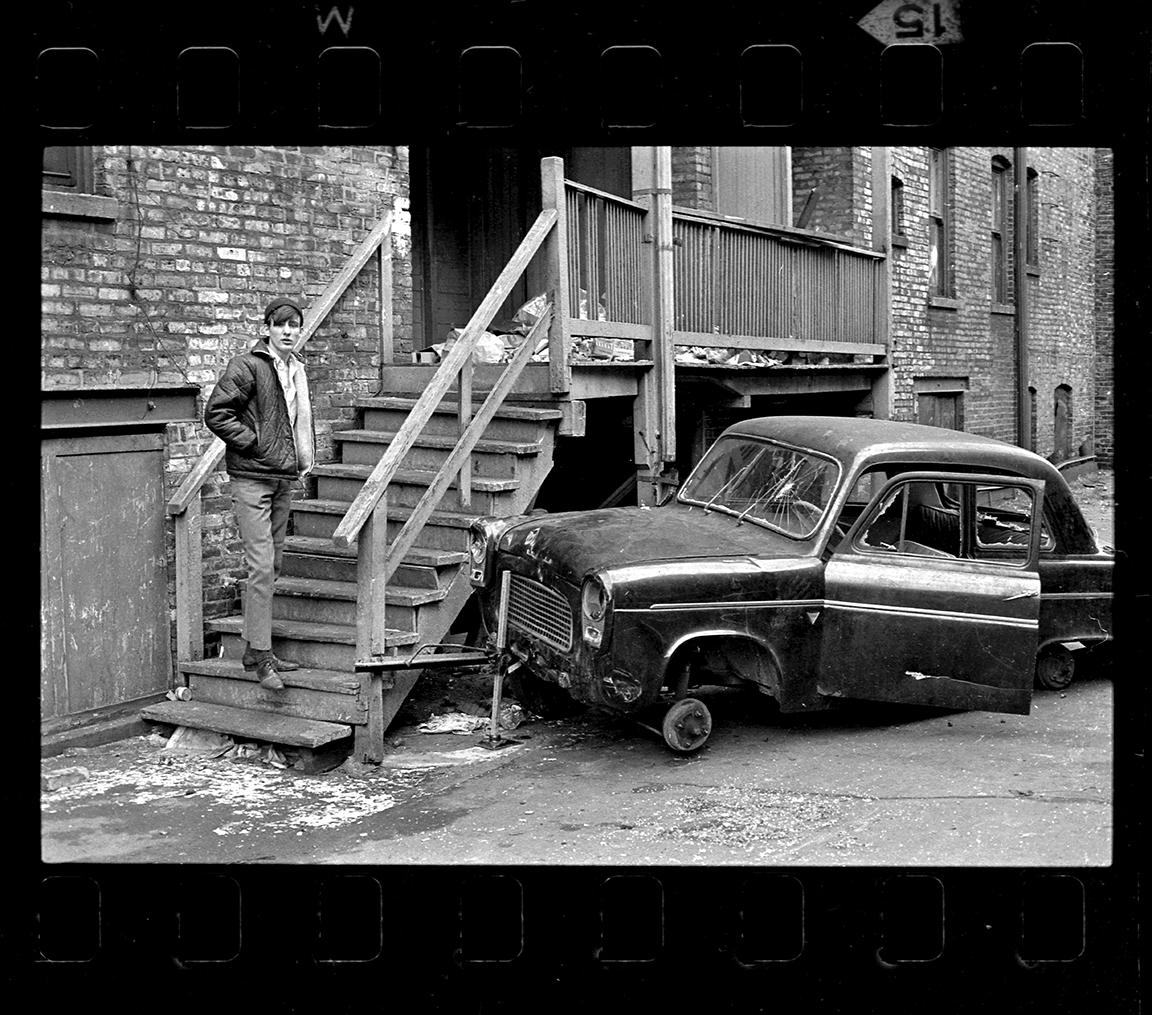
Photograph and text by Bruce Berman
Autumn 1971.
Eddie Geary got a new/old car.
He was scrounging the ‘hood looking for tires and rims. Not sure it ever got running.
I knew him for two years and the car never moved. The neighborhood never changed (until years later and the gentry came in, upped the equity and got rid of the Eddie Gearys).
Don’t know whatever happened to Eddie. Did he go back to Kentucky? Did he get up and out of the ghetto? Did he get a car of his dreams?
Don’t know. Wish I knew.
The photo series Uptown was more specifically about Appalachian migrants to Chiocago from Kentucky and Tennessee. It was my first documentary project. I wasn’t as good as the subject was, but I go my start. I just finished a book that contain the images. I’m lkooking for a publisher. It’as called the ChiTown Journal. Itr was my first “border ” project.
The border I refer to wasn’t a physical line but, actually, the line between immigrants to a foreign land and how their otherness, their language difference marginalizes them, leaves them open to exploitation and and makes them vulnerable to a social and lkegal system that does not favor them.
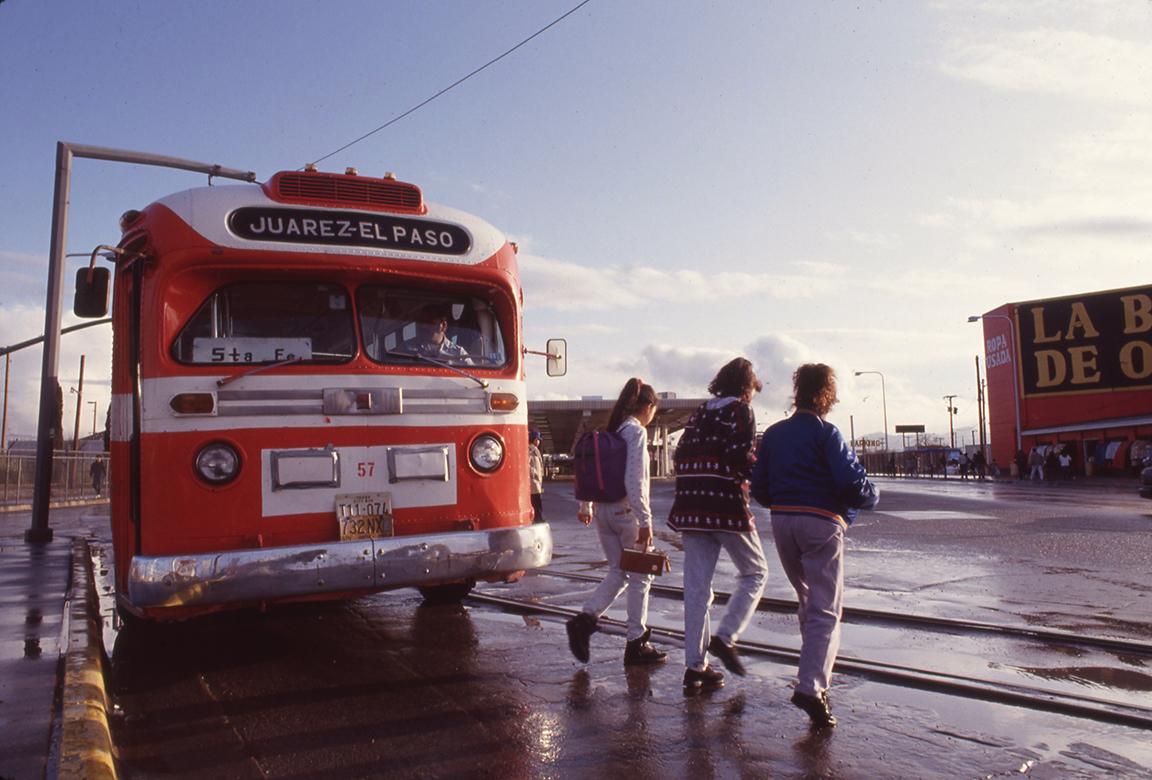
The Red Bus, Paso del Norte International Bridge, El Paso/Juárez, 1989
Photograph and Text by Bruce Berman
The Old Red Bus ran back and forth over the Juárez International bridge for decades. The bus itself was from the late 1950s, a GM. First photo I ever took when I got to El Paso and started wandering around was of the Red Bus, on El Paso Street. I noticed the women, from 18 to late 40s, lined up. I came to know that they were “maids,” low wage women from Juárez that came over every day and served the Anglos of a neighborhood north of downtown. It was called Kern Place. At the end of the day -those that worked by the day and not the week- would walk south down the hill to “EL Centro,” get on the bus and go home, to Juárez
Generations of Anglo kids were raised by these “maids.” Tons of dishes were washed. Beds were made. Laundry was done. They watched the American culture and went home. Key word: Home. Theirs. Another world.
I shot that old photo in October 1975.
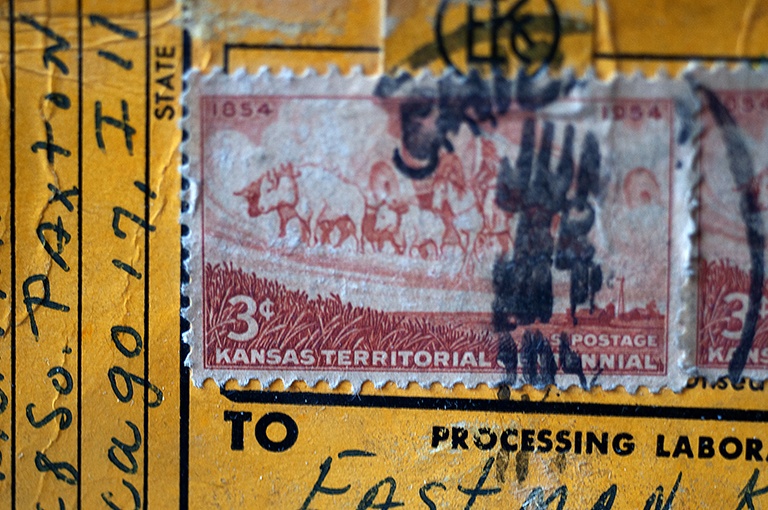
Cancellation #93, Mom’s Kodak film, Chicago, 1950s
I once did an entire series of photographs called “Cancellations.”
It started because one day I was looking at a stack of shipping boxes of my photographs that I had sent to various galleries and museums (pre Internet) that had been summarily rejected. Thanks. No thanks, return to sender. There were a lot of stamps on those heavy boxes. The post office cancellations were ruthless, slashing, colorful. It’s like the post office knew I was unworthy, as well. I half jokingly wondered if the galleries hadn’t done it themselves.
I got lucky here and there, exhibited them for awhile. Dallas. Houston. Cologne, Germany. The art world thought they had found a new star. I knew I was a fraud.
THIS SITE HAS BEEN DOWN FOR TWO MONTHS. WE’RE BACK. THE SITE WAS SUSPENDED AND IT TOOK THIS LONG TO RESTORE IT TO TOTAL BUG-FREE HEALTH. TO BE HONEST THERE HAS BEEN VERY LITTLE “ME.” THE BORDER BLOG WEBMASTER, MANNY RIVERA, FOUGHT THE MALWARE FORCES OF EVIL… AND AS HE ALWAYS DOES, BROUGHT US BACK TO LIFE.
SO GLAD WE’RE HERE. SO GLAD YOU’RE HERE.
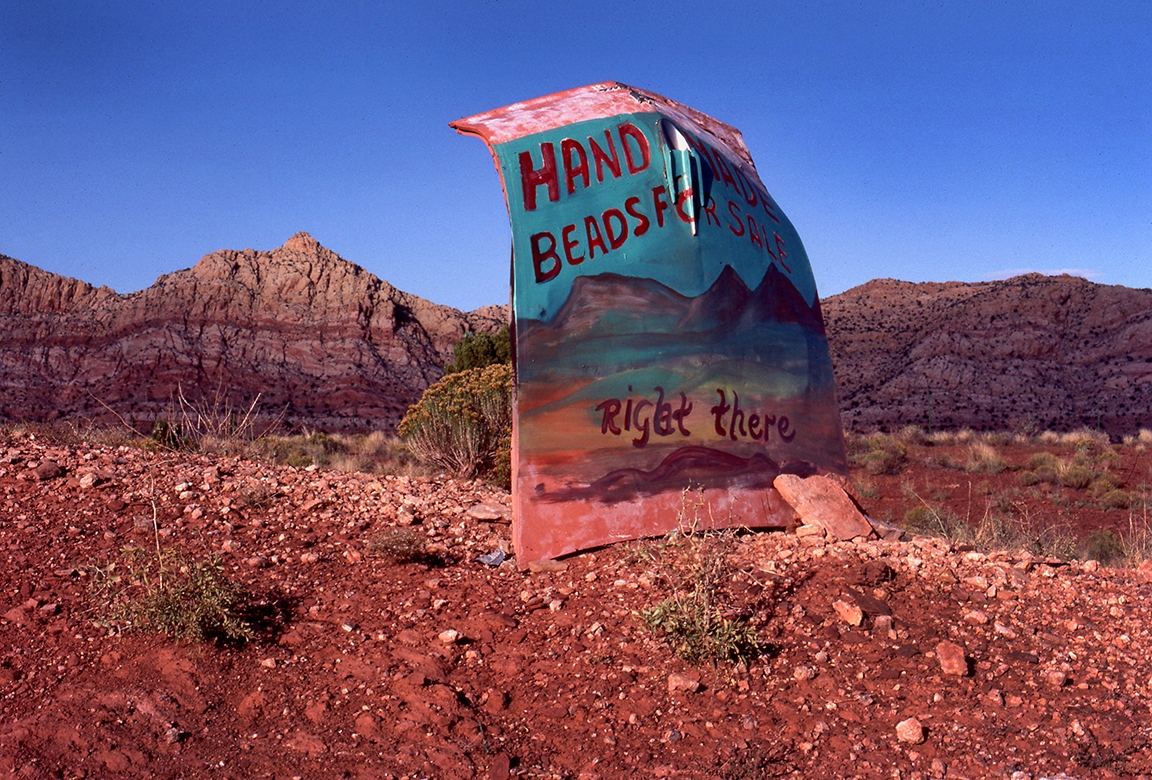
1951 Ford hood, Navajo Reservation, Utah, 1974
So here we are, searching for borders again. It’s been a long time since I began this photo journey in 1968. First there was the “border” of Appalachians in Chicago.
Then there was the Five Nations of Oklahoma and the last refuge of the Buffalo in southwest Oklahoma.
Eventually I found my way to El Paso/Juárez. That one’s took thirty-five years plus.
And now?
Not sure. Usually I have wandered into my “forward.” Been stuck lately, taking care of business, being a professor, thinking, living in the old paradigm.
I suspect it’ll be that way again. I’ll bumble into the “next.”
I just mentioned -above- all the stuff that’s in the rearview mirror.
Looking out, over the hood… well you have to get the car into first gear first.
It’s coming.
Stay tuned. The Border Blog is back.
So am I.
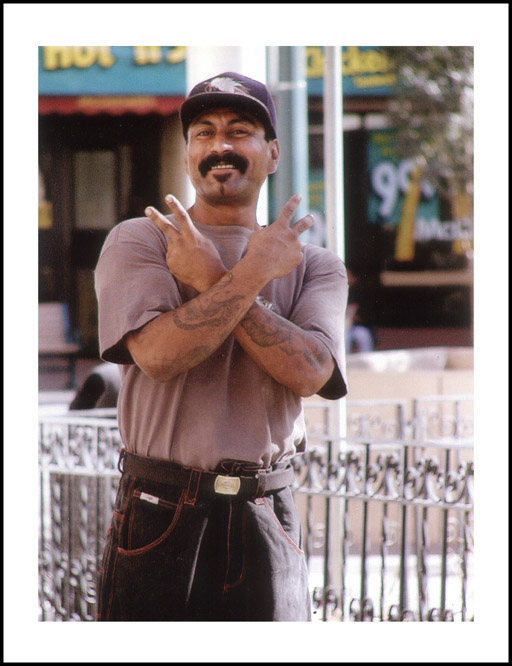
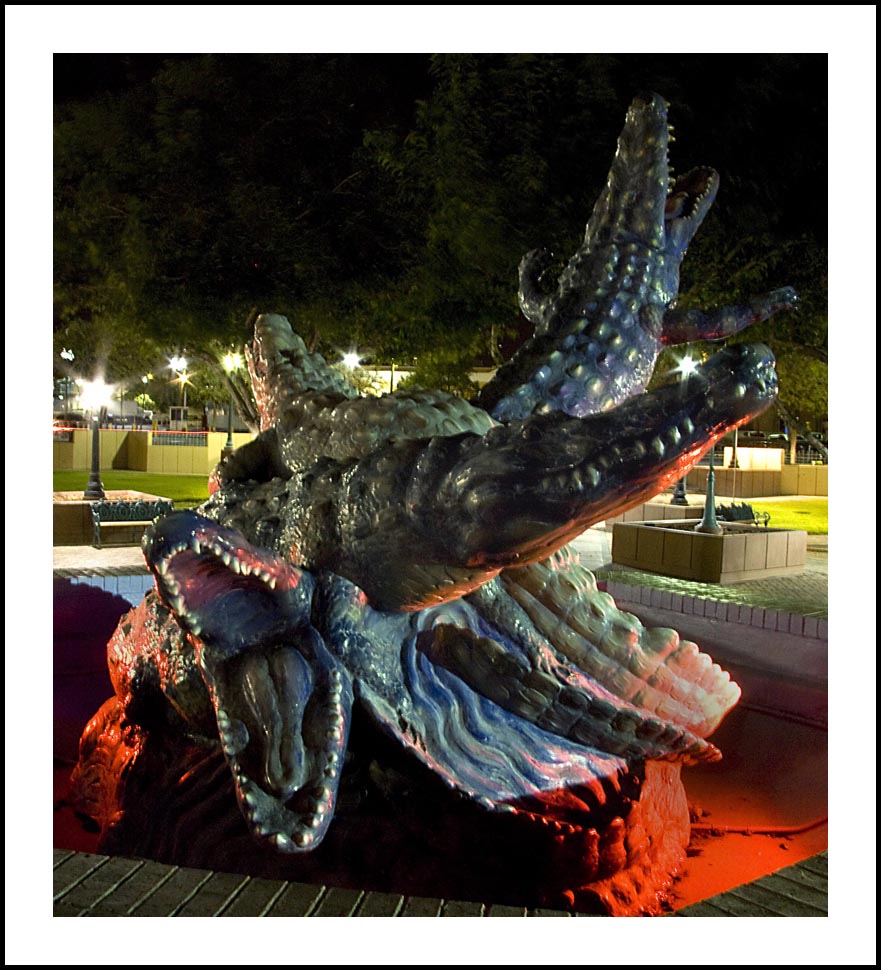
El Paso’s Central Plaza, is officially named San Jacinto Plaza. It is located in the middle of El Paso’s original business district and about 3/4 of a mile from the border with Ciudad Juárez, Mexico. In recent times its unofficially been called Plaza de los Lagartos which refers to the old pool in the middle of the plaza that used to be the home of alligators (lagartos in español) which no longer existed after the early 1970s. The alligators were later commemorated, in 2006, by a fiberglass sculpture of alligators by native son and internationally renowned artist, Luis Jimenez.
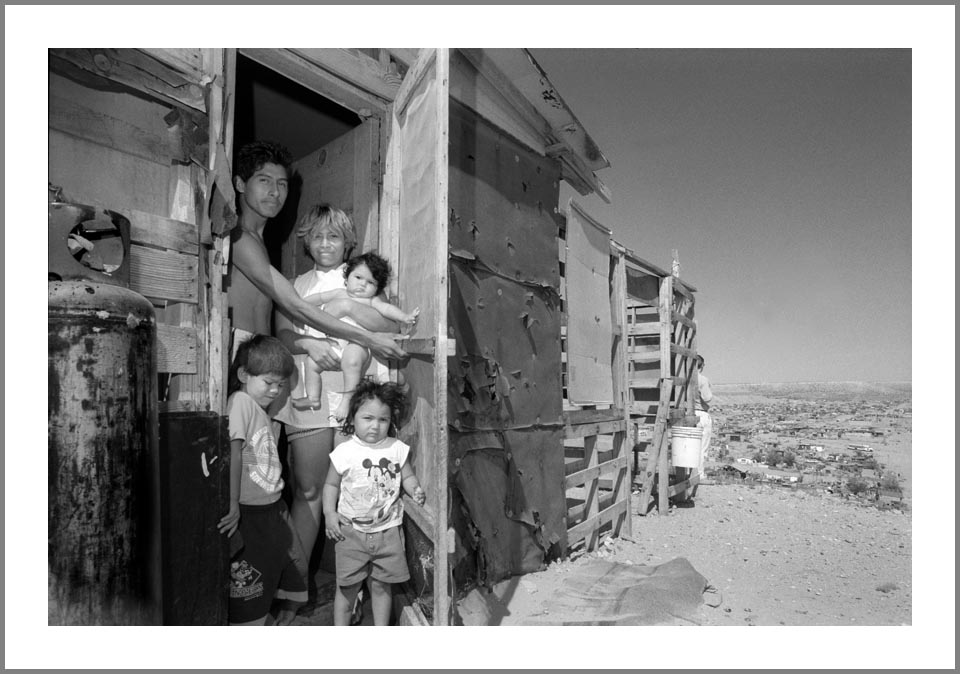
Commentary by the Editor
Juarez, Chih., Mex. — So how did this Cartel War begin and how does it end?
The Border Blog will not answer that today. We look for the things that make the heart tick and leave the fancy thinking to those that make these messes in the first place.
Roughly, for me, it began a long time ago, when the people who have most of the marbles understood that they didn’t have to do a thing about bringing along another class of people who had hardly any marbles at all. Impunity. No apologies. In Juarez the maquila industry began when someone figured out that Labor was a cheap product that Mexico had a lot of and that it could be exchanged for some major profit. Of course nothing so crass as that was said. Rather, this was the bright new day that would lead to a burgeoning “middle class,” and bring everyone up from the bottom. So they said. So the “development” of Juarez began. The powers that be brought willing companies looking for labor and they delivered “labor.” This labor, also known as the citizens of Mexico came from the far flung corners of Mexico. They had nothing else to do and would work at any price, went the theory. Everyone would be happy. You move here, we’ll give you subsistence (and societal dislocation), and we’ll go to the bank. Everyone will be happy.
Right?
When I first started photographing in the maquila factories of Juarez in the early 1980’s the salary in a maquila was $5 per day. Today it’s a little over $7. A full two dollar increase in 20 years. Imagine!
It wasn’t sustainable then and it isn’t now.
The promise of some kind of job, of rising above downright depraved poverty, was strong and people flocked to the border factories. First from Veracruz, then from Durango, then from Torreon and on and on.
If you were a Mexicano and wanted to improve your life without the terrible alternative of actually crossing the border and trying to make it work in El Norte, you headed to the maquilas of Juarez or Tijuana or Nuevo Laredo. If you made that journey you left your culture and customs behind. This was the brave new world.
Bienvenidos campesinos.
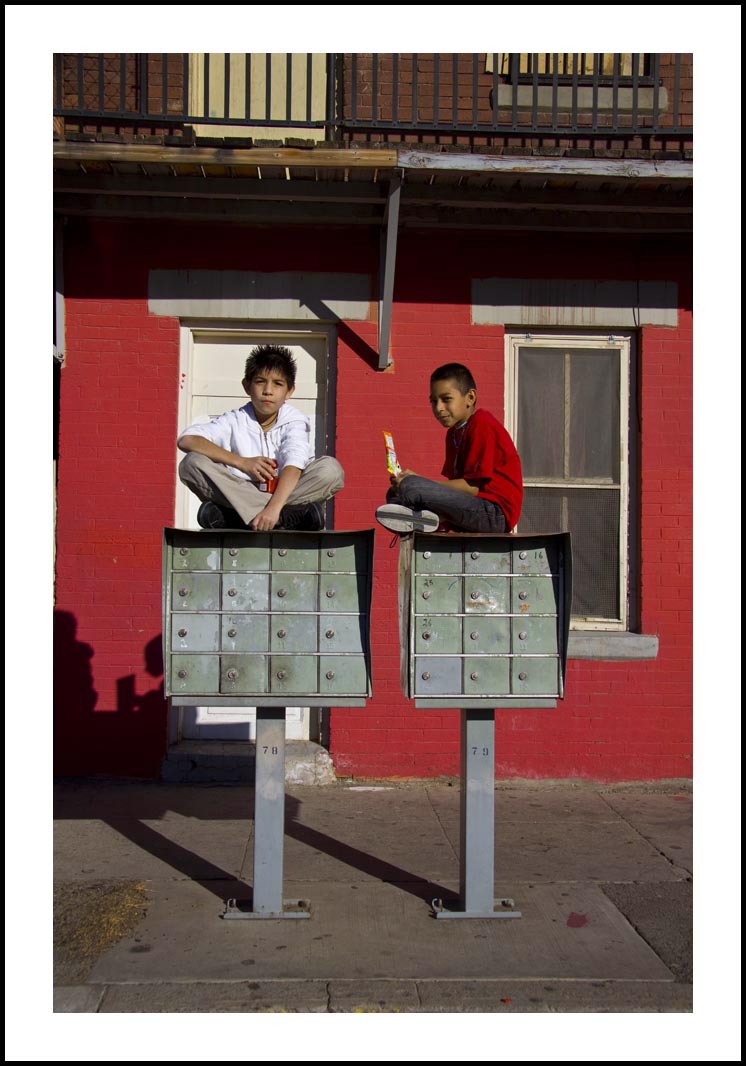
The Shrinking Segundo Barrio
by Bruce Berman
El Barrio, The Segundo, is shrinking.
It’s getting the squeeze. The squeeze has been coming for a century or more but it’s a full assault now, and a generation that had roots in the ‘hood, that was born of a time and place that demanded they fight, is no longer there in numbers and possibly not there in energy and historic resentment.
The neighborhood is being squeezed from the north with the Dreamland Downtown Plan back on Premium and from within. A proposed Science museum in the old Armijo School would be the death blow.
If the deathblow can be delivered to an already dead corpse.
Commentary by Bruce Berman
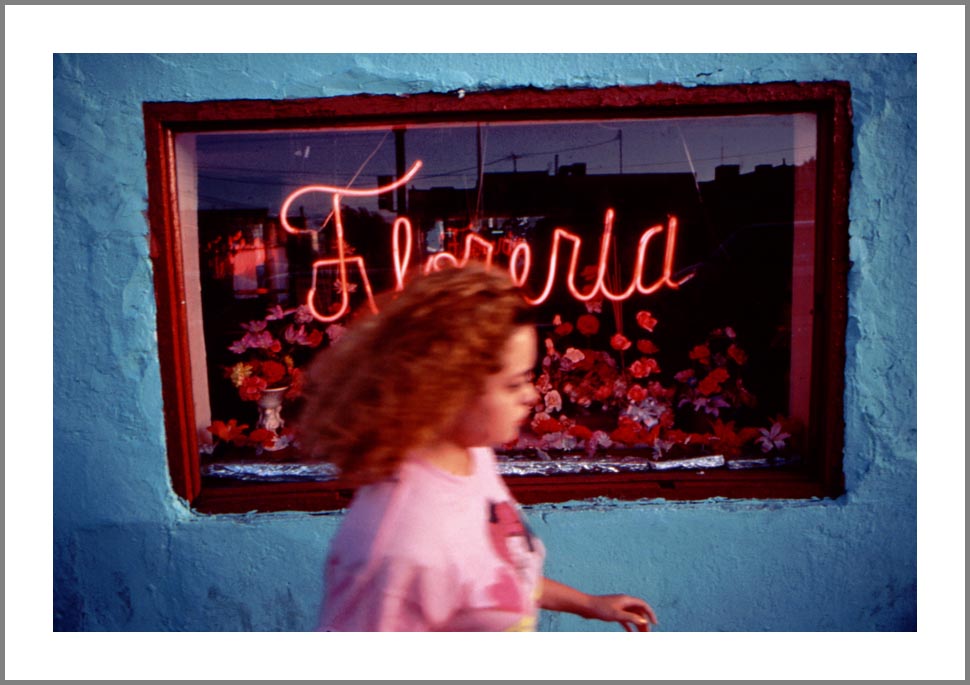
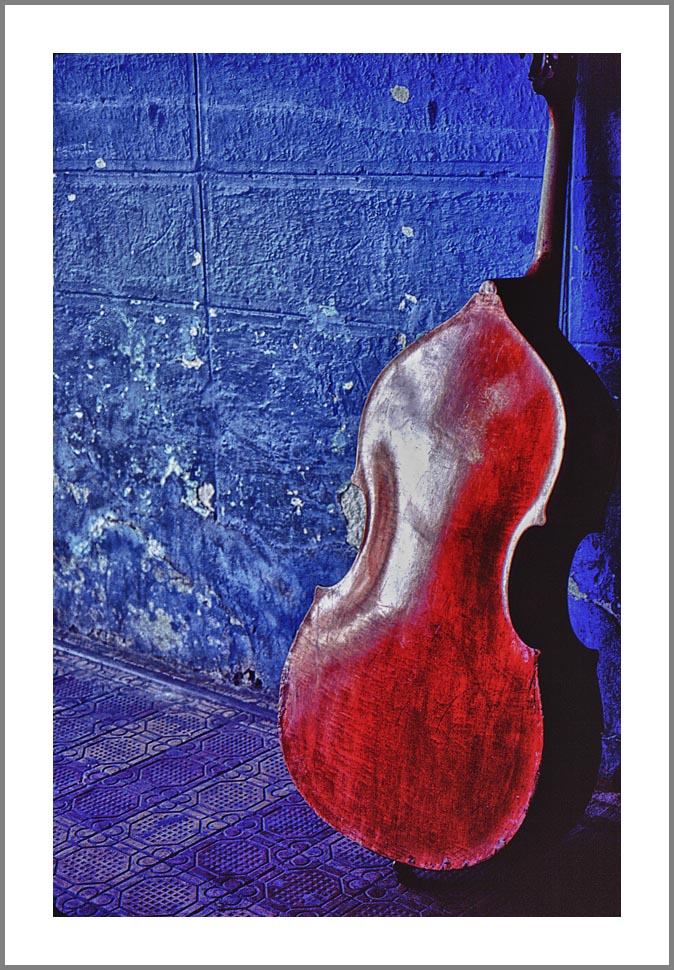
There are many reasons for music and flowers in Juarez. Marriage, love, marking passages of accomplishment and age and transition. And death. Recently there has been little music and lots of flowers have been offered for goodbyes to loved ones, lost in the war. There are a lot of crossed fingers these days, lots of hope for better times, for the good. It’s been a long “winter” and it won’t go away right away. But there is still a Juarez in Juarez and the one we love is not gone. It had color and style and verve. It will again. There was the sweet smell of gardenias in the night air and thoughts of new possibilities and the violins played music of happiness in the skillful hands of roving mariachi. The Pop sounds of a new generation had begun to fill stadiums, singers emerged from as far away as DF and from within. Juarez was about style and boldness and defiance, a unique culture built over the past century, forged from a revolution and tempered by the shadow of a bossy and boasting neighbor. J town, Chihuahua. Strong, bold and pretty.
It’ll take a lot. A lot has happened.
It will be back. It is coming back (Estará de vuelta. Que se está recuperando).
It is, isn’t it? We hope.
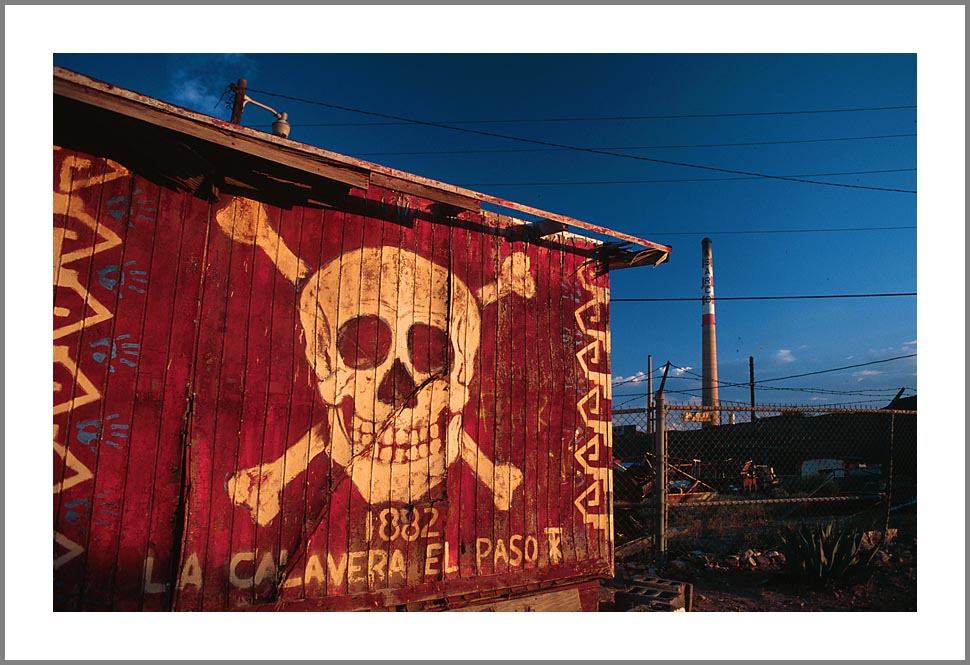
A Dear John Letter to ASARCO
by Bruce Berman
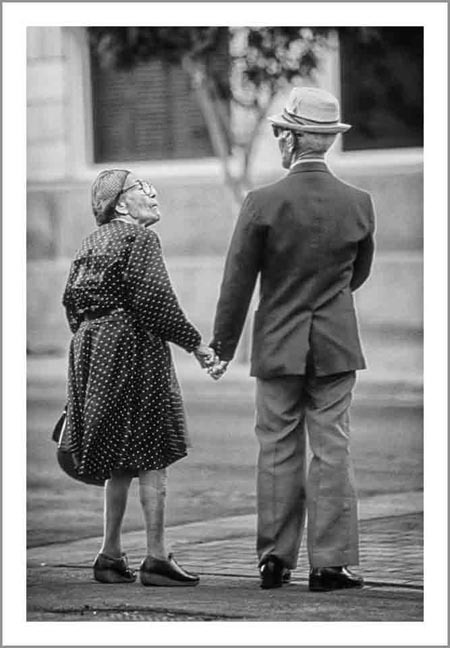
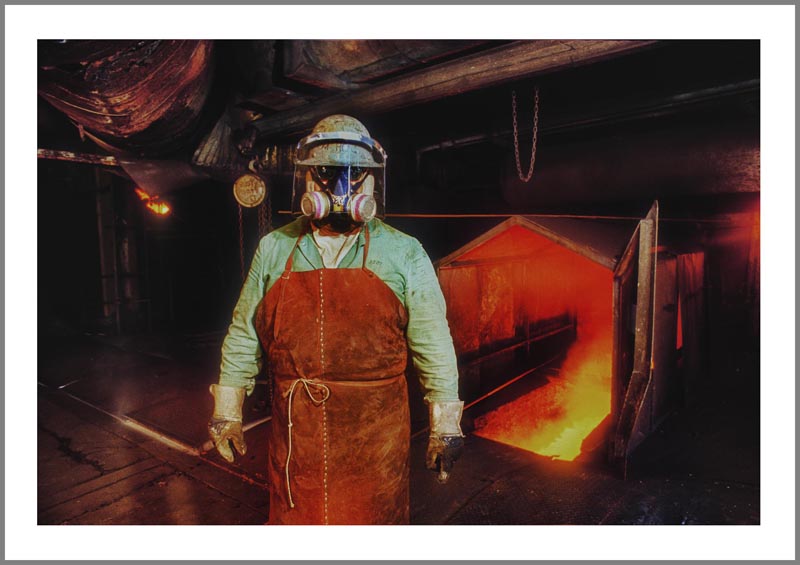
Au revoir ASARCO. You were the spine of the border, a big giant dong sticking up out of the river, pouring flames and sulfur, lead and smoke. The town grew up around you, fed off of you, then outlived you. You looked down on battles and traffic, always with the bifocals of looking at two countries at once. Looking east to El Paso, you looked down on the dusty foothills of the Franklins that became Kern Place and Mesa Hills, the sheik and elite (in its own mind). On the other, looking west, down into the dust and turbulence of Juarez, you looked down onto Colonia Felipe Angeles, which, too was foothills, that became a shanty town which became a barrio which became (shhhh..not quite yet) a path to a port of entry into New Mexico. What a vantage point you have had. When I first saw you I stood up straight, saluted and said, Wow, yes sir!
I dug you from the gitgo, had the pleasure of working inside you, being constantly re-awakened by you, of working inside you near those flames with the weather outside 105 degrees, feeling the comradie of your workers, the satisfaction of being inside something that wild and crazy and productive, a caldron of energy and raw power.
Christmas Eve/El Paso
A Personal Narrative
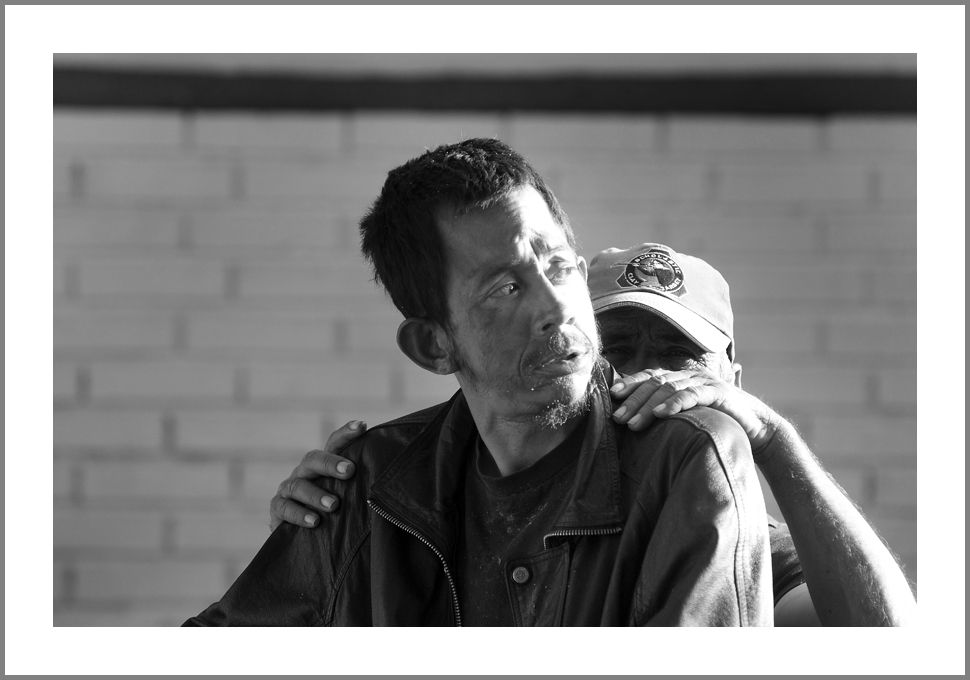
Lost and abandoned. Christmas Eve reminds me of that, right now, as I look out my south-facing window to Juarez (three blocks away) across the valley of Juarez, to the foothills of the Sierra Madre, where Creamac sits, CREAMAC, the “mental Institution” there, where the people huddle, people with trouble, trying to be warm, trying to make sense of the world, trying to live. CREAMAC, the House of the Abandoned and Troubled and Hurt.
I should be there. Today. Often. More often. I struggle with that. It’s snowing outside. Excuses to stay home, safe, just wrestling my own demons. I should cross the bridge (would my car get back over the ice on the bridge later tonight?), I should do SOMETHING!
Do I?
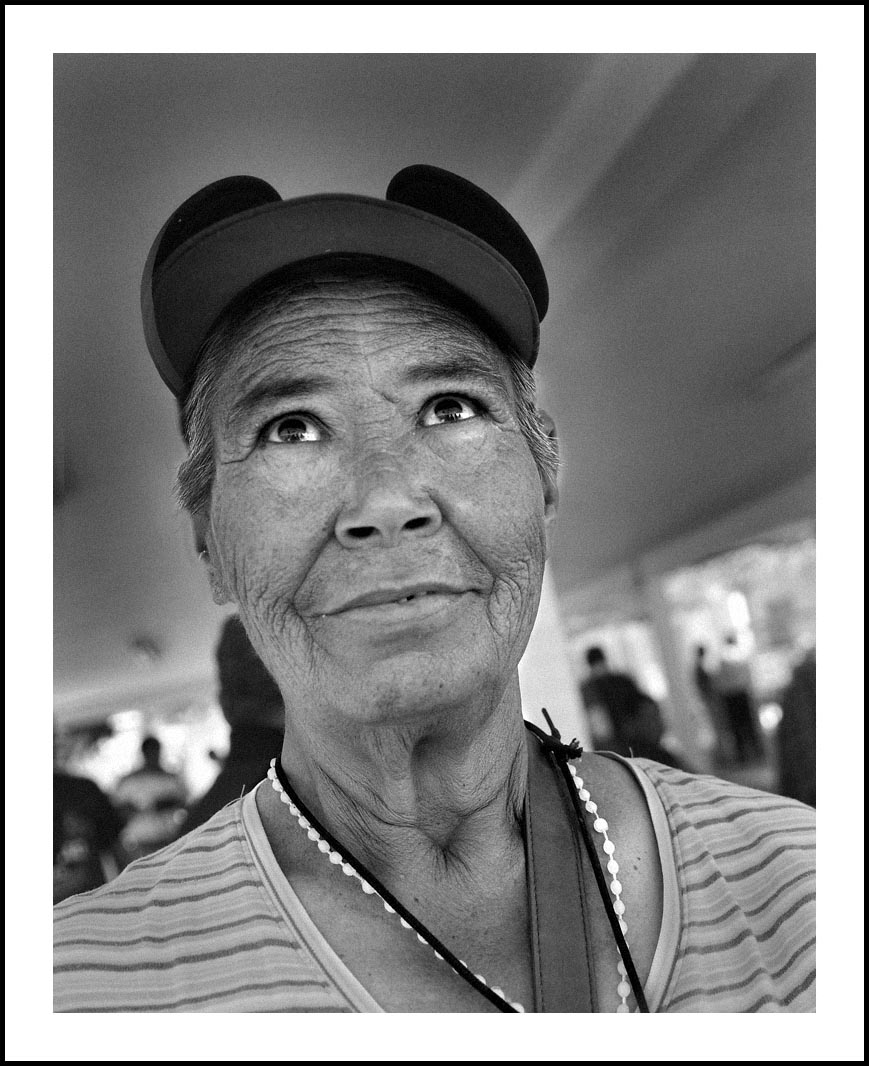
Photo and Text by Bruce Berman
Juárez —
Maria. Full of grace. And other emotions.
A permanent resident of CREAMAC, in the hills of Juárez, way up there, near the Guadalupe, the last place on one of the last streets, near the top. Some people call it an “insane asylum.” It started as a place the mayor of Juárez sent “street people.”
He took an old police station and created a shelter and ordered the tourist police to “get those people off the streets.” That was 34 years ago. There are still people there…from then!
I go there, driving through the anxiety streets of the troubled city, eyes are out, sharp, both ways. These days, if you keep up with the ever terrible news coming from the Cartel War, there’s a game you play, while driving in Juárez. You match up news with the locations where it happened, that you’ve heard about: “Oh, there, that’s where the drug rehab place is: 16 murdered in three minutes. Oh…there is where the mother and son got shot. Up that street, that’s where the family got wiped out but one kid hid under the bed and survived, yeah, and over there, that’s where they put the bomb inside the guy and dressed him as a cop and called in the Cruz Roja and Policia Federal and then blew him up, right there, over by the old market.”
And so it goes.
It could go on forever on a long ride, but we race through the streets, purposely. There is no leisure in Juárez, only meaningless purposefulness.
On this day, we’re heading to the “Insane Asylum,” which seems like a more positive mission than chasing down murder scenes.
El Paso —
by Bruce Berman
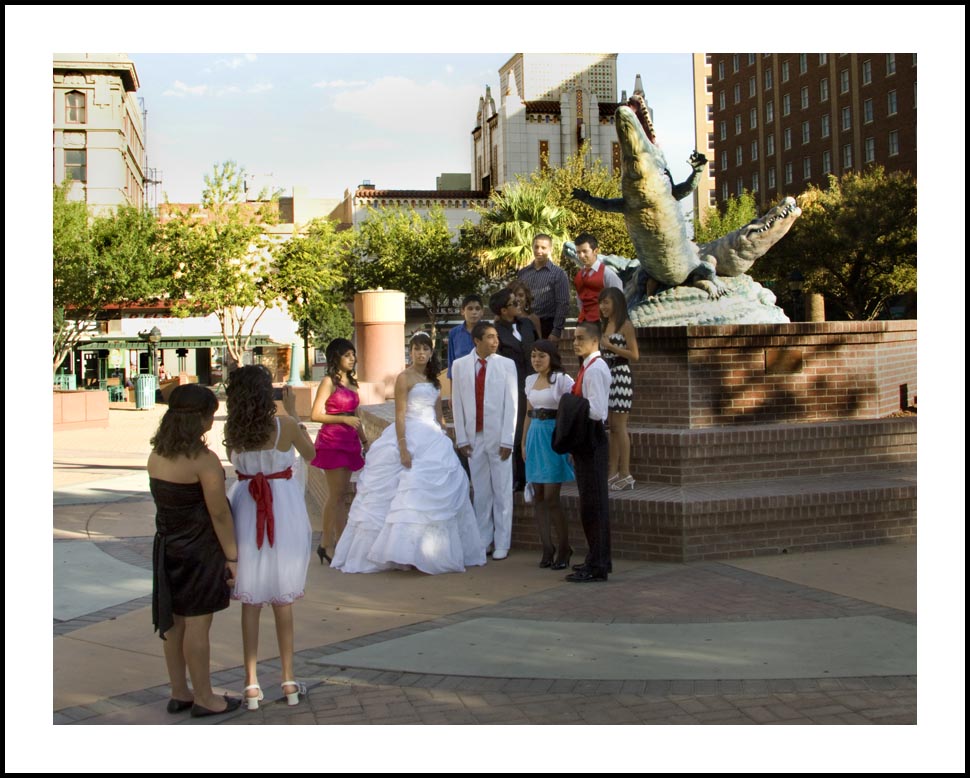
This is what kids do on their Quincineras in El Paso. They go to the heart of El Paso. They go to the downtown plaza, the “San Jacinto Plaza.”
This is what they want to record for a background, Los Lagartos, the alligators. They don’t go to the Mall. The Plaza theater around the corner really isn’t open to them (hey why not show movies? Why is it closed? It’s for “the people, isn’t it? Show movies in the daytime and they will come). Kids -and visitors- go to where their heart tells them there is a soul to the city: they visit Los Lagartos.
Do they even know why? Do they know that the artist who conceived and constructed the Lagartos was one of them, a local kid who once had a rented tux(I’ve seen the picture), celebrating like El Paso kids do, joyous and robust, almost free for a day (well that Limo driver is just out of camera range and is -unofficially- going to pass on a little mini spy report to the parents and they know it!).
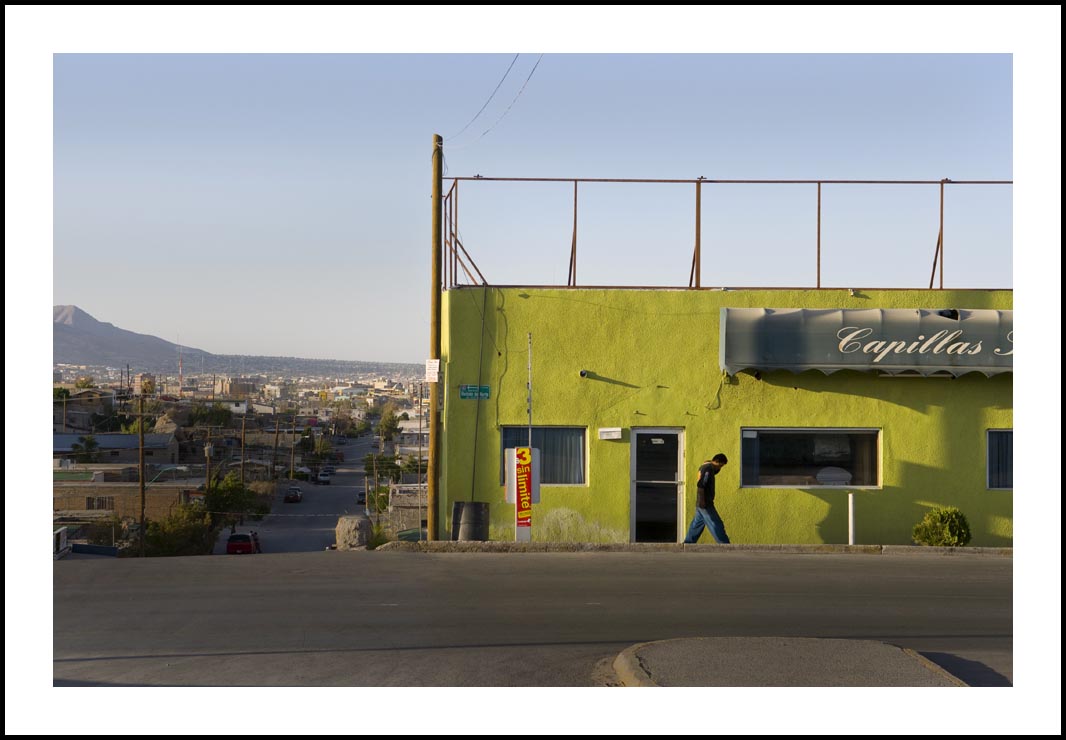
Juarez –You keep hearing that “Juarez is dead.” Juarez is not dead. It’s stripped, diminished, bruised and humbled but is it is not dead.
Most small business commercial strips are shuttered or just smashed and abandoned.
The streets are amazingly empty, the bustle and sheer madness of the traffic that was Juarez is gone. That Petromex smell of burning diesel that always hung in the air, along with the smell of fresh tortillas and dust, lessened.
But it is not dead.
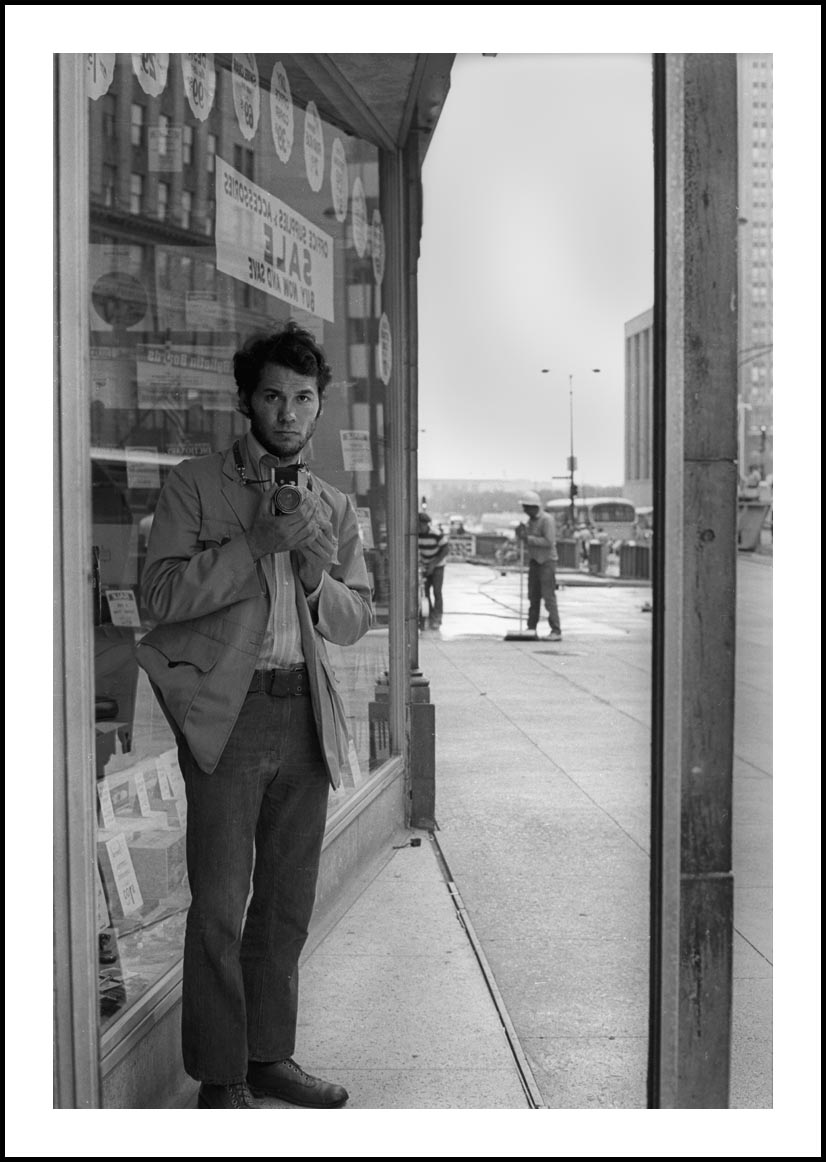
Garry Winogrand. Off kilter. Off beat. And right on in capturing the milliseconds of the oblique.
Watch this video and think about Garry lassoing the non-monumental. He was a wild puppy and full of life. Just enjoy the fun.
A memoir: Meeting Garry Winogrand
by Bruce Berman
Garry was a photographer and a winner of prizes: three Guggenheim Fellowship Awards (1964, 1969, and 1979) and a National Endowment of the Arts Award in 1979. He was a street guy and he was, most of all, a New Yorker. His photos reek “NYC.” He was hugely famous and revered in the 1970s and 80s.
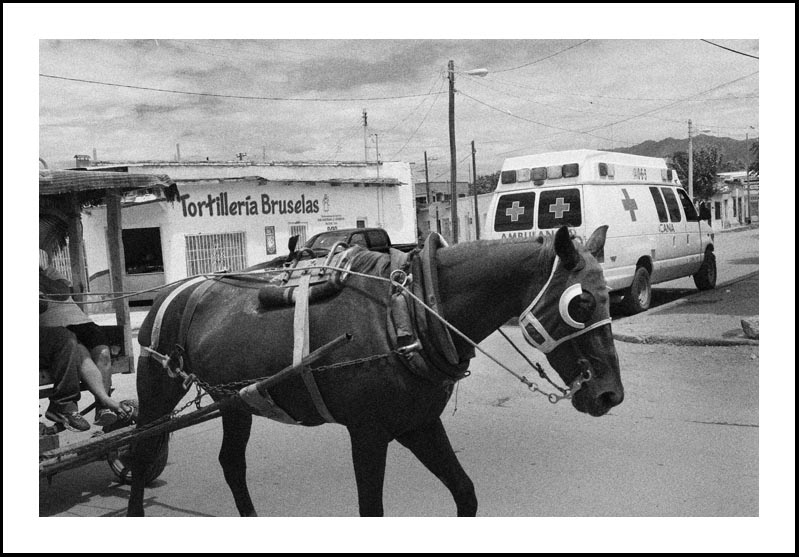
JUAREZ, Mexico – Juarez still stands. It is still Juarez. It is a city of my heart. I am not alone. It is insane what has happened in Juarez. There is no reference or metaphor: it just stinks. I walk the streets and there are “tastes,” of the old city. The “new city,” the one of Malls and chrome and green eco-glass, the nightclubs and shiny new cars has disappeared more than the old city has.
This might say something about what the condition of the city was before “The Troubles.”