Search results
288 results found.

On The Edge of the Edge – The U.S. – Mexico Border
288 results found.
A Dear John Letter to ASARCO
by Bruce Berman
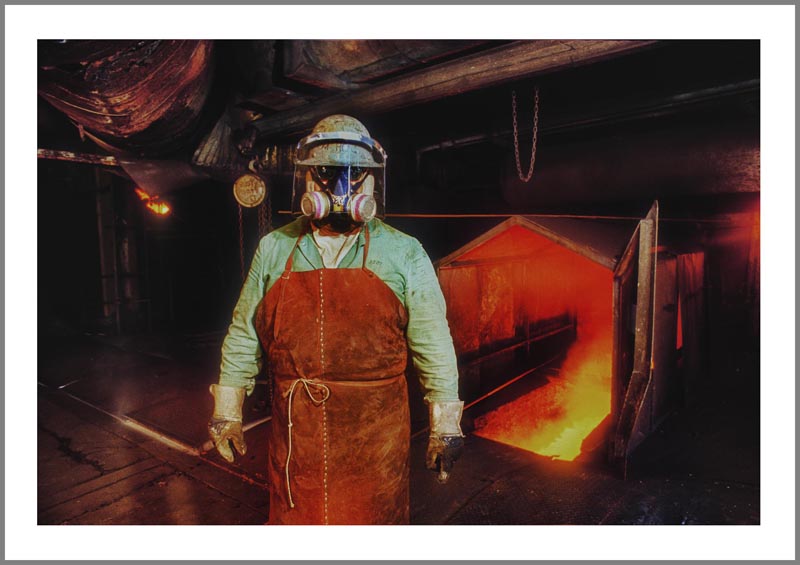
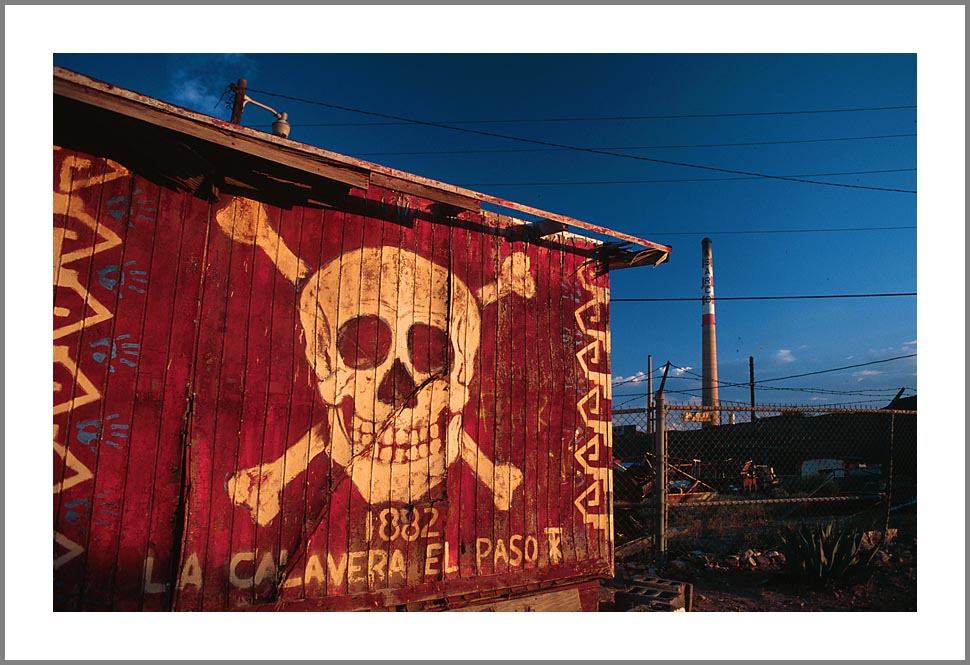
Au revoir ASARCO. You were the spine of the border, a big giant dong sticking up out of the river, pouring flames and sulfur, lead and smoke. The town grew up around you, fed off of you, then outlived you. You looked down on battles and traffic, always with the bifocals of looking at two countries at once. Looking east to El Paso, you looked down on the dusty foothills of the Franklins that became Kern Place and Mesa Hills, the sheik and elite (in its own mind). On the other, looking west, down into the dust and turbulence of Juarez, you looked down onto Colonia Felipe Angeles, which, too was foothills, that became a shanty town which became a barrio which became (shhhh..not quite yet) a path to a port of entry into New Mexico. What a vantage point you have had. When I first saw you I stood up straight, saluted and said, Wow, yes sir!
I dug you from the gitgo, had the pleasure of working inside you, being constantly re-awakened by you, of working inside you near those flames with the weather outside 105 degrees, feeling the comradie of your workers, the satisfaction of being inside something that wild and crazy and productive, a caldron of energy and raw power.
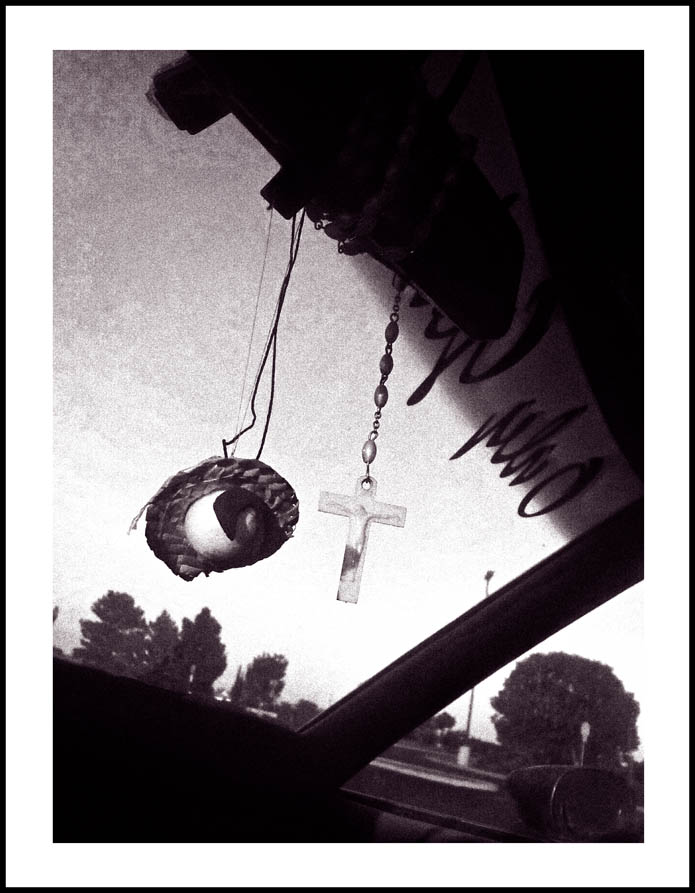
One sees the world through one’s own window. This is the Low Rider’s punta de vista. What’s your’s?
Rato Vato….I’m back!
Christmas Eve/El Paso
A Personal Narrative
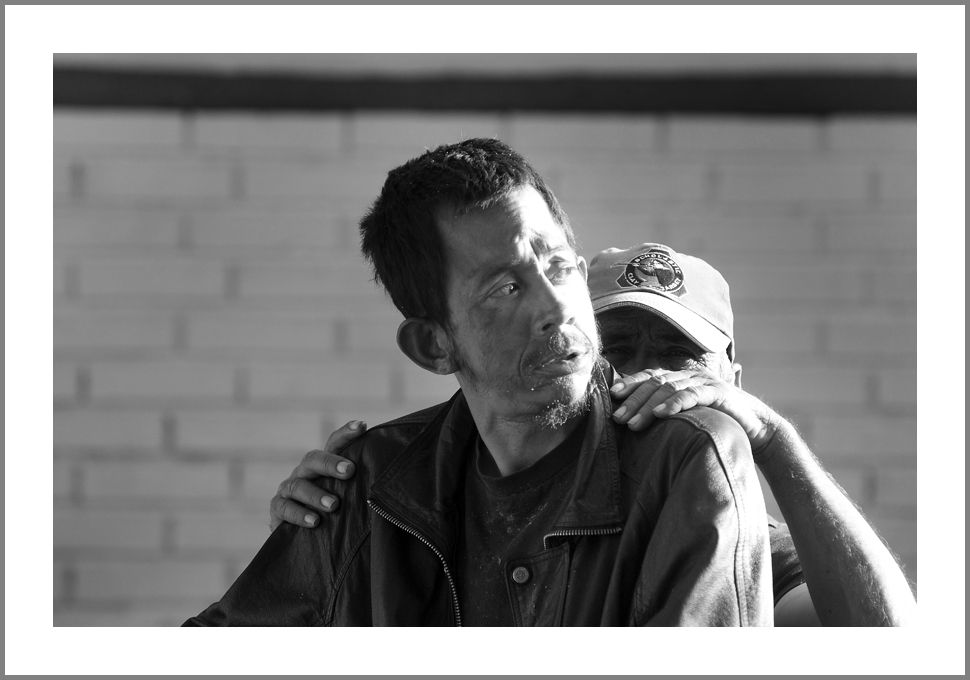
Lost and abandoned. Christmas Eve reminds me of that, right now, as I look out my south-facing window to Juarez (three blocks away) across the valley of Juarez, to the foothills of the Sierra Madre, where Creamac sits, CREAMAC, the “mental Institution” there, where the people huddle, people with trouble, trying to be warm, trying to make sense of the world, trying to live. CREAMAC, the House of the Abandoned and Troubled and Hurt.
I should be there. Today. Often. More often. I struggle with that. It’s snowing outside. Excuses to stay home, safe, just wrestling my own demons. I should cross the bridge (would my car get back over the ice on the bridge later tonight?), I should do SOMETHING!
Do I?
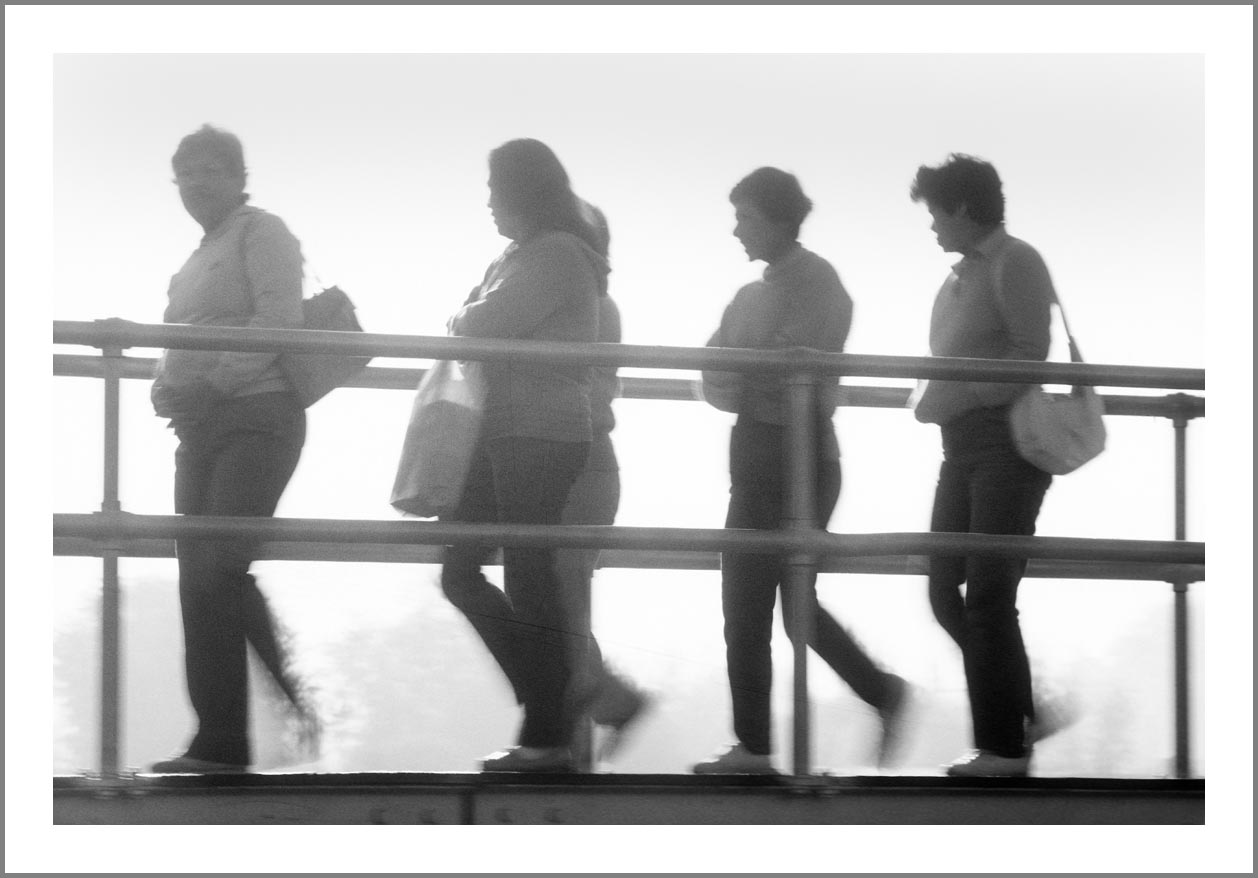
The river with two names: Rio Grande/Rio Bravo del Norte. Depends where you begin and where you end and where you return to. These women are heading north. It was a long time ago. Everything has changed and nothing has changed and I suspect it will continue to change and not change forever.
The river with two names, the R2, is also the place of the personality with two halves.
Confusing, no?
It is the place of bifurcation. But even that has two sides: twice as much insight.
Where are these women now? Which side happened to them? What happened to me? What happened to Juárez and the U.S.?
What happened to me?
I know this: people will cross going north no matter what and no matter the year. People will cross less, going south, depending on the year.
The river will flow south from Colorado (a Spanish name) to the Gulf of Mexico (an English language name).
And none of it matters to anyone living here except that one government makes it hard for another people to do what they have done for thousands of years and another government makes it necessary.
Who’s confused and who’s doing the confusing?
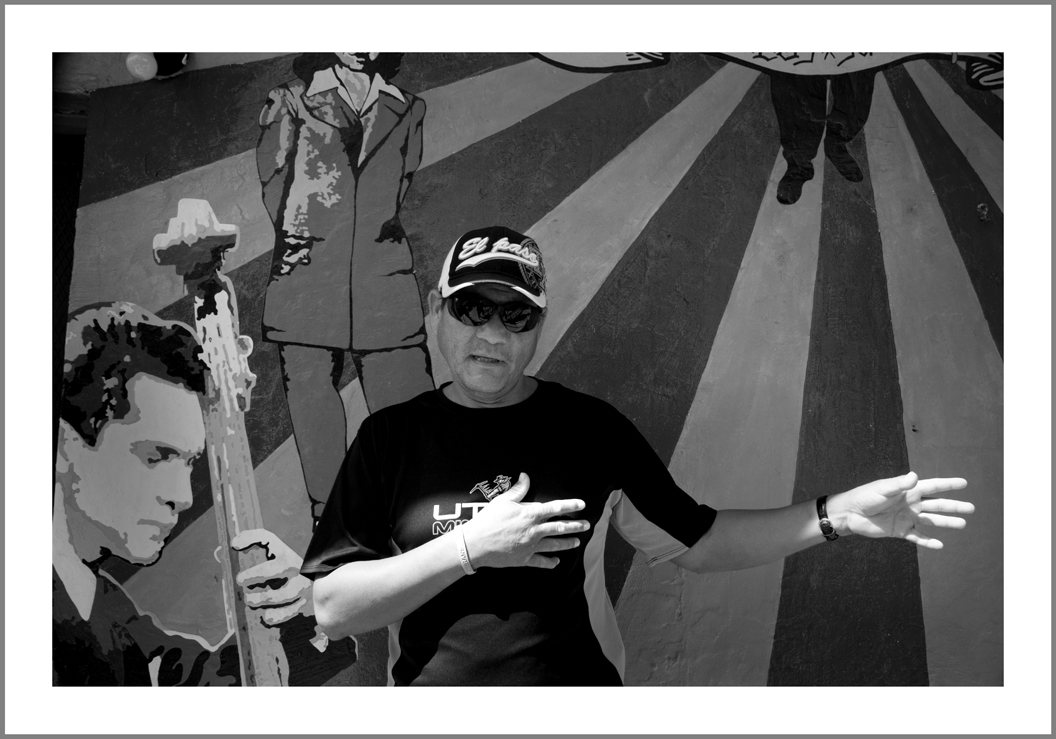
Photo and Text by Bruce Berman
Man from Anthony, New Mexico, describing his younger days in the Segundo barrio.
The Segundo barrio is El Paso’s most historic neighborhood, hugging the border with Juarez, Mexico and architecturally intact from the 1880’s “railroad boom,” that brought fired brick architecture and “Chicago Brick (which is atypical red).” Some adobe structures go back to the early 19th century. This part of the city has had human habitation for thousands of years. Spanish travelers began European settlement at this place in the Rio Grande/Rio Bravo in the mid 1600’s.
The real significance of the Segundo barrio, however, is the Latino community and it is significant. The barrio, historically, was the first “stop” on the journey north to “El Norte,” whether it was a matter of days for rest or for a generation of orientation. Many people in El Paso trace their roots to family who lived in El Segundo barrio in their first years in the United States.
FOR CAFÉ TACUBA VIDEO (and the rest of this article):
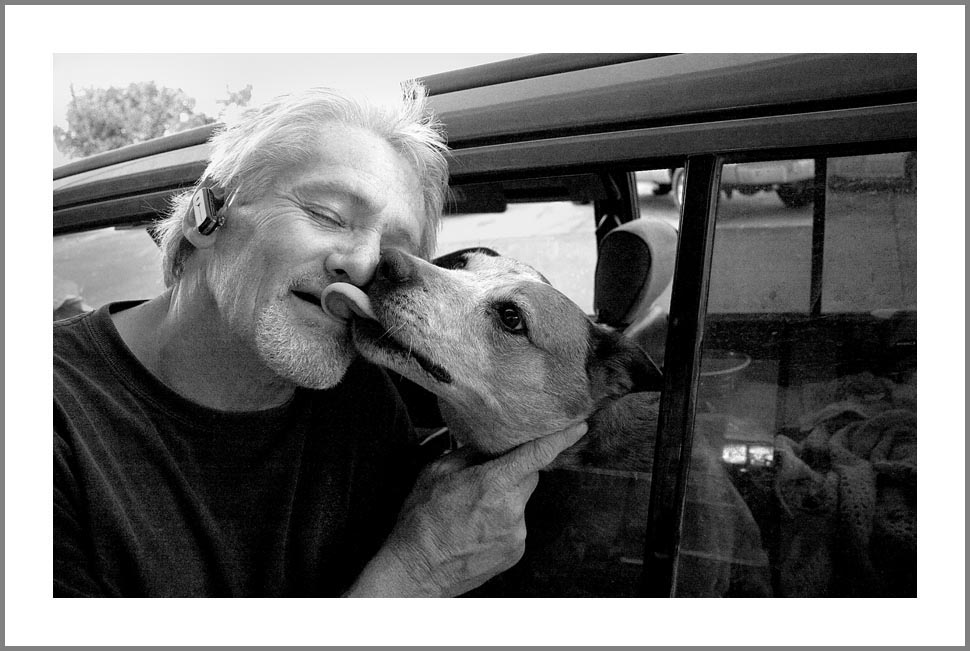
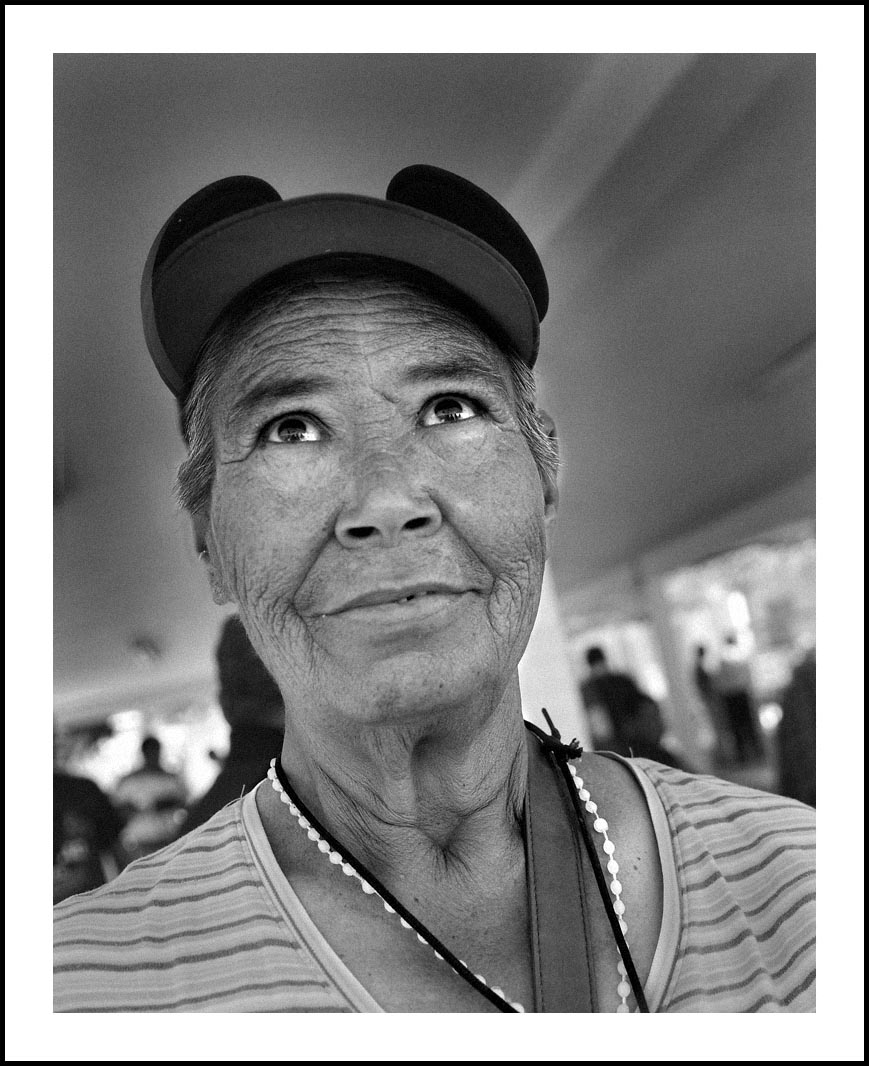
Photo and Text by Bruce Berman
Juárez —
Maria. Full of grace. And other emotions.
A permanent resident of CREAMAC, in the hills of Juárez, way up there, near the Guadalupe, the last place on one of the last streets, near the top. Some people call it an “insane asylum.” It started as a place the mayor of Juárez sent “street people.”
He took an old police station and created a shelter and ordered the tourist police to “get those people off the streets.” That was 34 years ago. There are still people there…from then!
I go there, driving through the anxiety streets of the troubled city, eyes are out, sharp, both ways. These days, if you keep up with the ever terrible news coming from the Cartel War, there’s a game you play, while driving in Juárez. You match up news with the locations where it happened, that you’ve heard about: “Oh, there, that’s where the drug rehab place is: 16 murdered in three minutes. Oh…there is where the mother and son got shot. Up that street, that’s where the family got wiped out but one kid hid under the bed and survived, yeah, and over there, that’s where they put the bomb inside the guy and dressed him as a cop and called in the Cruz Roja and Policia Federal and then blew him up, right there, over by the old market.”
And so it goes.
It could go on forever on a long ride, but we race through the streets, purposely. There is no leisure in Juárez, only meaningless purposefulness.
On this day, we’re heading to the “Insane Asylum,” which seems like a more positive mission than chasing down murder scenes.
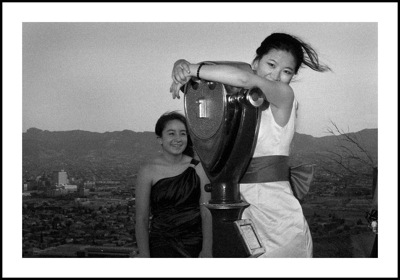
Murder schmurder! It’s Prom Night in El Paso.
Those buildings in the background are downtown El Paso. The space behind, the mountain, that’s Juarez. That girl there, in the foreground, the one with the whimsy and the joy and the hopes and the fragility, she’s a million miles away from this borderland desert, that stupid and brutal war (Juarez), that trying parking lot monotony (El Paso), at least for this night.
What is the news anyway? Is it what “they (in my case, us)” say it is? Or is it the dreams of a young girl (or boy) on one of the most remembered nights of one’s life?
I’m thinking the news, the significant events of our world are days and evenings, like this. Viewpoint. Remember that (!) as we become addicted to trouble and stress and our live’s of “quiet desperation (you wouldn’t know it if you looked at TV commercials would you?).”
One can hope it’s that way.
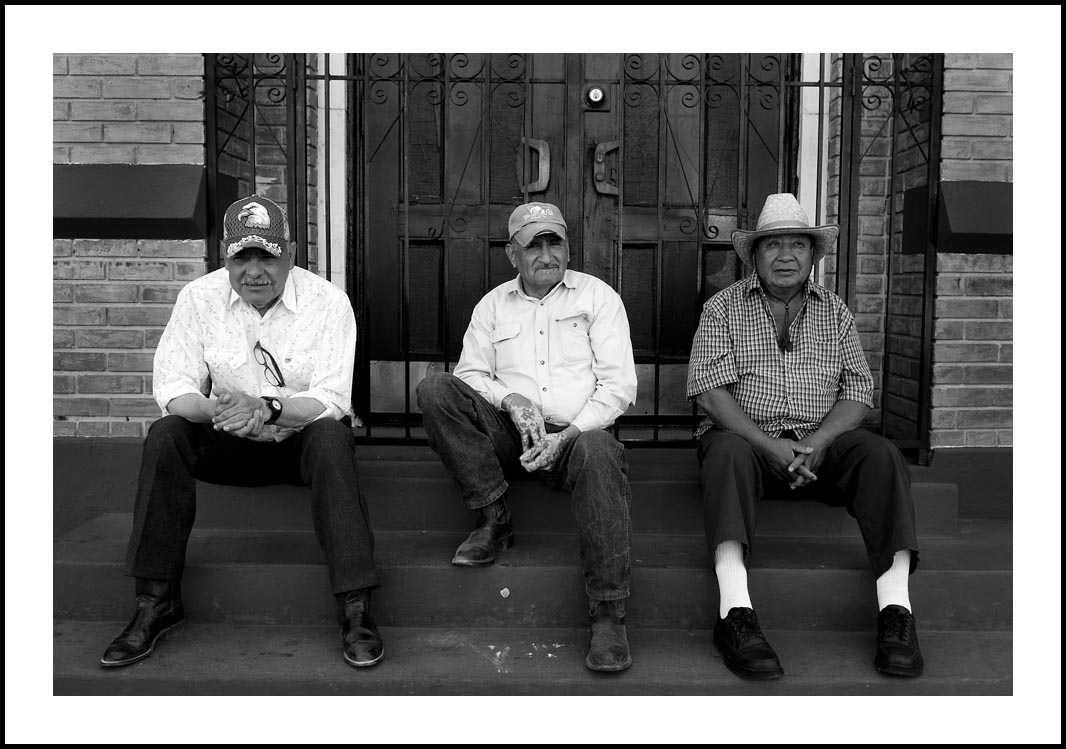
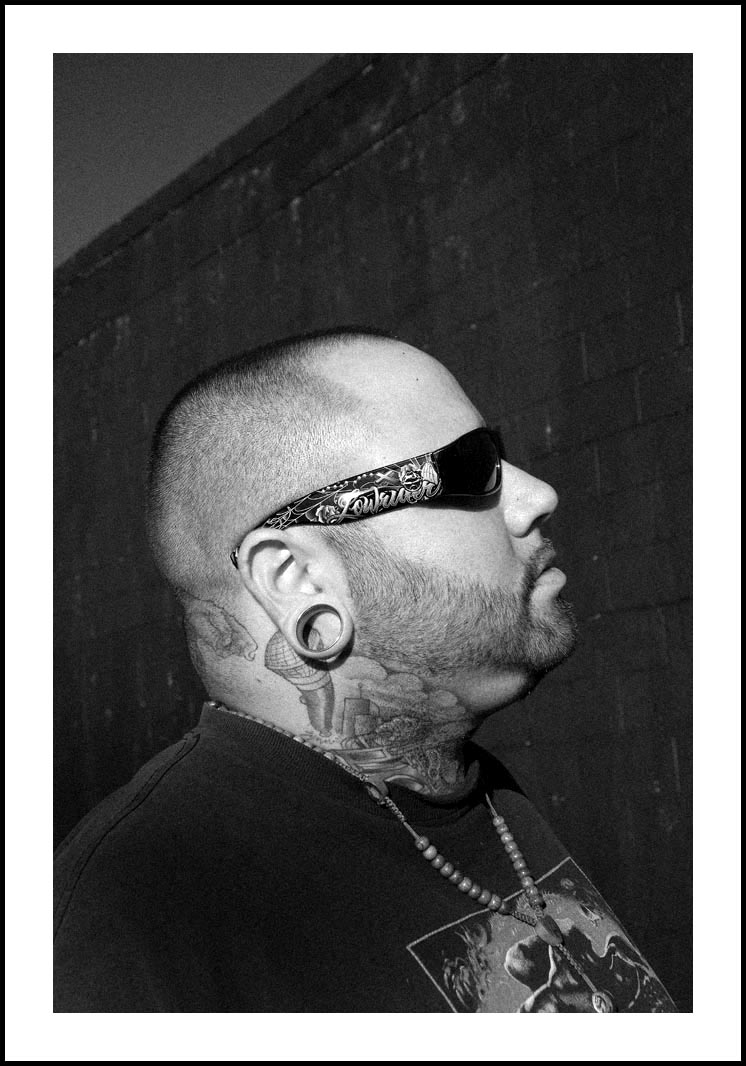
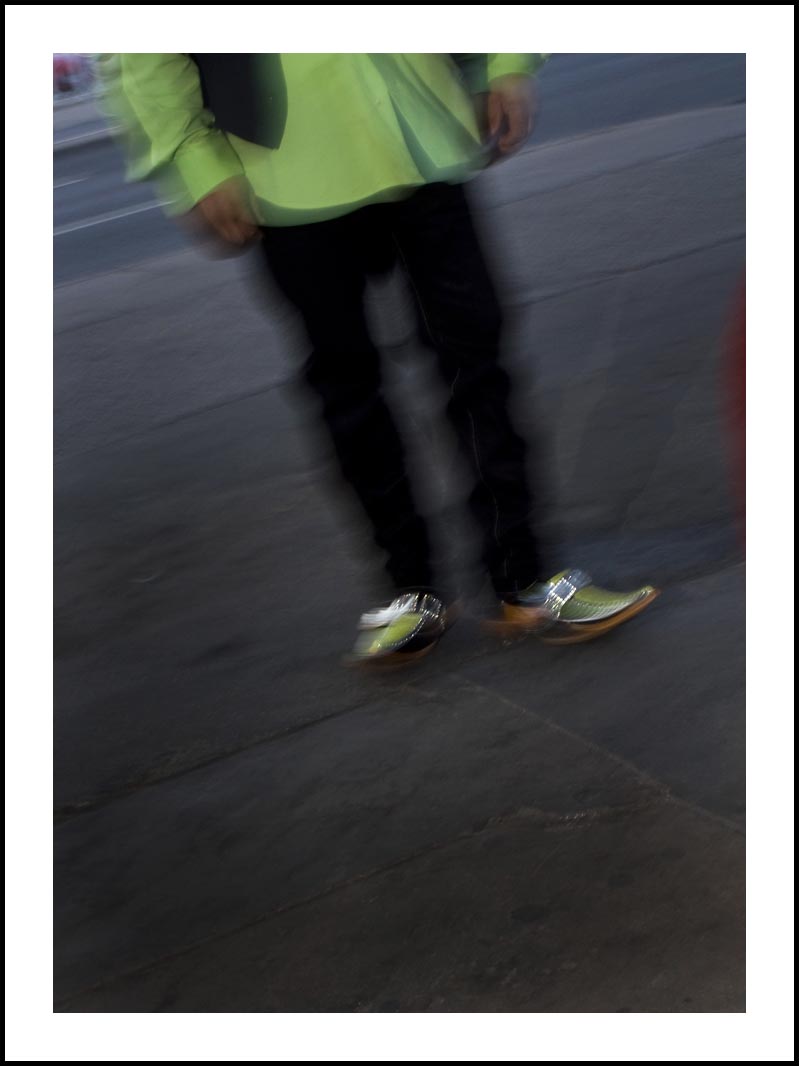
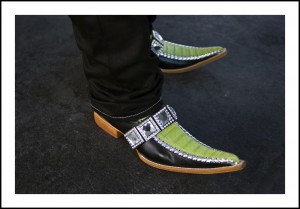
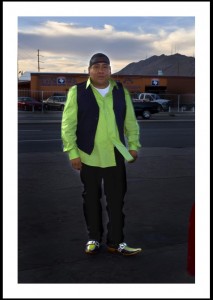
El Paso –Six blocks to the border. There are diamonds. Well, they ought to be diamonds. He says they cost $250. I believe him. Sunday drive. Family in the Dodge. Stylin’ on Paisano Street by Bowie (Boooie). If you know El Paso you know the references. If you don’t it wouldn’t matter. Chuco street.
One of the riddles of photography for me is that every once in awhile there is an image that must be in color. Most everything I see and shoot is in B/W, but every once in awhile…
This dude is in color.
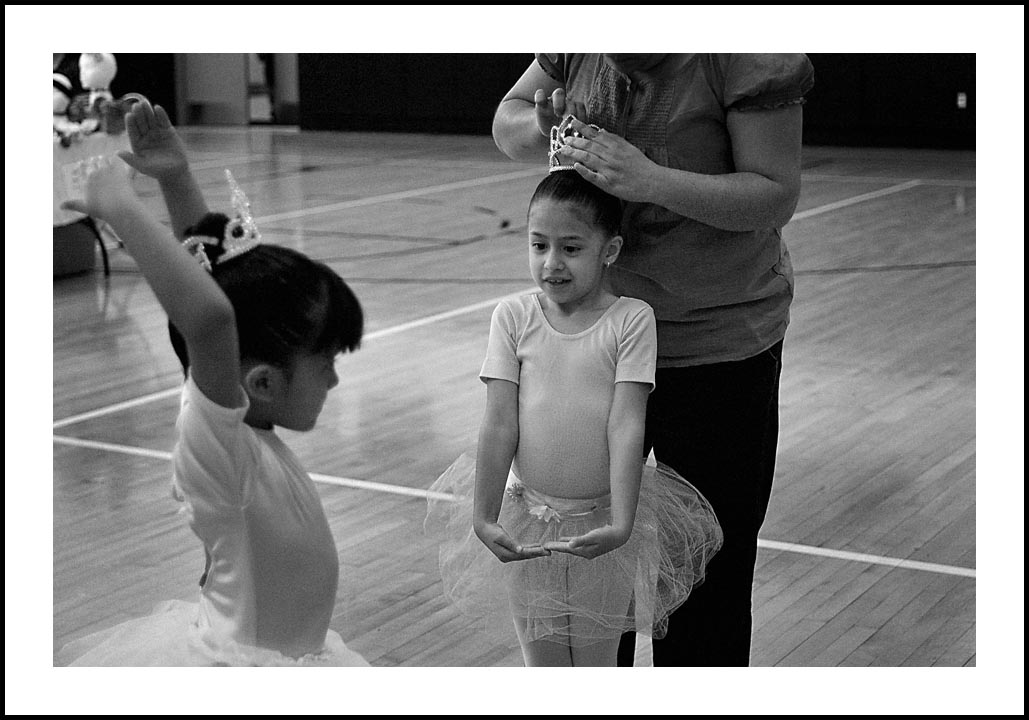
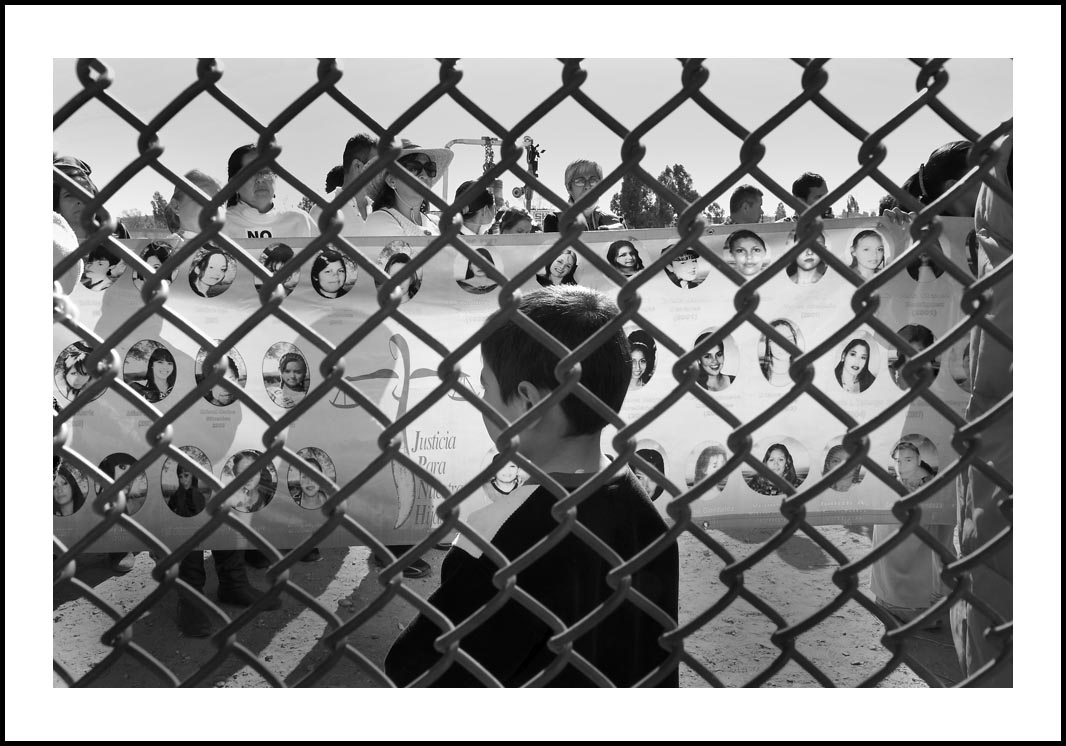
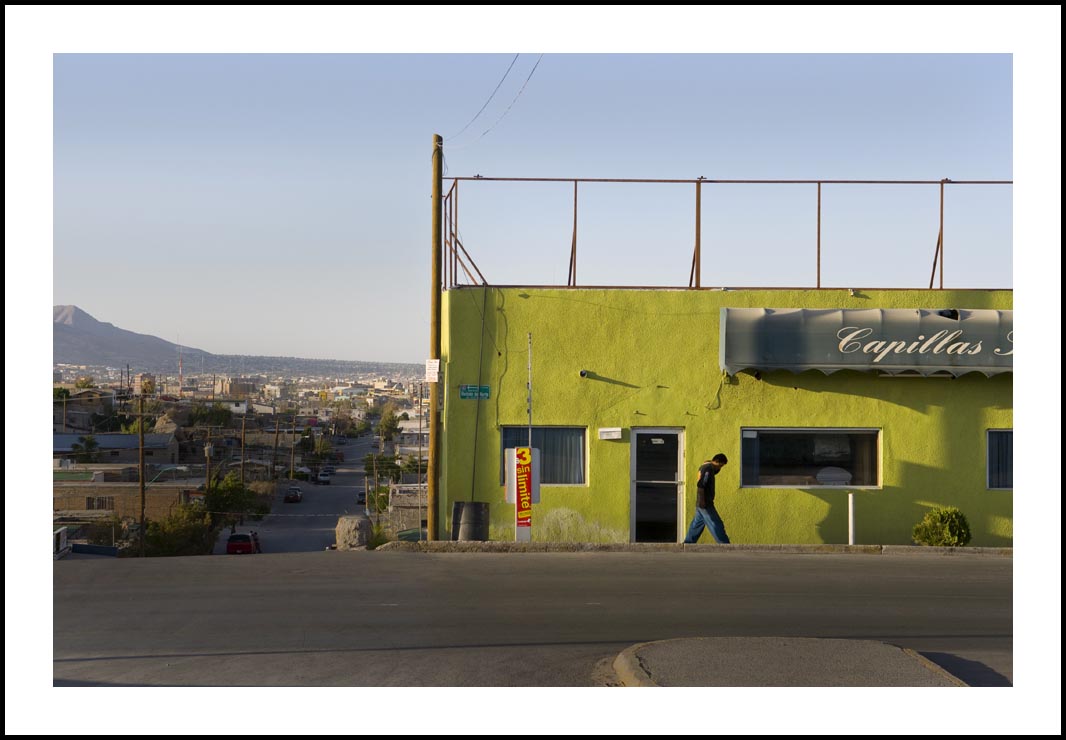
Juarez –You keep hearing that “Juarez is dead.” Juarez is not dead. It’s stripped, diminished, bruised and humbled but is it is not dead.
Most small business commercial strips are shuttered or just smashed and abandoned.
The streets are amazingly empty, the bustle and sheer madness of the traffic that was Juarez is gone. That Petromex smell of burning diesel that always hung in the air, along with the smell of fresh tortillas and dust, lessened.
But it is not dead.
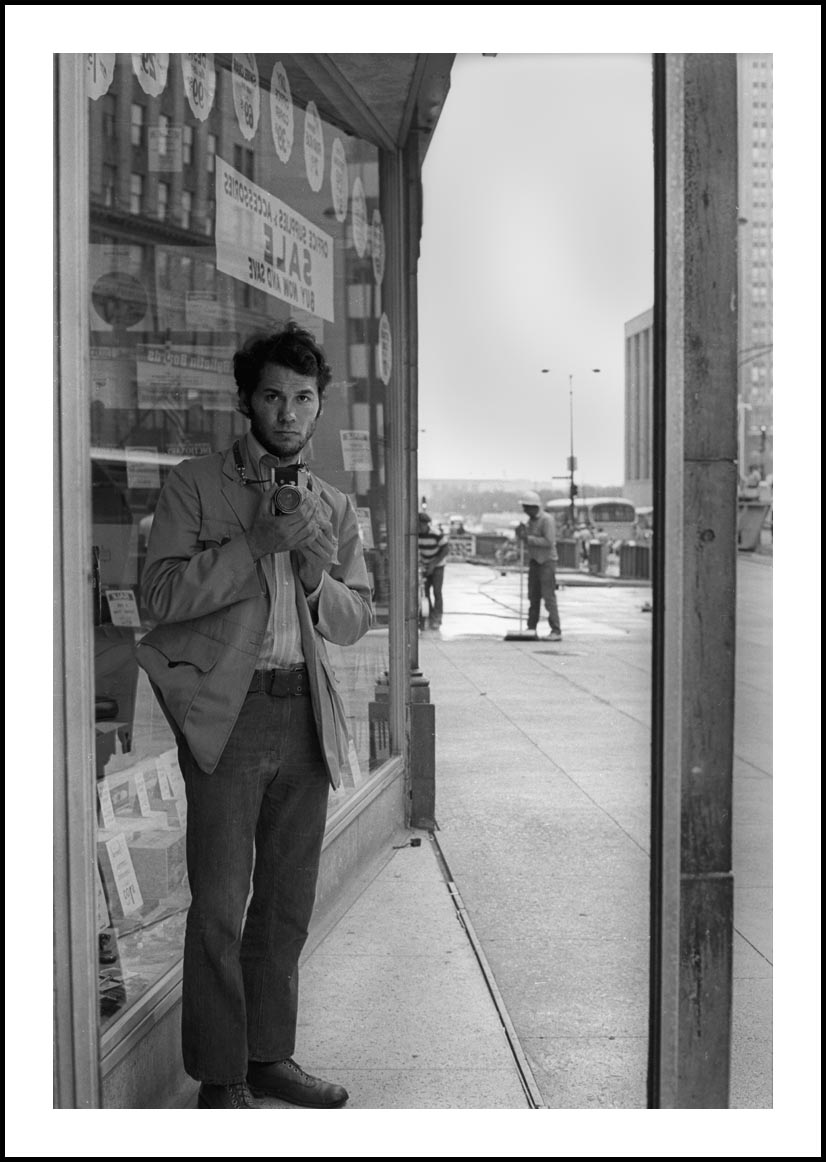
Garry Winogrand. Off kilter. Off beat. And right on in capturing the milliseconds of the oblique.
Watch this video and think about Garry lassoing the non-monumental. He was a wild puppy and full of life. Just enjoy the fun.
A memoir: Meeting Garry Winogrand
by Bruce Berman
Garry was a photographer and a winner of prizes: three Guggenheim Fellowship Awards (1964, 1969, and 1979) and a National Endowment of the Arts Award in 1979. He was a street guy and he was, most of all, a New Yorker. His photos reek “NYC.” He was hugely famous and revered in the 1970s and 80s.
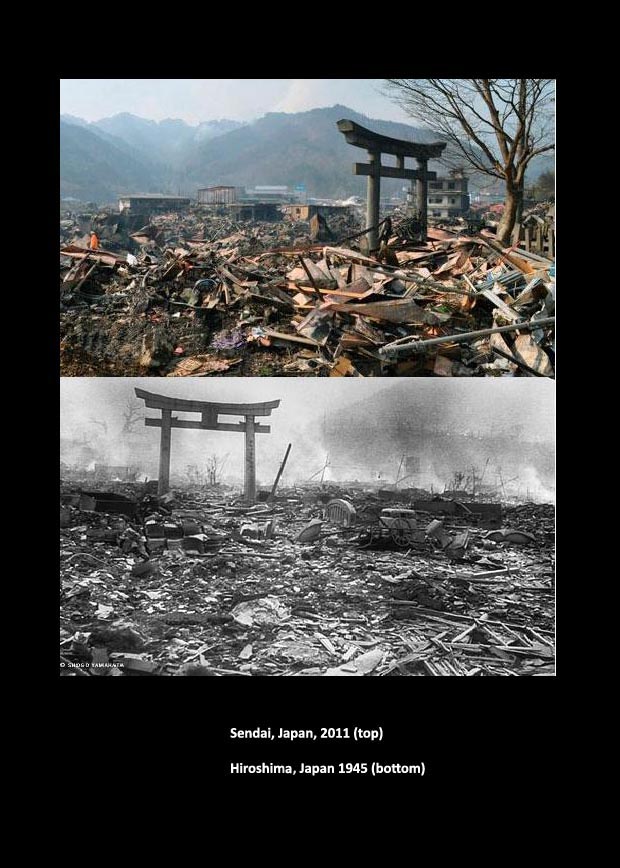
Japan –One takes one’s blows. Japan, oil-less for so long, bitten by the need for energy for so long, powered by spirit, hard work and, now, uranium, has received a blow. A blow is either fatal or forgettable.
We will see.
I receive a message from my old student, in Osaka. He is going to have an exhibition in September (and begin his studies in photography anew). Yeah! Forward. The horizon. Onward. His show will be work that he began in my documentary class: Smokers. Pure defiance! So cool.

What do you die from first: smoking, radiation or loss of defiance?
Go Keita! Go Japan! Live your future. It’s good .
Life goes on.
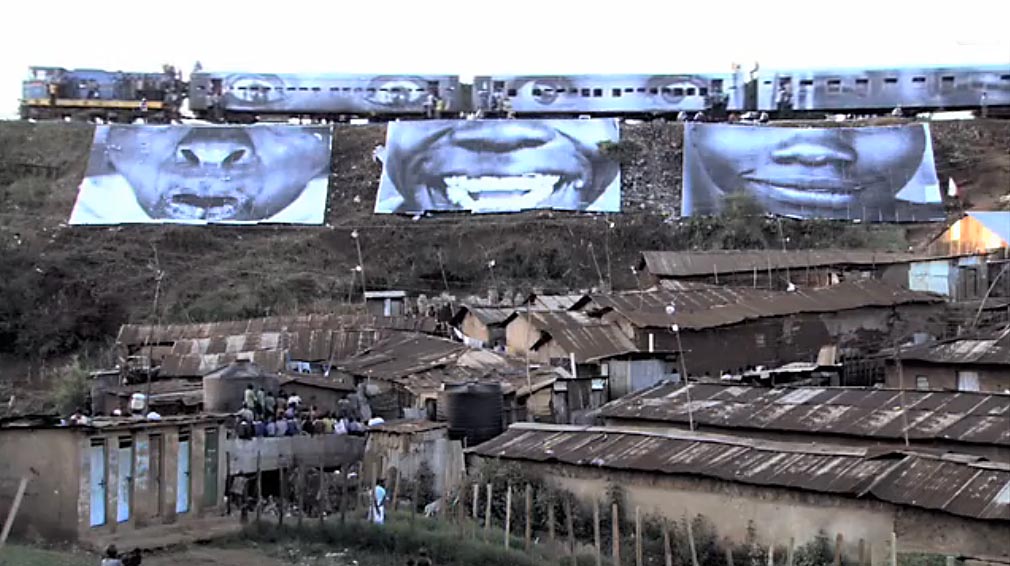
Editor’s Note: This is an amazing project. In the era when people worry about the demise and/or future of journalism, when academics question the effectiveness of journalism in a 24/7 news cycle world, there is JR, who is producing and promoting another form of photojournalism and not only bringing his subjects into the communication process, he is bringing the work done on the subjects back to their environments. Check it out:
About JR the artist:
INSIDE OUT is a large-scale participatory art project that transforms messages of personal identity into pieces of artistic work. Everyone is challenged to use black and white photographic portraits to discover, reveal and share the untold stories and images of people around the world.
See the video:

Las Cruces –Anything else? There’s still space.
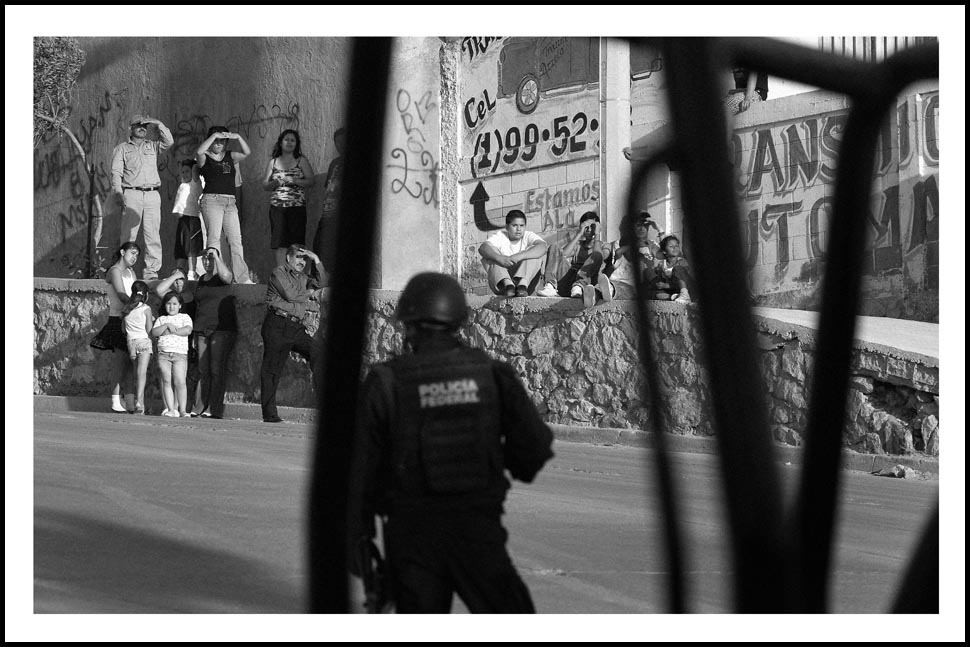
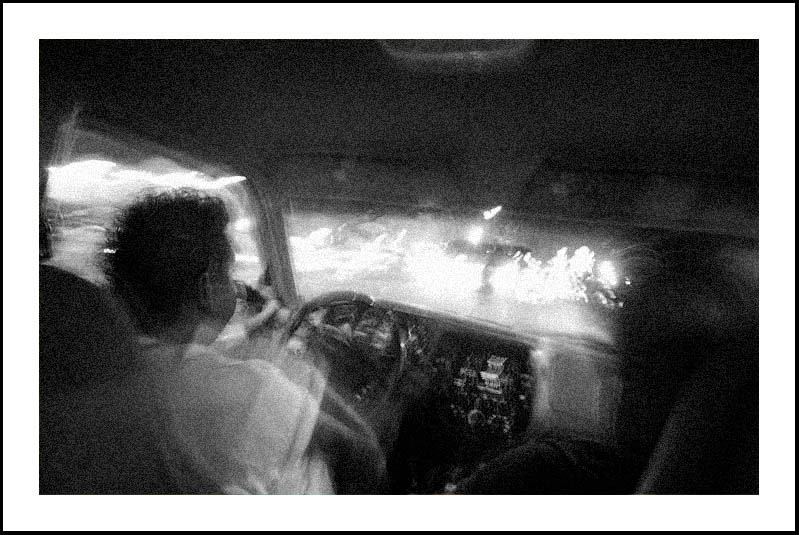
An important piece on the journalists of Juarez by Brent and Craig Renaud/New York Times
“Reporters in Juárez not only cover drug cartel violence but are often targets themselves.”
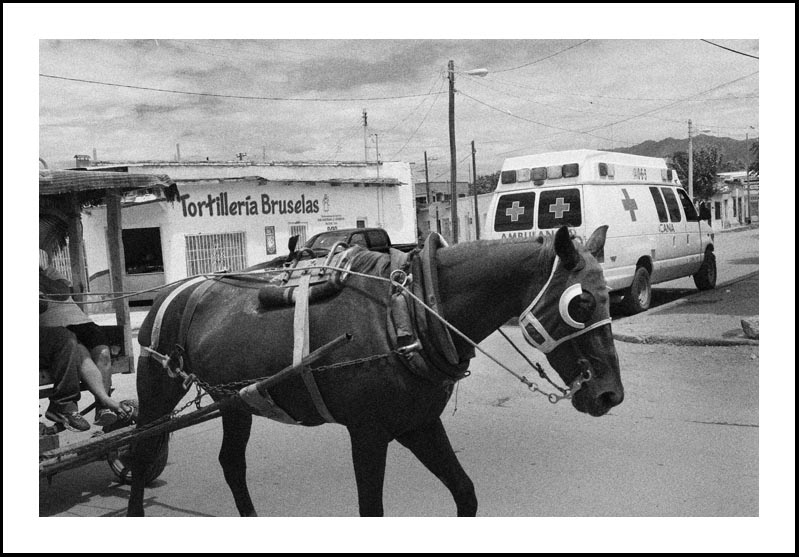
JUAREZ, Mexico – Juarez still stands. It is still Juarez. It is a city of my heart. I am not alone. It is insane what has happened in Juarez. There is no reference or metaphor: it just stinks. I walk the streets and there are “tastes,” of the old city. The “new city,” the one of Malls and chrome and green eco-glass, the nightclubs and shiny new cars has disappeared more than the old city has.
This might say something about what the condition of the city was before “The Troubles.”
[flagallery gid=6 name=”Gallery”]
Is there any Light at the end of Juárez’s tunnel?
There are a lot of things in Juárez these days: widows, widowers, killers, thugs, riddled bodies, drug addicts, every day normal people, kids going to school, people being married, bombs and death across the street (almost) from the old “City Market.” Everything.
There is very little Light.
The city seems to have turned from sunny and bright and colorful to Black and White, like an old photograph, one that wasn’t “fixed,” very well and is losing it’s contrast and fading away. The brightness is gone. Light is at a premium, right now, for sure, in Juárez.
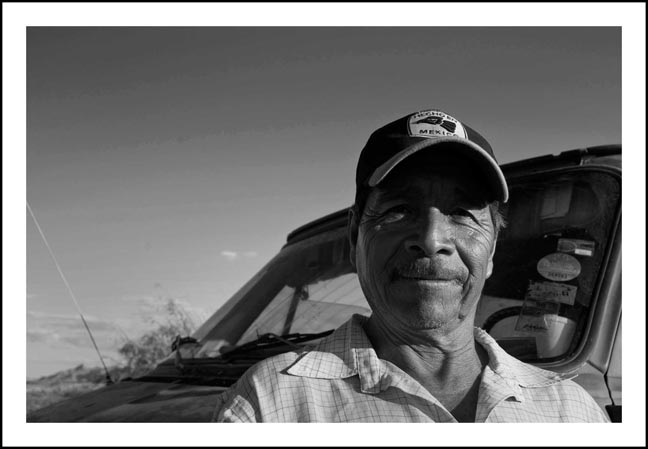
Dear Martin,
I said I would be back to Lomas and I haven’t been back in a year now. It’s crazy. I drive to work in Las Cruces three times a week and I look to the west and I can see you, I can see Lomas, right there, the flat top mesa poking out from behind Cristo Rey.
No, I haven’t been back. I am sorry. Life caught up with me and I had to do my labors, take care of biz, run around like a chicken without a head. And, in the meantime, I have fallen in love with a photo project, far away from here, up in Nuevo Mexico, and I have given it a lot of my attention.
All weak excuses.
I said I’d be back and continue the work we began and I haven’t.
You -and sus vecinos, sus compañeros in Lomas del Poleo- are never out of my thoughts.
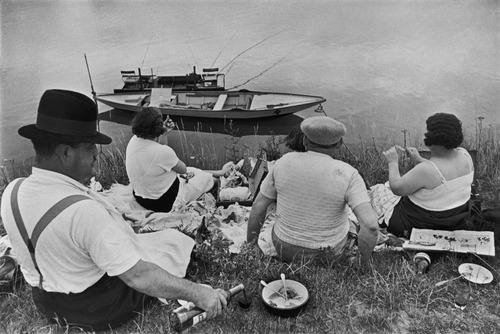
Is Photojournalism Dead Yet?
by Steve Ettlinger
Born in the 1930’s, come of age in the 1950’s and 60’s, and pronounced near dead in the 1970’s and virtually buried by the closing of magazines/rise of the internet–you have to wonder how it is that some aspects of this wonderful world are still around.
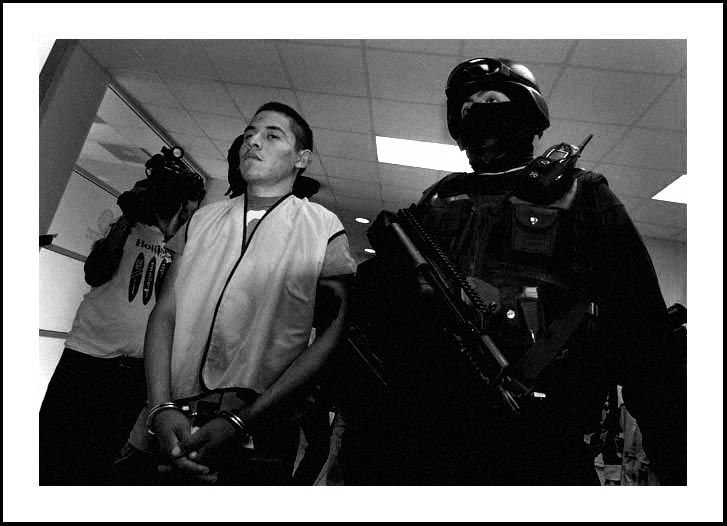
Iasi Emanuel Rodriquez Gamez , aka “El Enano (the dwarf),” 22, is led down a hallway, by a member of the Federal Police at the Ministry of Justice (Procuraduria de Justicia del Estado) in Cd. Juarez, Chihuahua, Mexico.
He is accused of being the leader of a kidnapping gang that kidnapped at least 19 people. Authorities alleged Rodriguez, 22, took orders from suspected kidnappers Ernesto “El Neto” Piñon de la Cruz and Jesus Eduardo “El
Lalo” Soto Rodriguez. This group is accused of committing 39 kidnappings since December 2008. The “El Lalo y de Neto,” gang has operated in Juarez over the past three years.
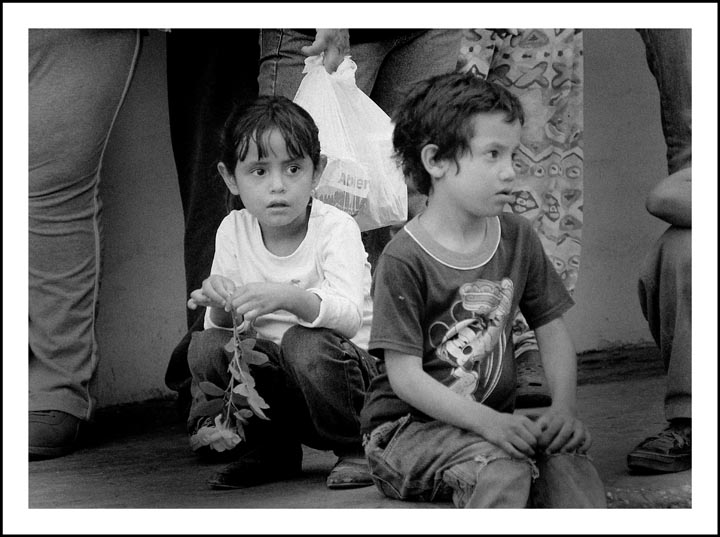
Two border towns.
El Paso and Juarez.
One city is half dead and the other is in a coma. Guess which is which?
As always, a trip to Juarez puts everything in perspective and raises big questions. For openers: We don’t have to do all the things we think we need to do, there are worse things than physical death and injury, watch out for what you hear, and, we should never believe anything except what our eyes feel.
My eyes tell me Ciudad Juárez is alive.
I salute you, injured Madame Juárez.
FOR SLIDESHOW, GO TO NEXT PAGE:

