Search results
288 results found.

On The Edge of the Edge – The U.S. – Mexico Border
288 results found.
THIS SITE HAS BEEN DOWN FOR TWO MONTHS. WE’RE BACK. THE SITE WAS SUSPENDED AND IT TOOK THIS LONG TO RESTORE IT TO TOTAL BUG-FREE HEALTH. TO BE HONEST THERE HAS BEEN VERY LITTLE “ME.” THE BORDER BLOG WEBMASTER, MANNY RIVERA, FOUGHT THE MALWARE FORCES OF EVIL… AND AS HE ALWAYS DOES, BROUGHT US BACK TO LIFE.
SO GLAD WE’RE HERE. SO GLAD YOU’RE HERE.
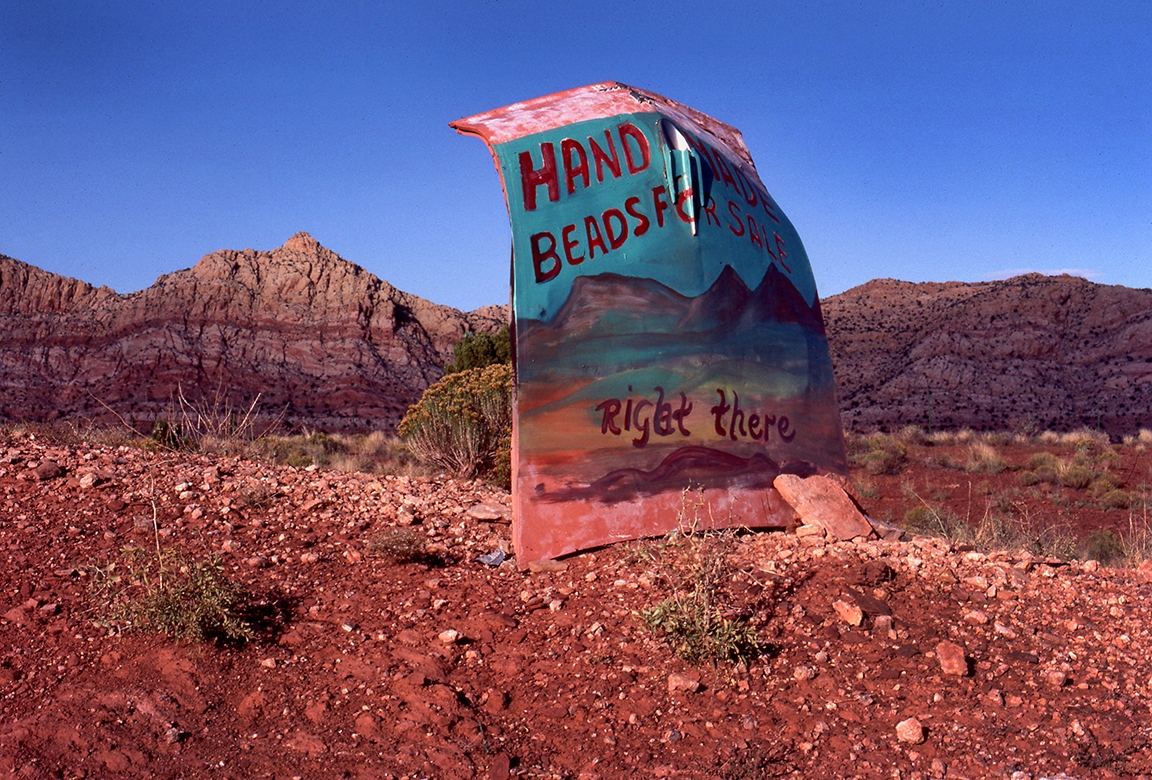
1951 Ford hood, Navajo Reservation, Utah, 1974
So here we are, searching for borders again. It’s been a long time since I began this photo journey in 1968. First there was the “border” of Appalachians in Chicago.
Then there was the Five Nations of Oklahoma and the last refuge of the Buffalo in southwest Oklahoma.
Eventually I found my way to El Paso/Juárez. That one’s took thirty-five years plus.
And now?
Not sure. Usually I have wandered into my “forward.” Been stuck lately, taking care of business, being a professor, thinking, living in the old paradigm.
I suspect it’ll be that way again. I’ll bumble into the “next.”
I just mentioned -above- all the stuff that’s in the rearview mirror.
Looking out, over the hood… well you have to get the car into first gear first.
It’s coming.
Stay tuned. The Border Blog is back.
So am I.
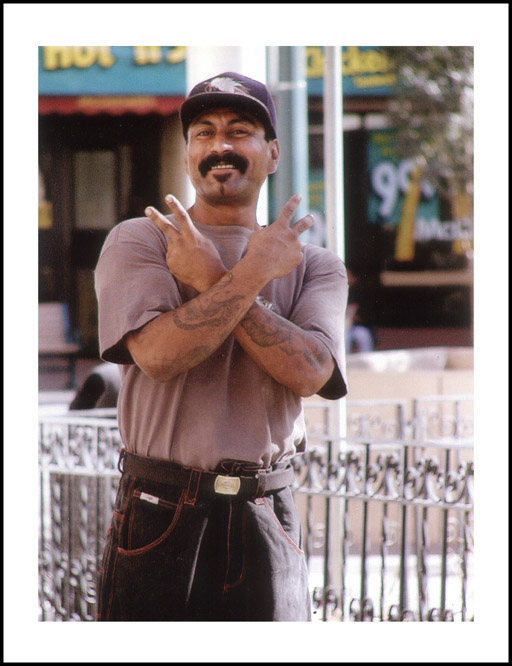
El Paso’s Central Plaza, is officially named San Jacinto Plaza. It is located in the middle of El Paso’s original business district and about 3/4 of a mile from the border with Ciudad Juárez, Mexico. In recent times its unofficially been called Plaza de los Lagartos which refers to the old pool in the middle of the plaza that used to be the home of alligators (lagartos in español) which no longer existed after the early 1970s. The alligators were later commemorated, in 2006, by a fiberglass sculpture of alligators by native son and internationally renowned artist, Luis Jimenez.
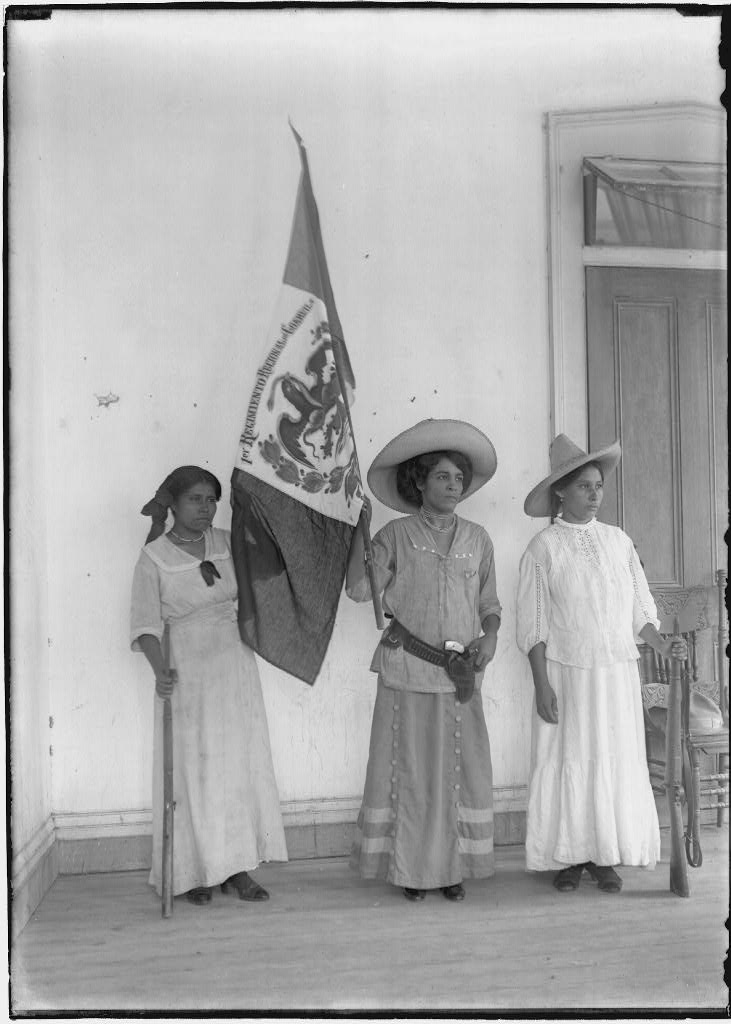
This photograph was taken during the Mexican Revolution (1910-1920), exact date unkown.The photograph was taken by commercial photographer Robert Runyon (1881-1968), a longtime resident of South Texas. His photographs document the history and development of South Texas and the border, including the Mexican Revolution, the U.S. military presence at Fort Brown and along the border prior to and during World War I, and the growth and development of the Rio Grande Valley.
This image was shot on a glass-plate negative ; 5×7 in. Camera unknown.
All photographs in the video are ©AlexWebb/MagnumPhoto2015
Magnum photographer Alex Webb talks about his work.
Excellent insights!
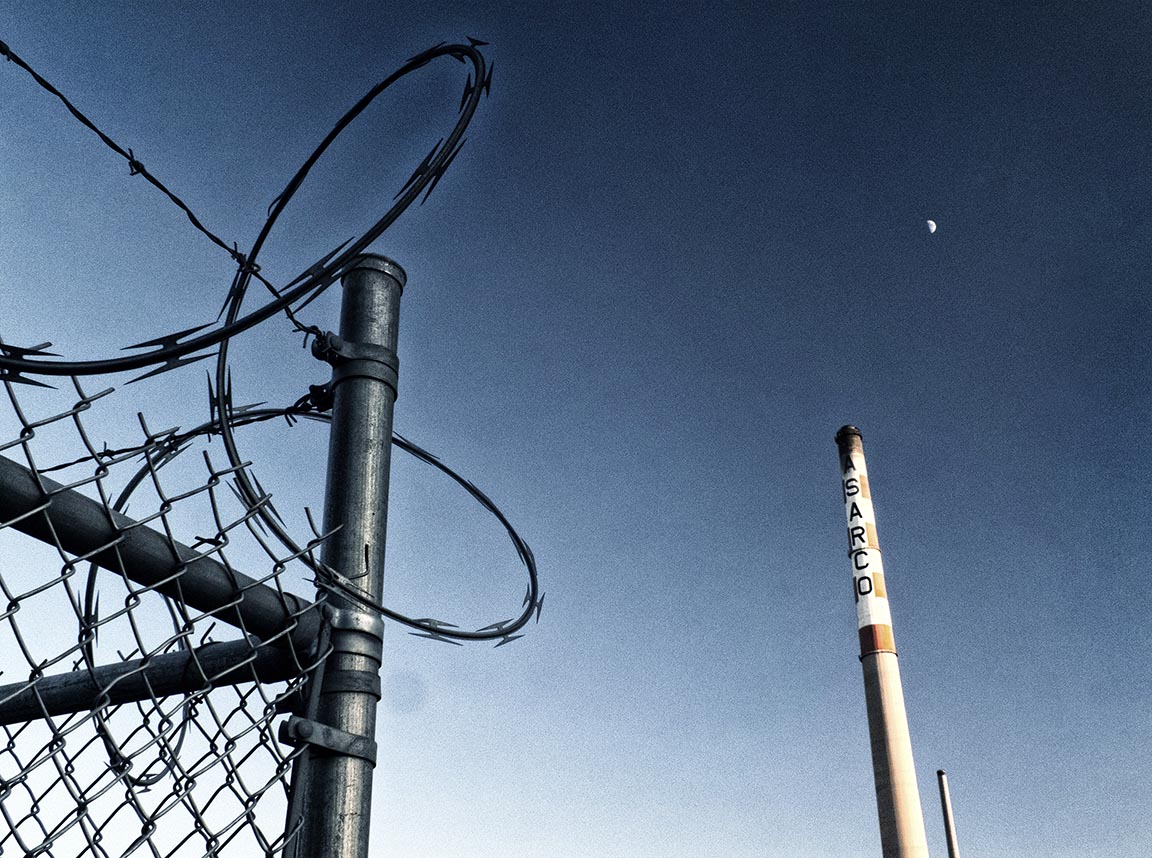
Photograph and text by Bruce Berman
I miss you ASARCO.
You were texture. You were identity. You were muy macho. You had cajones. Your candy stripe shaft spewed your acids and we ran for cover. At least we were moving. You were not vanilla. You were not something else. You were, well, ASARCO, un madre. You were definitely not bourgeois, pro seguro. On dark nights, down on Paisano, huge trucks dumped your excrement and giant flames roared into the sky, lighting up I10 like a festive firecracker.
Now you are a bald pallet awaiting “The Grid.” They fiddle before they drop the hammer, just enough time for one to build trust in the untrustworthy. What should go on the ground that has your blood? Should it be a Western Town? Giddy up! Should it be an amusement park? Ice cream! Maybe it could be a “multi use” nothing (Ha! What else do you think they will do!)? We need more apartments and strip centers! Maybe we can just let UTEP spread its, its…well…it could just spread whatever it is that UTEP has.
I will politely clap. I am not lamenting the inevitable any more than I do on The Day Of the Dead.
Yes you were a cancer dispenser, a reminder of danger, vulnerability and of the sweat and blood of working men. Oh yeah, you were one bad hombre. Oh, and how the gerentes avoided your gaze. You were so not sheik. How could we sell this bipolar berg as the cultural and artistic epicenter of the great southwest with your giant schlong sticking into the sky, having intercourse with the eyes of every passerby? No no no, you had to go. You were so, well, nasty!
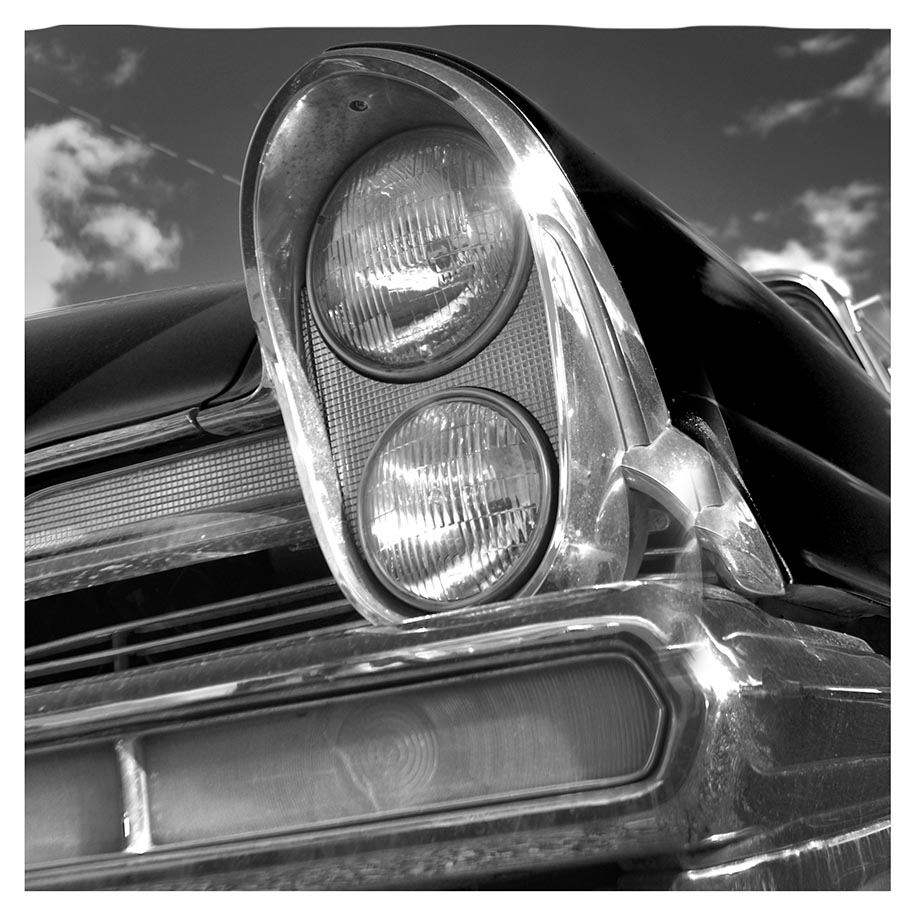
Mad Men, the 50s and the Waiting
Text and photograph by Bruce Berman
Mad as in nutty mad…mad because they were delirious with the defiance of convention while simultaneously becoming the masters of the Establishment (and remain so, truly understanding what motivates consumers -and that became all of us- and then getting them to consume), mad because they were about to be jetting and tail-finning and mini-skirting and drinking and potting and pushing every moral convention ever taught and/or learned out the back door into what became the waste dump of the 60s. They were insane with the possibilities and not burdened by the weight of the previous two generations (The Great One of the Depression and the War). They were mad and intoxicated and wild, like their cars, huge, with unlimited horsepower, design that was plastic and chrome and sweeping, made with materials never heard of before. Theory knew no limits. Everyone felt a little “illegal,” yet, invited to the table. Being ecclectic was safe. Just keep consuming, it’ll all be all right. Yes, they were nutty mad and flew high, never thinking there could be a landing, mad with the waiting for the coming fall, the doubt, the emptiness, the great Genericide, ergo, The End Of The Innocence (Don Henley). They became us. Post Mad. The masters of data, overthink, and, compliance.
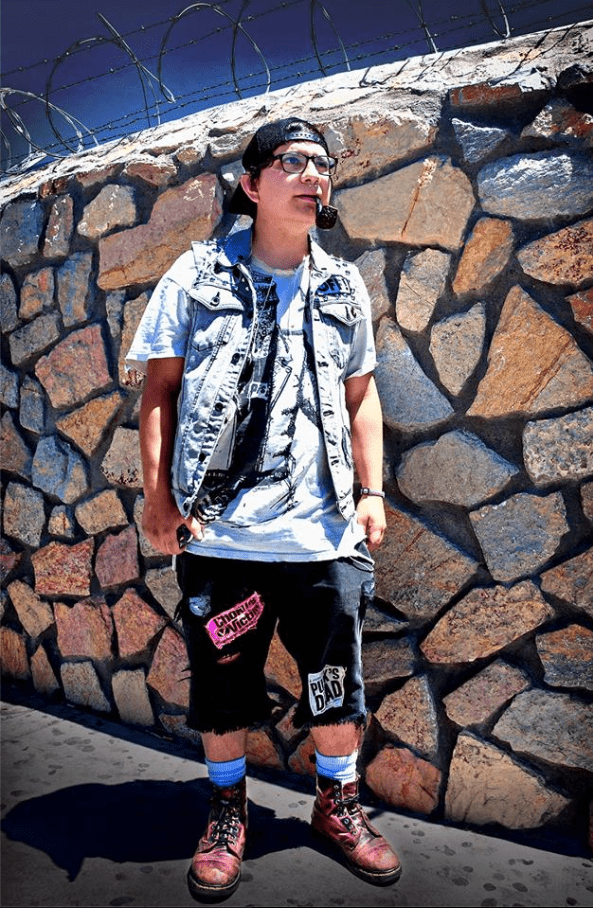
Text and Photo by Bruce Berman
No telling what and who will come over the Cordoba bridge that links El Paso, Texas with its sister city Juárez, Chihuahua.
In this case, crossing from south to north, was Spencer.
Pipe, a hat that said “F___ Off,” aged Doc Marten’s, punk rock labels every where, he is as ecclectic as the border. In a strange way he, is the border: neither this or that, neither Mexican or American, neither barrier nor passageway.
A friend once called the border a metaphor for a person who has “an undefined personality.”
Looking at Spencer -and some others (in my mirror!)- I’m thinking it’s a place for very defined personalities.
The problem is that it’s really difficult to say exactly what they are.
Which brings us back to “undefined.”
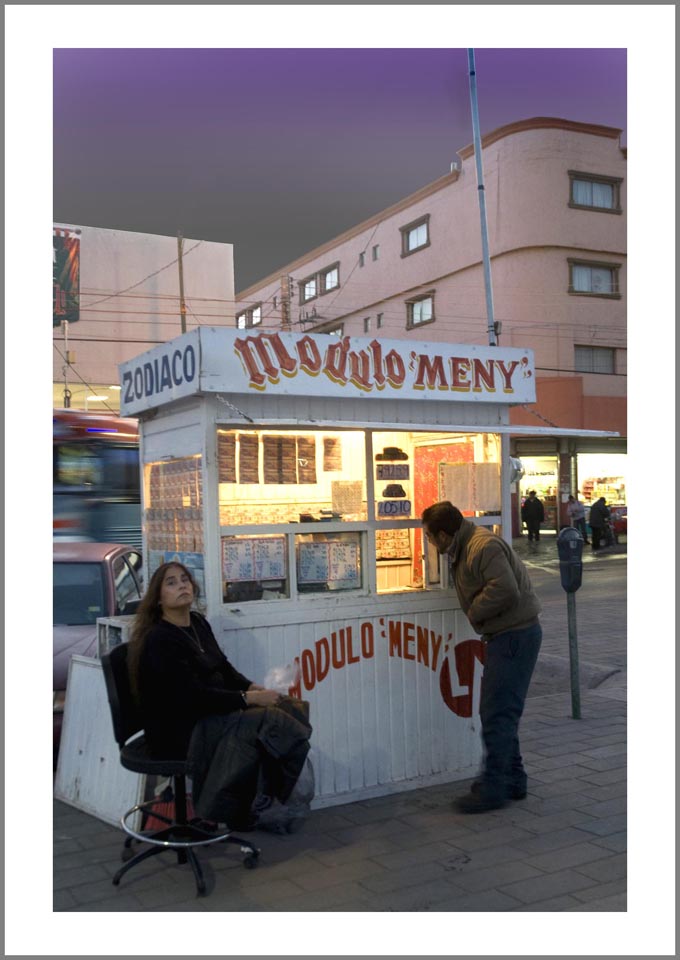
The New Juarez.
Everyone is talking about it. A new day, full of new promise. Many acquaintances tell me about all the new bars and cantinas. That Juarez will rise again.
This morning, Easter morning, two bodies were found hanging from a bridge in central Juarez. The victims were young, scruffy, boys with no names.
Hanging, like crucifixion, is a public and humiliating death. A death after death, the person shamed, rendered helpless, publicly. This is death with a message.
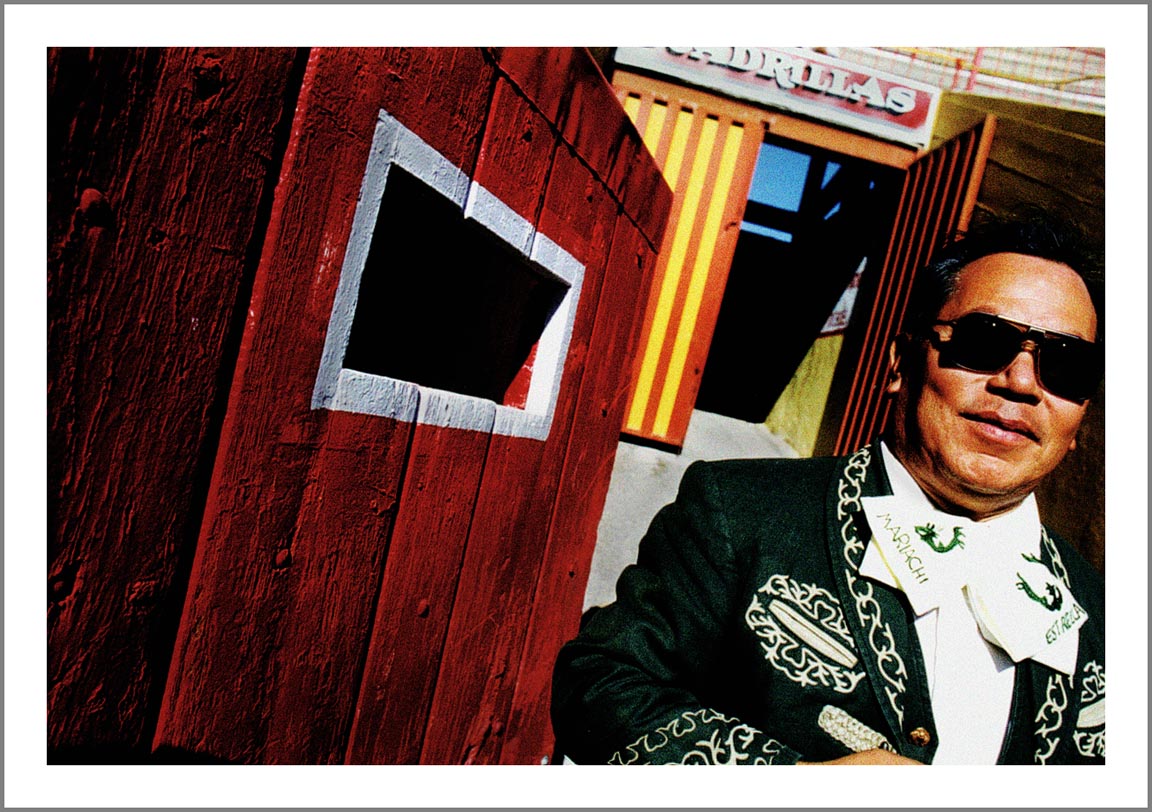
Mariachi, Juárez, 2002
There was a day when you could think of Juarez and think in color. I get whiffs of it lately, but one is so cognizant that under that shiny surface is a black and white heart that has been ripped open for all to see and it will take a long time fill with the energy and joy that was -and will be again- the hallmark of Ciudad Juarez. It will happen. It is happening now. A generation has now come that learned to live abajo, and carefully. There has been damage. No one can live under that cloud forever.
It’s nice to look back, now and again. But here, on the border, it has been years since people have allowed themselves to look forward.
There are “whiffs.”
\
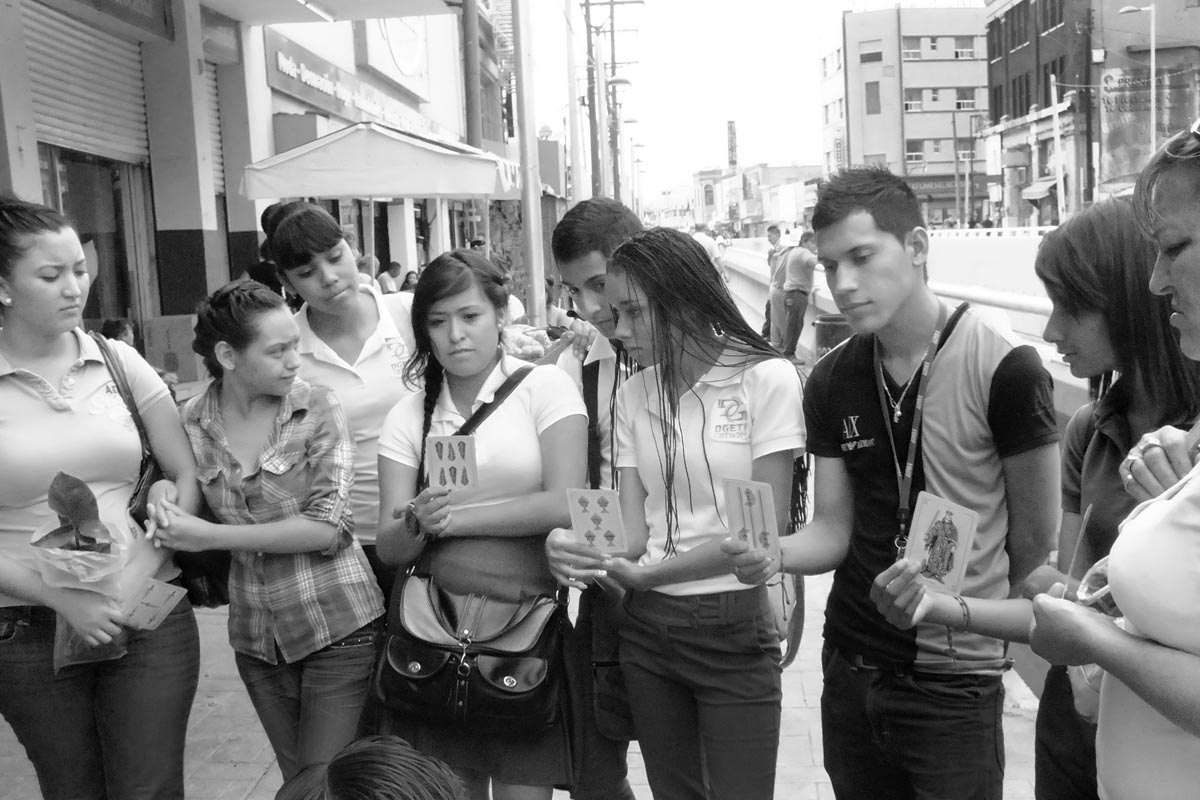
The streets of Juárez abound with life again.
The “Cartel War” is over.
The war for justice and integrity in government, the war to develop a country that doesn’t need a drug transporting business as it’s second most important economy (after petroleum), is not over and won’t be for the foreseeable future.
On the streets of Juárez, there is a strange mix: Old people who couldn’t get out, the poor that couldn’t get out, the young that didn’t know there was anywhere to go to and babies!
There are a lot of babies in their teenage parents’ arms these days. In the streets in from of the Mercado Reforma there is this strange blend of young parents weighing babies in their arms, interspersed with the very old, interspersed with prostitutes, interspersed with an economy that is not longer threatened by the incursion of “the franchises.” Franchises bailed out of Juárez years ago, when the war began, in 2011.
This isn’t the Juárez of the glamour 1950s or the boom boom 1960s and their international factories, or of the up and down 1970s and 1980s with the rise of the licenciado middle class, nor of the “we are almost first world” Juárez of the 1990s and beyond.
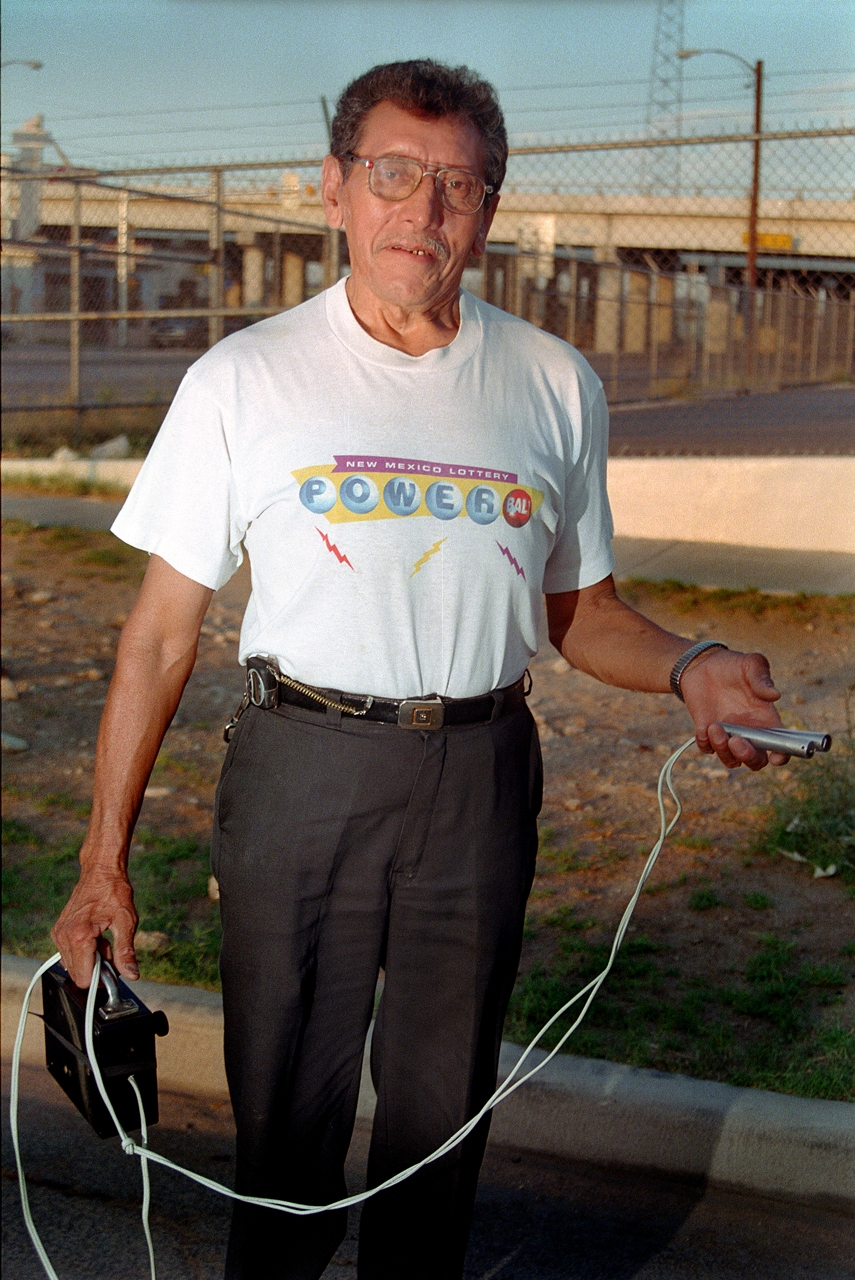
This man shocks people in bars! He takes his battery operated tool around and for five bucks looks for masochists who, drunk (or insane?), pay him to turn up the juice, hit the button and let ‘er rip..
It takes all kinds, no?
Ah Humanity!
And it takes someone to recognize certain kinds of Humanity and let ‘er rip…for…five bucks!
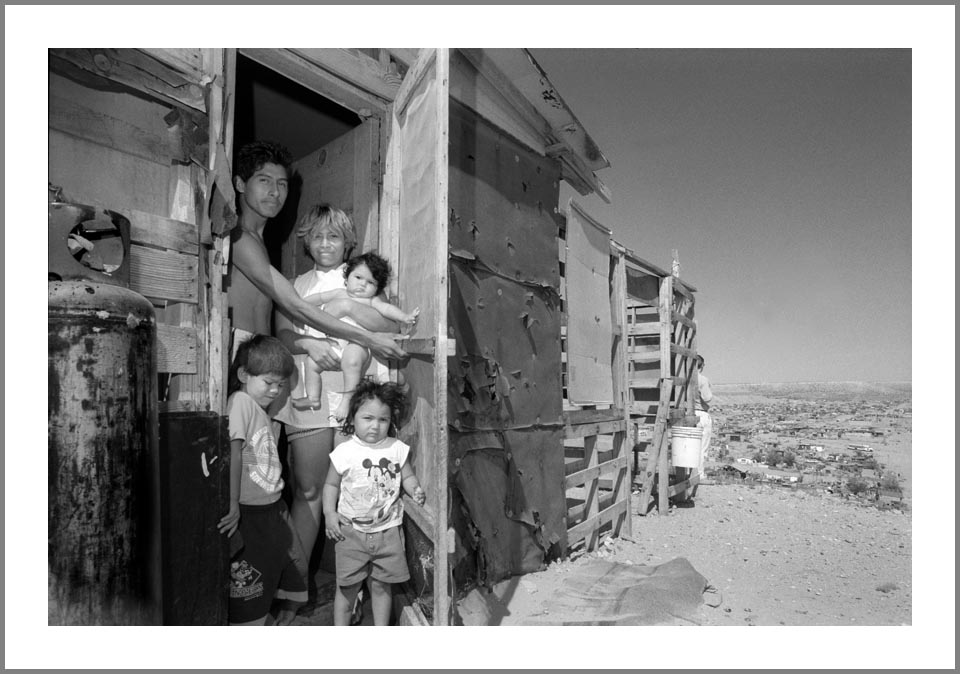
Commentary by the Editor
Juarez, Chih., Mex. — So how did this Cartel War begin and how does it end?
The Border Blog will not answer that today. We look for the things that make the heart tick and leave the fancy thinking to those that make these messes in the first place.
Roughly, for me, it began a long time ago, when the people who have most of the marbles understood that they didn’t have to do a thing about bringing along another class of people who had hardly any marbles at all. Impunity. No apologies. In Juarez the maquila industry began when someone figured out that Labor was a cheap product that Mexico had a lot of and that it could be exchanged for some major profit. Of course nothing so crass as that was said. Rather, this was the bright new day that would lead to a burgeoning “middle class,” and bring everyone up from the bottom. So they said. So the “development” of Juarez began. The powers that be brought willing companies looking for labor and they delivered “labor.” This labor, also known as the citizens of Mexico came from the far flung corners of Mexico. They had nothing else to do and would work at any price, went the theory. Everyone would be happy. You move here, we’ll give you subsistence (and societal dislocation), and we’ll go to the bank. Everyone will be happy.
Right?
When I first started photographing in the maquila factories of Juarez in the early 1980’s the salary in a maquila was $5 per day. Today it’s a little over $7. A full two dollar increase in 20 years. Imagine!
It wasn’t sustainable then and it isn’t now.
The promise of some kind of job, of rising above downright depraved poverty, was strong and people flocked to the border factories. First from Veracruz, then from Durango, then from Torreon and on and on.
If you were a Mexicano and wanted to improve your life without the terrible alternative of actually crossing the border and trying to make it work in El Norte, you headed to the maquilas of Juarez or Tijuana or Nuevo Laredo. If you made that journey you left your culture and customs behind. This was the brave new world.
Bienvenidos campesinos.
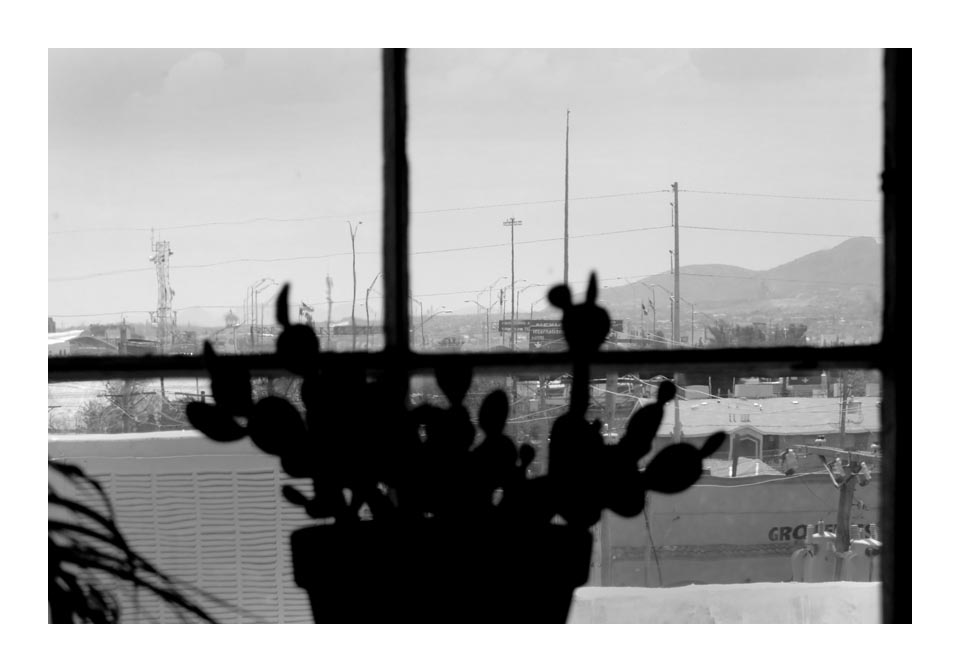
Flags are down in Parque Chamizal. Wind must be up and hopefully a little rain. Just a whisper of a season change. Not yet. But not all that far off either. ‘ta bien. The View South. Days come and go. Then years. Then decades. Then…? I turned my back on the past a long time ago. People tell me that’s good. Bible says it too. Do they really mean it?
Editor’s Note:
Check this video out.
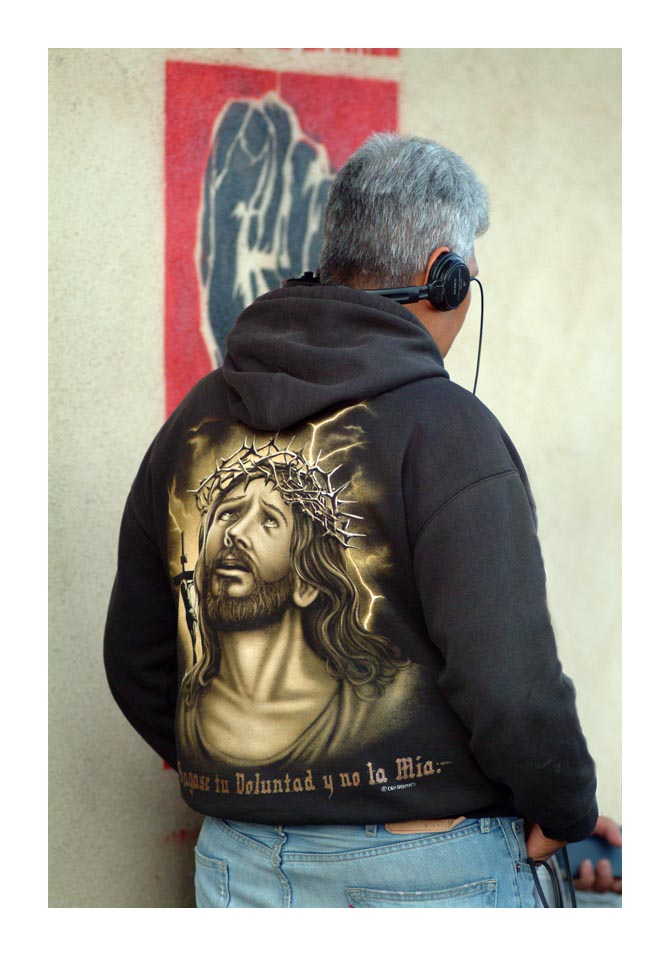
When Americans talk about the violence in Mexico they often view the situation through “western” eyes, thinking of Good Guys v. Bad Guys.
As this Al Jazeera report shows, the conflict is often between Bad Guys and Badder Guys and the public -the oppressed people of Mexico- have to stand on the sidelines, knowing but unable to alter the situation.
This video asks, Where do you turn when there is no one to turn to?
Commentary by Bruce Berman / Video by ©Al Jazeera 2014
There’s something happening in journalism.
When Aljazeera -who shouldn’t give a hoot about what’s happening in Mexico- publishes a well done piece on police kidnapping in Mexico, when Mexican journalists go ahead and publish their own work, under duress, knowing that to publish is to perish, and increasingly the xenophobic U.S. press dithers on entertainment and cheesy presidential inanities, we are talking about a new arrangement of the deck chairs on the the good ship journalism.
The truth is that most American newspapers and magazines aren’t undergoing the huge transformation they are experiencing in a vacuum. It’s not that hey are not irrelevant. They are merely irrelevant as the source for hard news (at a minimum) that relies on being the “go to” media.
For the most part, they are not that any longer.
If there is one source “out there,” it will be Tweeted or Posted on some social media site, within minutes, and then the fun begins. From there, people will Retweet it (RT), add links or complimentary sources and then the multiplier of social media begins. The question isn’t, Are you getting the news, but, rather, How much can you take?
Of course the eternal existential question remains, What happens when there is no longer a source of information (such as the New York Times. Sky News, CNN or Fox, i.e the “media giants?
This is not likely.
Text by Bruce Berman (in full snide mode)
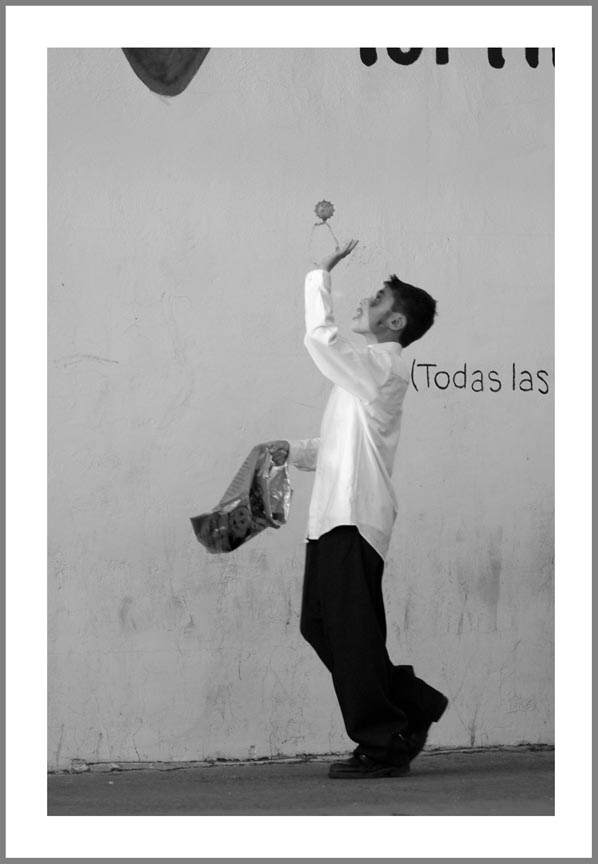
Halloween is The Great Day in El Segundo barrio. The ‘hood comes alive. People are pouring over the bridges heading from Juarez on the candy quest. People in the neighborhood put on the costumes and come out of invisibility. The first block of America (6th and El Paso) is a riot of laughing and color and wild abandon.
Nothing is sure on this border in this neighborhood anymore. “They” are back! The Developers. “The 180s” aren’t around on this day. The Developers, their Pol puppies, the Gov. employee “Good Germans,” even the The Do Gooders (even if they are really the Do Badders). That’s what I have come to call them all. They say something and if you want to find out what they just said just think 180 degrees opposite from what it was. Most of them are up in Kern Place handing out candy, their yearly contact with the rabble. They’re all afraid of the people when they have fun.
LOU LOU LOU
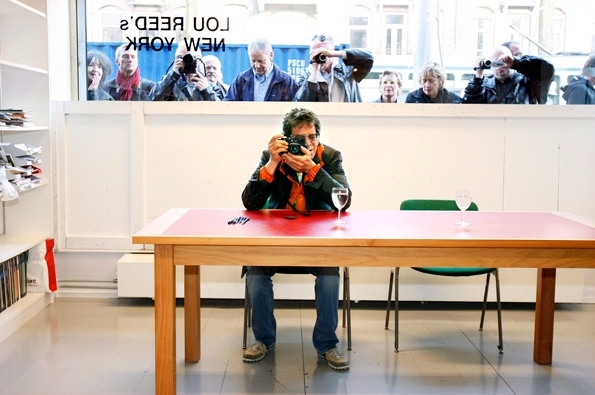
The News floored me.
It’s like New York vanished.
Guilliani couldn’t scrub it.
Bloomberg couldn’t.
It’s your city Lou.
You were the grit and the soul man.
So now it’s time to fly away.
“How do you Speak to an Angel” you wrote and asked:
You just say – Hello, hello, hello Baby
Check it out. See you there. Say hi to Andy.
Miss you. The thought of you.
You were always a kick in my pants.
Walk on the wild side.
No doubt.
The great beyond.
Somewheresville.
See you there.
Read more on Lou: http://www.rollingstone.com/music/pictures/lou-reed-through-the-years-20120302/lou-reeds-new-york-0842024#ixzz2izX3o2uER.I.P.
Commentary by Border Blog Editor
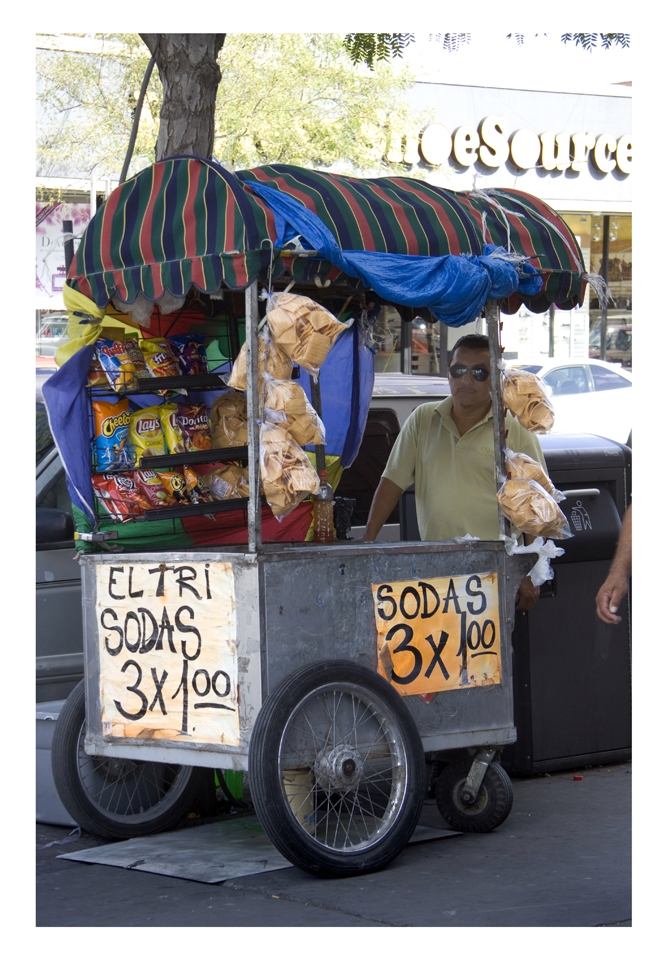
El Paso Street in El Paso. It’s the first block of America. Or the last block of America. It depends on which direction you’re headed.
Going north it’s the first. Going south, it’s the last, the next block is Mexico.
This is a street of life, bulging with people, an array of goods from school and household supplies to clothes to audio stuff to high heels to T-shirts with everything from Revolutionaries to cartoons on them. It’s juicy, alive and has texture and odor.
It’s 3D street.
The Shrinking Segundo Barrio
by Bruce Berman
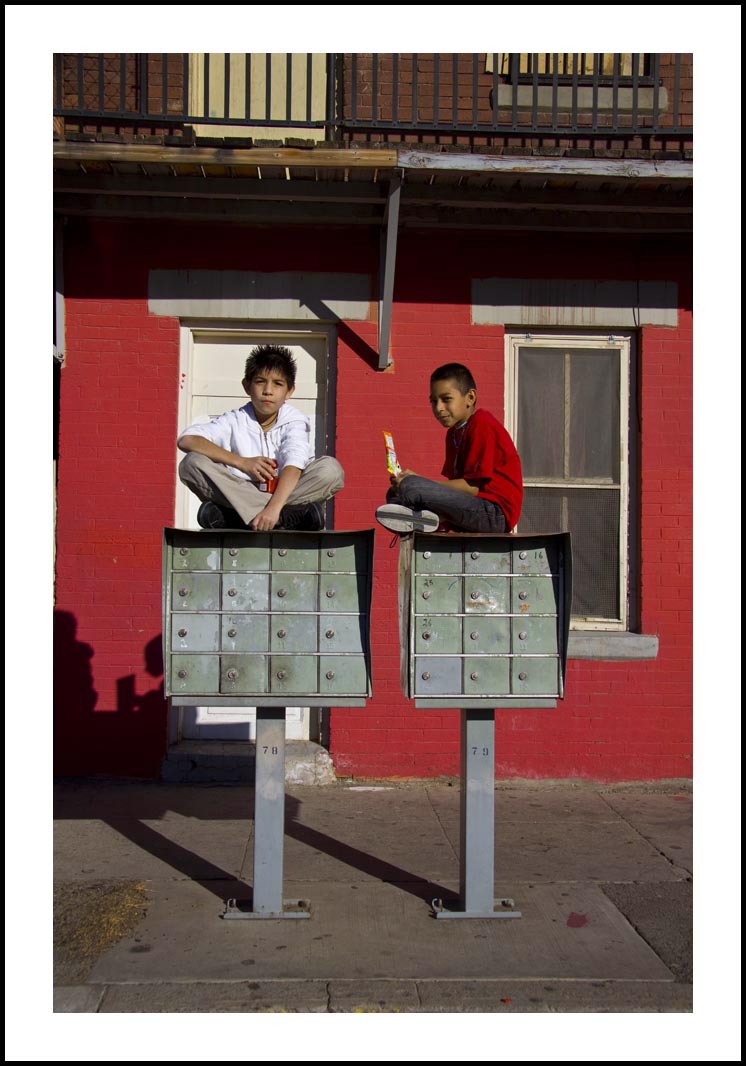
El Barrio, The Segundo, is shrinking.
It’s getting the squeeze. The squeeze has been coming for a century or more but it’s a full assault now, and a generation that had roots in the ‘hood, that was born of a time and place that demanded they fight, is no longer there in numbers and possibly not there in energy and historic resentment.
The neighborhood is being squeezed from the north with the Dreamland Downtown Plan back on Premium and from within. A proposed Science museum in the old Armijo School would be the death blow.
If the deathblow can be delivered to an already dead corpse.
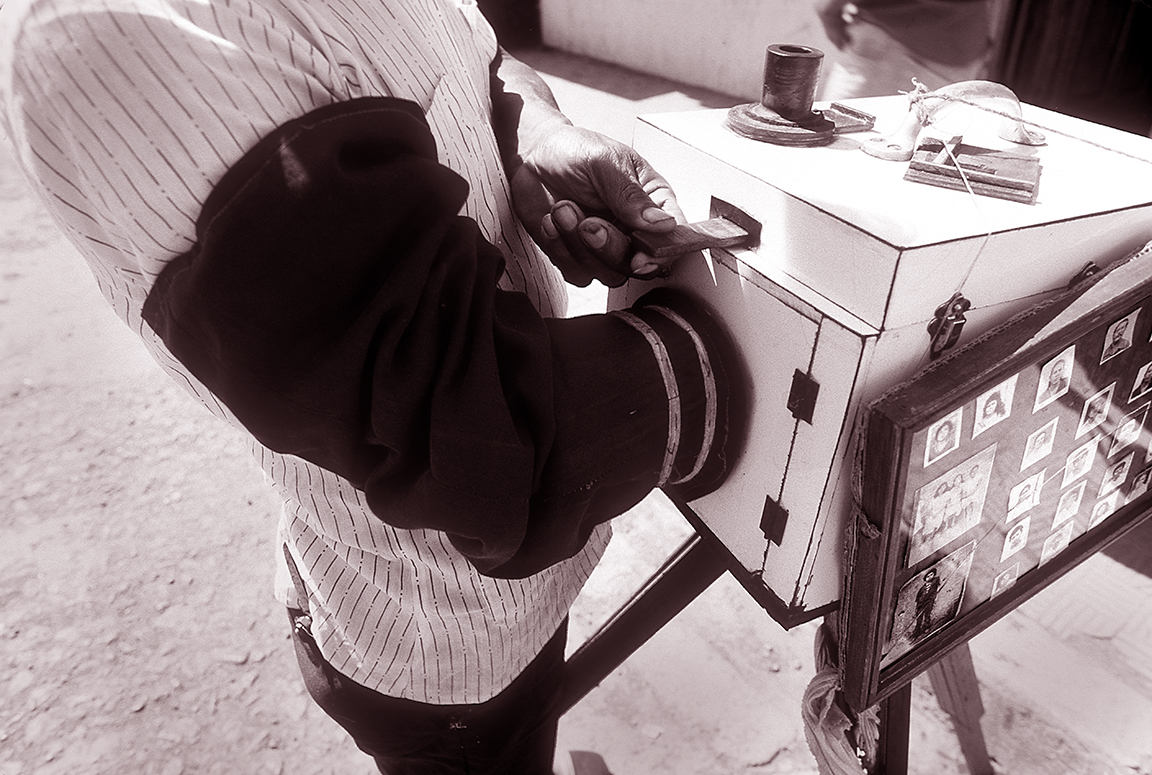
This photographer in the Plaza of Granada in Nicaragua is developing a portrait that he just made. Inside the box are the normal developing chemicals of Developer, Fixer. Once he has the photograph captured -on portrait size paper- he goes inside the camera through the light tight sleeve and goes from one mini tray to the next until he has the image “fixed.” He then pulls the photograph out and washes it on a tray of water that he has set up in a little bucket attached to the tripod under the camera.
His process was not as fast as the 60 second time for a Polaroid, but, close!
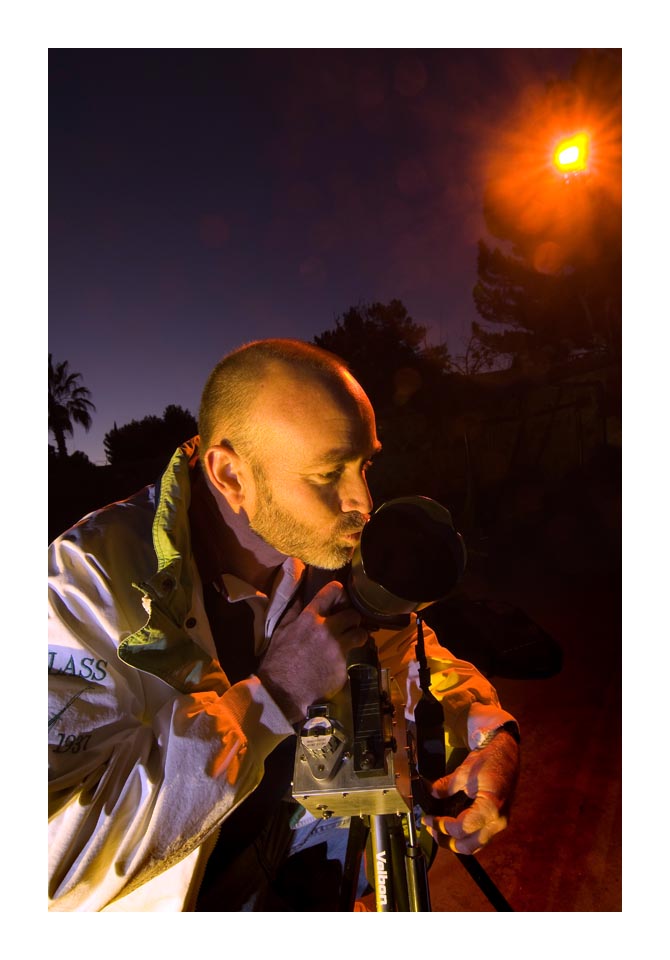
To see some of Eric’s work, go to:
http://www.designnews.com/
CORRECTION:
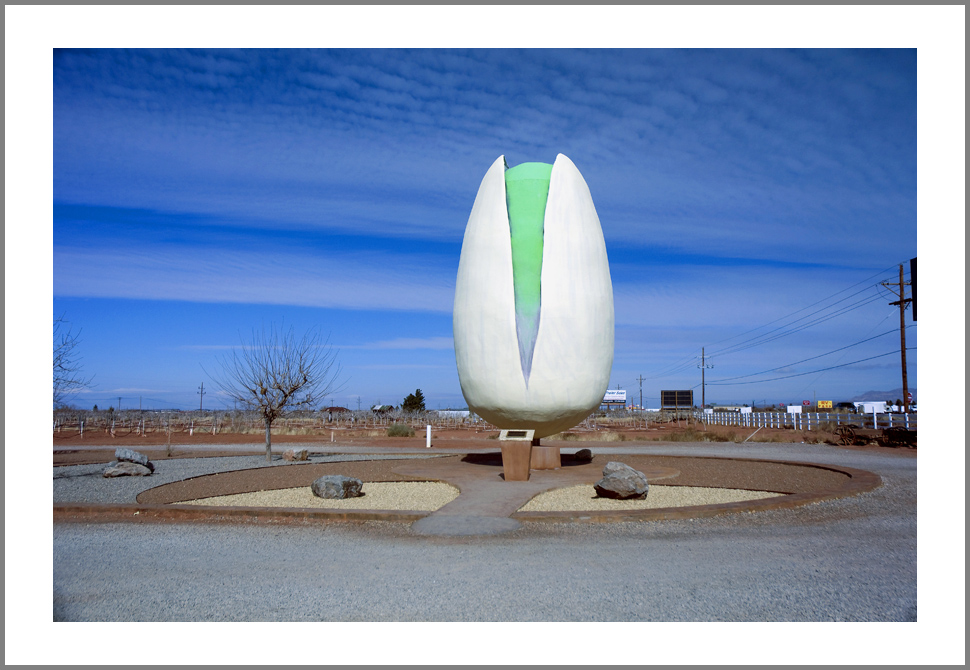
Just got a very welcome announcement from a Border Blog viewer. He pointed out that the above image is a representation of a pistachio not a pecan.
Correct!
We don’t have much of a defense, but really, when this was posted on April 24, your Border Blog photographer, Bruce Berman, wasn’t much Bruce Berman either. That’s what happens when one “does what one has got to do as opposed to doing what you do.”
We at Border Blog are pleased to announce that the real Bruce Berman is back, on the border, three blocks from the bridge, in his decaying ruin, tape -metaphorically- over his mouth, no longer talking about photography but living his life, and making images that, hopefully, will do, as we wrote almost a decade ago, stating our intention to (see the “About” tab above), “…cover the news, opinions and culture of the 2000 mile border of Mexico and the United States, concentrating on the epicenter of El Paso and Juarez. The Border Blog is not meant to be a news source as much as it is meant to be a news ‘feel’.”
Thank you MB and thank you Bruce (but tsk tsk on your caption!).
-The Editors
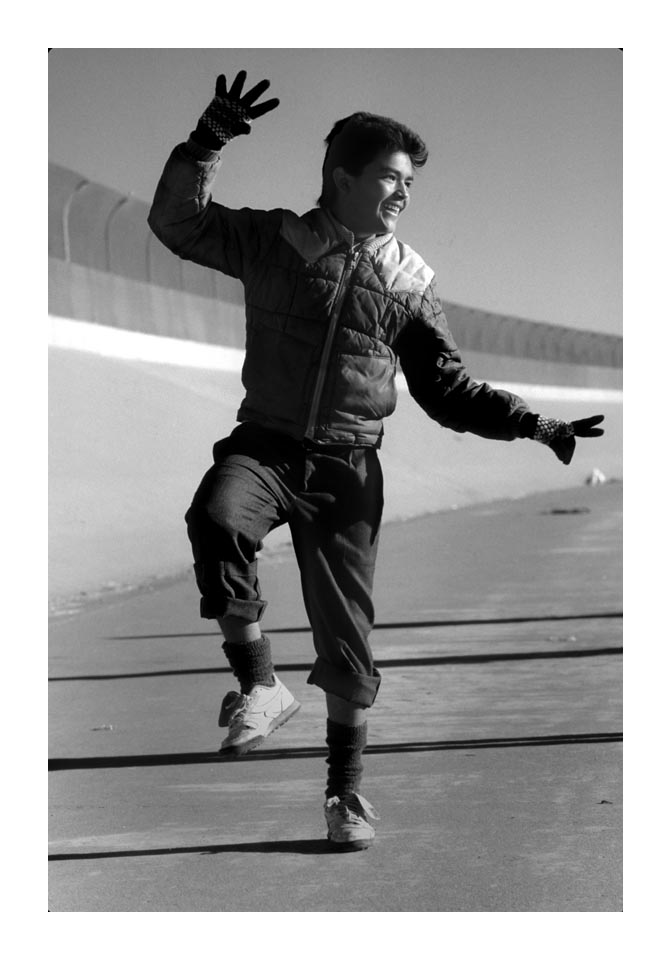
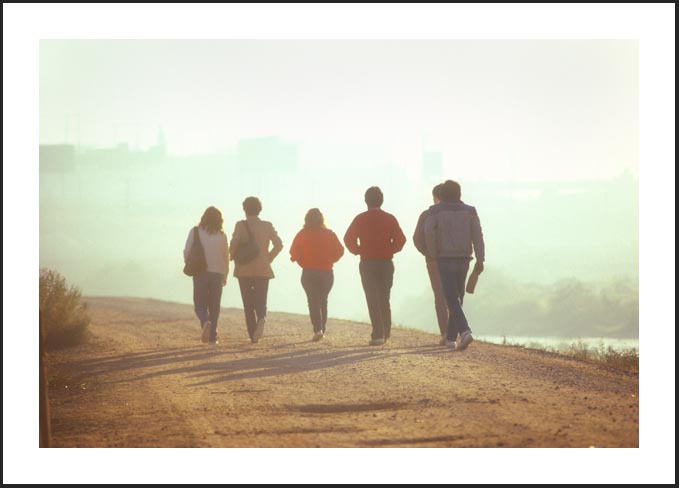
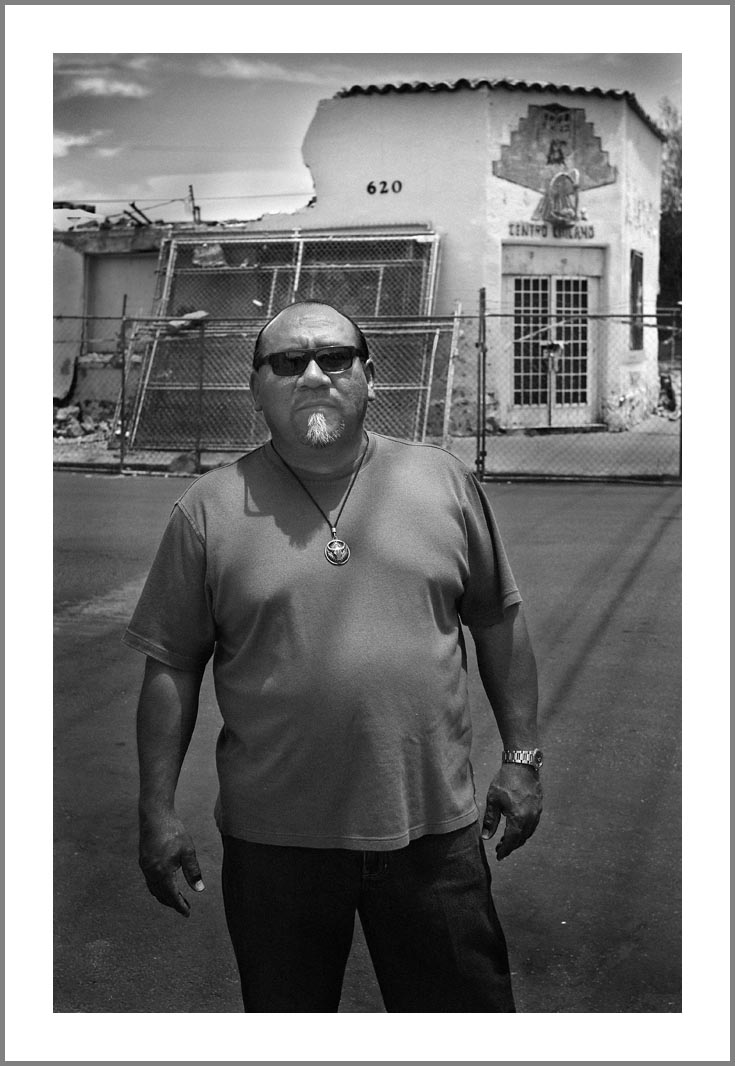
Centro Chicano gone. Rosas’ place gone (goodbye early 19th century, hello Denver to El Paso bus station). Flea market gone (it was so, “messy”). Museo Urbano, barely here and now gone. Koreans on S Street seem to be throwing in the towel, going. Can’t sell to Juarenses that aren’t there. The bi-national plan rising like a phoenix, unchanged and in better shape than it was (thank you Cartel War).
I know where “El Paso,” is right now. Bright New World. Shiny. All’s they need is a theme park and it’s on its way.
But Chicano El Paso, the turf south of Paisano, south side, El Segundo?
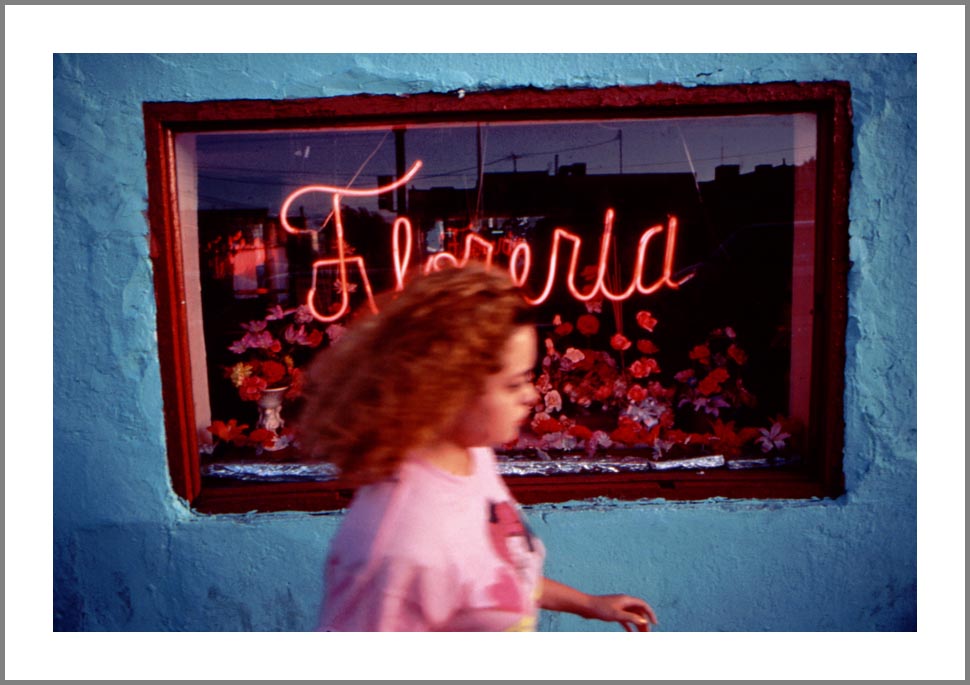
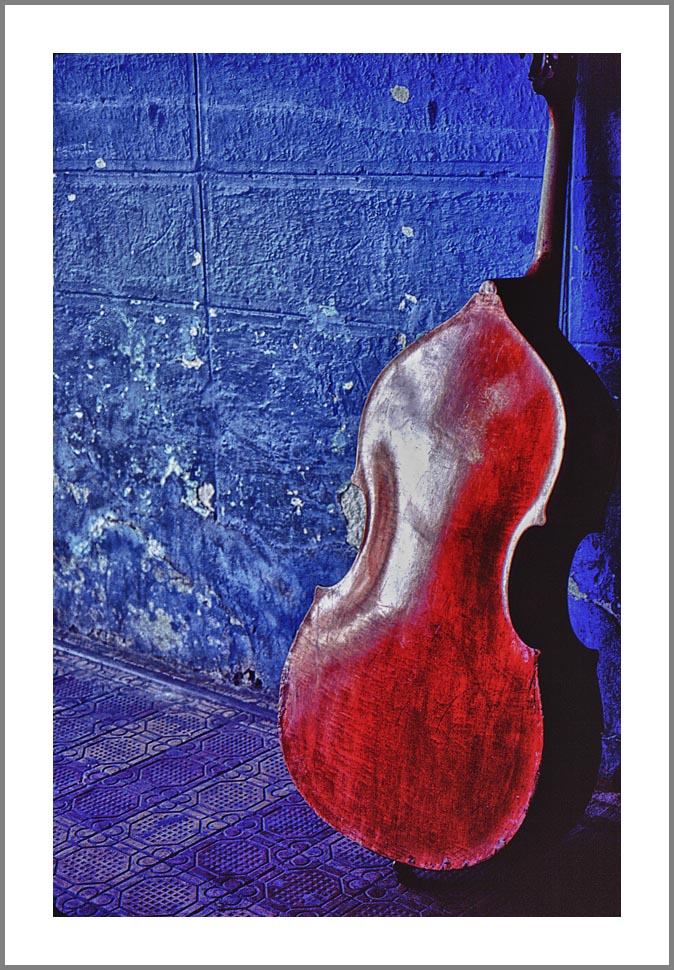
Commentary by Bruce Berman
There are many reasons for music and flowers in Juarez. Marriage, love, marking passages of accomplishment and age and transition. And death. Recently there has been little music and lots of flowers have been offered for goodbyes to loved ones, lost in the war. There are a lot of crossed fingers these days, lots of hope for better times, for the good. It’s been a long “winter” and it won’t go away right away. But there is still a Juarez in Juarez and the one we love is not gone. It had color and style and verve. It will again. There was the sweet smell of gardenias in the night air and thoughts of new possibilities and the violins played music of happiness in the skillful hands of roving mariachi. The Pop sounds of a new generation had begun to fill stadiums, singers emerged from as far away as DF and from within. Juarez was about style and boldness and defiance, a unique culture built over the past century, forged from a revolution and tempered by the shadow of a bossy and boasting neighbor. J town, Chihuahua. Strong, bold and pretty.
It’ll take a lot. A lot has happened.
It will be back. It is coming back (Estará de vuelta. Que se está recuperando).
It is, isn’t it? We hope.