Search results
288 results found.

On The Edge of the Edge – The U.S. – Mexico Border
288 results found.
Legislators restarted talks of immigration reform Wednesday with the reintroduction of a bill for a guest-worker program, leading some border farmers to rejoice and some workers’ advocates to worry about potential abuse.
The bill,
 Roberto Martinez is the former director of the U.S./Mexico Border Program. A lifelong Chicano activist, he has spent 30 years monitoring human rights in the San Diego/Tijuana area. In 1992, he was honored as an Intermational Human Rights Monitor by Human Rights Watch, the first U.S. citizen to be honored in such a way.The following essay, published here as a call for a humane U.S. immigration policy, was written as the introduction for the American Friends Service Committee 2003 human rights report.


Blogmeister’s Note: This is a piece written by a friend of The Border Blog. He is a Mexican National, a university student who attends the university in El Paso and a good guy. Especially, if one is looking for an insight, note the second to last paragraph and multiple it by the millions.
The BB welcomes all viewpoints, especially this one . Thank you, Javier :
Why I Voted For Felipe Calderon
I was listening to my aunt Lupe while we were driving down Periferico
Sur highway about a month ago in Mexico City. She told me about Andres Manuel Lopez Obrador (editor:AMLO), the presidential candidate (at the time), and how he managed to obtain the votes of lots of people in Mexico City by offering social assistance to senior (over 65) people and single moms while he was the city’s mayor.
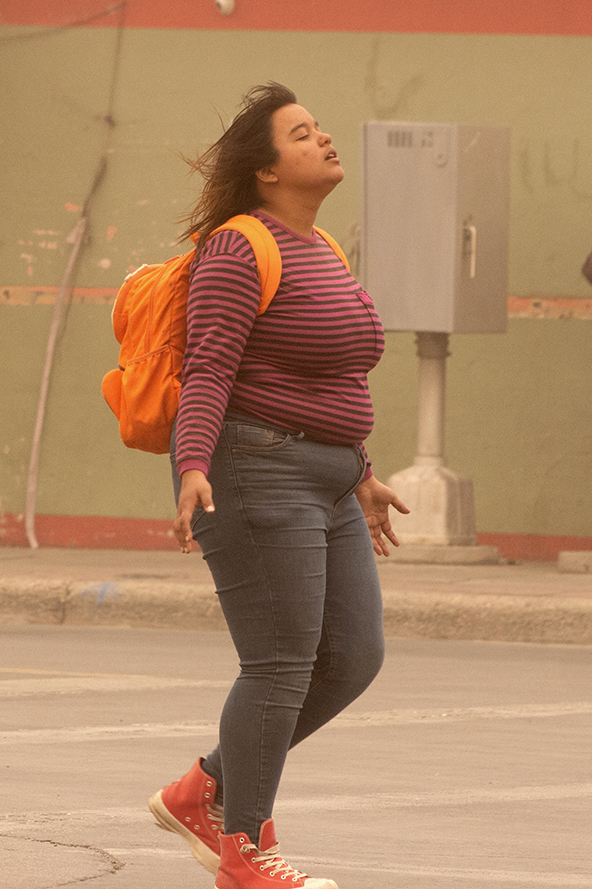
Dust Surrender in El Segundo, April 20215
The Dust Storms of 2025 in West Texas (El Paso), New Mexico and Chihuahua will not soon be forgotten.
In fact I made sure of it for me by producing a book about them and about THE Dust Bowl for good measure.
The book is informative and fun and honor’s a great woman –my mom– who lived through it am shared her stories.
Check it out at Amazon: https://shorturl.at/KXIHu
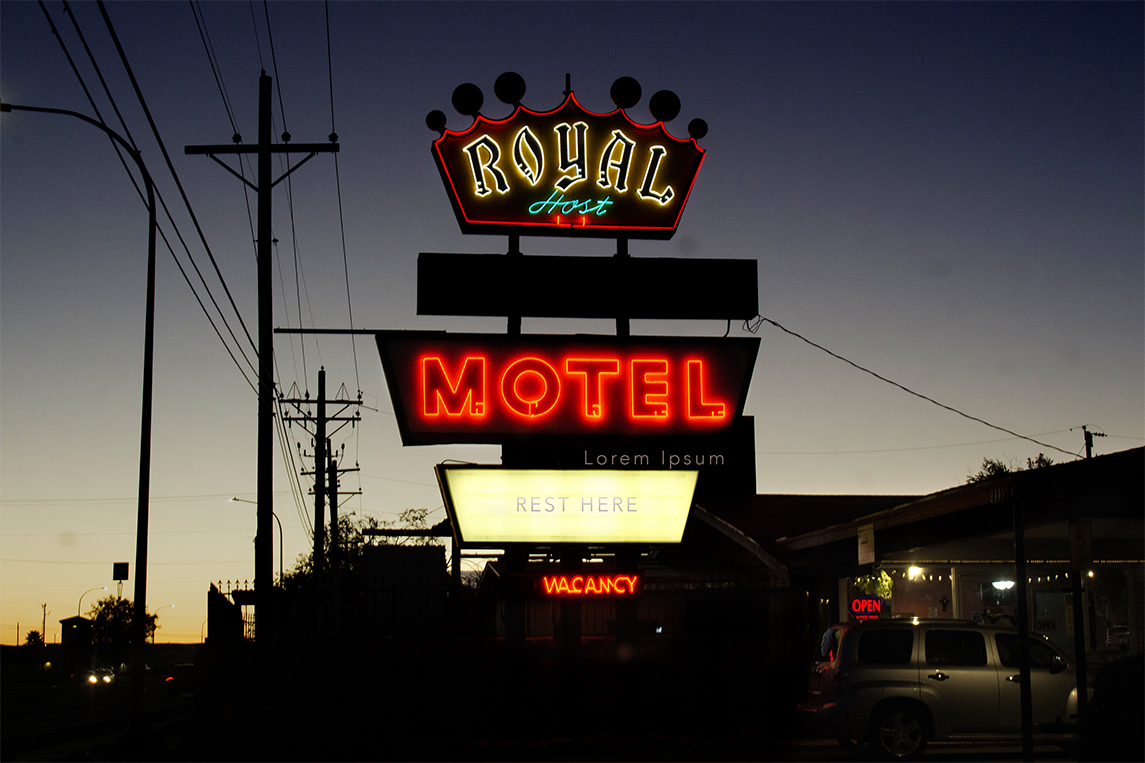
The Royal Host, Las Cruces, New Mexico, January 2026 by Bruce Berman (Preservation Trail)
Ain’t much left.
I’m gonna save whatever is left.
You can have the rest.
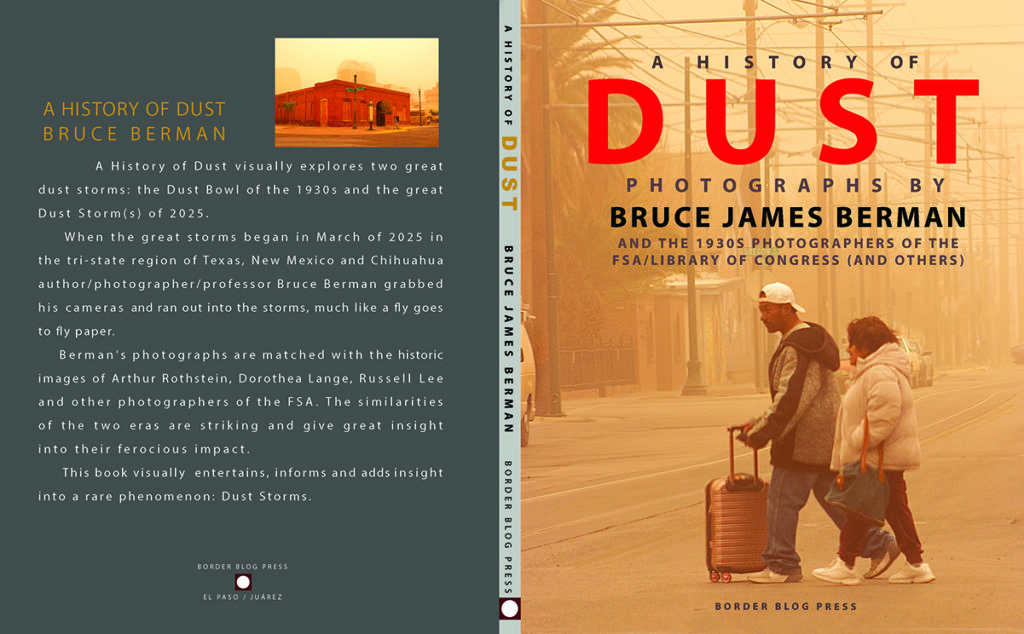
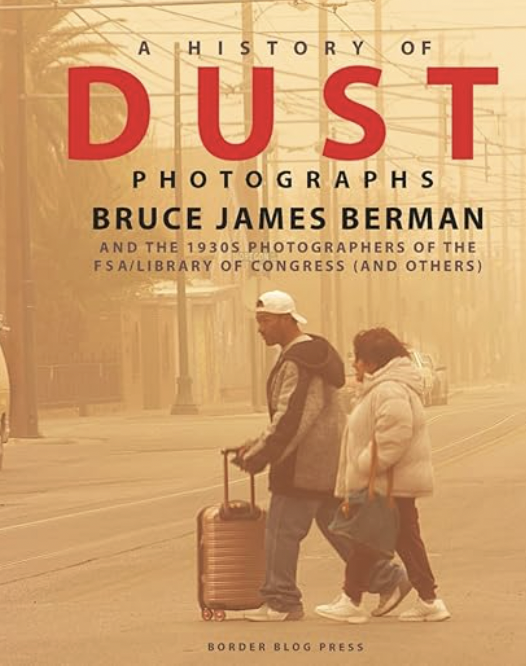
The HISTORY OF DUST book is out. Available on Amazon as of now.
The book explores two different major dust seasons, both record-setting: The 1930’s Dust Bowl and the 2025 tri-state Great Dust Storm, that enveloped New Mexico, West Texas and Chihuahua.
The book features the photography of Bruce Berman (2025) and the 1930’s FSA (Farm Security Administration) photographers of the Dust Bowl, including Dorothea Lange, Arthur Rothstein, Jack Delano and others. With quotes and narrative the book show the similarity of the storms but points out the differences as well.
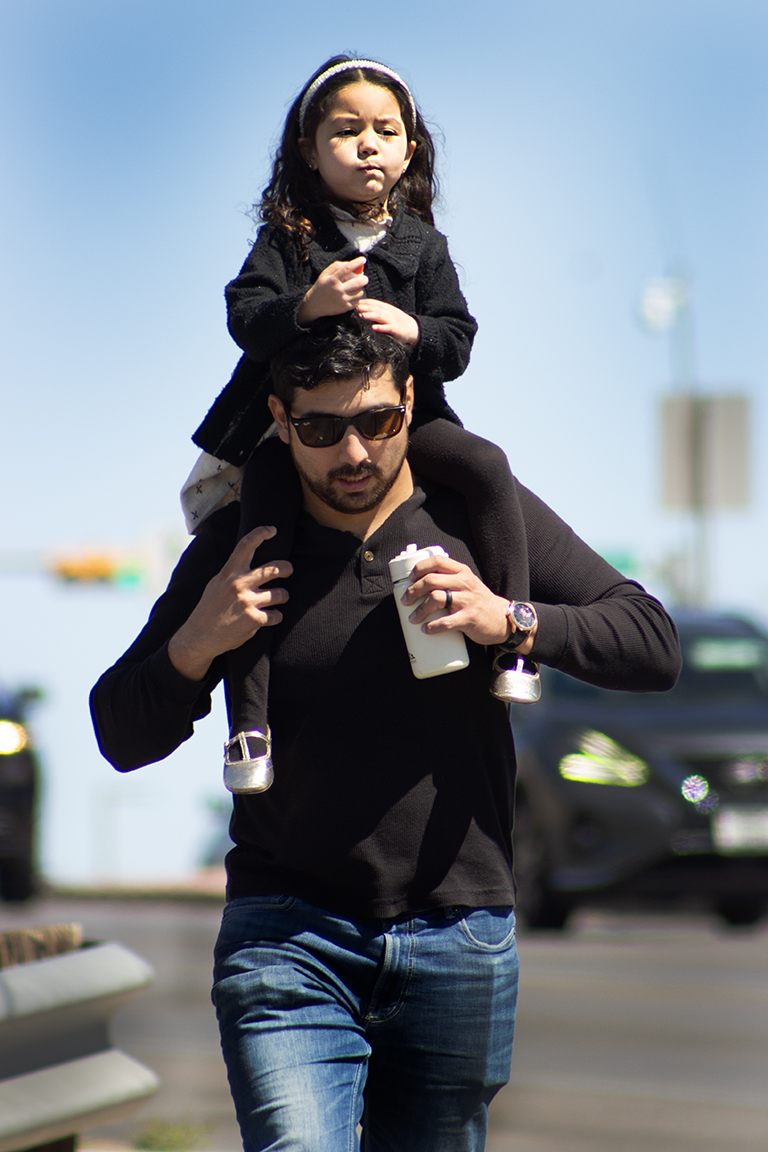
Dad Cab, El Paso, Texas, March 2025
Text and Photo by Bruce Berman
For sure, one of the things I like about El Paso, the Border and maybe the culture of the Southwest, is the prevalence of family.
It’s the foundation of that city. Over 80% Latino, it’s a natural outgrowth of that culture.
Here, on a busy street (Hawkins Boulevard), Dad happily gives his niña a ride. From when I first noticed him until he turned a corner I could not, he had walked over a mile!
This wasn’t funzy... it was required transportation.
Dad Cab.
Probably one of the memorable rides of her life.
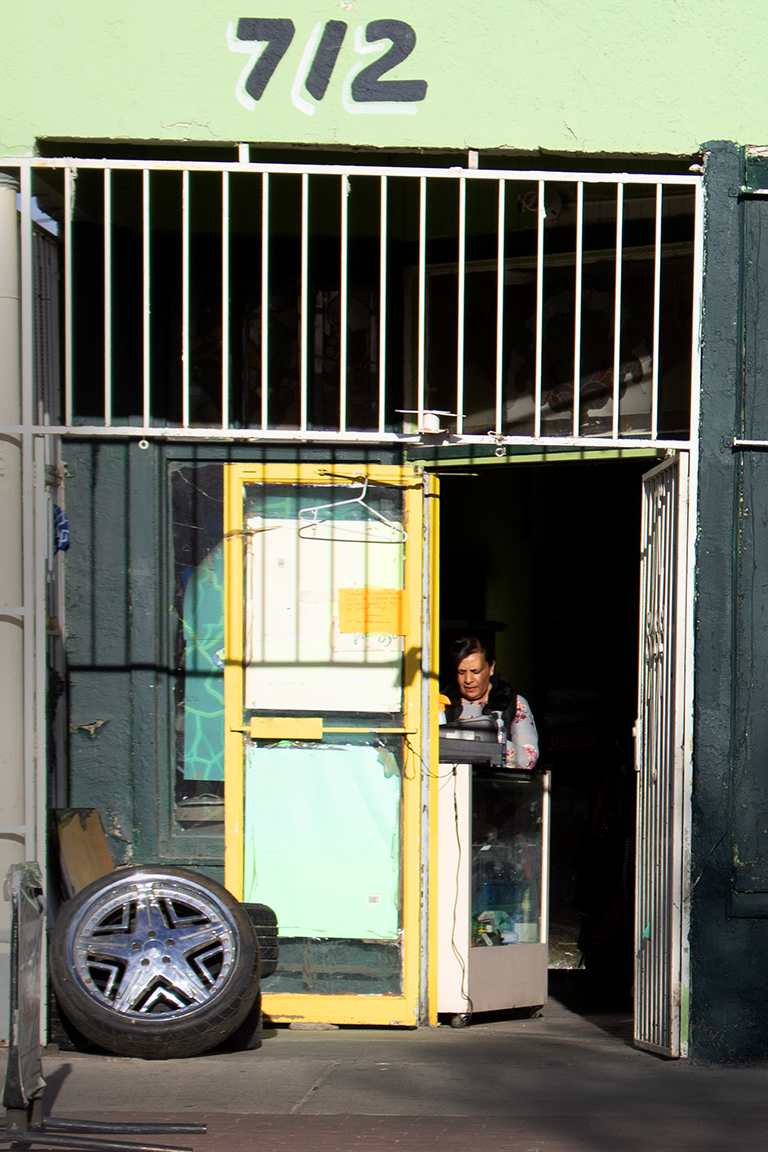
Southside El Paso, February 27, 2024
Text and Photograph by Bruce Berman
Dodged the bullet again. Well, this time there is no ‘explainin’ it so it’s fair to say, a hand deflected the fatal bullet.
Another chance.
Haven’t been doing photography much–for myself–in recent years. Been teaching. 34 semesters and most days in between spent on working at it. Caught up with me. Every word that went out came out of somewhere, somewhere where ghosts dance, that place deep inside where who we are actually lives. I built that up for years. Can one afford to let it go, driveled out in a million repetitions? And, for what? On February 12 a bomb exploded in my chest during my first class of the day. I taught my way through the whole class while The Reaper toyed with me, as God stood by and watched me gamble. Idiot! Why would I think God would intervene for a fool?
It wasn’t my time it turns out. Not now. Not yet. Why? All the right pieces fell together on the timeline, miraculous people showed up, the traffic parted ways for Mary’s defacto EMS Hyundai, and colleague Darren, always quiet, protecting his genius, appeared. Navy man. He all but carried me to the car then went into the building and with the precision of a true leader, with his cellphone, assembled the “troops,” at the nearby hospital, the cardiac team. Mary battled noon traffic. I was in and out, almost gone. We got there and Dr. Miracle, Abdul, his Rock ‘n Roll med team, waiting, like a great band about to play the once in a lifetime anthem; Lights Out.
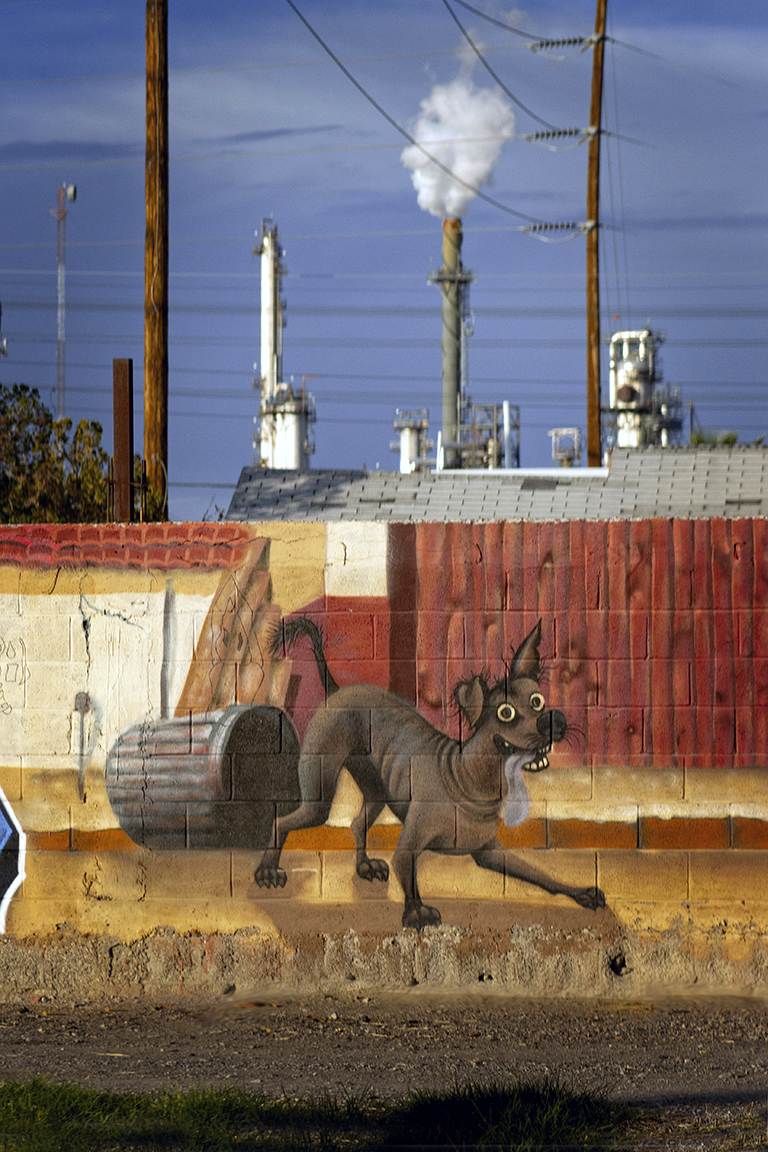
Running Dog, El Paso, November 2023
Text and Photograph by Bruce Berman
I thought I was bringing “the border” into homes that knew it not.
I no longer think that.
I remember an acquaintance, at an exhibition I had, coming up to me after the show and talk and saying, “Now I really know the border and I’ve lived here all my life.”
I was flattered and felt great gratitude. After all, that was my intention in photography, to show and tell what others didn’t see or know.
He then said, I’d buy a photograph, but my wife just couldn’t see one that fit her new color scheme for our living room.
I didn’t know what to say. What could you say?
I understood that when he said he finally “knew the border,” he actually meant he finally could see how he could use what I saw and made for his own needs and wants.
¿Interesante, eh? It’s OK, but I hope for more.
I’ve come to know that most people overlay themselves on the border–maybe on all photography–and for them whatever is there is what is already embedded there, within them, no matter what the image shows.
So be it.
I look for coherence in what is incoherent and hope that someone–anyone–sees what I saw, felt what I felt, but most importantly, comes to know what I know from it.
I have have no expectations.
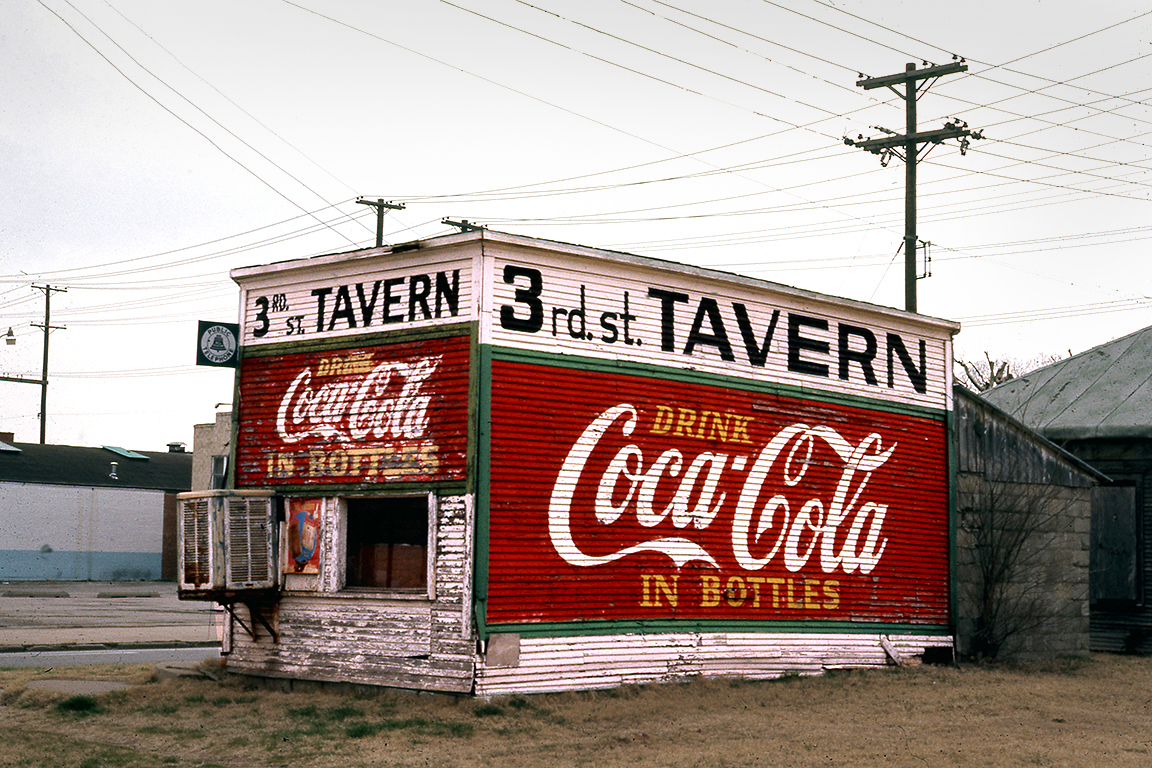
3rd Street, OKC, 1974
Text and photograph by Bruce Berman
Good ole days… when every inch wasn’t being developed.
Period.
July 11, 2023 No Comments
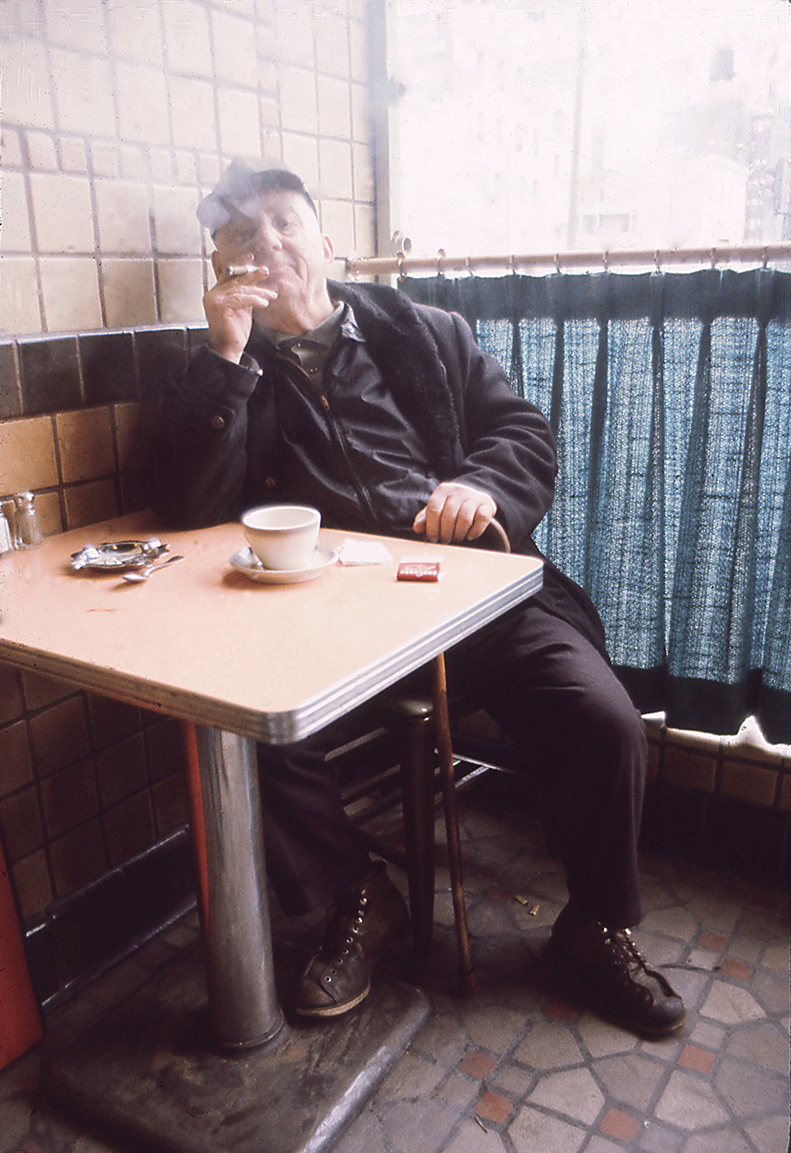
Smoking Man, diner at State and Ohio Streets, Chicago, 1971
Photograph and Text by Bruce Berman
This was the very beginning of my career, when I first realized what I wanted to be … a photographer. Not much has changed since then. This is exactly the kind of photograph I like to make, the kind of experience I like to have. Me on the prowl, encountering a person on the fringe, direct eye contact. The only thing I do now that I did not do then is to get more info about a person, really get to know them. At that time, and for many many years afterwards, I was just satisfied with getting the photograph. As time has gone on I now realize that that is incomplete. It’s the photograph and the text that matter, so that the person photographed is honored, not just used. Maybe that reflects aging, learning the world is not all about me but about me being in the world, about respect for others, maybe just about being a real documentary photographer.
So, here I am, 42 years later and I don’t know who he is, where he was from, what the name of the diner was, what he did for a living, exactly when the date was, etc., i.e., the 5Ws that any journalist knows are essential.
A detail I never noticed before, is his shoes. Believe it or not they are meaningful to me. In my old south side neighborhood, these are the kind of shoes we’d buy every few years. They were our main shoes (except for dress shoes). These were the “better ones,” because they have finished leather. Ours were the exact same 10 lace model but a cheaper brand, and the leather on those was called “rough out.”
Why am I talking about shoes?
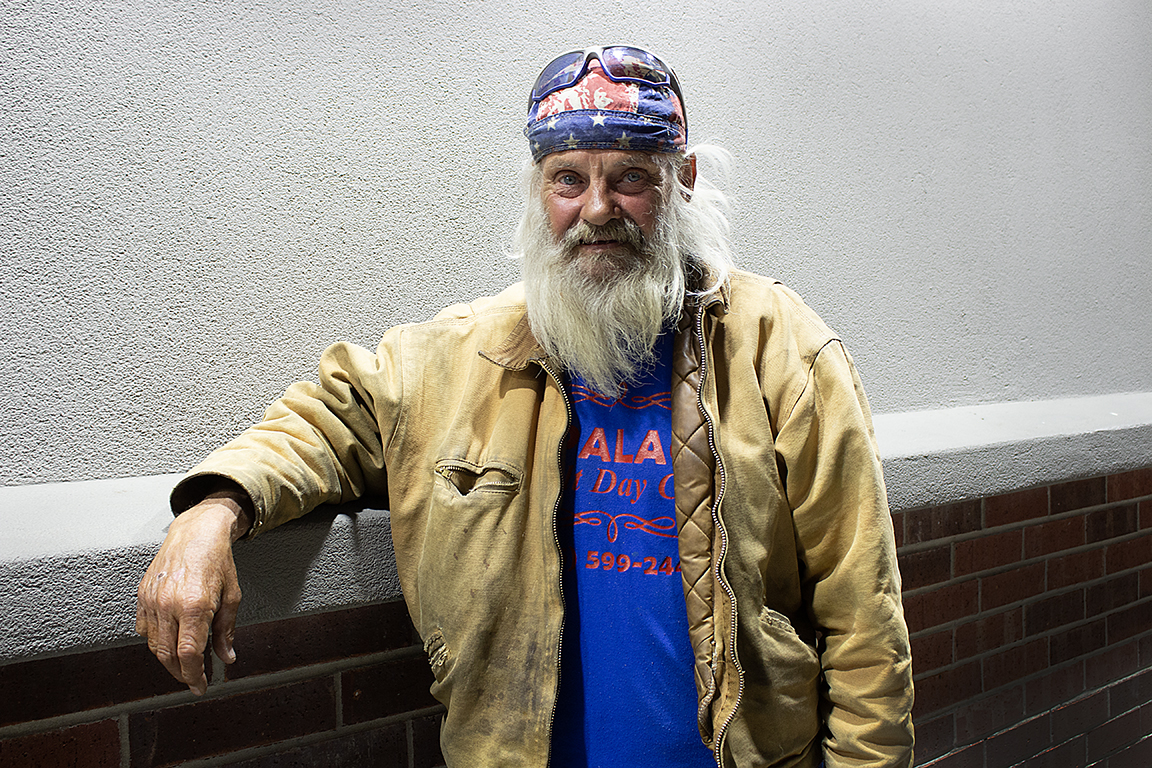
Ghost, Exit Zero, Anthony, Texas, May 18, 2023
Text and Photograph by Bruce Berman
This is the first photograph I’ve taken in a long time that actually means anything to me.
I’ve been a photographer for fifty-five years. So that’s kind of a sad statement, eh?
I’ve been teaching photography at New Mexico State University for the past seventeen years. It takes its toll.
All the energy I ever put into my own work and the work of the work that allowed me to live off of it gradually but inevitably goes into inspiring others to do what I used to do.
Anyone that teaches can tell you there are some great students that make it all worth it. They’ll probably also tell you there are a plethora of others that didn’t treasure the gift you gave. It’s part of “the biz.” You roll with it.
I do think there comes a time, a rubicon, where your own creative desires become endangered. It’s not just the endless repetition about the mechanics, and the history and the nuances of doing photography, it’s also the endless drivel of academia, the business of being in a university, the committees that mean nothing to me personally, seemingly a bubble of detachment from reality, the occasional obscenity of human behavior, acting so massively vicious because, the stakes are so low. Politics are vicious and low. The feeling of irrelevance can be very high.
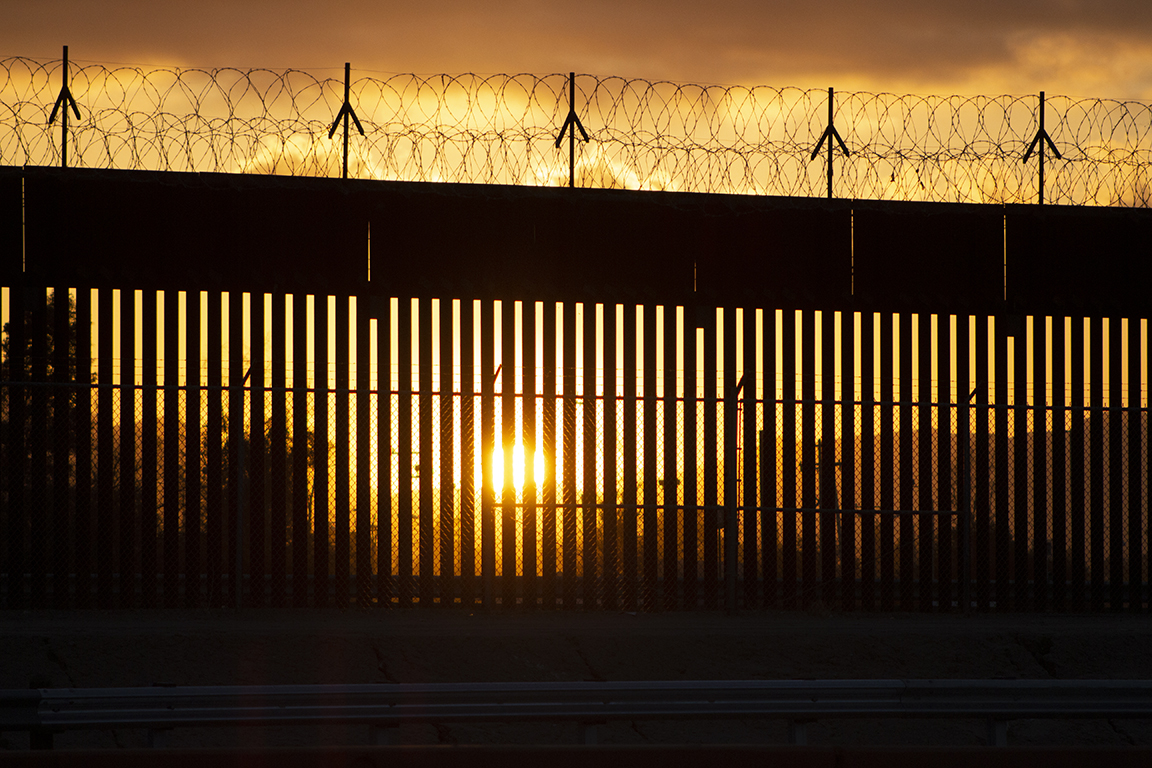
Border fence, El Paso, Texas/Juárez, Chihuahua, November 2022 by ©Bruce Berman
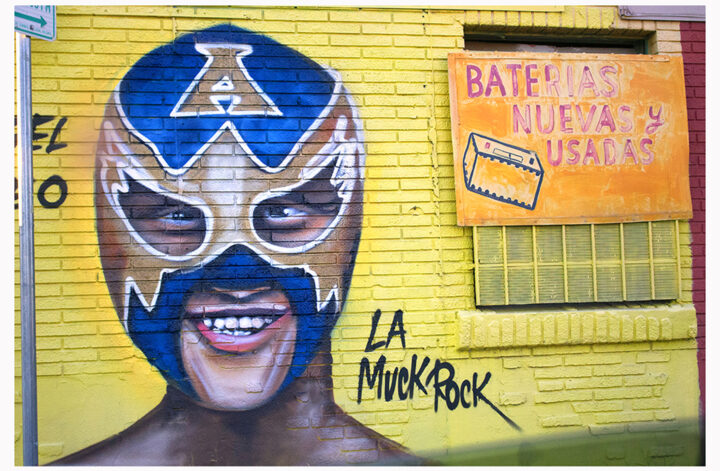
Luchador Baterias, Alameda Street, El Paso, Texas, 2022 ©Bruce Berman
Text and Photograph by Bruce Berman
Muralismo was a political art protest movement, strong the 1960s through the 2000s. Increasing, murals,. and mural artists are not only accepted throughout American communities, but, often, artists are sought out to create murals on businesses large and small.
Why not!
They’re powerful, colorful and add a touch of “the ‘hood,” to seemingly unhood establishments.
They reek of “Down With The People!”
There are a lot of artists out there and a lot of art schools producing a lot of artists.
More and more, in the actual ‘hood, murals are just commercial signs, sans political and cultural content.
Whatever! At least they aren’t plastic and mass produced, like so much else that has crept into our culture.
And, in the ‘hood, muralismo is still going on, with heart.
There are 100 billion neurons, connected by synapses in your brain.
The entirety of those connections make up the “connectome,” which many scientists think are the key to human identities.
Who knew?
One might ask, what if one of these neurons was changed/altered, would we be who we are now? Ten? A million? Would I be funnier if a mad Mega Scientist changed 107 of mine? Would everyone be nicer if 12,300 were altered in every baby? A world of nice nice. Would you want it?
What about not nice not nice? A world full of Don Rickles’?*
And, could all the IT Transhumanists do the changing? And what could they turn us into, should they acquire the skill to do so?
Why is this on the Border-Blog?
I dunno, the “border” has become kind of a bore. This isn’t!
Enjoy your day.

What’s next and who do you want to be?
Illustration: Cleveland Clinic
For almost twenty years photography has been my voice and the border has never stopped callin’ me.
Photography moves me still, but in conversation, more and more I’ve talkedf about my teaching job at New Mexico State University, as “passing the torch.”
I’m not sure, but maybe it’s been passed (and will continue to be).
I’ve been fretting fora few years about “what’s next?”
Right now, all I know is, if you aren’t feeling as good as these kids (on this video) or even something a little like it, it’s time to stop fretting and get the “next” going.
And I shall.
Two things are calling me and calling me hard these days and nights: Music (guitar… which doesn’t let me go to bed early or even late) and Africa ()which just won’t get out of my head).
Stay tuned, when Im know more I’ll let you know.
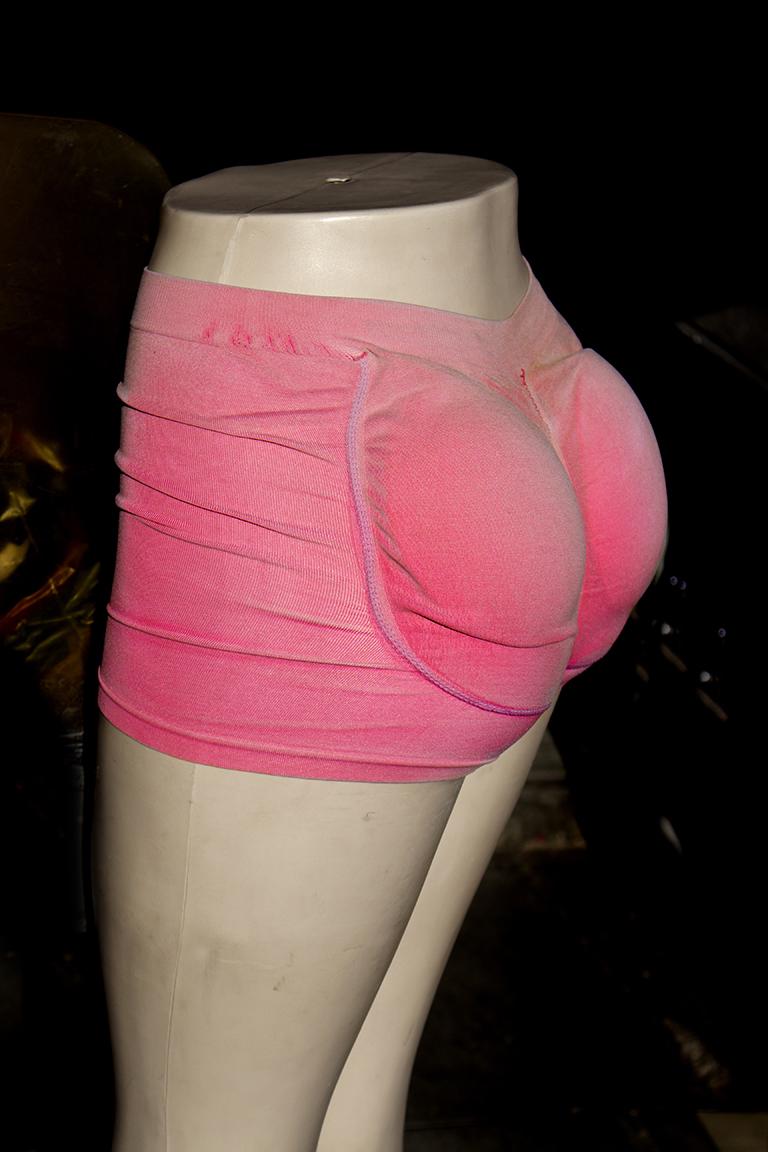
Border (enhanced)booty, El Paso Street, El Paso, Texas, April 2022
Photograph and Text by Bruce Berman
Who knew? And, in pink, yet!
Betcha there have been many surprises.
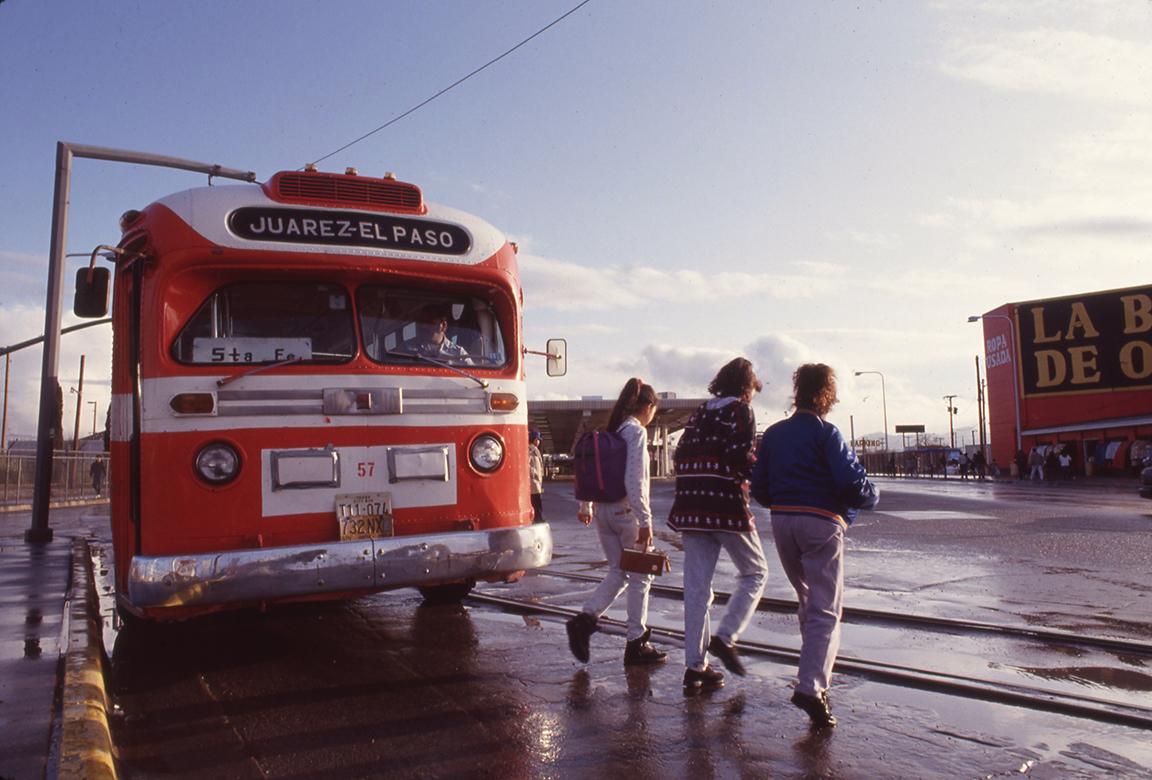
The Red Bus, Paso del Norte International Bridge, El Paso/Juárez, 1989
Photograph and Text by Bruce Berman
The Old Red Bus ran back and forth over the Juárez International bridge for decades. The bus itself was from the late 1950s, a GM. First photo I ever took when I got to El Paso and started wandering around was of the Red Bus, on El Paso Street. I noticed the women, from 18 to late 40s, lined up. I came to know that they were “maids,” low wage women from Juárez that came over every day and served the Anglos of a neighborhood north of downtown. It was called Kern Place. At the end of the day -those that worked by the day and not the week- would walk south down the hill to “EL Centro,” get on the bus and go home, to Juárez
Generations of Anglo kids were raised by these “maids.” Tons of dishes were washed. Beds were made. Laundry was done. They watched the American culture and went home. Key word: Home. Theirs. Another world.
I shot that old photo in October 1975.
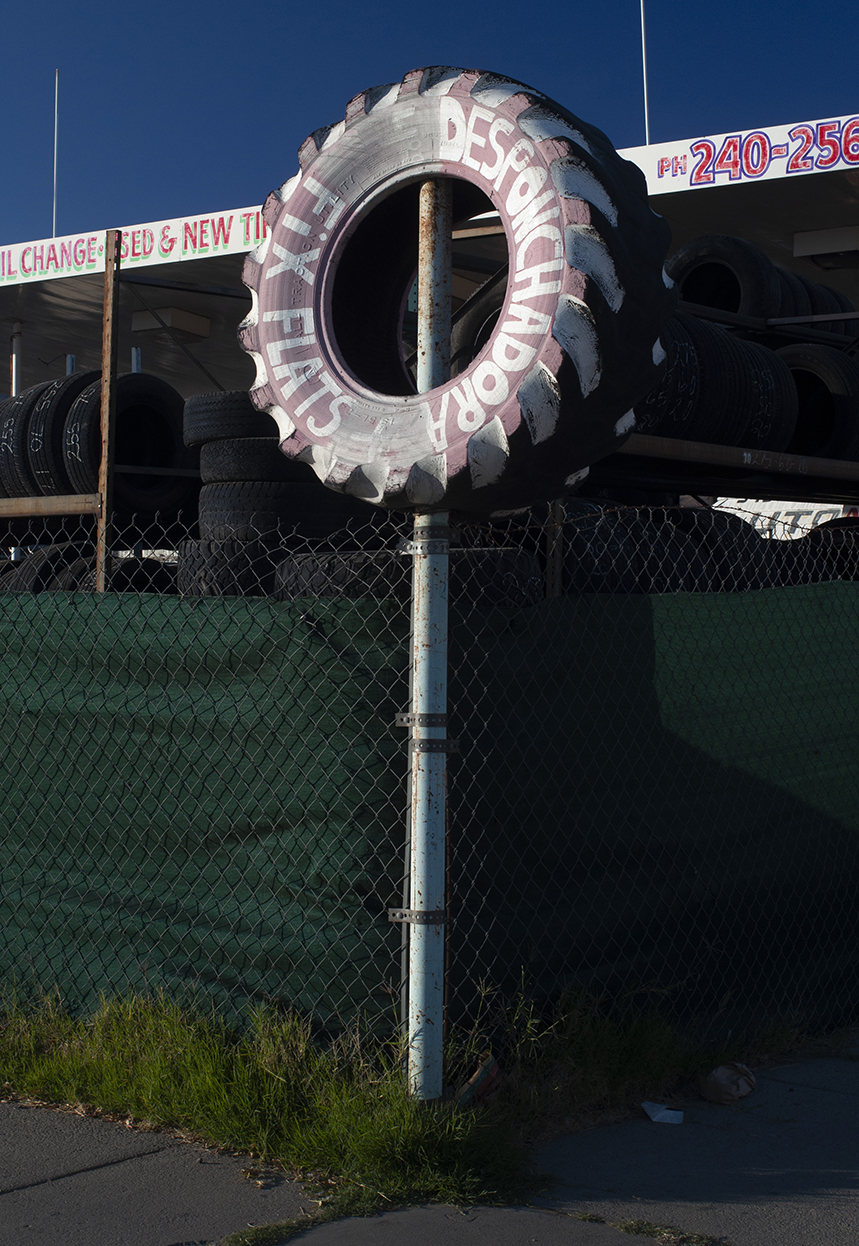
Fix Flats, Alameda Street (U.S. 80), El Paso, Texas, 2007
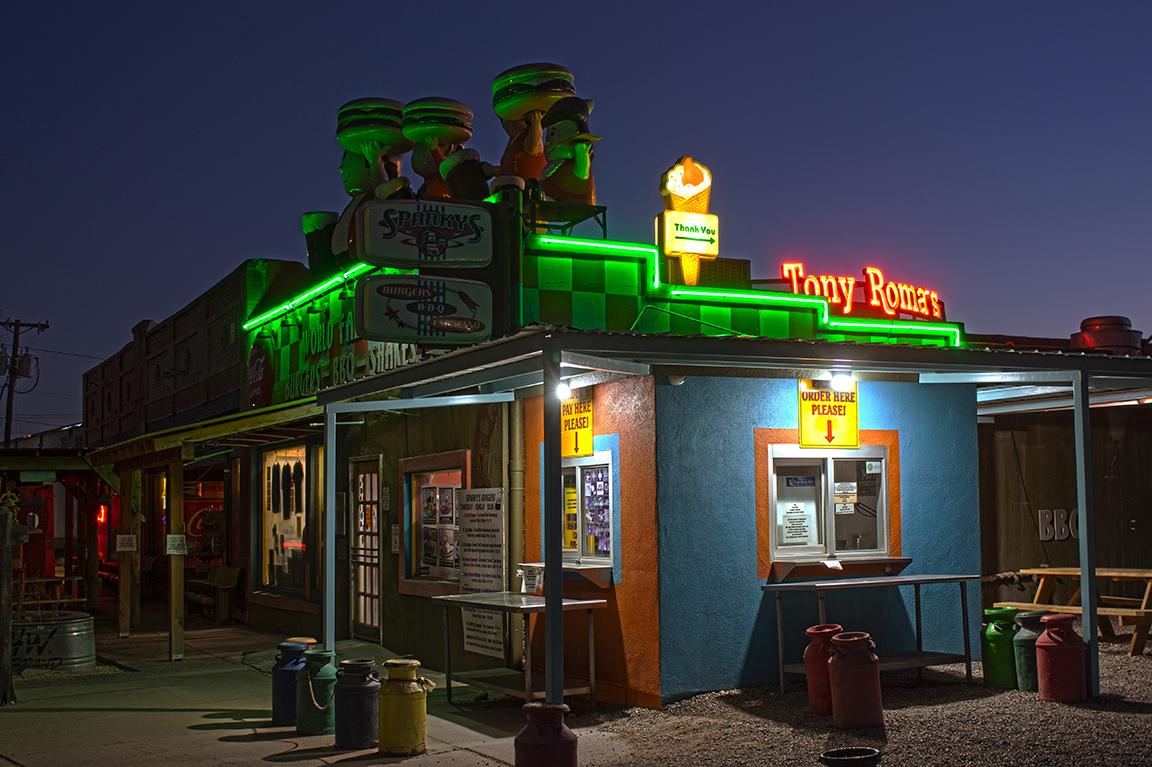
Tony Roma’s, Hatch, NM (SVNM/Small Village New Mexico Project),
March 2022 by Bruce Berman
Text and photography by Bruce Berman
The SVNM Project is a group documentary project done by the students (and professor) of the photojournalism program in the Journalism and Media Studies Department at the New Mexico State University (NMSU). The project is an ongoing project done over the past ten years.
It is a document of the Rio Grande river valley of southern New Mexico.
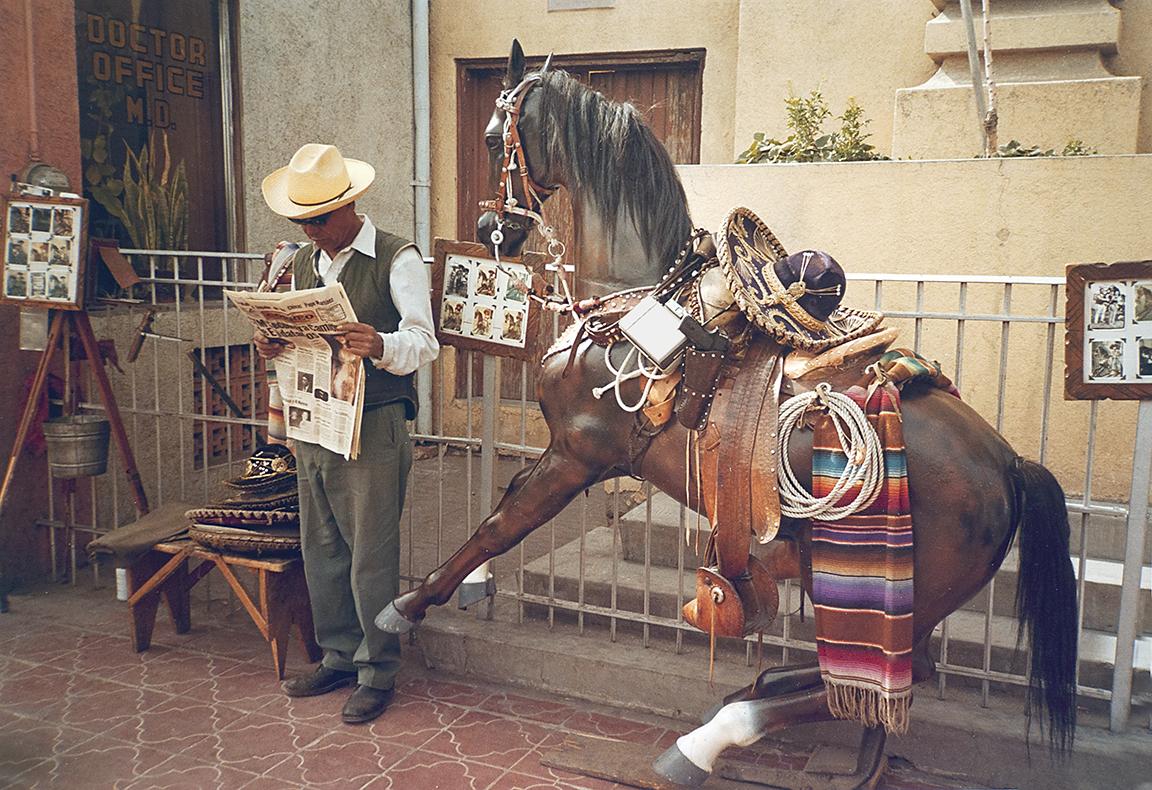
Fotografó, Sunday morning, Calle Juárez, 1981 by Bruce Berman
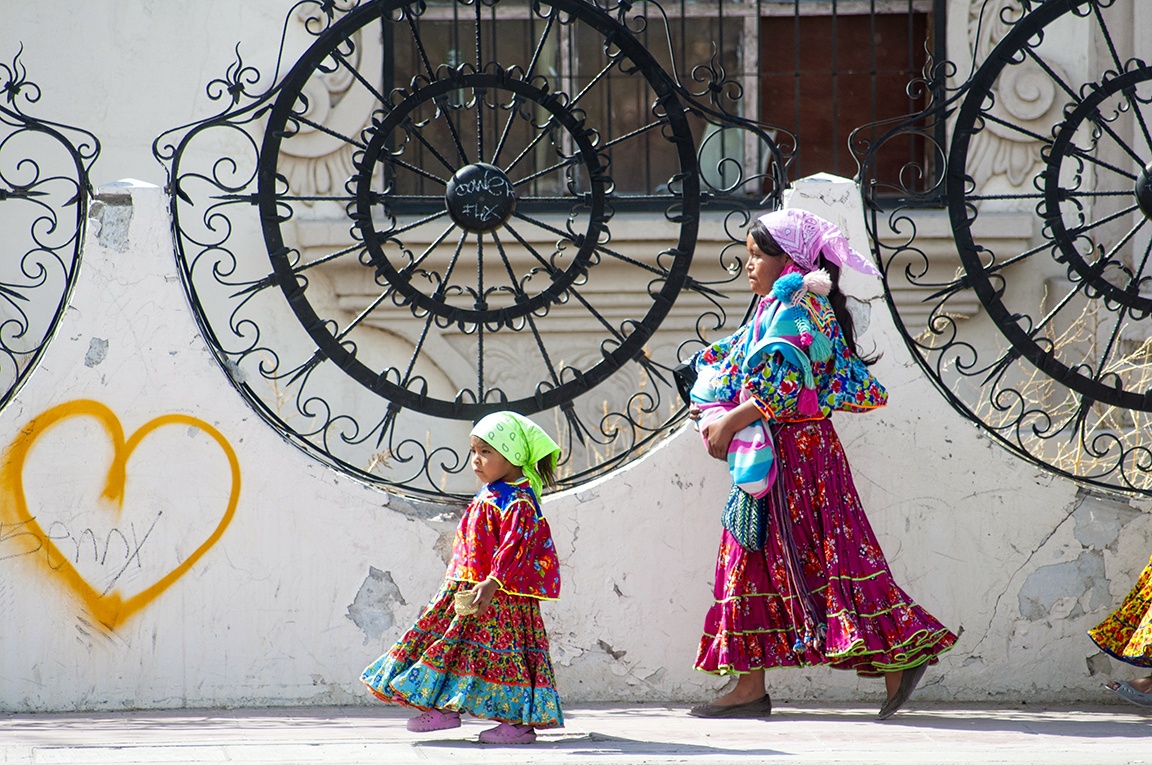
Juárez, Tarahumara mama and kids, 2012
In the middle of the Cartel War, the Tarahumaras from the Sierra Mountains of northwest Chihuahua, México, still work the streets of Juárez, selling goods, doing services, and attempting to not blend into the fabric of the 3rd largest city in México, Ciudad Juárez, Chihuahua.
The Tarahumara Indians (self-named Rarámuri), are a tribe that inhabit the northwest of the State of Chihuahua in México.
Economic conditions through the late 20th century and early 21st, have forced a large part of the tribe to seek economic stability in the nearest major city, Juárez, México.
The Rarámuri try to retain their cultural identity in dress and custom, an uphill task in the sprawling northern city of Juárez.
For more on the Rarámuri see https://www.britannica.com/topic/Tarahumara
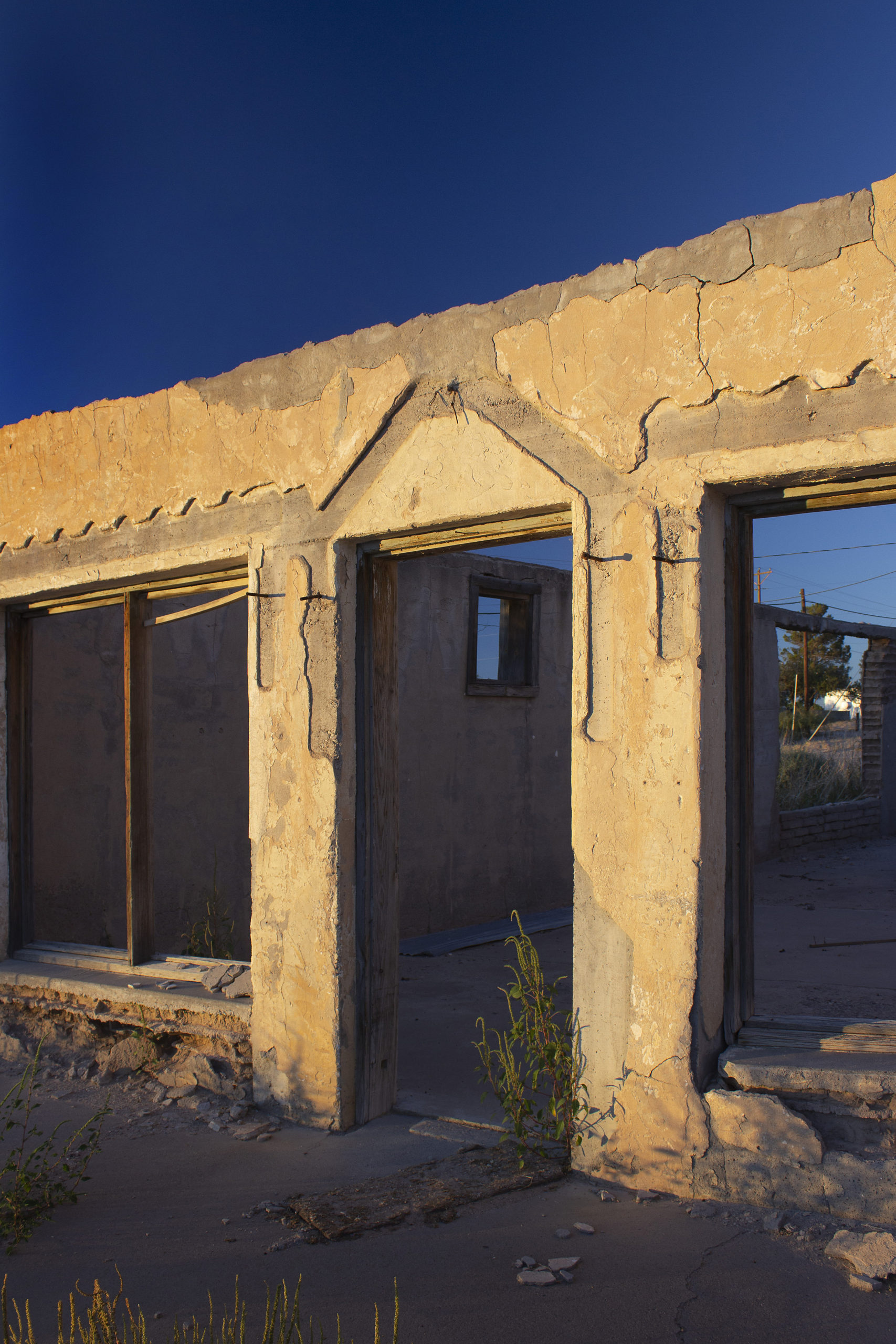
Beautiful ruin, Tornillo, Texas, 2021
Photograph/Text by Bruce Berman
The difference between the ruins of 80 years ago and the ruins 80 years from now, is there won’t be any ruins 80 years from now. Nothing built now will endure and nowhere that it’s built will be left fallow.
Can you imagine a photographer, in 2101, stopping, putting up his/her tripod, waiting for the perfect light, on a 7 Eleven or a Carino’s or a McDonald’s that was built in 2021 or 2007 or even 1999?
It was bad to begin with! Flat. Textureless. Corporately linear and featureless. Purposeful mirthlessness.
Maybe on Mars.
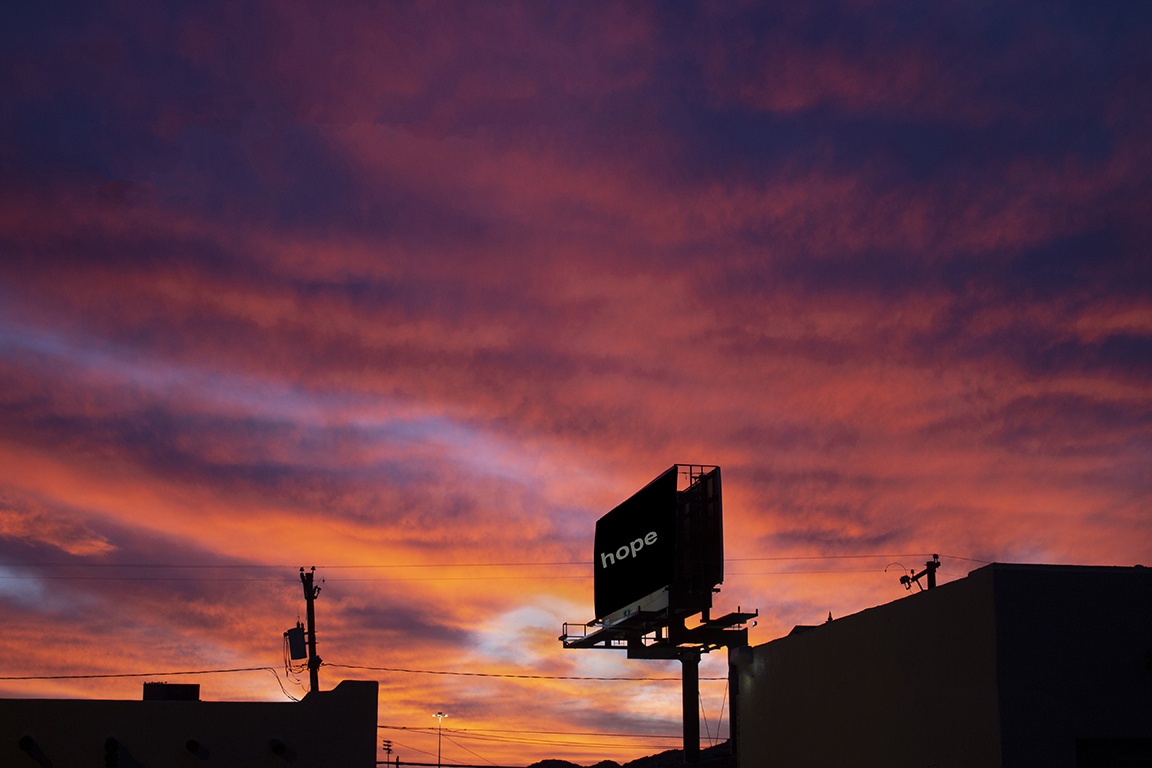
Hope on the border (Illustration), El Paso-Juárez, 2021
Text/Photography by Bruce Berman
This is not a photograph. It is an “illustration.” It’s a “montage,” a form of photography that goes all the way back to the near beginnings of photography. The distinction between “illustration,” and “photograph,” is that the former is an idea and an opinion and the latter exploits photography’s main strength: believability.
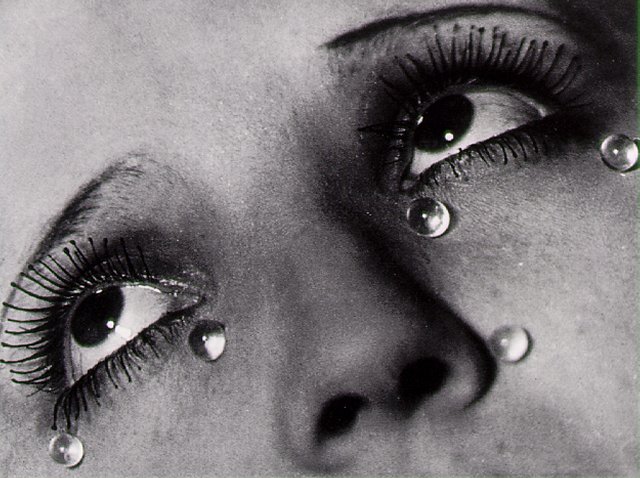
Tear drops by ©Man Ray, 1930
Text by Bruce Berman
Dear Border-Blog reader/viewer.
You will notice there is a three and a half year gap from March 18, 2016 to October 12, 2020.
I have not been lazy. Frustrated? Yes. Bummed? At times. Optimistic? Of course.
Last August we had a malware attack. I maintain and post on five different websites, this one being the grandaddy of them all. Each had to be shut down, suspended and pronto! The entire host’s hard drives would be infected if the site stayed up.
So, we shut it down.
I’ve missed it a lot.
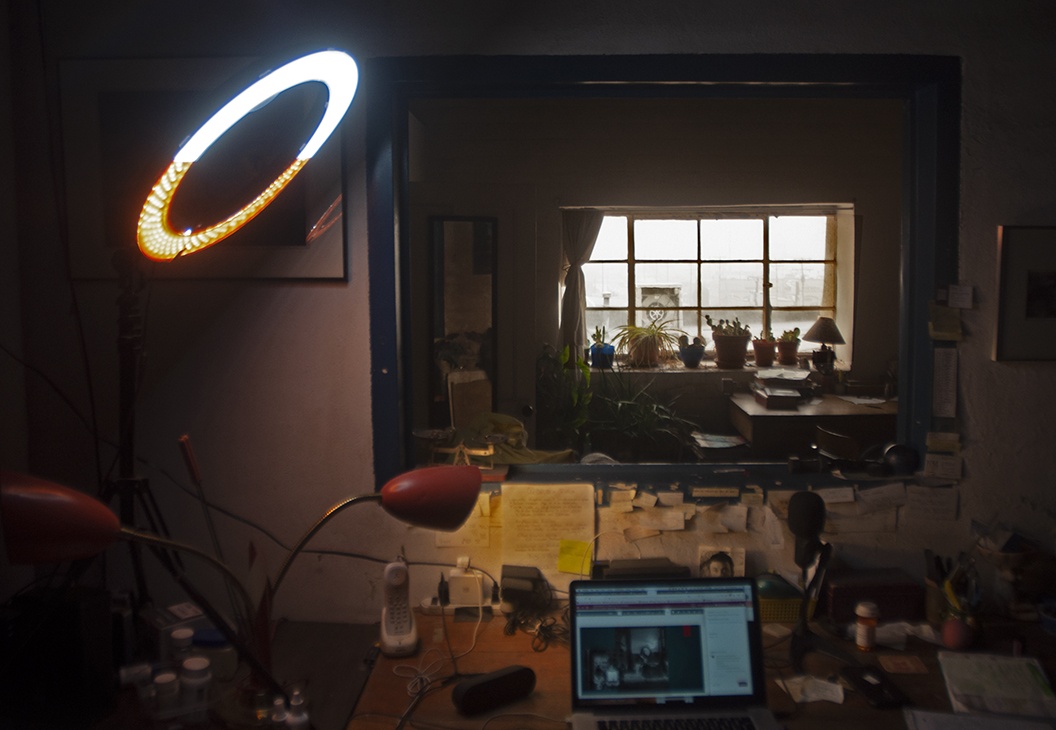
End of a semester. End of an era. My smiling mask of self confidence, of confidence-projecting, of being reassuring has wound down to a needle tip. Sat at this desk for 14 months, rising to the occasion of teaching remotely. Three semesters of little grey rectangles talking with me and me with them.
They rose to the challenge and so have I.
And I’m fried!
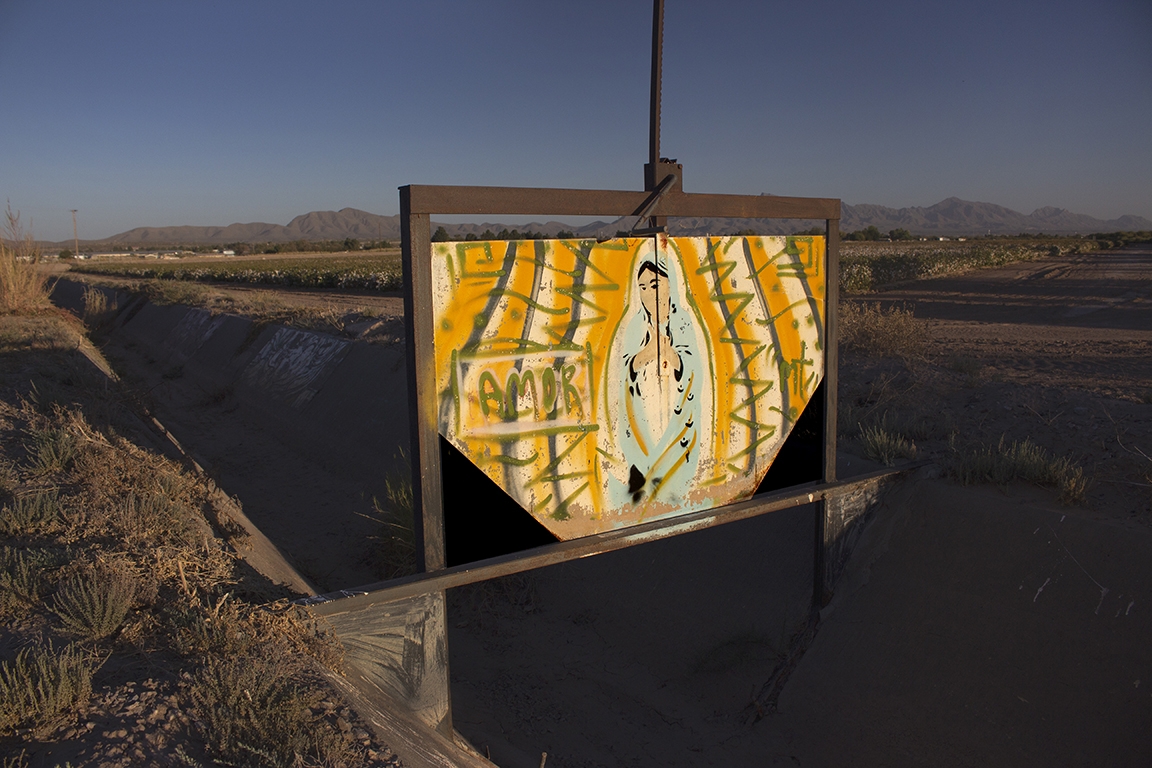
Amor for the irrigation ditch, Mesilla Valley, October 2020
Amor is where you find it.
The Mesilla Valley is known for its high quality cotton production, its incomparable Chile and, increasingly, its huge pecan orchards with a winery thrown in here and there.
The valley straddles the path of Camino Real, the Royal Road of the Spaniards, as they marched to the north, conquering (and being defeated, notably by the fierce and excellent cavalry of the Comanches of the Empire of the Comancheria).


