Search results
27 results found.

On The Edge of the Edge – The U.S. – Mexico Border
27 results found.
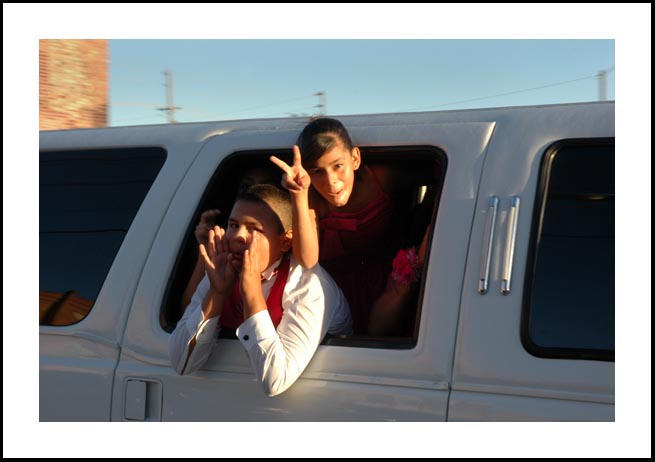
Remember?
Joy?
Fifteen and delirious, defiant and non-idealogical, optimistic and uncertain, determined and hesitant, at times wildly free and untamed.
Quinceañera.
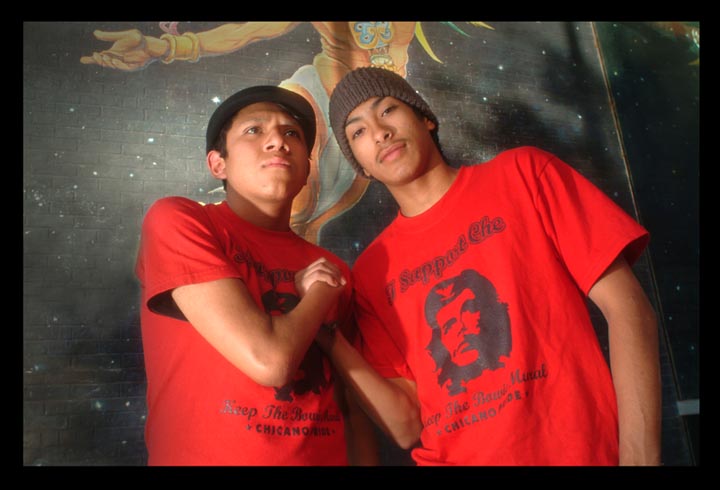
Spring and summer of 2006.
“Revolution,” in the streets. Faux Revolution? Revolt. Spurt of protest? Quien sabe?
Remember? The immigration demonstrations and walk outs?
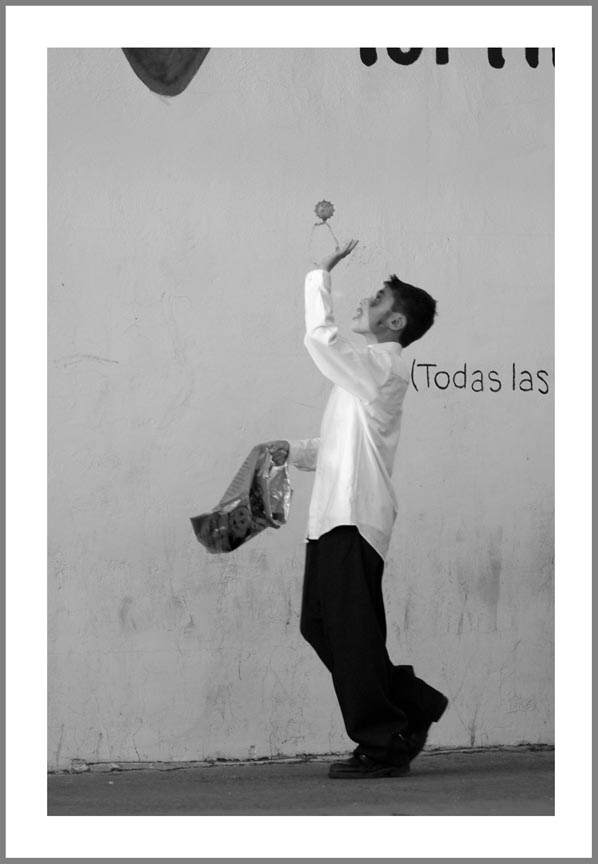
Text by Bruce Berman (in full snide mode)
Halloween is The Great Day in El Segundo barrio. The ‘hood comes alive. People are pouring over the bridges heading from Juarez on the candy quest. People in the neighborhood put on the costumes and come out of invisibility. The first block of America (6th and El Paso) is a riot of laughing and color and wild abandon.
Nothing is sure on this border in this neighborhood anymore. “They” are back! The Developers. “The 180s” aren’t around on this day. The Developers, their Pol puppies, the Gov. employee “Good Germans,” even the The Do Gooders (even if they are really the Do Badders). That’s what I have come to call them all. They say something and if you want to find out what they just said just think 180 degrees opposite from what it was. Most of them are up in Kern Place handing out candy, their yearly contact with the rabble. They’re all afraid of the people when they have fun.
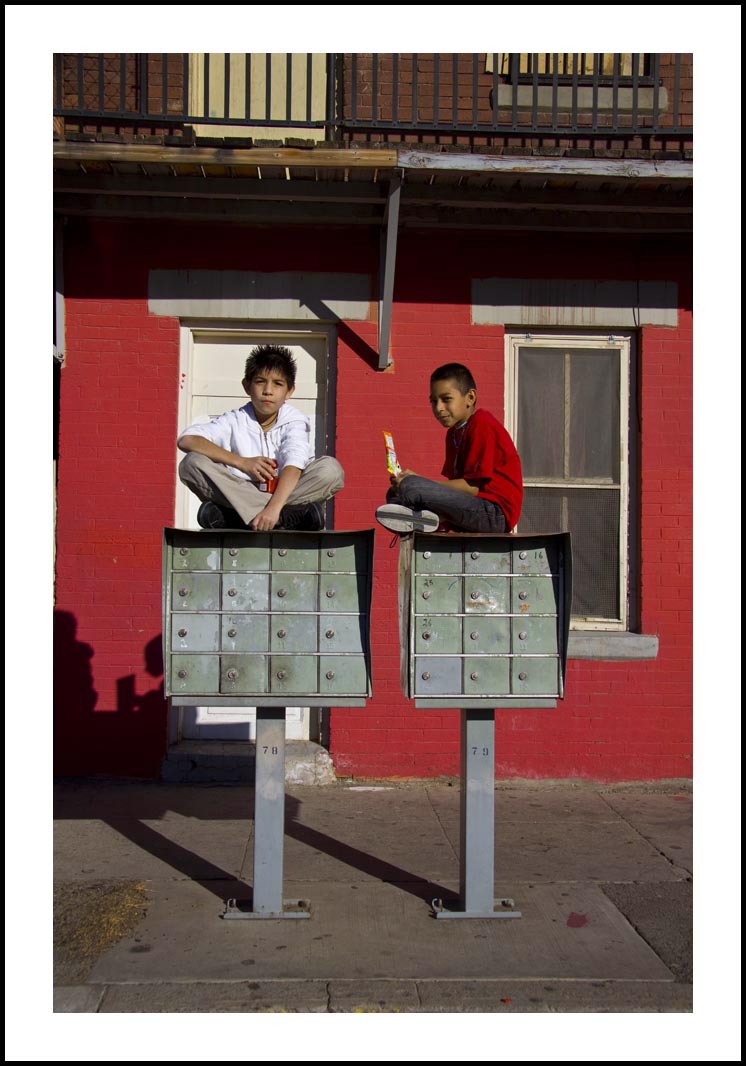
The Shrinking Segundo Barrio
by Bruce Berman
El Barrio, The Segundo, is shrinking.
It’s getting the squeeze. The squeeze has been coming for a century or more but it’s a full assault now, and a generation that had roots in the ‘hood, that was born of a time and place that demanded they fight, is no longer there in numbers and possibly not there in energy and historic resentment.
The neighborhood is being squeezed from the north with the Dreamland Downtown Plan back on Premium and from within. A proposed Science museum in the old Armijo School would be the death blow.
If the deathblow can be delivered to an already dead corpse.
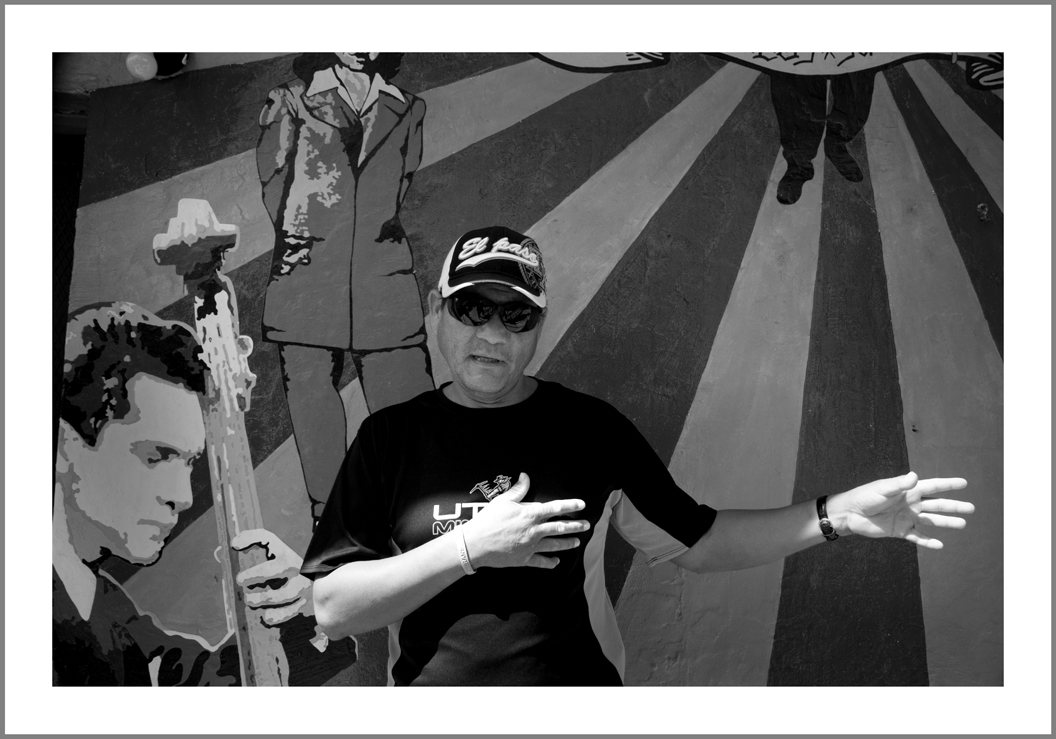
Photo and Text by Bruce Berman
Man from Anthony, New Mexico, describing his younger days in the Segundo barrio.
The Segundo barrio is El Paso’s most historic neighborhood, hugging the border with Juarez, Mexico and architecturally intact from the 1880’s “railroad boom,” that brought fired brick architecture and “Chicago Brick (which is atypical red).” Some adobe structures go back to the early 19th century. This part of the city has had human habitation for thousands of years. Spanish travelers began European settlement at this place in the Rio Grande/Rio Bravo in the mid 1600’s.
The real significance of the Segundo barrio, however, is the Latino community and it is significant. The barrio, historically, was the first “stop” on the journey north to “El Norte,” whether it was a matter of days for rest or for a generation of orientation. Many people in El Paso trace their roots to family who lived in El Segundo barrio in their first years in the United States.
FOR CAFÉ TACUBA VIDEO (and the rest of this article):
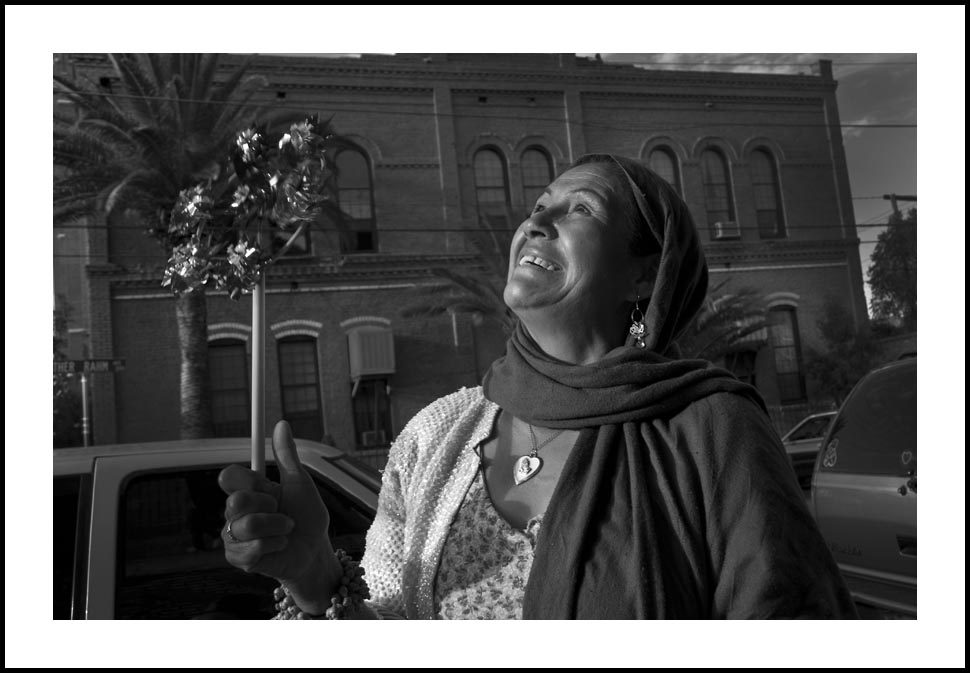
EL PASO –Angelica Alvarez. A true believer. A believer in her faith. A believer in a better day. A believer in joy.
I noticed her as she worked her way down the street, engaging every person that she encountered, leaving each person she talked with a smile on their face, enthusiastically waving goodbye to her, they no longer strangers.
I followed her.
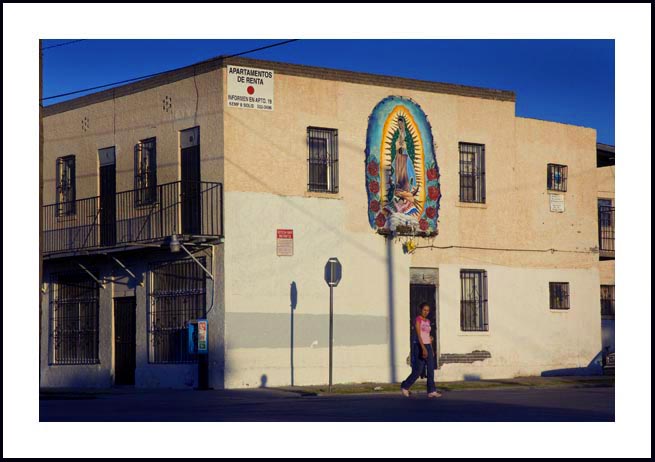
El barrio is a community. Bruised. Not what it was. Sitting on the border and prime target of speculators, er…ah…read that as “Developers,” but still standing. Go back and ask anyone in any American city, for the past 60 years if “Urban Renewal,” was about construction or destruction. If you actually need to, go ahead.
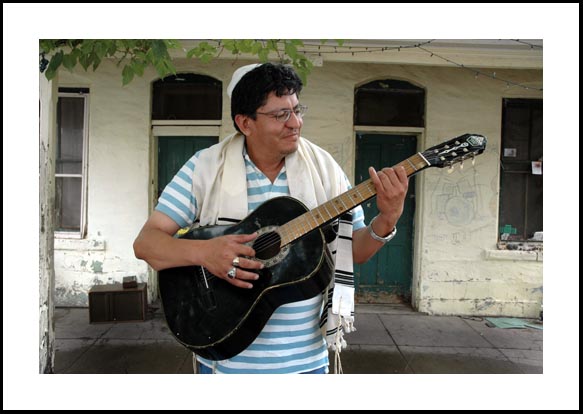
Why do I ever leave my loft?
Went to the gym where a friend of over three years, a retired professor at the local university, someone who has never displayed anything but kindness and goodwill, out of the clear blue, no warning, told me “…the Jews got what they deserved after all the stuff they did as bankers in Germany, don’t you think?”
Wha-a-a-a-a-a?!
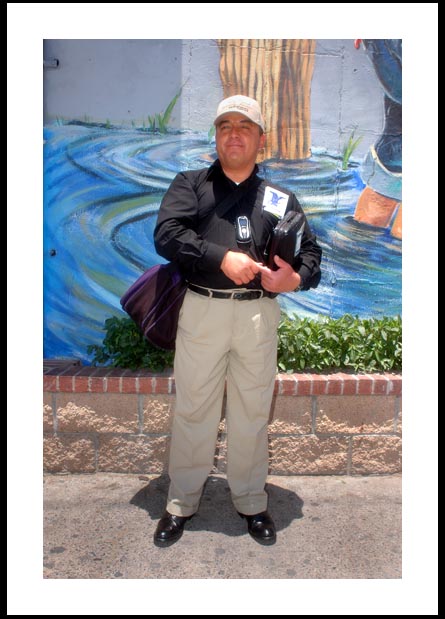
James Barraza prowls the Segundo barrio with his Bible and attempts to spread “the good word.”
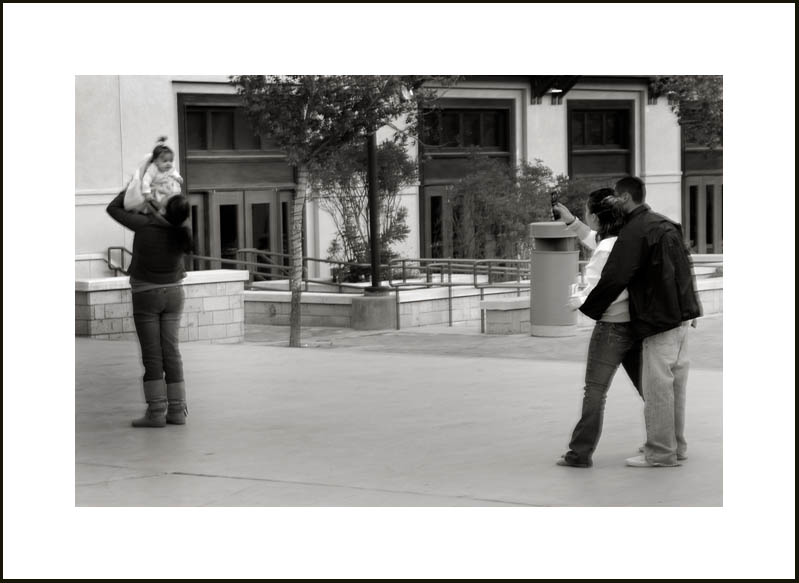
El Paso’s El Centro, the downtown, is packed with people at Christmastime. Unlike most cities of the southwest and of the rest of the United States, El Paso’s downtown is alive and bustling at all times of year, but especially during this season.
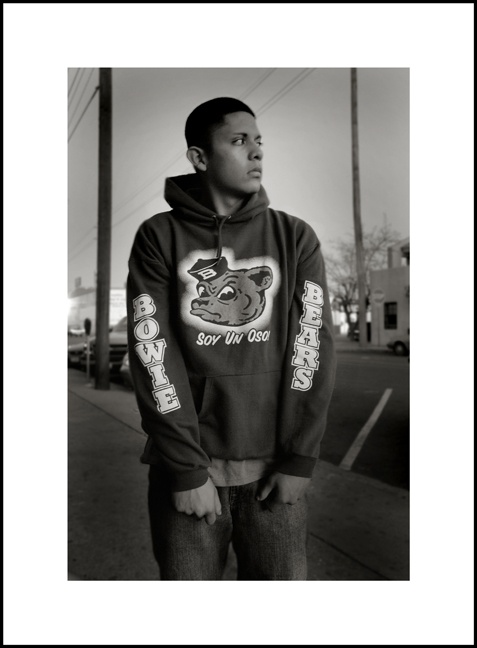
Hugo(last name not given) shows his high school “colors,” on Father Rahm Street on El Paso’s south side. It is twilight and he has been working on a mural at the Sagrado Corazon church’s gym.
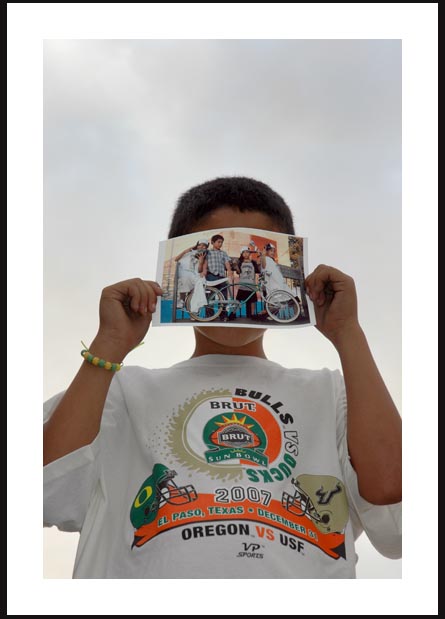
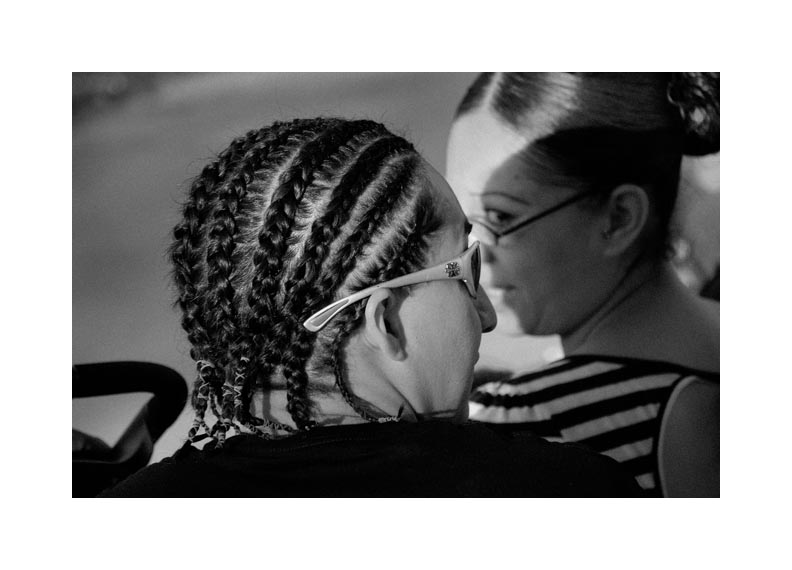
This was a 16 de Septiembre event in Armijo Park in El Paso. Armijo is in the heart of the historic Segundo Barrio. Armijo is a people’s park. This neighborhood is in, actually, the only”urban,” neighborhood in El Paso (hard to define but you know it when you see it: Life exists on the streets)
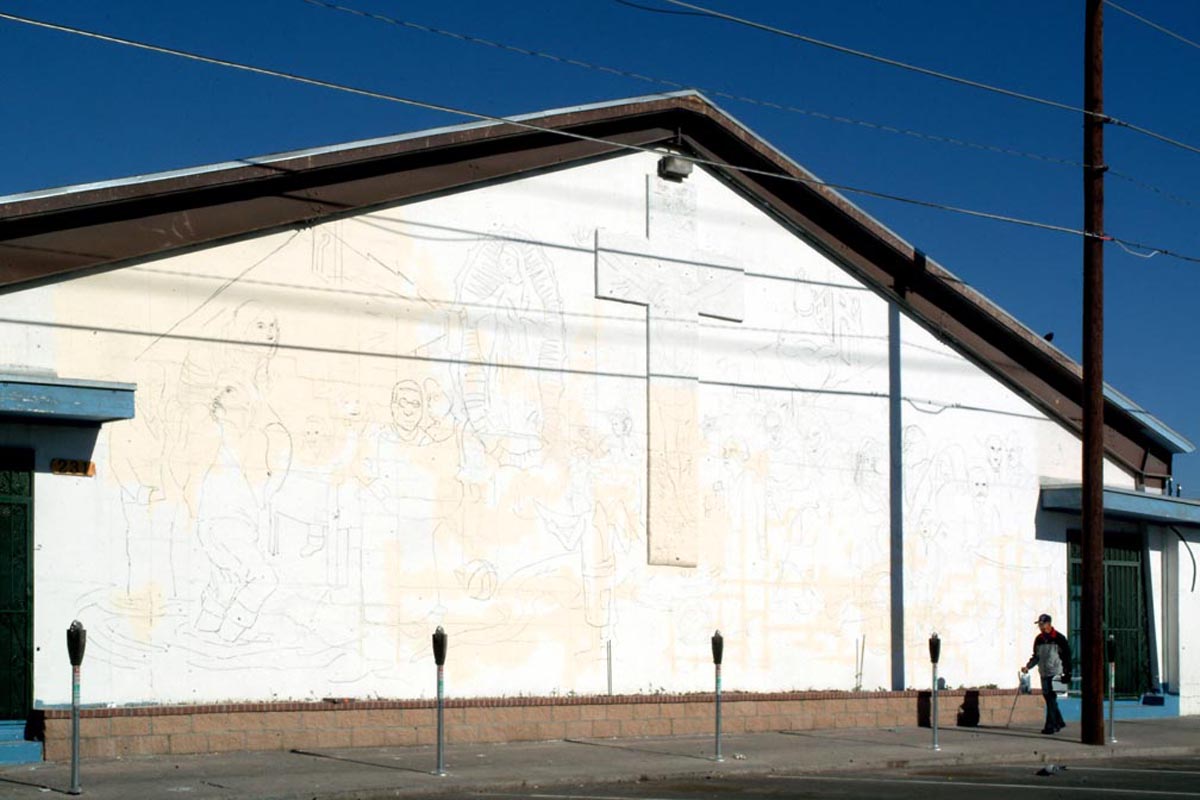
Day 2 / Christmas Eve eve
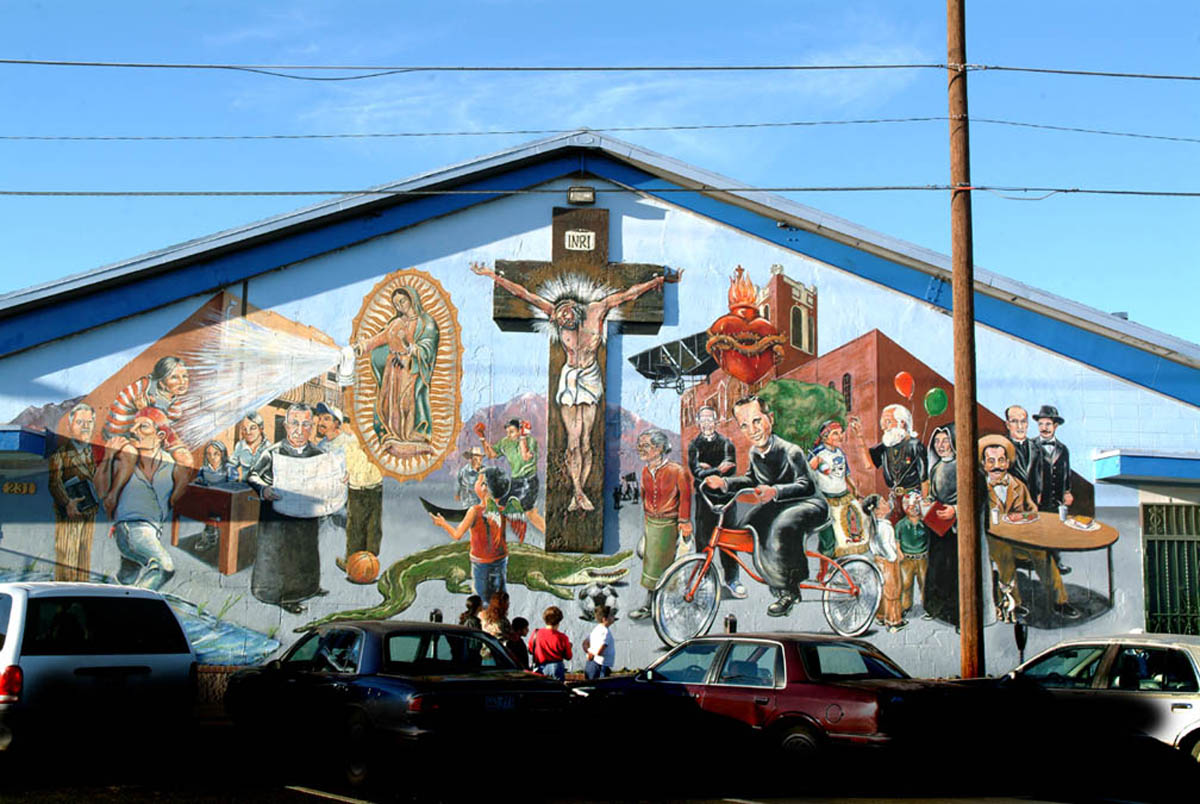
Day 44 / Finished
by Nathan Zarate
photograph by Jaime Ojo
Artist Francisco Delgado, his brother Oswaldo, his friend, artist Mauricio Olaque and a large helping hand from Bowie High School students and neighborhood residents began the Sagrado Corazon Mural on the night of Christmas Eve eve, 2006.
The mural, with support from Sagrado Corazon, local businessmen, concerned residents and ex-residents of the Segundo Barrio,
photo by Jaime Ojo
Artist Francisco Delgado with the assistance of Artist Mauricio Olague and numerous south side student volunteers have, once again, affirmed that El Segundo Barrio is the coolest neighborhood in El Paso.
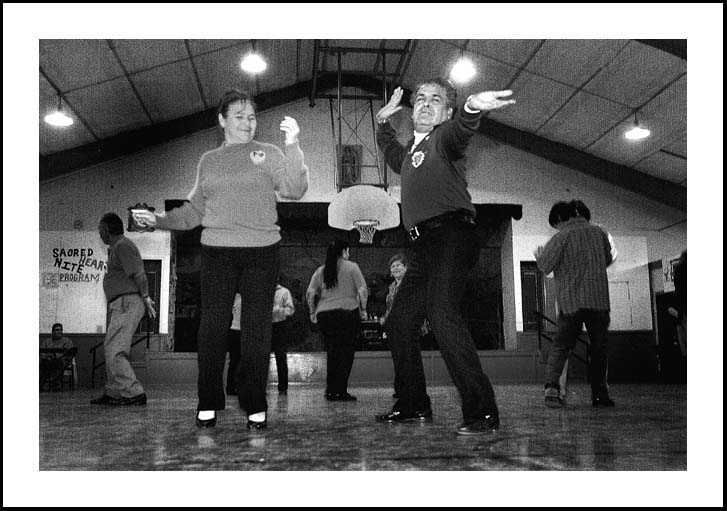
Sagrado Corazon gym. Sunday dance.
Kick it.
Kick it hombre!
Golpelo, vato viejo (no muy)!
Joy always seems to be somewhere near this gym. The ‘hood is really tattered now. Anything near the border is tattered or about to be.
But ya gotta dance, yeah?
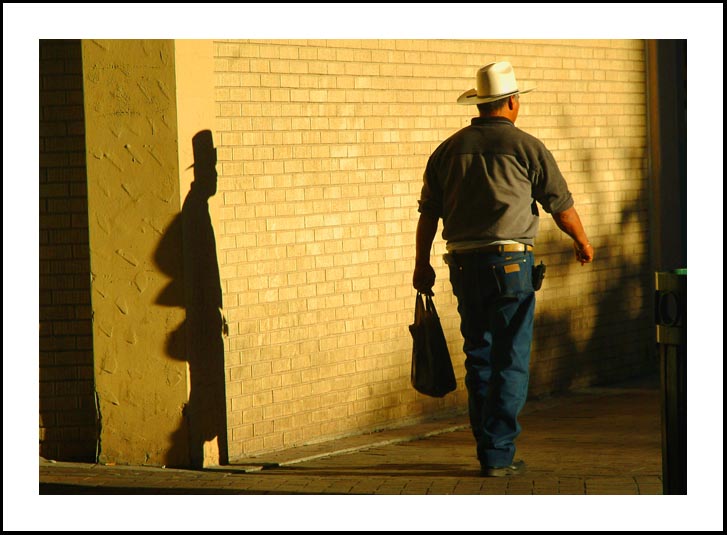
It’s cookin’ in El Paso.
104!
Hard to breath.
But people do.
You keep moving.
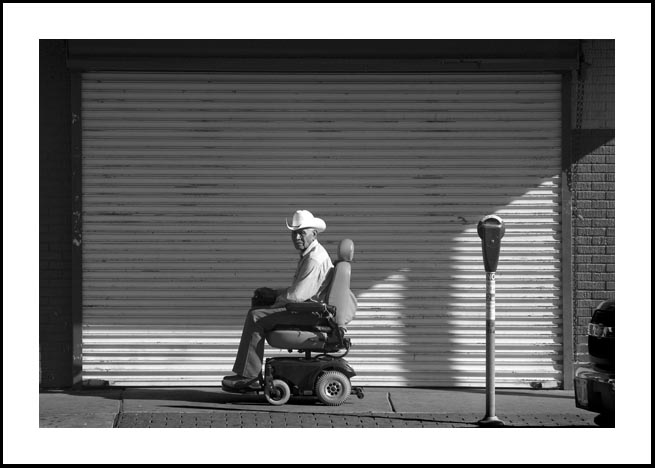
There are a lot of viejos in the Sagundo barrio. They get around.
There are a lot of kids too.
Like it always was but just fewer. It’s the heart of this isolated town.
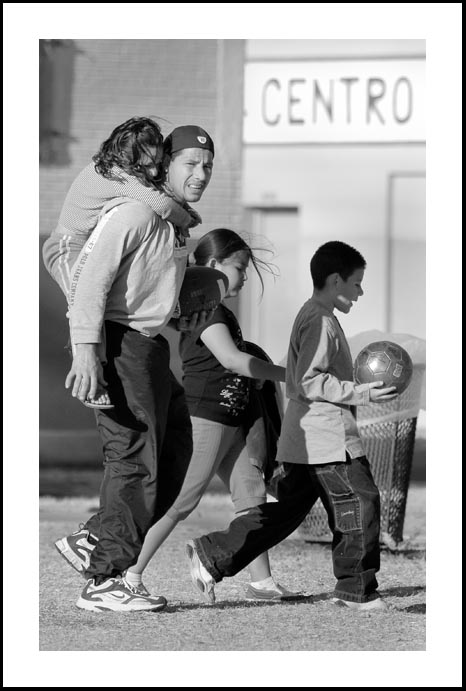
Thanksgiving Day.
Summer of 2009.
I see it every day.
That other day, the one in November, I guess it’s in there somewhere. Eating and stopping the world and traveling and the whole schmeer. That’s thankfulness, right.
What is the word for grinch in Thanksgiving-ese?
I see thanks every day in my barrio. I see thanks for the mere act of being alive and being safe and having someone who calls you Dad or Mom or Mijo.
Yeah, I’m a simpleton.
And I dig it, too.
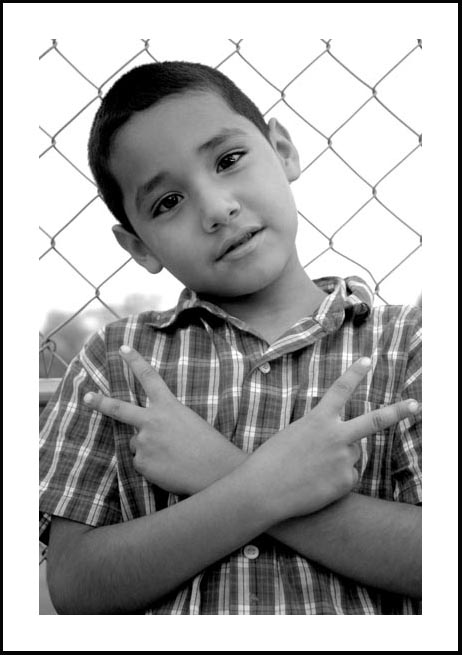
Jesus is greeting me. Or showing off his gang signage. Or just jivin’. Behind him, three blocks to the south, is Juarez. Armijo Park, deep in the Segundo barrio of El Paso is Jesus’ refuge.
Mine too.
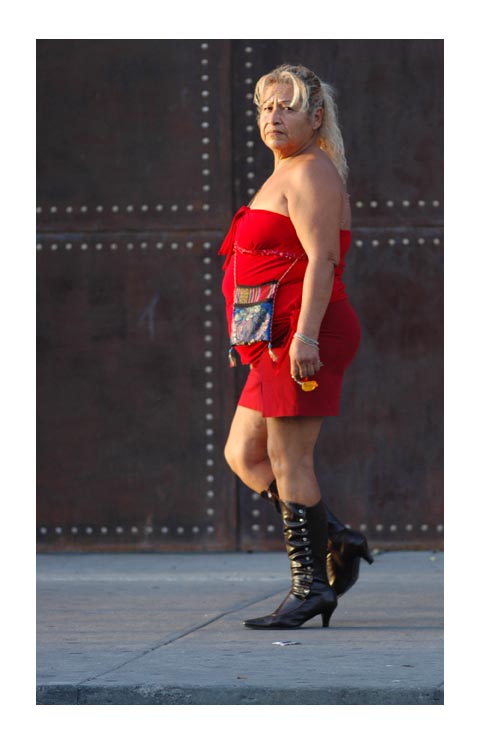
Father Rahm Street. The Church is the backdrop. Backdrop for everything. Still, the heart of the Segundo barrio. This is a community that is a community where everything is there. No gates. No price tag. Fifty nine years after the Fair Housing Act of 1949 was enacted -the Urban Renewal Act- this barrio goes on, ethnically Latino, still a community, long after most American city’s inner cores have been cleansed of the “unworthy.”
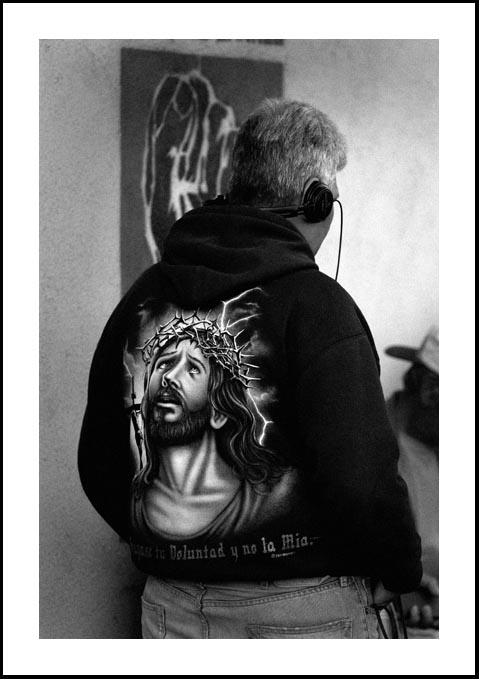
PHOTO OF THE WEEK: April 18-25, 2008
Headphones Ninth Street and Oregon. The first street north of the border in El Paso, Texas. Jan. 31, 2008.
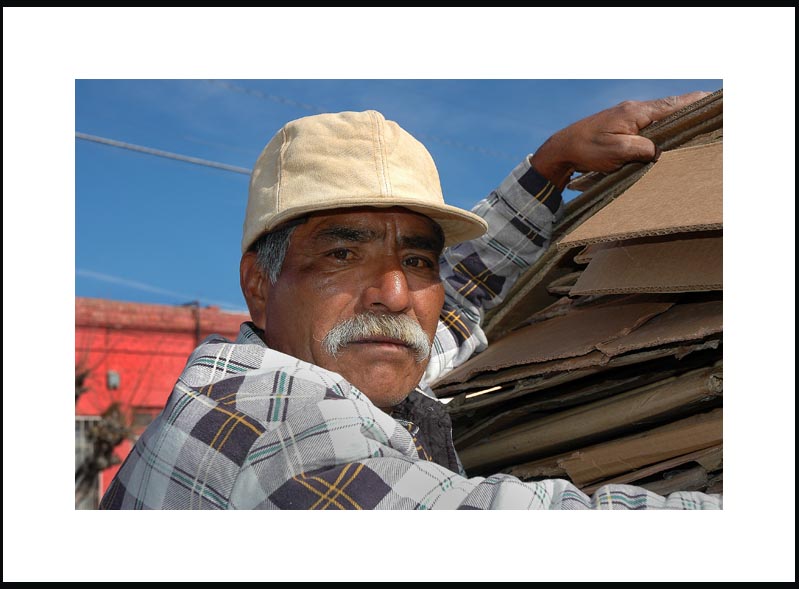
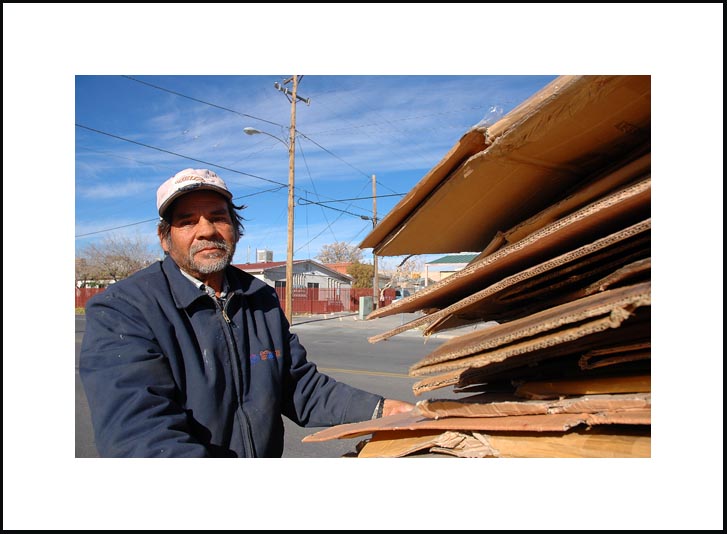
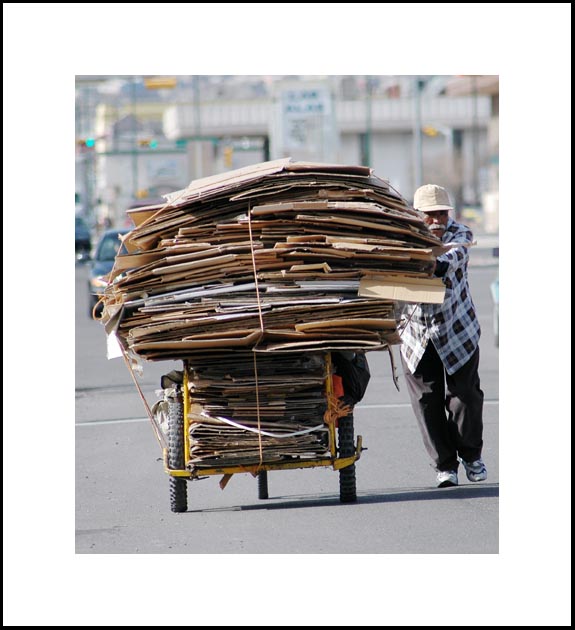
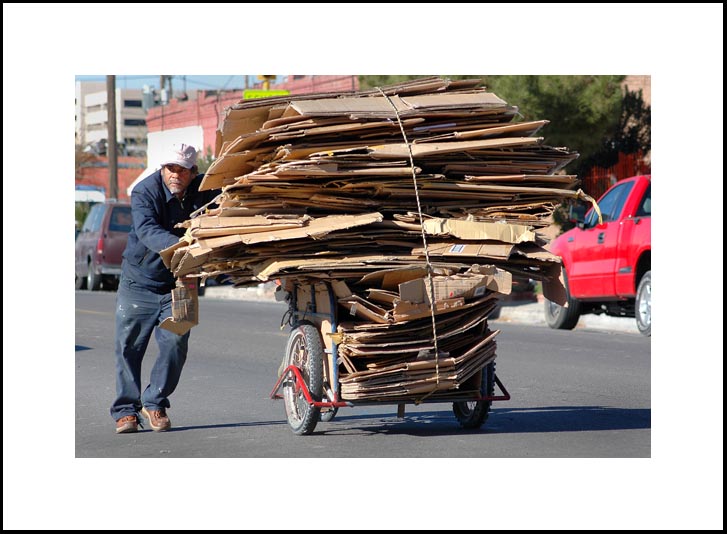
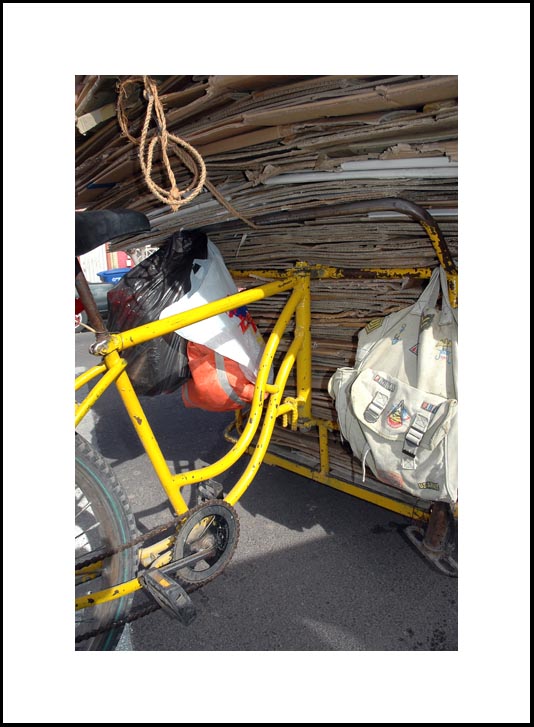
Los Cartoneros
In a desert, on the border, nothing much gets wasted.
Cartoneros, paper haulers, collect discarded and surplus paper and card board from border streets and from border merchants and haul it on their customized ” tricicletas.” They then sell it to scrap buyers, located about a mile from the border shopping district in the Segundo barrio.
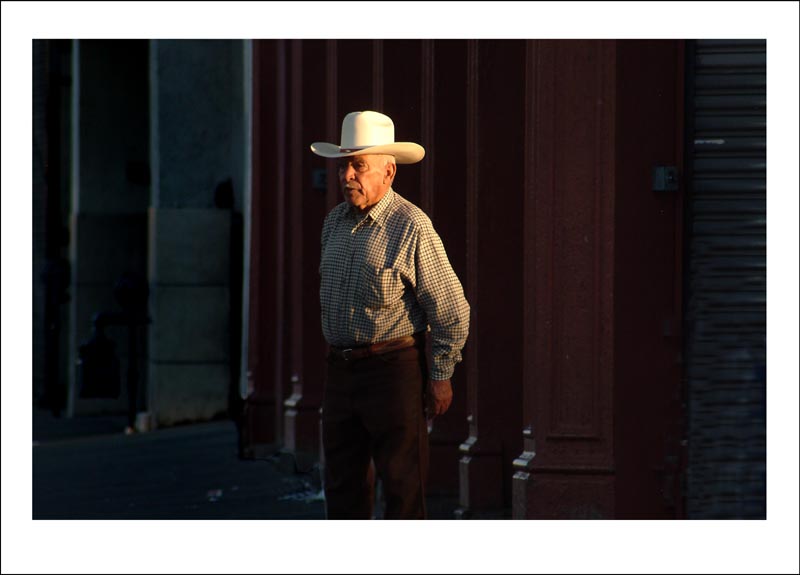
A man stands in the last light of the day at the corner of 6th and El Paso Street in El Paso, Texas. This is the first street of the United States after entering the U.S. from Mexico from the Paso Del Norte International Bridge. The bridge links Ciudad Juarez with El Paso and 6th and El Paso streets could be considered the crossroads of the northern part of the Western Hemisphere from south to north.
A lot of old folks (viejos) grew up in this barrio and are still there. They are the dignity of the barrio.
Imagine how people felt when a picture of an old viejo was used, by City planners, to show what was wrong with El Paso?
Los Viejos are what’s right with El Segundo.
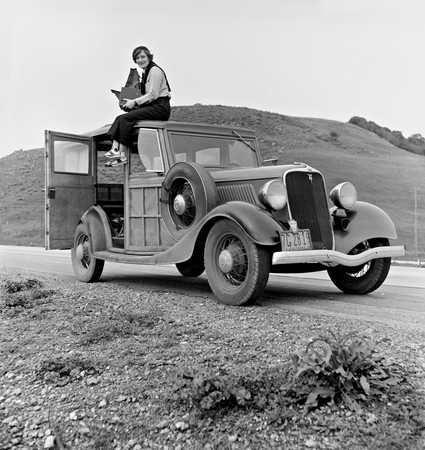
Photograph of Dorothea Lange,
Resettlement Administration photographer,
in California, c. 1936
The car is a 1933 Ford Model B (AKA “V8”).
She is -as well as Russell Lee and the other FSA photographers- the spiritual “Godmother,” of this site.
_______________________________
This is a picture of Dorothea Lange, at work. She was one of my earliest influences (the other was Weegee).
