Quincineara, Segundo barrio, El Paso – 2009
Remember?
Joy?
Fifteen and delirious, defiant and non-idealogical, optimistic and uncertain, determined and hesitant, at times wildly free and untamed.
Quinceañera.

On The Edge of the Edge – The U.S. – Mexico Border
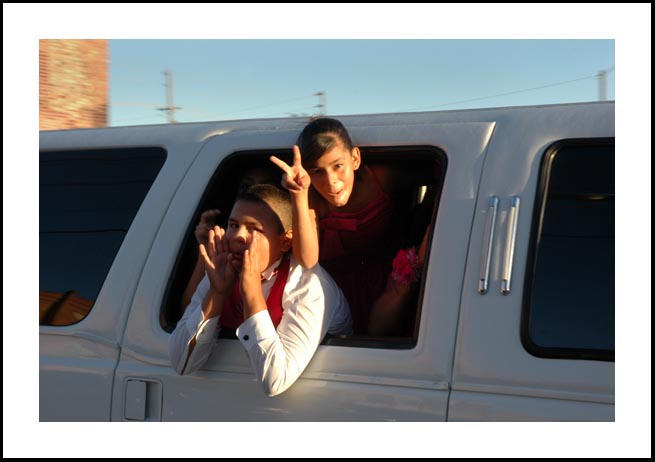
Remember?
Joy?
Fifteen and delirious, defiant and non-idealogical, optimistic and uncertain, determined and hesitant, at times wildly free and untamed.
Quinceañera.
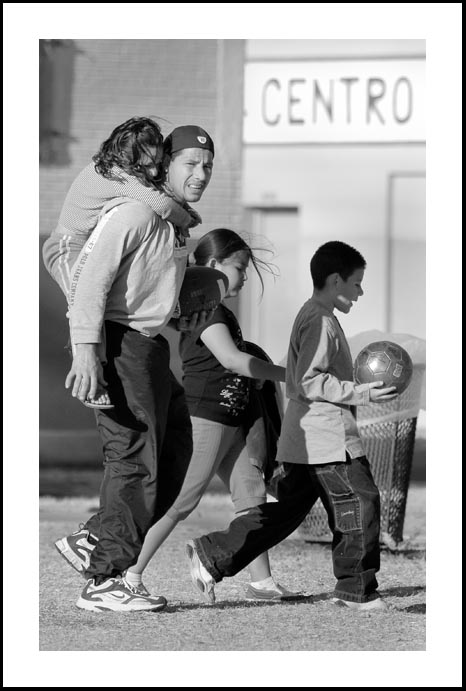
Thanksgiving Day.
Summer of 2009.
I see it every day.
That other day, the one in November, I guess it’s in there somewhere. Eating and stopping the world and traveling and the whole schmeer. That’s thankfulness, right.
What is the word for grinch in Thanksgiving-ese?
I see thanks every day in my barrio. I see thanks for the mere act of being alive and being safe and having someone who calls you Dad or Mom or Mijo.
Yeah, I’m a simpleton.
And I dig it, too.
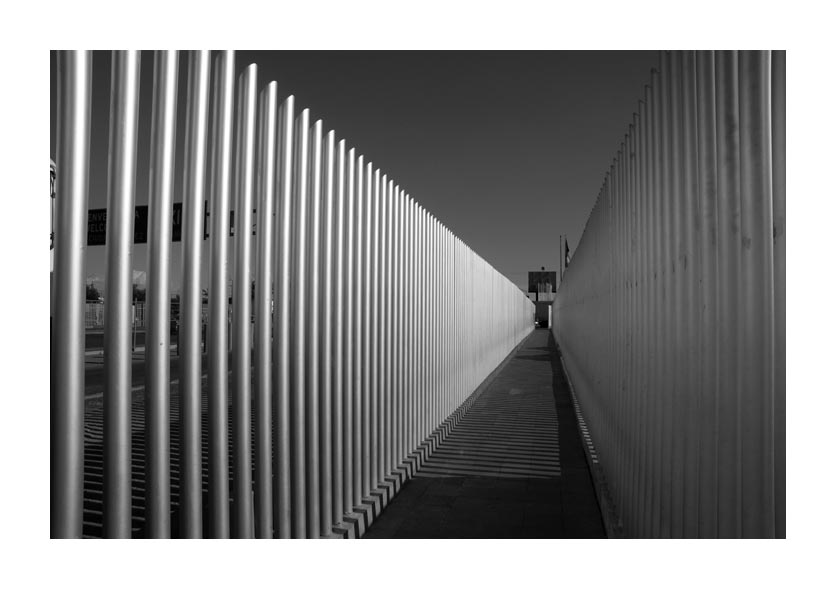
Militarization works two ways.
The bridges between Juarez and El Paso used to be friendly -although tedious if in a car- gateways to good times or better times, depending on which way you were traveling. Or is that just nostalgia?
Well, if not “friendly,” than at least not hostile.
Now they are reinforced pathways to go do what you gotta do. No joking. Get back by dark. All business. No fun or pleasure. Nothing lives. One endures the crossing. Rigid. Steel. Chrome molly tubes. Crash proof.
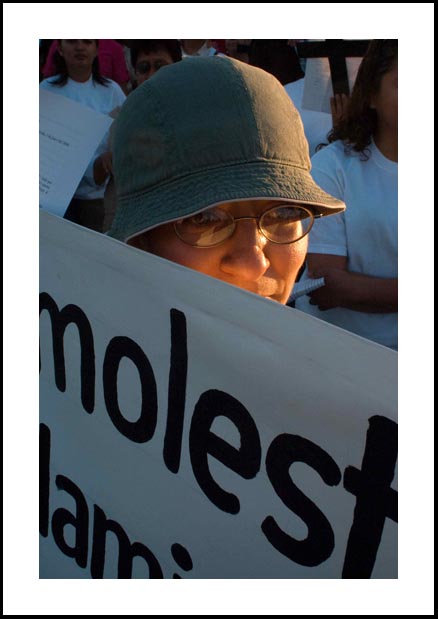
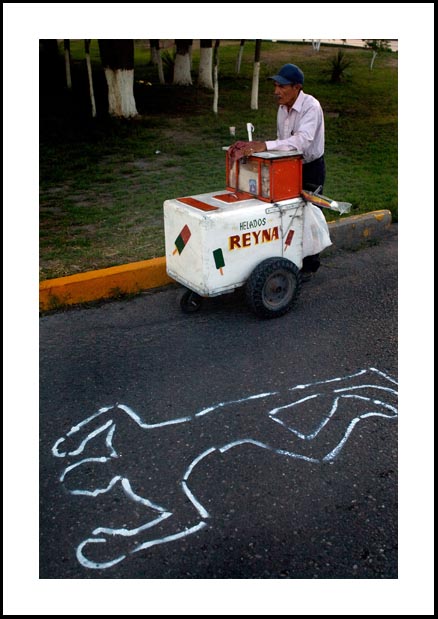
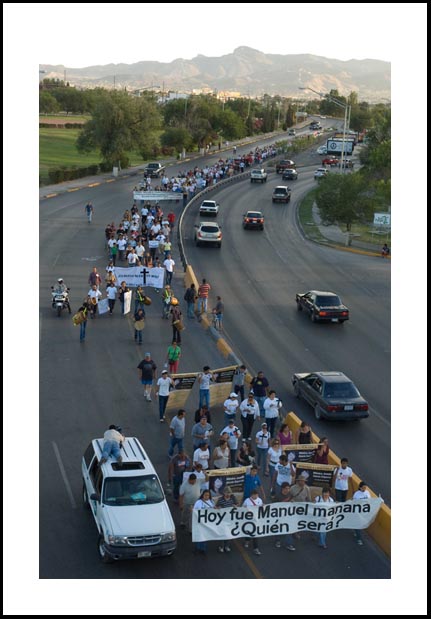
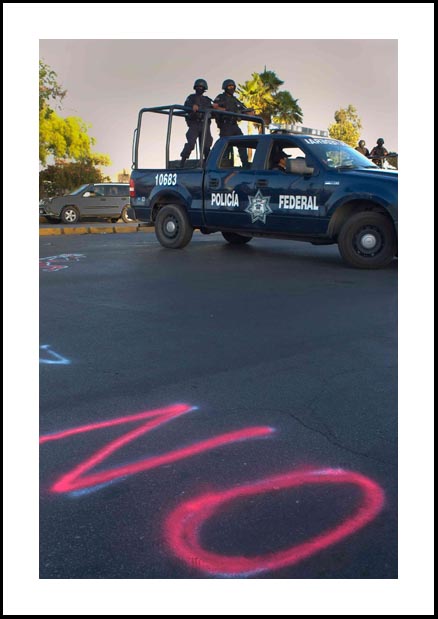
The Megabandera (giant flag) in the Chamizal Park in Juarez is usually the place for joy and pleasure, a meeting place for families, lovers and tourists.
That was before la catástrofe.
The catastrophe.
Before the Cartel War.
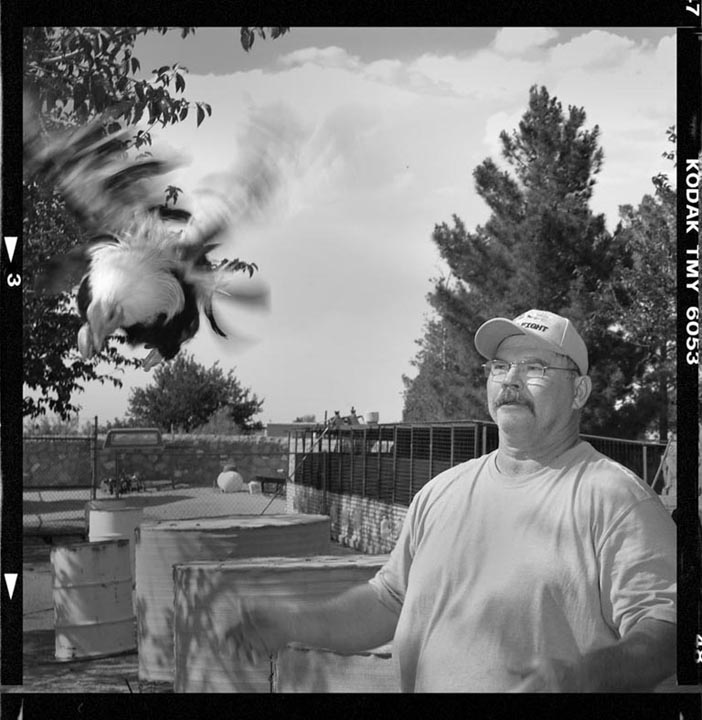
He has been raising these birds since he was a teenager. Fighters are they, he and his birds.
Now, cockfighting is illegal in New Mexico. Outlawed. “Civility,” has come to the funklands. God help us. Now come the thiefs with pens. They been fighting this since Billy the kid.
The rooster man keeps raising his birds. Doesn’t know what else to do.
He speaks of the “Old Man,” and “Ralph,” “Juan Pedro,”and the others. Each has a name. There are hundreds.
When he speaks, he says their names softly, a Lover’s murmur whispering his loves’ names.

Violence? What violence?
Wha-a-a-a…we need distractions?
Si. Si se hace (I am scolding myself right now!).
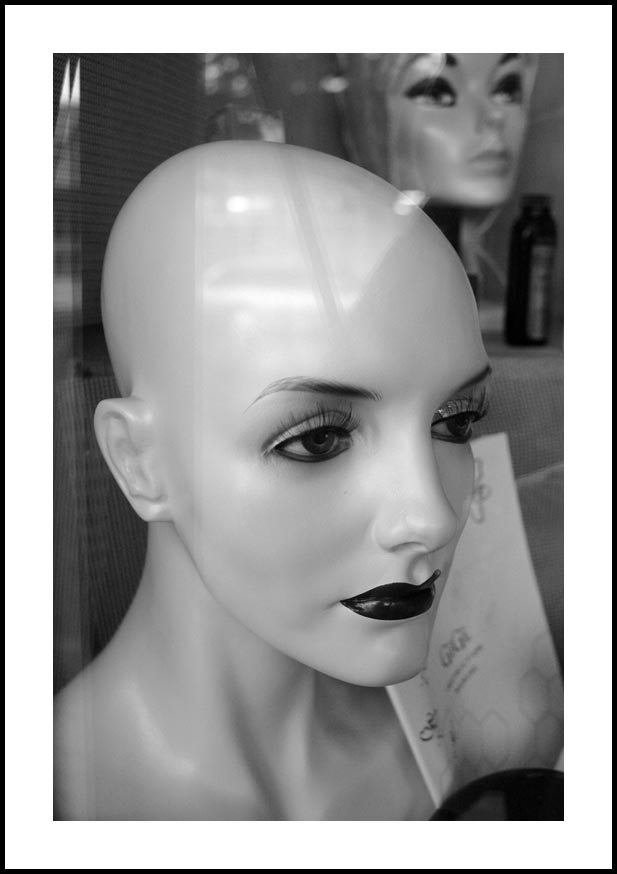
Sometimes it’s more fun to interact with dummies than it is people.
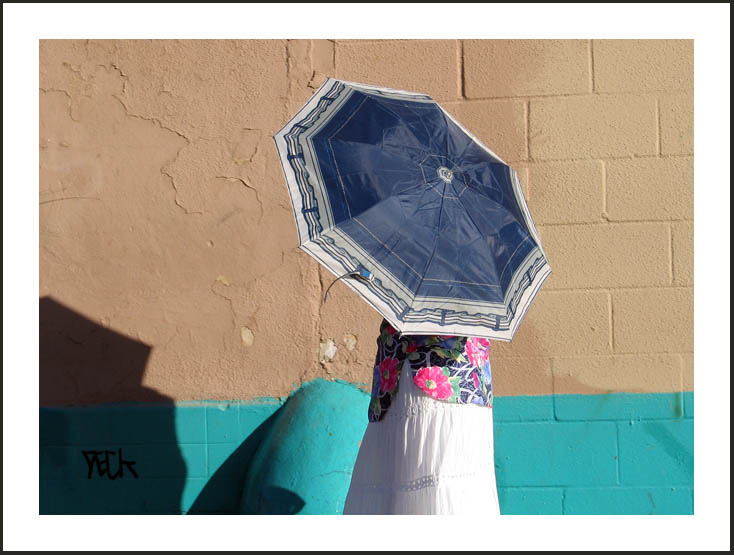
Summer is here on the border. Hot. You know it’s summer when the umbrellas are out. Of course what’s in this image is not very “sopisticated.” Who walks in the Brave New World, anyway?
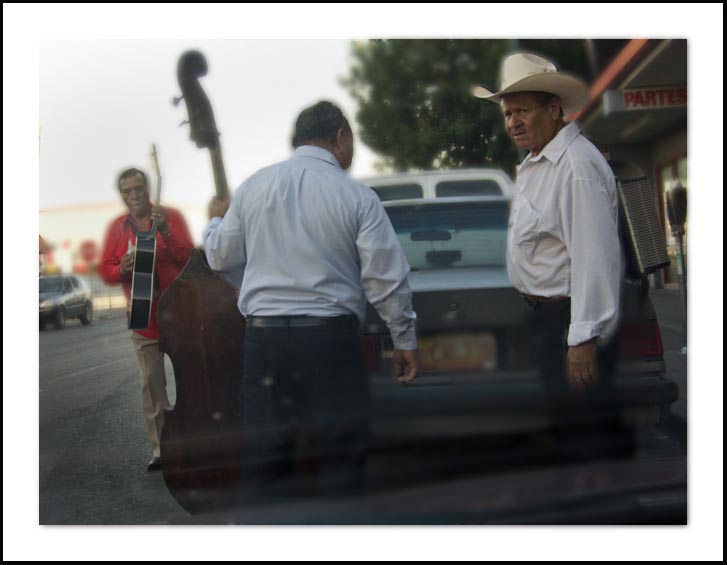
Wary eyes.
Everyone’s wary, in El Paso/Juarez, these days. The border is at war, with itself, with it’s two yin/yang sides, with the Interiors of each of the two sides.
Everyone’s wondering where it’ll end, where they will fall on the have and have not scale, what’ll be left of this little rough Shangri La (not a Shangri La of paradise but a refuge for those who have fallen from paradise. Sort of a suburb of Shangri La).
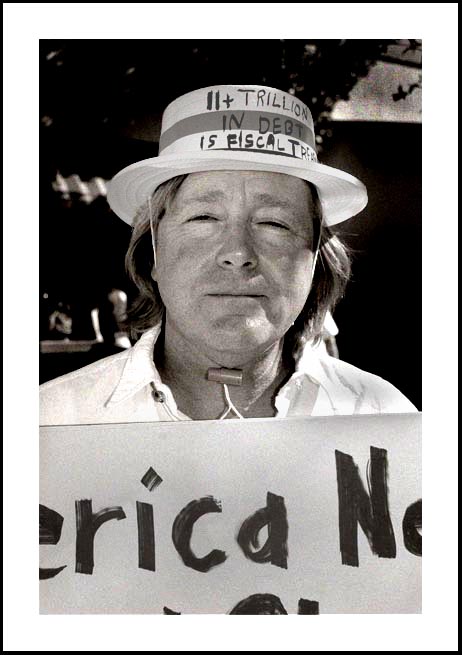
This man was photographed in El Paso, Texas at a “TEA party.” At the TEA party are, mostly, the aged and, seemingly, the innocent, with much esoteric political discussion, predictions of the end of the Republic, impassioned anger and, to be fair, much sincerity. To my “”eye,” it seems a little sad. Sadness for what, I am still trying to process and determine.
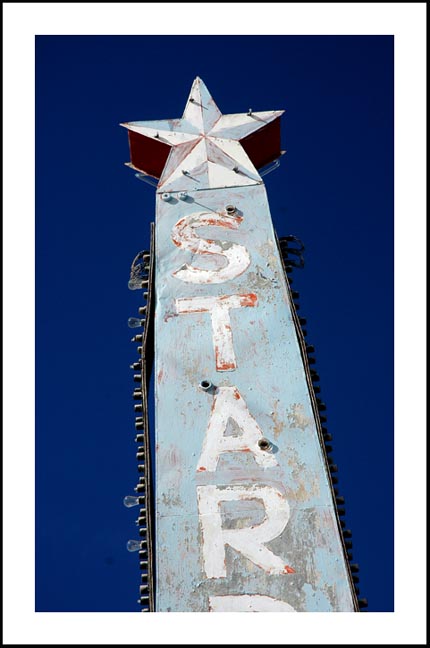
The West, the American Highway (and the American fascination with it), Funk, ain’t what it used to be.
Fine with me!
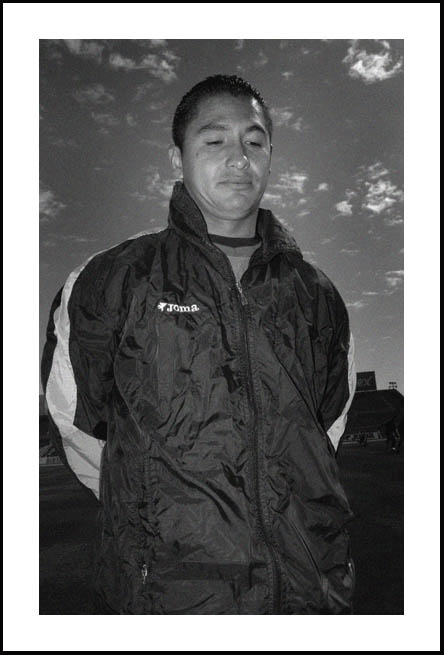
The Juarez Indios are a professional futbol team(soccer). They are in the middle of the Cartel Drug War. Much of the city of Juarez has rallied around the Indios, finding some “normalacy,” in the middle of the troubled Juarez violencia. Julio Daniel “Maleno” Frias is a star of the team, a “striker,” a troubled city’s hero. The city loves him, he’s a hero in the middle of bad news caused by rats. When “Maleno,” was younger he joined a gang. He got shot. He decided to change his life and he did. Maybe this is why the city fell in love with him, he’s a living metaphor for a city’s hopes. Maybe they just like the way he plays: smooth, quiet and intense.
Some players have left the team and others have sent their families back to the cities they came from (some in Mexico, one in Argentina), trying to avoid the touch of violence that has afflicted Juarez, Mexico’s third largest city.
The team is struggling to stay in the top tier of Mexico’s professional soccer league.
Attendance is sold out.
Futbol is trumping the war.
So far.
Life goes on.
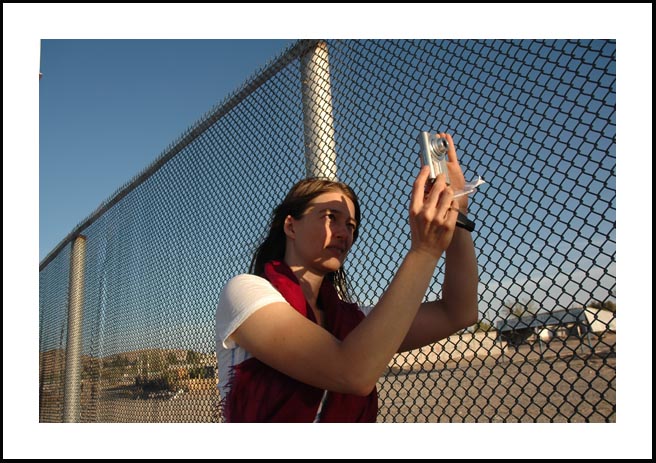
Yesterday I worked with an incredible journalist from Der Spiegel (the German equivalent of Time). She is German, from the north of Germany. Works out of the DC Bureau. Sharp and smart and witty and ironic and puro journalist. We did a story at Fort Bliss. She was bright and lively and brave and charming and funny and we’d had a successful day and did a great story together. She wanted to see “El Paso.”
So we head for the border (I’m a one trick pony. To me, the border is El Paso).
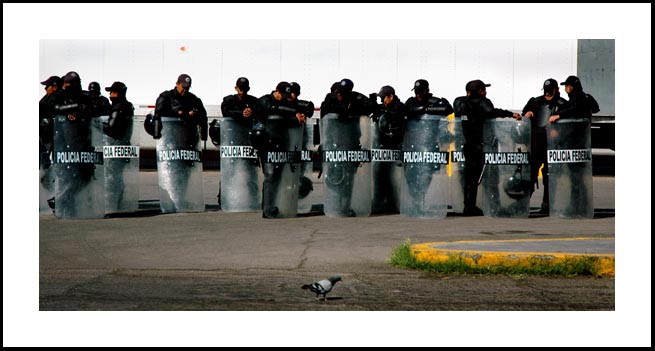
You start to wonder if it’ll ever end but it will end.
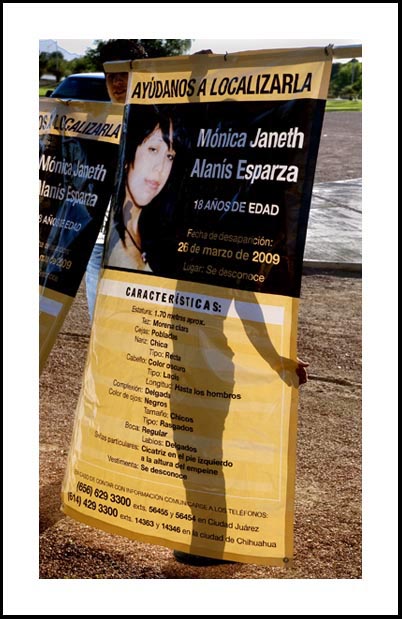
La violencia. The violence.
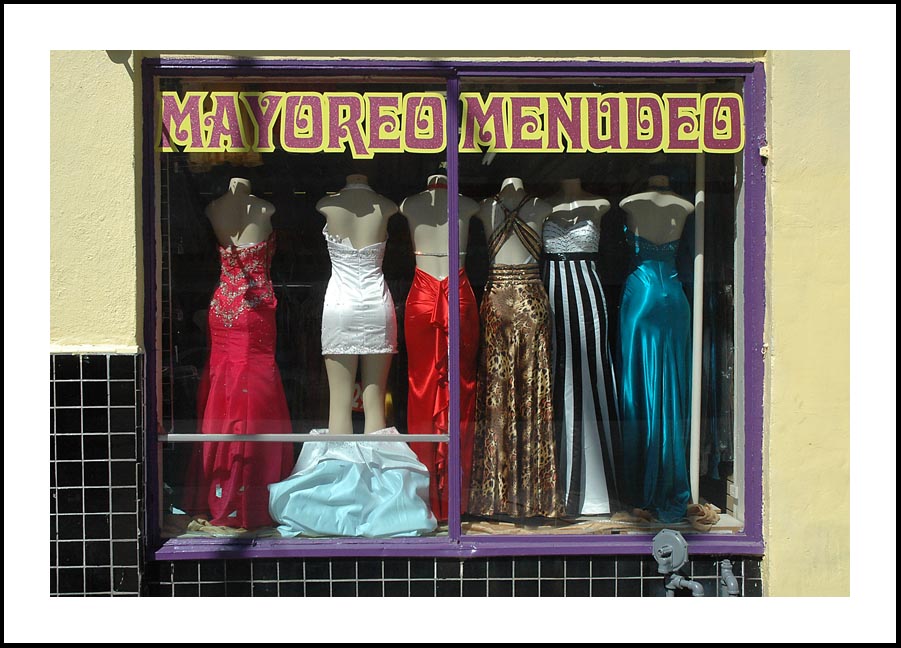
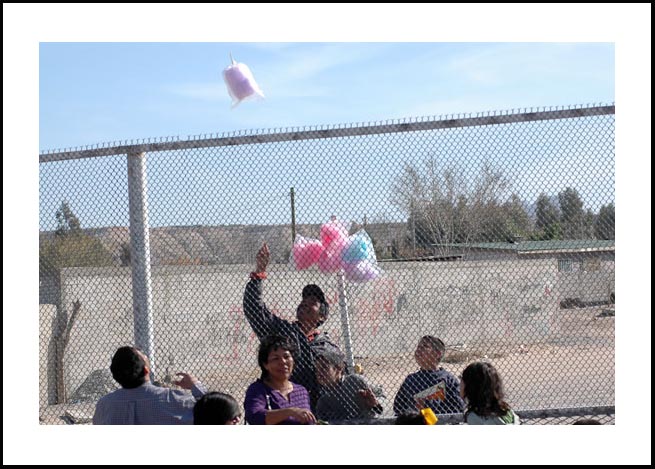
Life goes on.
Mexico is a great pueblo. So is El Paso and southern New Mexico.
One reads the newspapers and one thinks the world has gone insane. Particularly here, on the border.
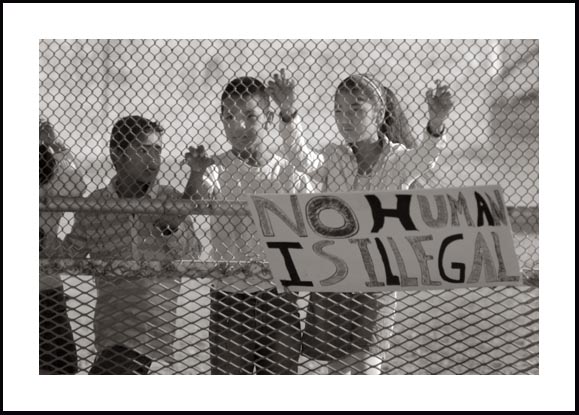
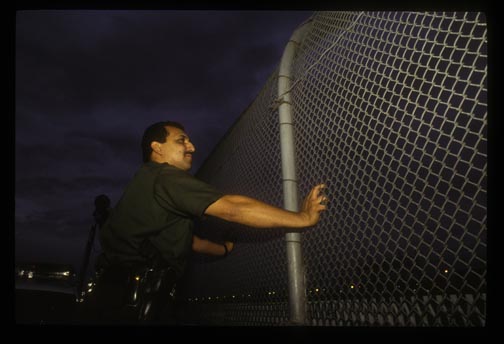
The border fence is a stinkin’ dirty bad joke.
Do these kids look like terrorists or narcotraficantes or, even, the dreaded low wage worker that every American company has winked at, invited, used and exploited for decades?
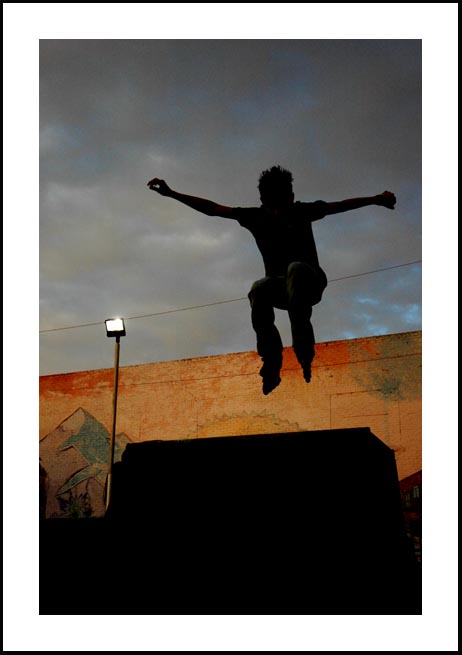
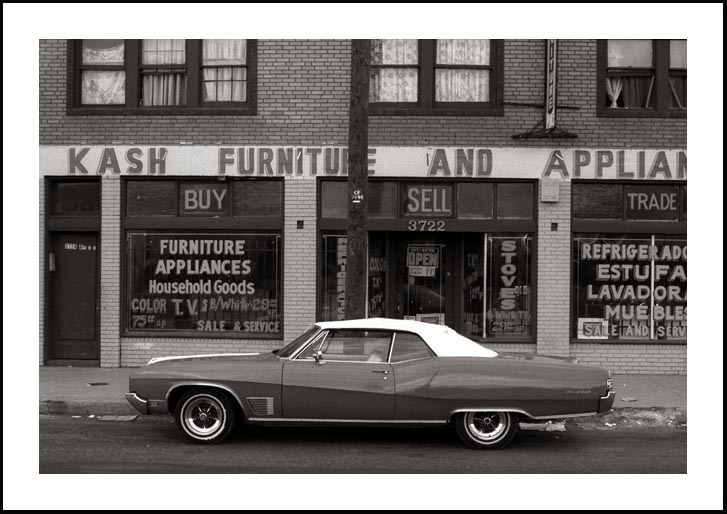
Alameda Street is about (what’s this “about,” stuff?) to get stomped. Progress. New Hospital and Medical School down the Street. Progress.
‘ta bien, really. Time to move on. One thing about Urban Renewal and Plans: we have had the best of it and now you can have the rest. The next “blight,” that I move to -older and wiser now- there will be no Forwarding Address.
The great Brazilian photographer Sabastio Salgado talks about his work. He is one of the premier “Socially Concerned,”photographers in the world:
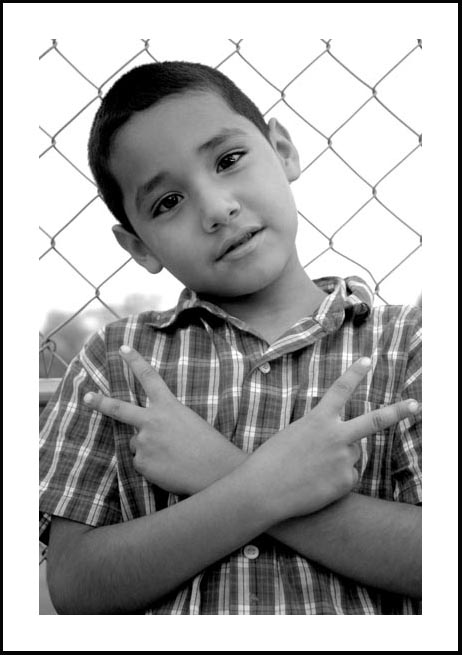
Jesus is greeting me. Or showing off his gang signage. Or just jivin’. Behind him, three blocks to the south, is Juarez. Armijo Park, deep in the Segundo barrio of El Paso is Jesus’ refuge.
Mine too.
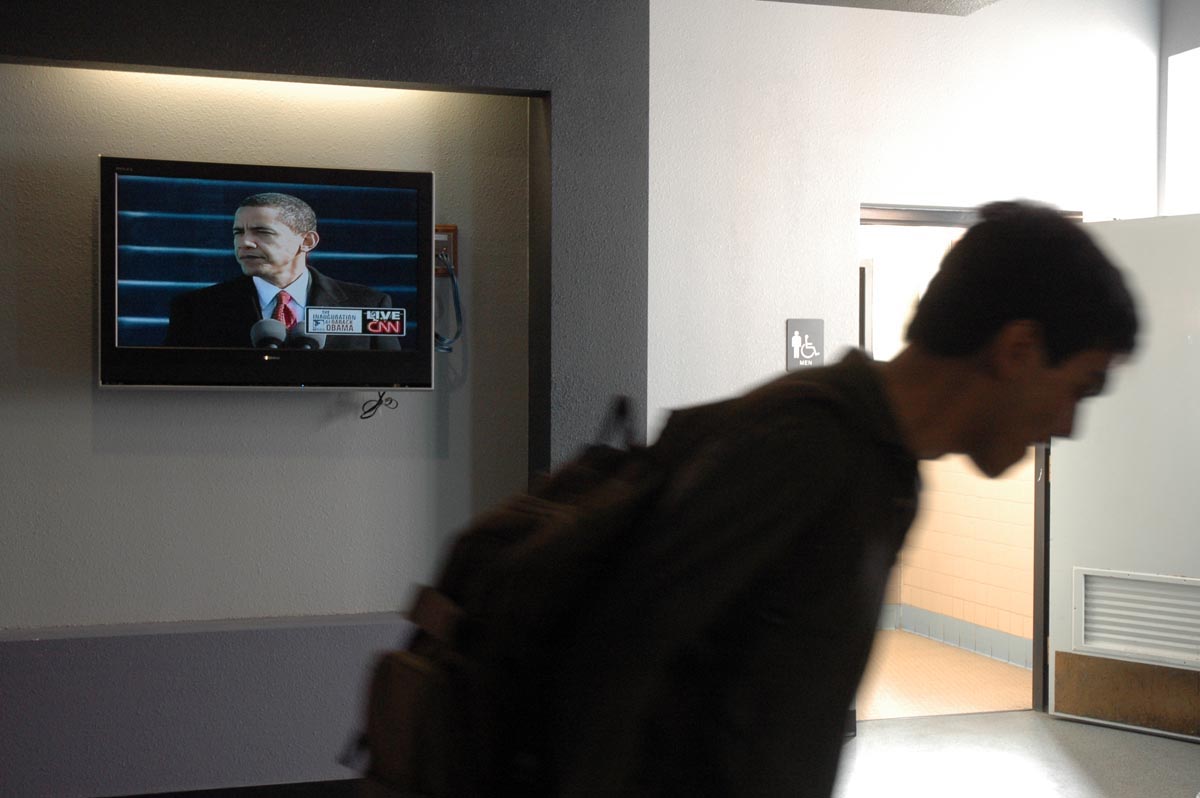
GOOD THEN AND GOOD TOMORROW: JAN. 20, 2009…
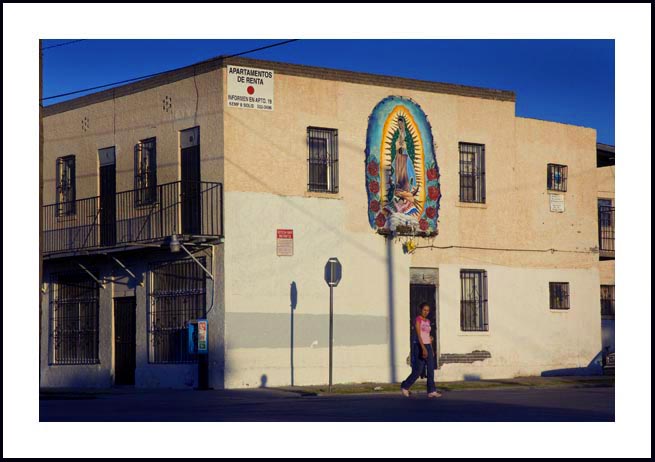
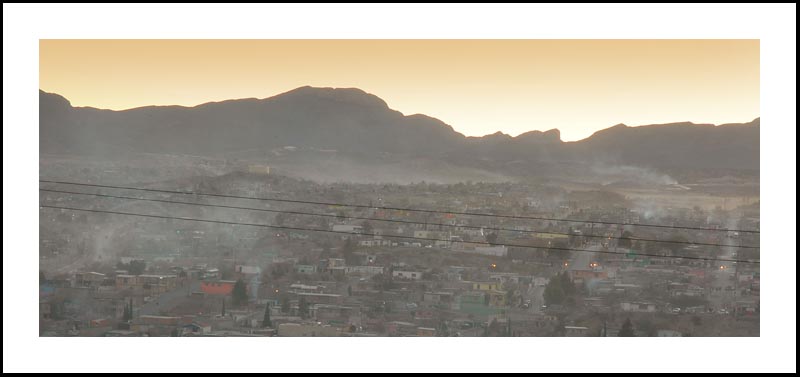
El barrio is a community. Bruised. Not what it was. Sitting on the border and prime target of speculators, er…ah…read that as “Developers,” but still standing. Go back and ask anyone in any American city, for the past 60 years if “Urban Renewal,” was about construction or destruction. If you actually need to, go ahead.
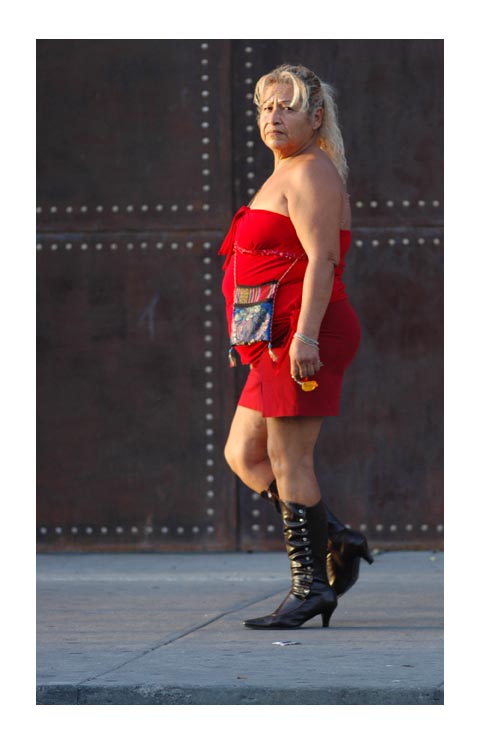
Father Rahm Street. The Church is the backdrop. Backdrop for everything. Still, the heart of the Segundo barrio. This is a community that is a community where everything is there. No gates. No price tag. Fifty nine years after the Fair Housing Act of 1949 was enacted -the Urban Renewal Act- this barrio goes on, ethnically Latino, still a community, long after most American city’s inner cores have been cleansed of the “unworthy.”