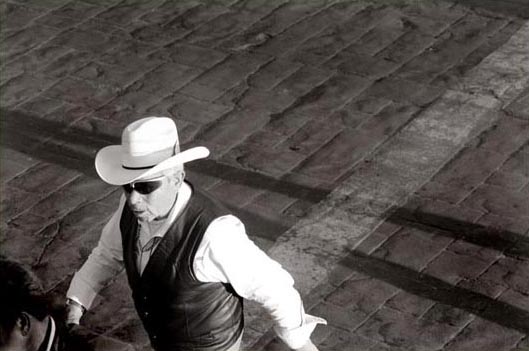
Pit Bull(s)

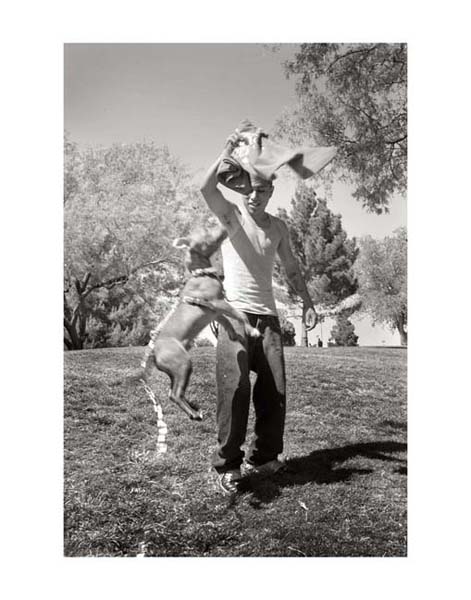
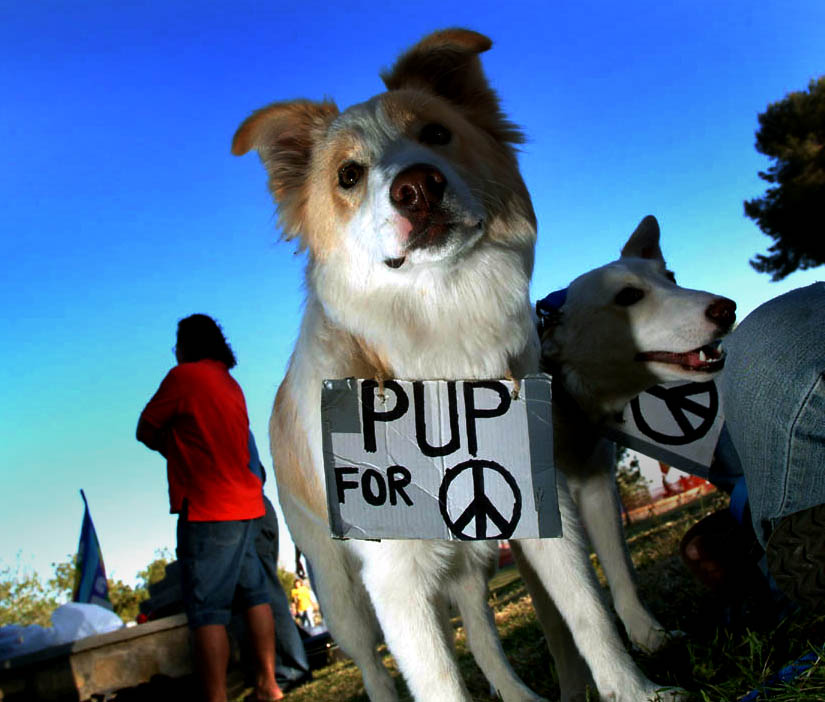
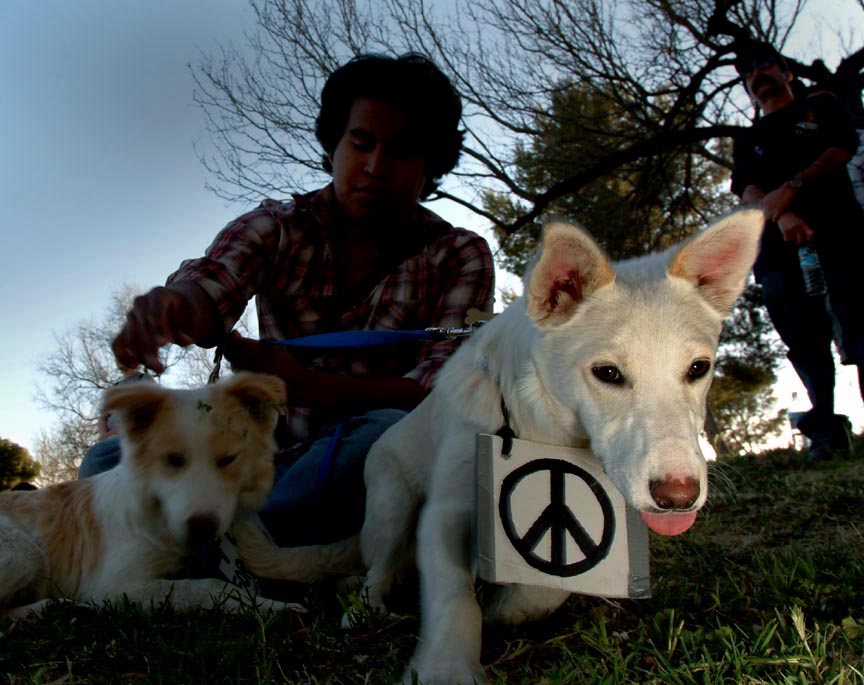
Pit Bulls, Memorial Park, El Paso, Texas / May 2007

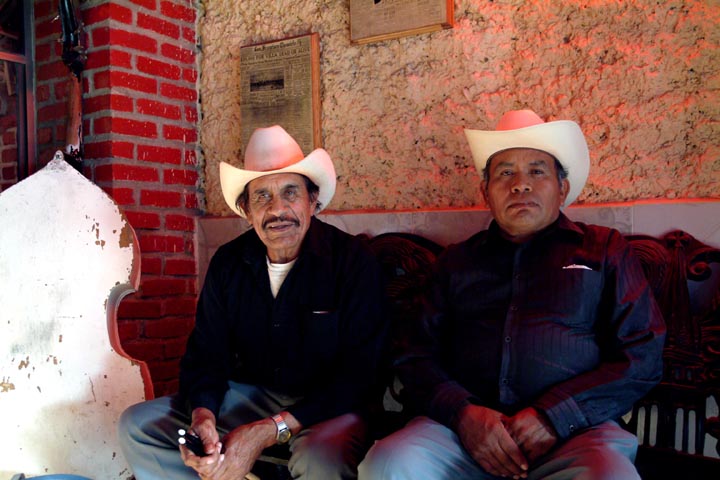
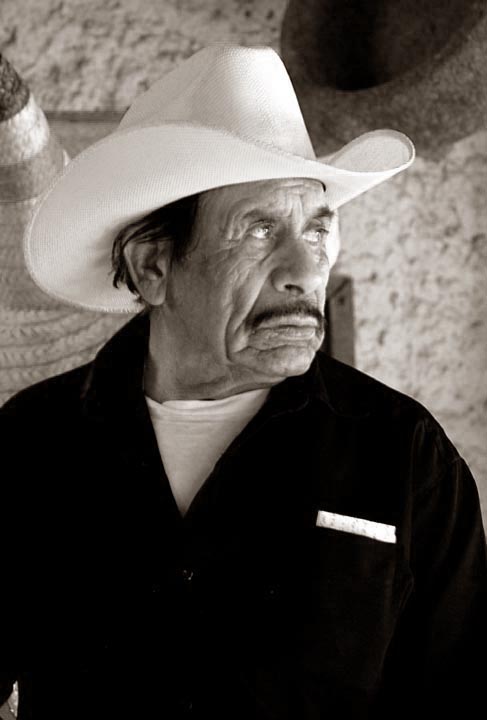
Carlos (last name not given) in Memorial Park with his Pit Bull Zues. They both had a lot of scars. They both are fighters, and it appeared they had more in common with each other than either could have with anyone of their own species.

Pit Bulls.

Asked why he liked that particular breed of dog, Carlos replied, “They don’t give an inch. Neither do I.”

Continue Reading

Definat, Wary And Proud

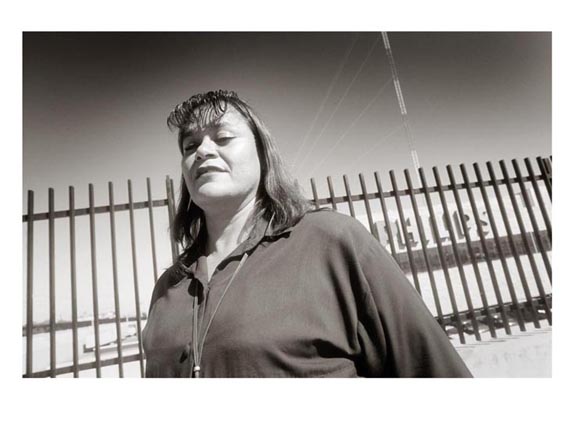
Defiant, wary and proud, Carmen the maquila woman, Juarez/2002

Carmen Sotelo Rodriquez is the face of the Post Global economy. She worked at a Phillips plant in Juarez,Chihuahua, Mexico. The plant had moved from three shifts to one shift and by 2002 the company had migrated most of its assembly operations to China. She is shown standing in front of the plant on the city’s south east side. This photo was shot on assignment for Bloomberg magazine.

Continue Reading

Viva Los Viejos

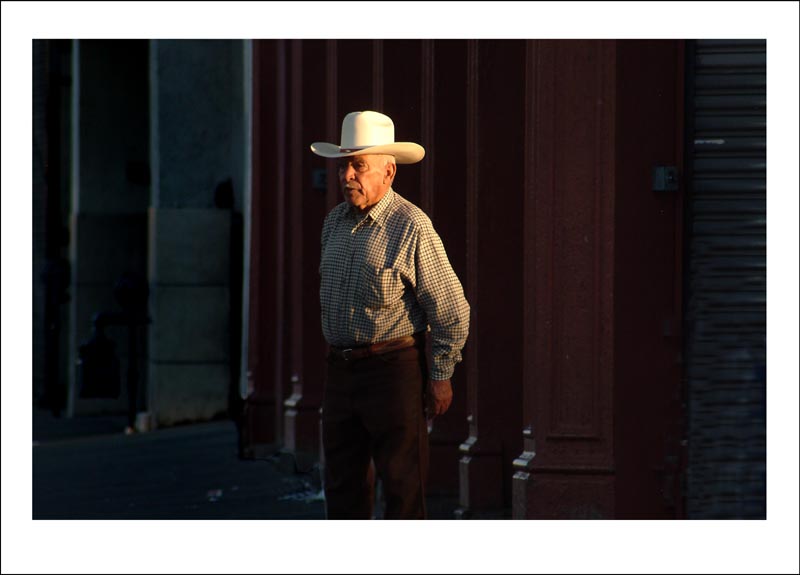
Dignified man at the crossroads , El Paso, Texas / 2007

A man stands in the last light of the day at the corner of 6th and El Paso Street in El Paso, Texas. This is the first street of the United States after entering the U.S. from Mexico from the Paso Del Norte International Bridge. The bridge links Ciudad Juarez with El Paso and 6th and El Paso streets could be considered the crossroads of the northern part of the Western Hemisphere from south to north.

A lot of old folks (viejos) grew up in this barrio and are still there. They are the dignity of the barrio.

Imagine how people felt when a picture of an old viejo was used, by City planners, to show what was wrong with El Paso?

Los Viejos are what’s right with El Segundo.

Continue Reading

Cool Sneaks And Artifacts That Matter

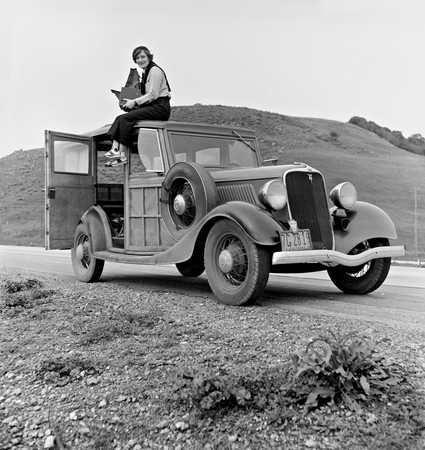
Photograph of Dorothea Lange,

Resettlement Administration photographer,

in California, c. 1936

The car is a 1933 Ford Model B (AKA “V8”).

She is -as well as Russell Lee and the other FSA photographers- the spiritual “Godmother,” of this site.

_______________________________

This is a picture of Dorothea Lange, at work. She was one of my earliest influences (the other was Weegee).

Continue Reading

The Unintended Consequence Of Being Mean

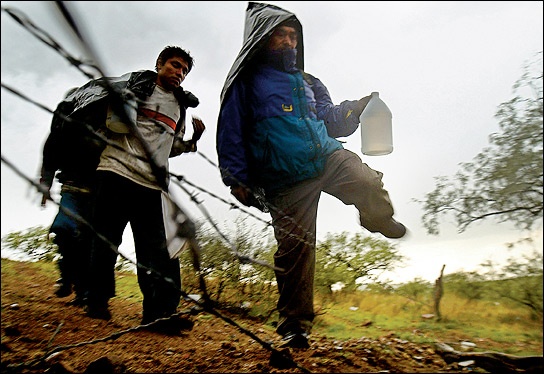
Drug cartels want migrants’ routes

Fight to control corridors on Arizona border turns violent

ALTAR, Mexico ˆ This village on the edge of the Sonoran Desert has been a supermarket for smugglers and the smuggled for nearly a decade. Migrants choose from an array of packages offered by coyotes and pick up day packs and anti-dehydration potions for the trek north.
Now drug smugglers want their route.

Continue Reading

New Day Viene: Fresh Paint and New Ambitions

Day 2 / Christmas Eve eve

day44-2.jpg

Day 44 / Finished

by Nathan Zarate

photograph by Jaime Ojo

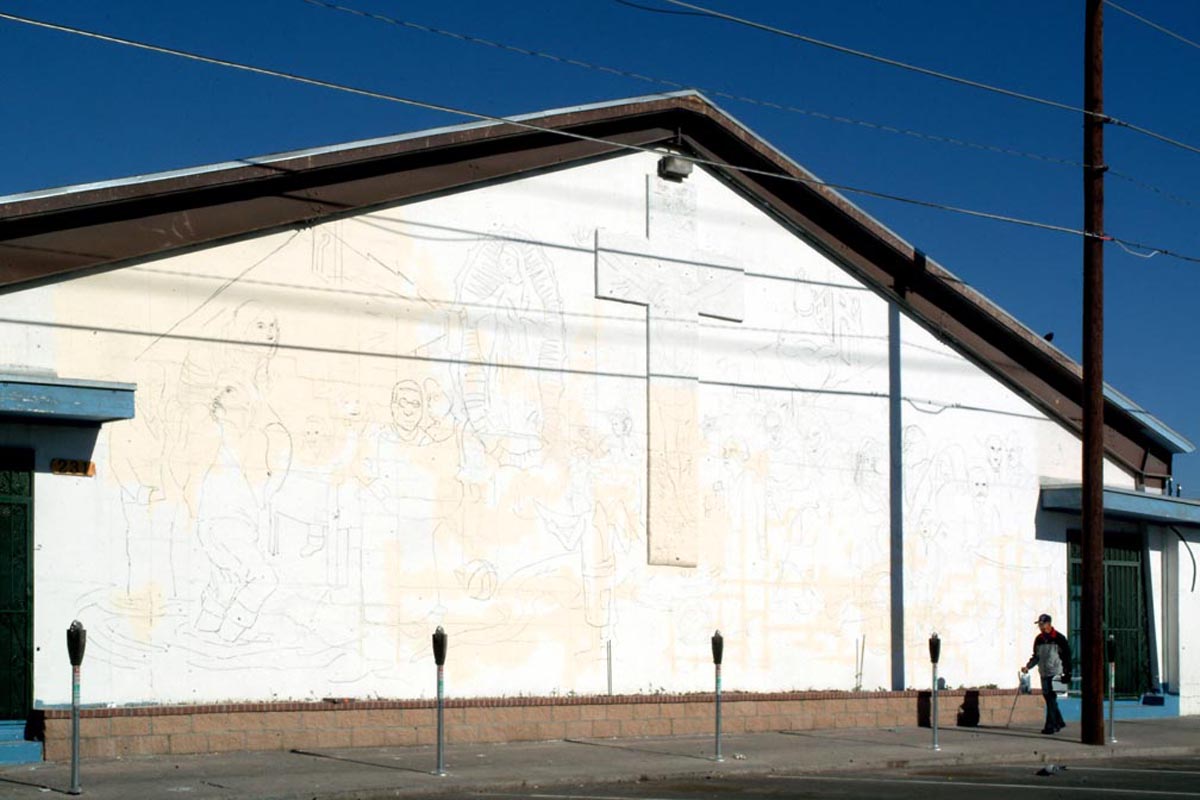
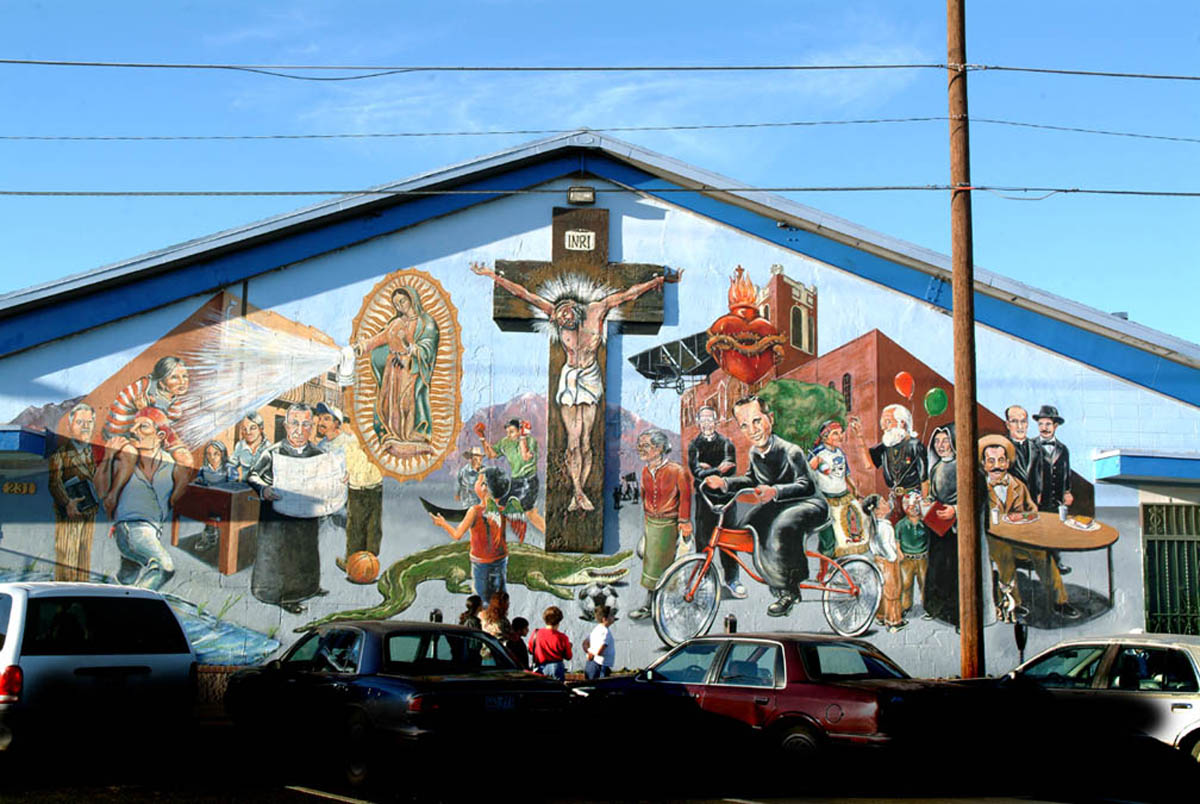
Artist Francisco Delgado, his brother Oswaldo, his friend, artist Mauricio Olaque and a large helping hand from Bowie High School students and neighborhood residents began the Sagrado Corazon Mural on the night of Christmas Eve eve, 2006.

The mural, with support from Sagrado Corazon, local businessmen, concerned residents and ex-residents of the Segundo Barrio,

Continue Reading

Documentary Photography Sites

http://historymatters.gmu.edu/mse/Photos/online.htm

14,168LoRes.jpg
This is a good place to see some documentary photography collections.There are a lot of sites on Native Americans. That’s good. But, I find a scarcity of sites relating to Latinos, Mexican Americans or the Border. Do you have to be eliminated to get documented.

While I’m at it, here are a few more documentary sites:

http://www.maryellenmark.com
http://chnm.gmu.edu/fsa/
http://www.soros.org/initiatives/photography/focus_areas/mw/10
http://www.edelmangallery.com/misrach.htm

Continue Reading

MexOnline.com – Mexican Revolution of 1910

MexOnline.com – Mexican Revolution of 1910

For most of Mexico’s developing history, a small minority of the people were in control of most of the country’s power and wealth, while the majority of the population worked in poverty. As the rift between the poor and rich grew under the leadership of General D�az, the political voice of the lower classes was also declining. Opposition of D�az did surface, when Francisco I. Madero, educated in Europe and at the University of California, led a series of strikes throughout the country. revolution03.gif
Continue Reading

Not a Drop to Drink

The Border(PBS) | About the Show

Not a Drop to Drink

Produced by Matthew Sneddon, KNME-TV, Albuquerque, New Mexico photo

The economies of Juarez, Mexico and its sister city, El Paso, Texas are driven by a system of assembly plants known as maquiladoras. There are more than 600 maquiladoras in Juarez, two-thirds of them owned by U.S. companies. Since the first maquiladora was built in Juarez in 1976, the population of the city has increased nearly five-fold to more than 1.25 million, making it the largest Mexican city on the border. The Rio Grande fuels Juarez and El Paso’s water supply.

However, the more than 10 million people who live in these desert communities have begun to exhaust the Rio Grande’s capacity to support them.

This segment focuses on one Rancho Anapra family faced with the realities of living in a desert community with no running water. It examines the factors that contributed to growth of this particular border region: the Rio Grande, the maquiladoras and the promise of a better life.

Continue Reading

U.S. Border Patrol in S. California developing deadly but ineffective Operation Gatekeeper/Interview with Roberto Martinez – In Motion Magazine

U.S. Border Patrol in S. California developing deadly but ineffective Operation Gatekeeper/Interview with Roberto Martinez – In Motion Magazine

rm_01.jpgRoberto Martinez is the former director of the U.S./Mexico Border Program. A lifelong Chicano activist, he has spent 30 years monitoring human rights in the San Diego/Tijuana area. In 1992, he was honored as an Intermational Human Rights Monitor by Human Rights Watch, the first U.S. citizen to be honored in such a way.The following essay, published here as a call for a humane U.S. immigration policy, was written as the introduction for the American Friends Service Committee 2003 human rights report.

Continue Reading