Search results
37 results found.

On The Edge of the Edge – The U.S. – Mexico Border
37 results found.
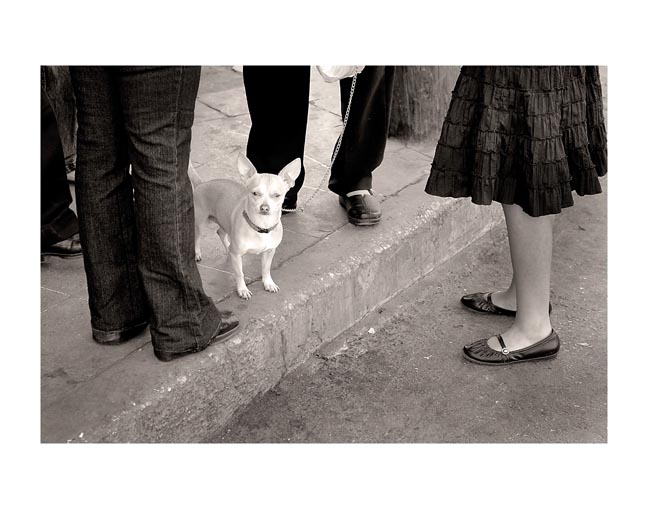
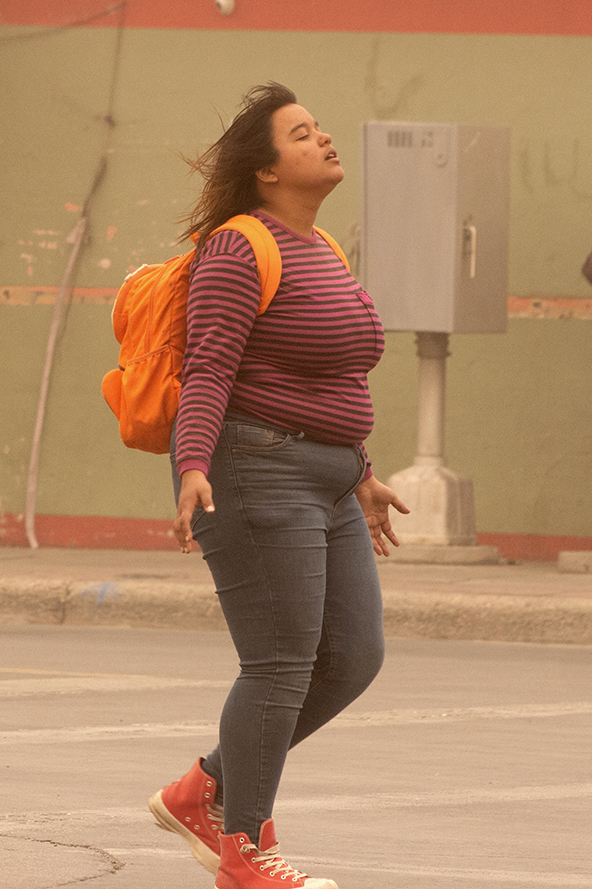
Dust Surrender in El Segundo, April 20215
The Dust Storms of 2025 in West Texas (El Paso), New Mexico and Chihuahua will not soon be forgotten.
In fact I made sure of it for me by producing a book about them and about THE Dust Bowl for good measure.
The book is informative and fun and honor’s a great woman –my mom– who lived through it am shared her stories.
Check it out at Amazon: https://shorturl.at/KXIHu
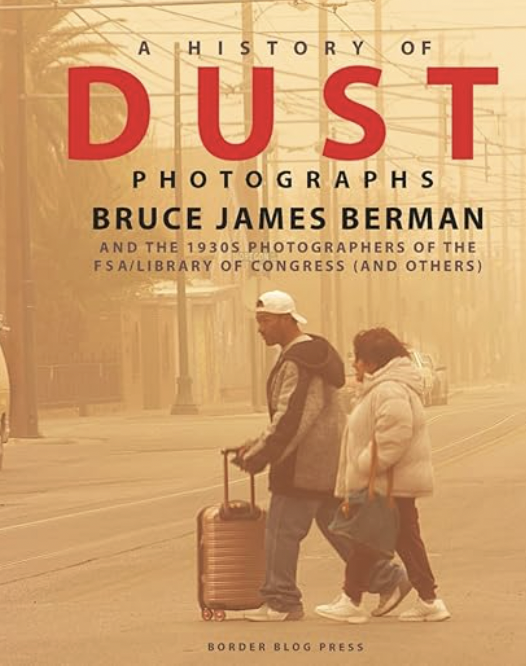
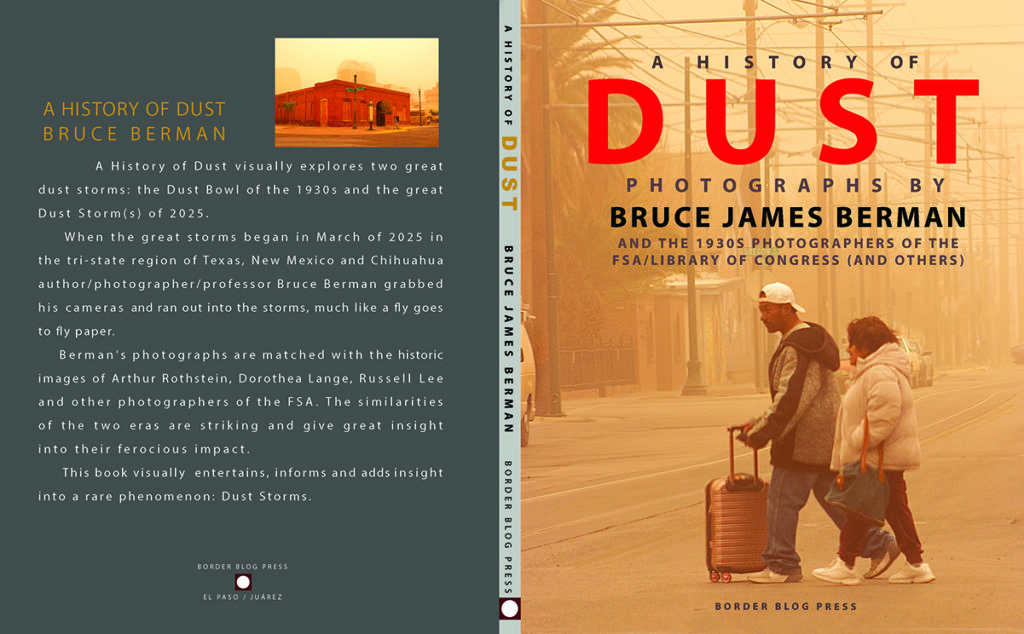
The HISTORY OF DUST book is out. Available on Amazon as of now.
The book explores two different major dust seasons, both record-setting: The 1930’s Dust Bowl and the 2025 tri-state Great Dust Storm, that enveloped New Mexico, West Texas and Chihuahua.
The book features the photography of Bruce Berman (2025) and the 1930’s FSA (Farm Security Administration) photographers of the Dust Bowl, including Dorothea Lange, Arthur Rothstein, Jack Delano and others. With quotes and narrative the book show the similarity of the storms but points out the differences as well.
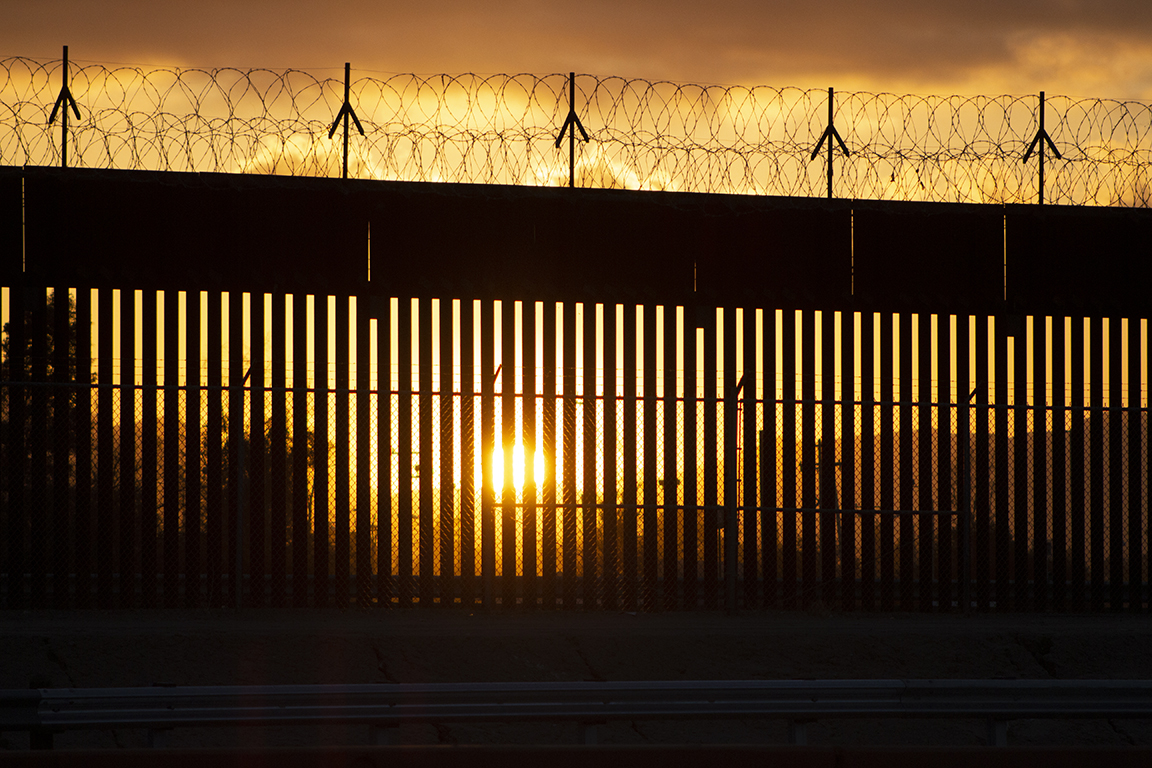
Border fence, El Paso, Texas/Juárez, Chihuahua, November 2022 by ©Bruce Berman
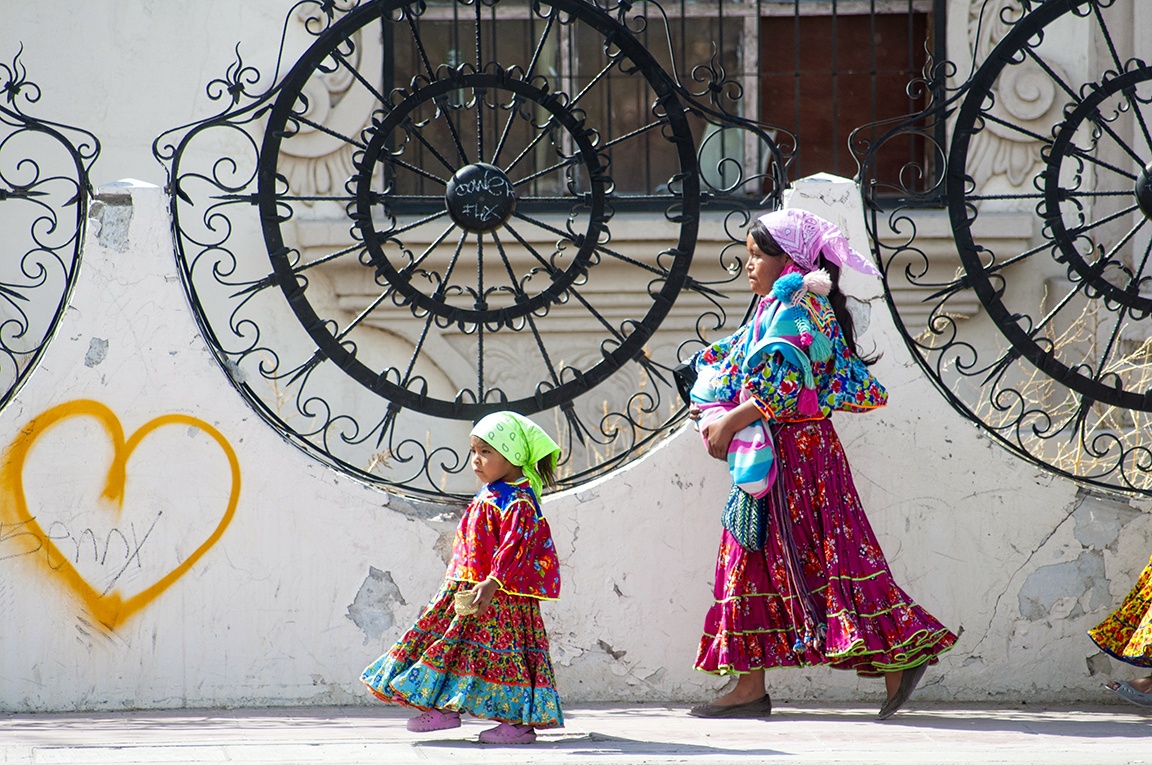
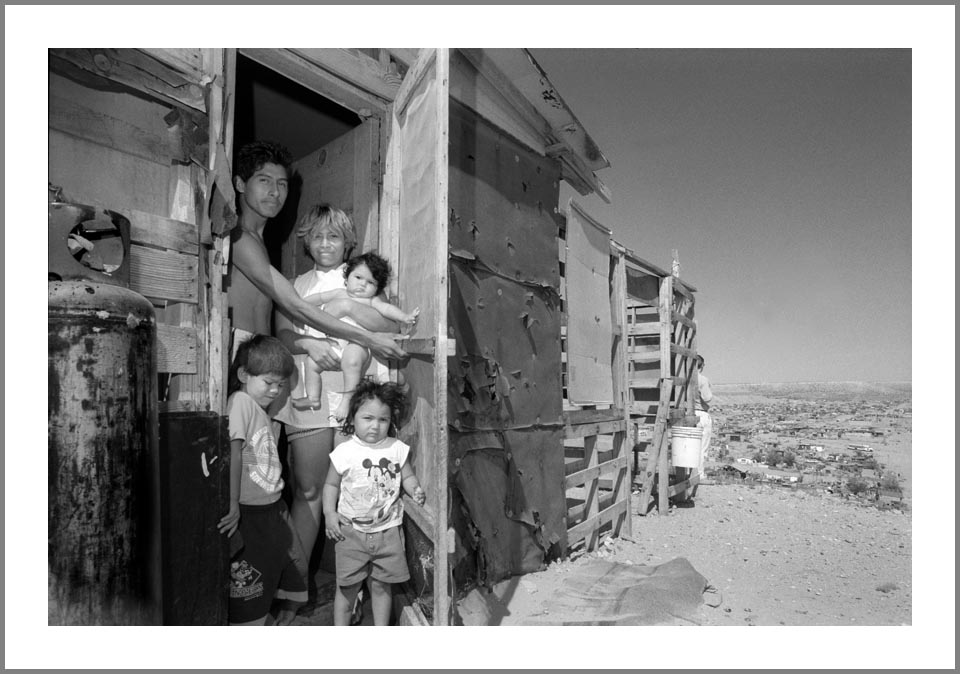
Juárez, Tarahumara mama and kids, 2012
In the middle of the Cartel War, the Tarahumaras from the Sierra Mountains of northwest Chihuahua, México, still work the streets of Juárez, selling goods, doing services, and attempting to not blend into the fabric of the 3rd largest city in México, Ciudad Juárez, Chihuahua.
The Tarahumara Indians (self-named Rarámuri), are a tribe that inhabit the northwest of the State of Chihuahua in México.
Economic conditions through the late 20th century and early 21st, have forced a large part of the tribe to seek economic stability in the nearest major city, Juárez, México.
The Rarámuri try to retain their cultural identity in dress and custom, an uphill task in the sprawling northern city of Juárez.
For more on the Rarámuri see https://www.britannica.com/topic/Tarahumara
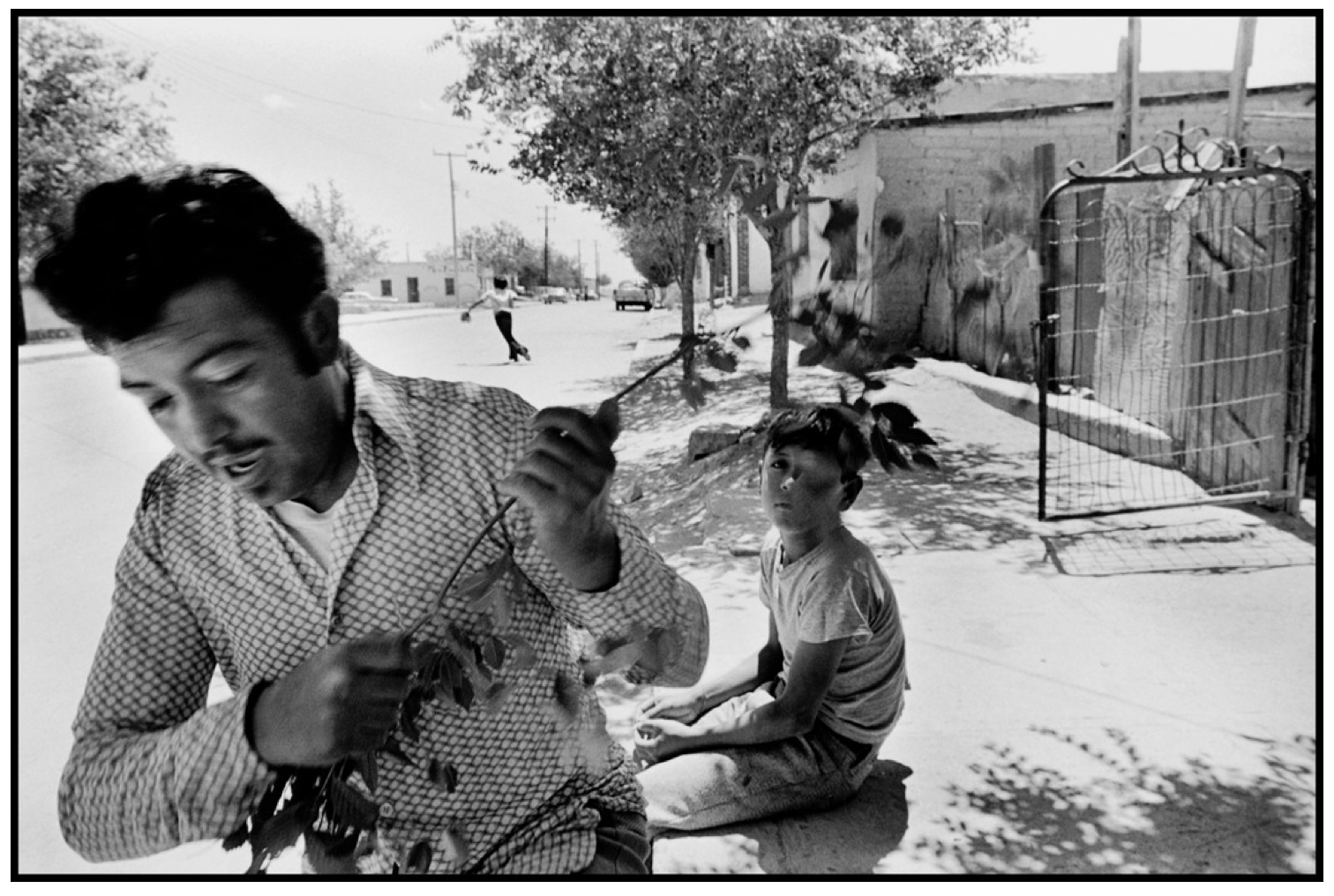 Alex Webb
Man in Juarez. Chihuahua. 1975
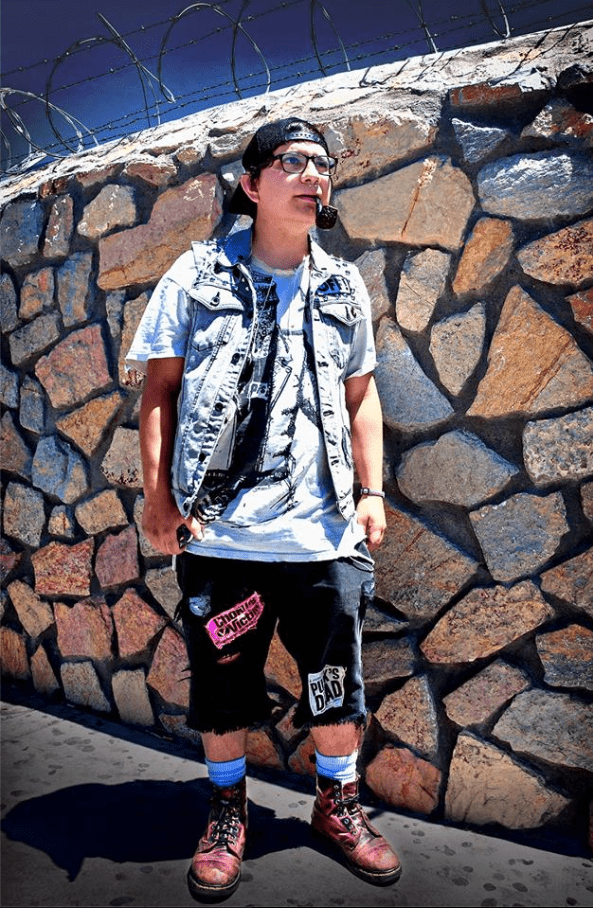
Text and Photo by Bruce Berman
No telling what and who will come over the Cordoba bridge that links El Paso, Texas with its sister city Juárez, Chihuahua.
In this case, crossing from south to north, was Spencer.
Pipe, a hat that said “F___ Off,” aged Doc Marten’s, punk rock labels every where, he is as ecclectic as the border. In a strange way he, is the border: neither this or that, neither Mexican or American, neither barrier nor passageway.
A friend once called the border a metaphor for a person who has “an undefined personality.”
Looking at Spencer -and some others (in my mirror!)- I’m thinking it’s a place for very defined personalities.
The problem is that it’s really difficult to say exactly what they are.
Which brings us back to “undefined.”
Commentary by the Editor
Juarez, Chih., Mex. — So how did this Cartel War begin and how does it end?
The Border Blog will not answer that today. We look for the things that make the heart tick and leave the fancy thinking to those that make these messes in the first place.
Roughly, for me, it began a long time ago, when the people who have most of the marbles understood that they didn’t have to do a thing about bringing along another class of people who had hardly any marbles at all. Impunity. No apologies. In Juarez the maquila industry began when someone figured out that Labor was a cheap product that Mexico had a lot of and that it could be exchanged for some major profit. Of course nothing so crass as that was said. Rather, this was the bright new day that would lead to a burgeoning “middle class,” and bring everyone up from the bottom. So they said. So the “development” of Juarez began. The powers that be brought willing companies looking for labor and they delivered “labor.” This labor, also known as the citizens of Mexico came from the far flung corners of Mexico. They had nothing else to do and would work at any price, went the theory. Everyone would be happy. You move here, we’ll give you subsistence (and societal dislocation), and we’ll go to the bank. Everyone will be happy.
Right?
When I first started photographing in the maquila factories of Juarez in the early 1980’s the salary in a maquila was $5 per day. Today it’s a little over $7. A full two dollar increase in 20 years. Imagine!
It wasn’t sustainable then and it isn’t now.
The promise of some kind of job, of rising above downright depraved poverty, was strong and people flocked to the border factories. First from Veracruz, then from Durango, then from Torreon and on and on.
If you were a Mexicano and wanted to improve your life without the terrible alternative of actually crossing the border and trying to make it work in El Norte, you headed to the maquilas of Juarez or Tijuana or Nuevo Laredo. If you made that journey you left your culture and customs behind. This was the brave new world.
Bienvenidos campesinos.
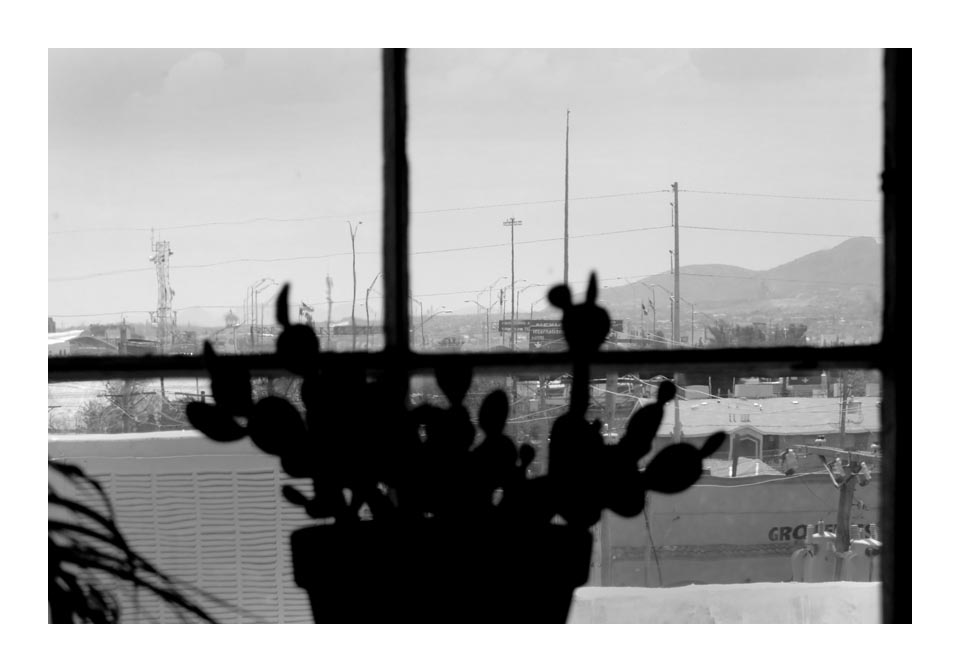
Flags are down in Parque Chamizal. Wind must be up and hopefully a little rain. Just a whisper of a season change. Not yet. But not all that far off either. ‘ta bien. The View South. Days come and go. Then years. Then decades. Then…? I turned my back on the past a long time ago. People tell me that’s good. Bible says it too. Do they really mean it?
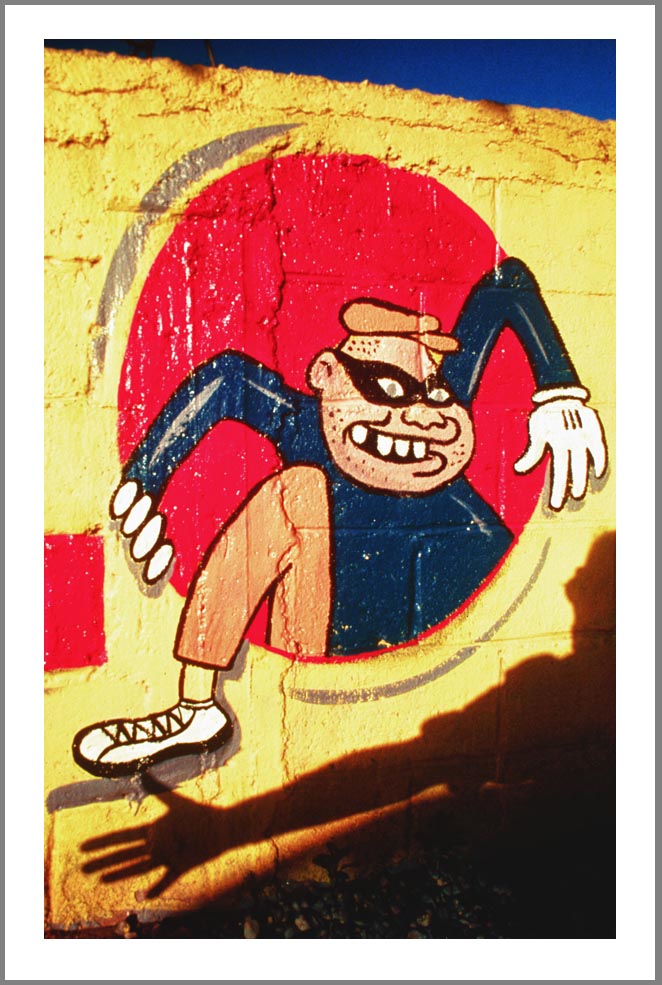
El Bandito de Juarez, Juarez, Chihuahua, Mexico – photograph by Bruce Berman©2012
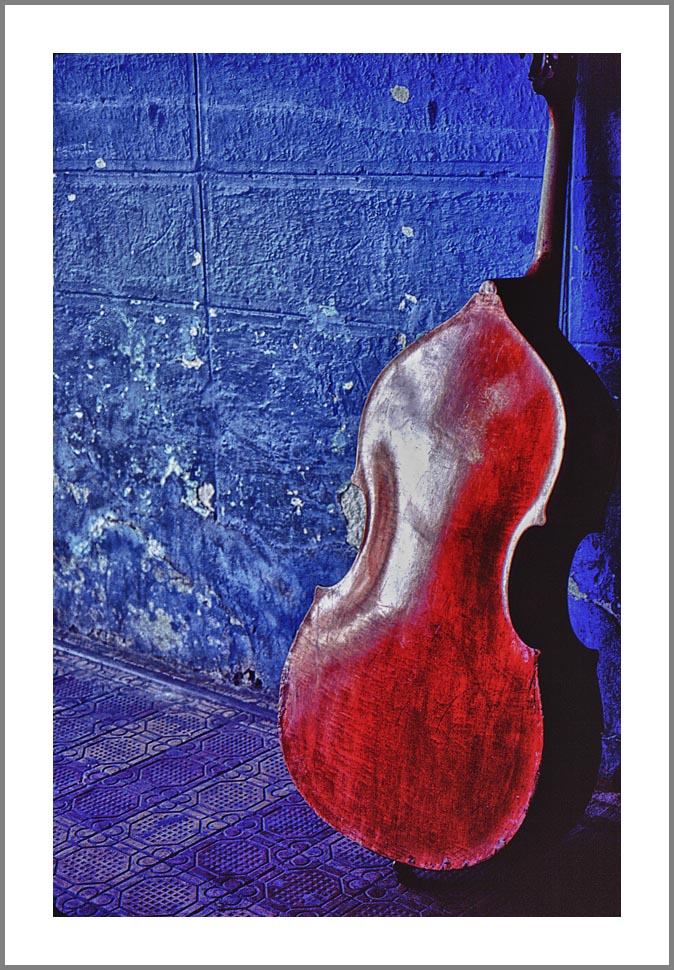
Commentary by Bruce Berman
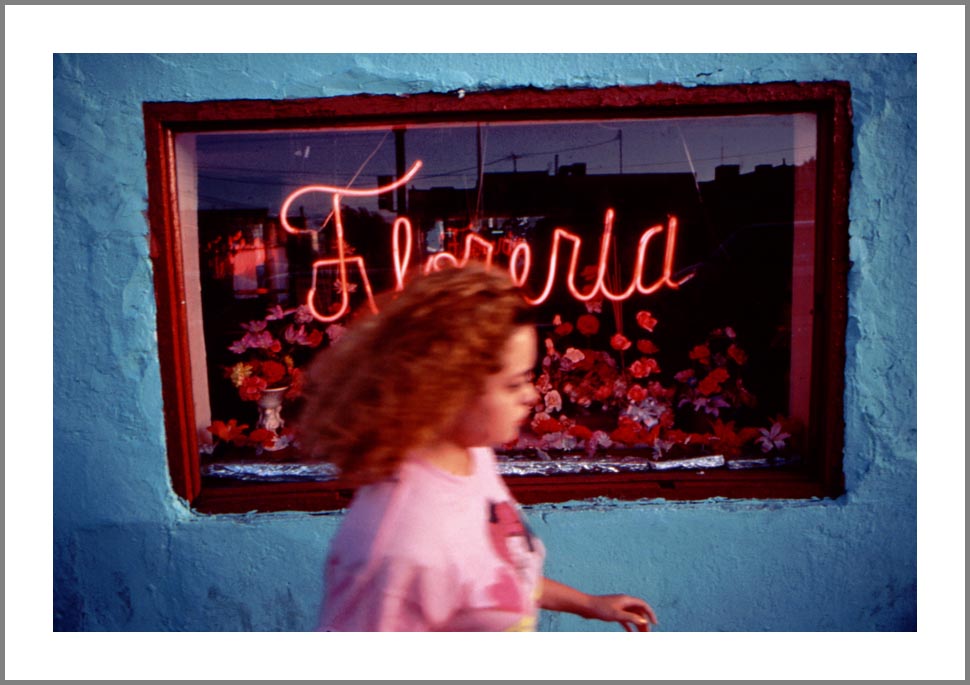
There are many reasons for music and flowers in Juarez. Marriage, love, marking passages of accomplishment and age and transition. And death. Recently there has been little music and lots of flowers have been offered for goodbyes to loved ones, lost in the war. There are a lot of crossed fingers these days, lots of hope for better times, for the good. It’s been a long “winter” and it won’t go away right away. But there is still a Juarez in Juarez and the one we love is not gone. It had color and style and verve. It will again. There was the sweet smell of gardenias in the night air and thoughts of new possibilities and the violins played music of happiness in the skillful hands of roving mariachi. The Pop sounds of a new generation had begun to fill stadiums, singers emerged from as far away as DF and from within. Juarez was about style and boldness and defiance, a unique culture built over the past century, forged from a revolution and tempered by the shadow of a bossy and boasting neighbor. J town, Chihuahua. Strong, bold and pretty.
It’ll take a lot. A lot has happened.
It will be back. It is coming back (Estará de vuelta. Que se está recuperando).
It is, isn’t it? We hope.
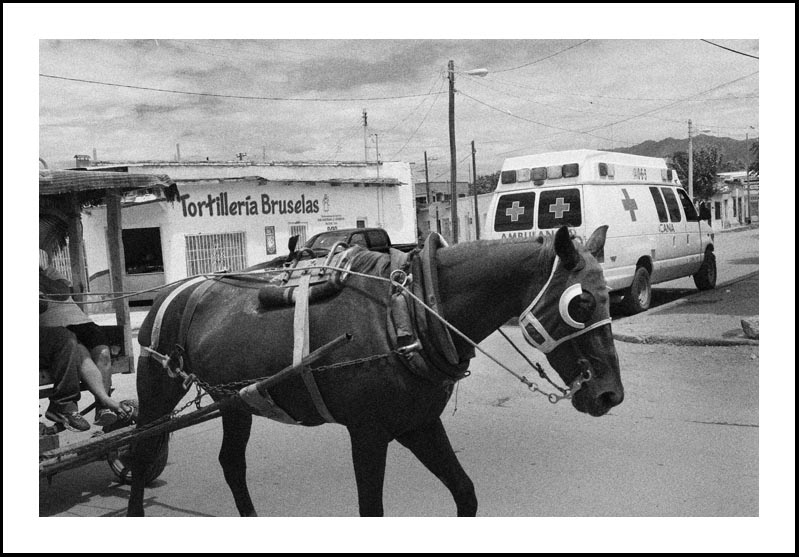
JUAREZ, Mexico – Juarez still stands. It is still Juarez. It is a city of my heart. I am not alone. It is insane what has happened in Juarez. There is no reference or metaphor: it just stinks. I walk the streets and there are “tastes,” of the old city. The “new city,” the one of Malls and chrome and green eco-glass, the nightclubs and shiny new cars has disappeared more than the old city has.
This might say something about what the condition of the city was before “The Troubles.”
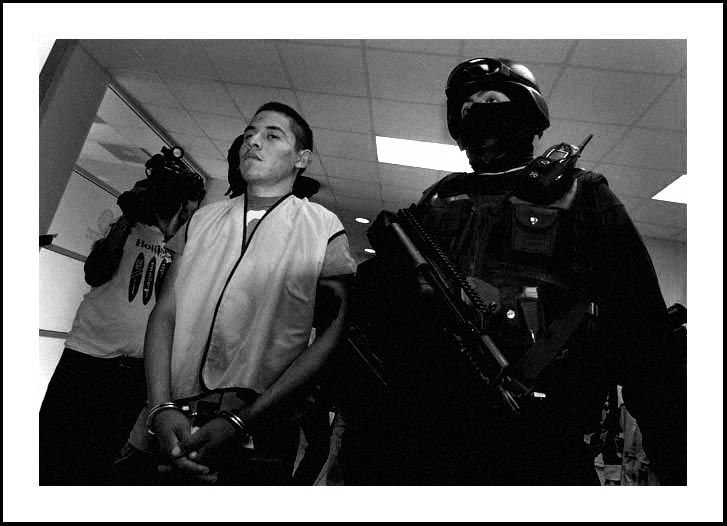
Iasi Emanuel Rodriquez Gamez , aka “El Enano (the dwarf),” 22, is led down a hallway, by a member of the Federal Police at the Ministry of Justice (Procuraduria de Justicia del Estado) in Cd. Juarez, Chihuahua, Mexico.
He is accused of being the leader of a kidnapping gang that kidnapped at least 19 people. Authorities alleged Rodriguez, 22, took orders from suspected kidnappers Ernesto “El Neto” Piñon de la Cruz and Jesus Eduardo “El
Lalo” Soto Rodriguez. This group is accused of committing 39 kidnappings since December 2008. The “El Lalo y de Neto,” gang has operated in Juarez over the past three years.
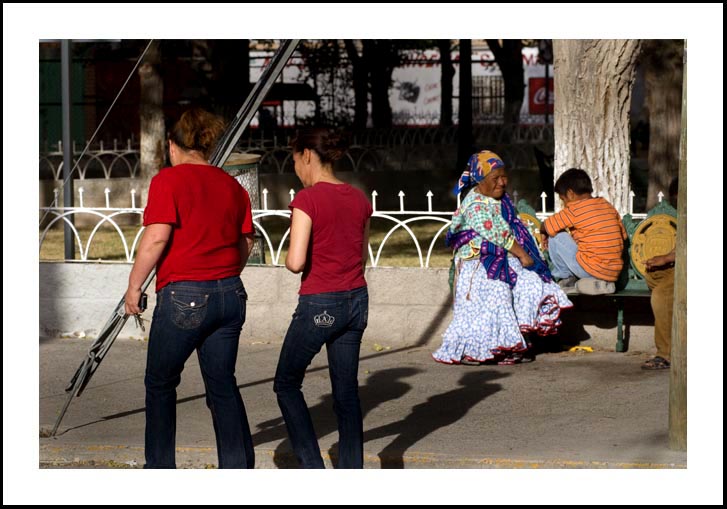
Sunny normal day.
In Zaragoza/Juárez?
Impossible!
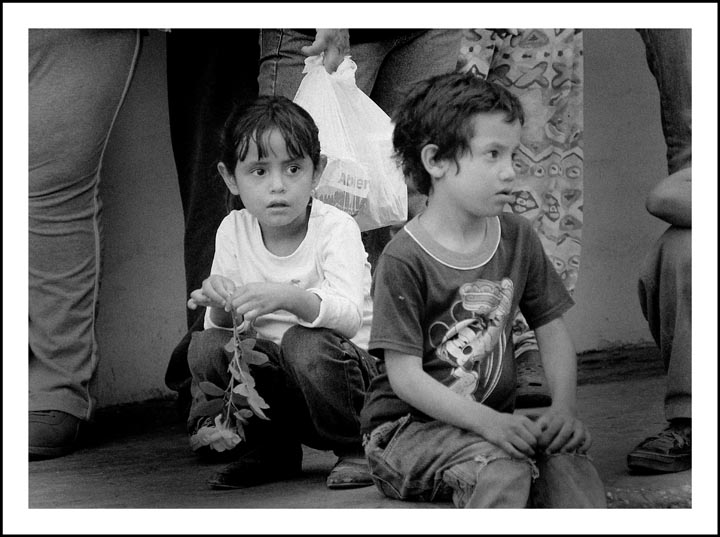
I couldn’t work it in -excuses!- but beyond the Tarahamara woman and her brood, in the deep darkness of the trees, protected by yellow police tape and the Policia Federal -who shooed me away- lies a dead woman in her twenties.
Cause of death? Bullet wound.
Reason for death? Unknown.
Plaza Zaragoza. Gateway to the east valley of Juarez, the new turf of the Cartel who have all but emptied the towns there, clearing them like you’d clear a loading dock, which is what the Cartel has done.
Anything in the way is burned or buried.
Maybe this woman was in the way.
Two border towns.
El Paso and Juarez.
One city is half dead and the other is in a coma. Guess which is which?
As always, a trip to Juarez puts everything in perspective and raises big questions. For openers: We don’t have to do all the things we think we need to do, there are worse things than physical death and injury, watch out for what you hear, and, we should never believe anything except what our eyes feel.
My eyes tell me Ciudad Juárez is alive.
I salute you, injured Madame Juárez.
FOR SLIDESHOW, GO TO NEXT PAGE:
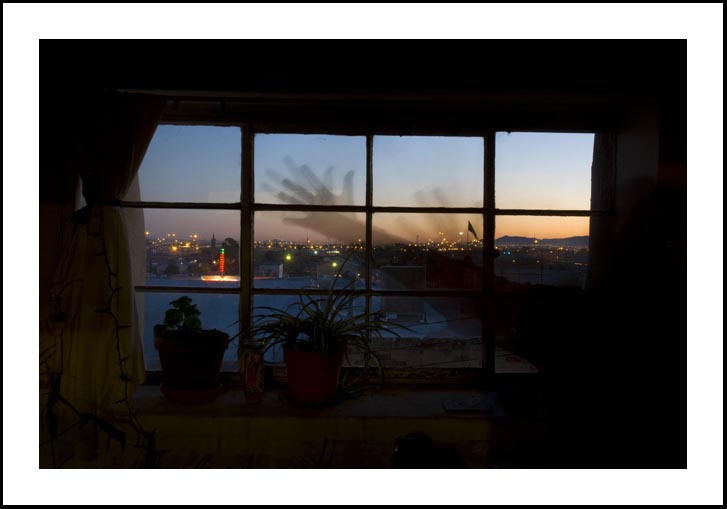
Three of the last four posts have involved this window. The view to the south. One block to Alameda Street, two more down Stevens and, voila, you’re at the bridge, then you’re in Juarez, then if you keep going you’re on the carretera to Ciudad Chihuahua, then Torreon, then Puebla and Mexico and then… well who knows where this ends?
This is the last one of this window for awhile. I’ve been clinging to it. Home. I’ve been shooting from this window and the roof right out my back door for decades. The view hasn’t changed that much.
I have.
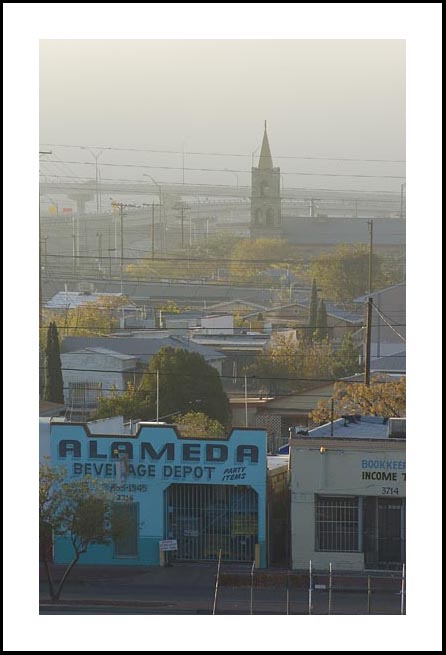
The view south, across Alameda street, across the Chamizal, three blocks beyond, across the bridge, into Juarez, into Chihuahua, into Mexico, beyond.
Usually the view is razor sharp. The last few days have fuzzed things up: snow, rain, and, now, this morning, fog.
Been looking south across this razor sharp landscape for a long time and, finally, a little fuzz feels right. There will be no clarity. Better people than I have written and viewed this border, came up with “clarifications,” and “explanations,” and “revelations,” and yet it goes on, untamed, inexplicable, roque.
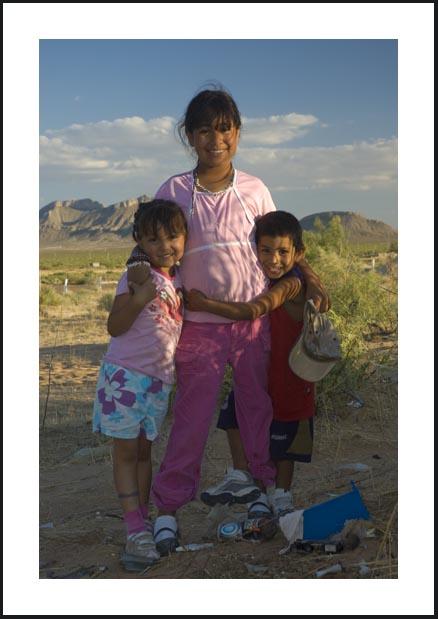
Lomas del Poleo/Juarez, Chihuahua/Mexico
June 20, 2009
Lomas del Poleo. The battle goes on. More people leave. People fight to stay. A mean strip of ten lane highway has snaked its way through Lomas del Poleo (see previous posts or Google it). The Developers got what they needed and left what they didn’t, more or less. They don’t even blink as they plow ahead. This highway is going to happen, no matter what. The development will follow, is gonna happen, no matter what. Nothing stops the grinder. The Grid viene: Diamond Shamrock, The Chicken Colonel, Pemex, trucks full of electronic crap, three bedrooms, two baths, probably a Wal Mart (whoa..let’s not get too crazy!), the same vexing and stinking Grid that we hate and that people fight to have (Iran, Cuba, Libya, you, too, can have it!). There goes the texture, and, in the case of Lomas del Poleo, the isolation and faux rural vibe, the farm at the edge of the city, the special dream that has been Lomas: get out of the city, raise some chickens, leave us alone. A quiet hope on the edge of always possible chaos that is Juarez.
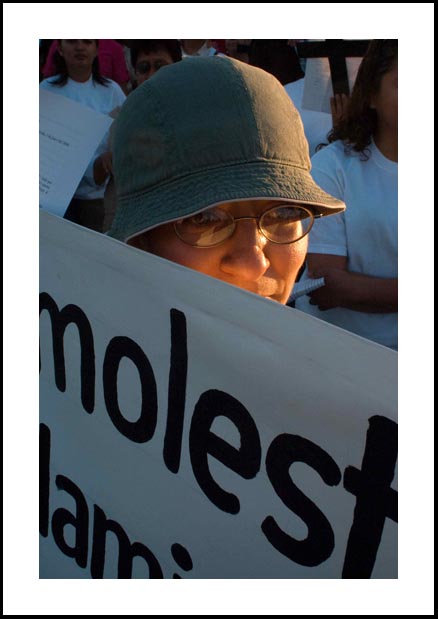
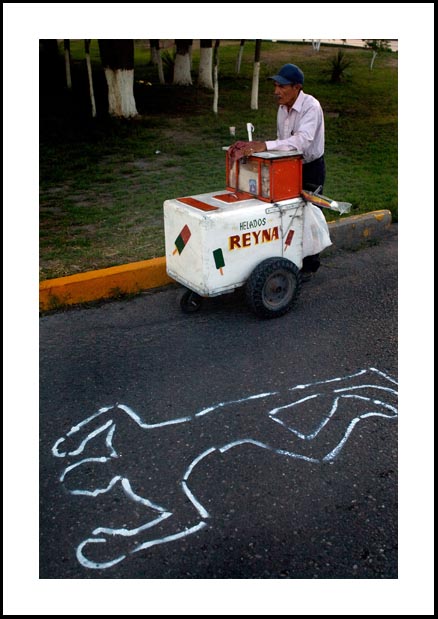
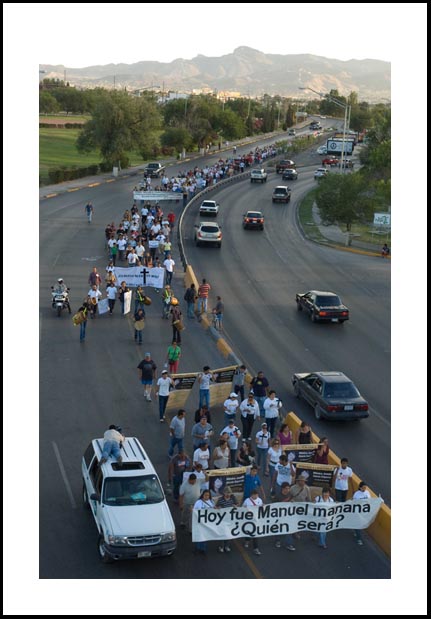
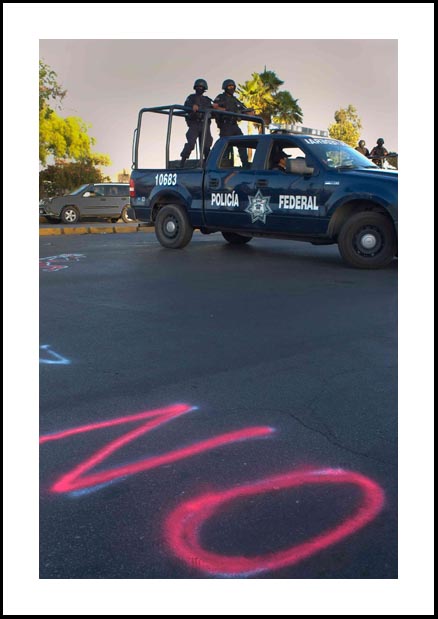
The Megabandera (giant flag) in the Chamizal Park in Juarez is usually the place for joy and pleasure, a meeting place for families, lovers and tourists.
That was before la catástrofe.
The catastrophe.
Before the Cartel War.
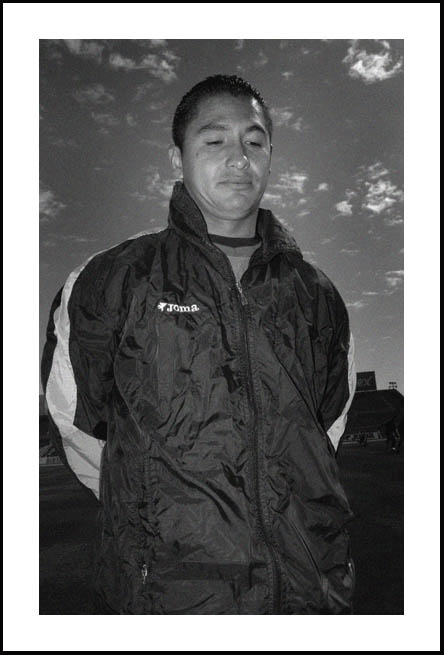
The Juarez Indios are a professional futbol team(soccer). They are in the middle of the Cartel Drug War. Much of the city of Juarez has rallied around the Indios, finding some “normalacy,” in the middle of the troubled Juarez violencia. Julio Daniel “Maleno” Frias is a star of the team, a “striker,” a troubled city’s hero. The city loves him, he’s a hero in the middle of bad news caused by rats. When “Maleno,” was younger he joined a gang. He got shot. He decided to change his life and he did. Maybe this is why the city fell in love with him, he’s a living metaphor for a city’s hopes. Maybe they just like the way he plays: smooth, quiet and intense.
Some players have left the team and others have sent their families back to the cities they came from (some in Mexico, one in Argentina), trying to avoid the touch of violence that has afflicted Juarez, Mexico’s third largest city.
The team is struggling to stay in the top tier of Mexico’s professional soccer league.
Attendance is sold out.
Futbol is trumping the war.
So far.
Life goes on.
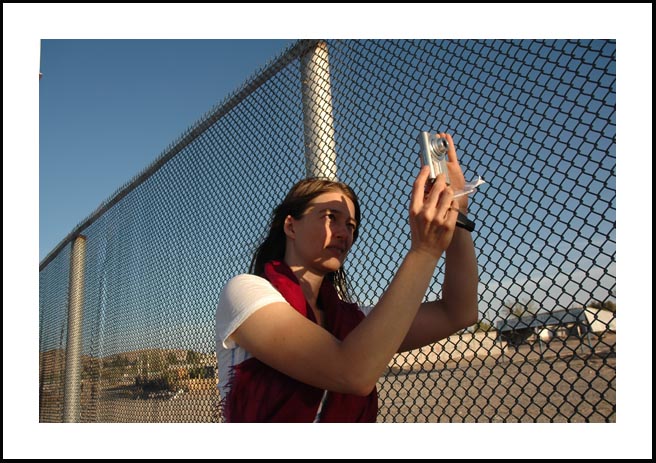
Yesterday I worked with an incredible journalist from Der Spiegel (the German equivalent of Time). She is German, from the north of Germany. Works out of the DC Bureau. Sharp and smart and witty and ironic and puro journalist. We did a story at Fort Bliss. She was bright and lively and brave and charming and funny and we’d had a successful day and did a great story together. She wanted to see “El Paso.”
So we head for the border (I’m a one trick pony. To me, the border is El Paso).
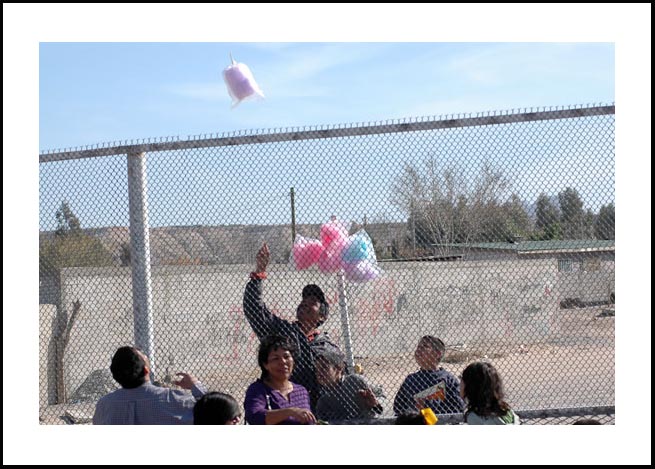
Life goes on.
Mexico is a great pueblo. So is El Paso and southern New Mexico.
One reads the newspapers and one thinks the world has gone insane. Particularly here, on the border.
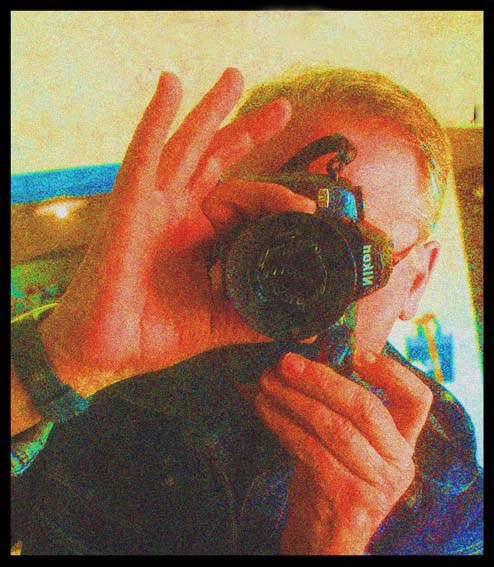
About Bruce Berman
Bruce Berman has been a professional photographer for over four decades. He works in what some have called, “The Concerned Photographer,” style of photography, but brings a poets vibe to his images. His initial documentary projects were in Chicago where he photographed Appalachian migrants to the big city, Black Panthers during the tumultuous 1960’s and the gritty street life of Chicago in its Rust Belt years.
His main work for the past forty years has concentrated on the United States/Mexico border, particularly the narrow stretch of land that encompasses El Paso, Texas and Juarez, Mexico. He also “plows” the southern New Mexico landscape, its people and the vast mysterious lands of West Texas.
After coming back from one of his earliest forays on Alameda Street on El Paso’ south side, in 1980, Berman wrote in his journal, “…I have seen a new world. It is both physical fact and mythical idea. It is a place with a line drawn through it and on each side of that line there are metaphoric mirrors that are reflecting back at each other, perhaps distorting each other, perhaps magnifying each other. It is the US/Mexican border. I will make my stand here. I will try to ‘give face,’ to this place so others can know it, perhaps, even, so those who live in it will know it more deeply.”
The aggregate result of that effort resides in two main bodies of work: The Border Project: 1985-2007, and Juárez: Cartel War Years (2007-2011) .
Additionally -concurrently- he is a chronicler of the disappearing lands beyond cities. He calls this series The Funklands, and notes, “Nothing is just laying around anymore. It’s scooped up, trucked away, rebuilt and becomes a mega buck treasure. My treasure has been the texture of the land and the stuff laying around that attests to who was on that land before… well.. before the homogenization of America.”
Berman lives and works deep in the borderlands of El Paso and Juárez, three blocks from the international bridge that connects Juarez and El Paso, surrounded by and isolated in the the vast lands of West Texas and northern Chihuahua. He refers to this as the “City-State of No Man’s Land.”
Berman continues to cover his “beat,” for major publications throughout the world and for his own book publishing enterprise. The Border Blog Press. His recent book, Walking Juárez is a compilation of photographs and stories covering the years 1975-2018.
Since 2008, Berman has added “Professor” to his name. He now teaches photojournalism at New Mexico State University (NMSU), 50 miles north of the El Paso/ Juárez ports of entry, in Las Cruces, NM. His teaching concentration is on Documentary Photojournalism and multimedia reporting. He still does occasional assignments and personal documentary work but spends equal time “Passing the torch,” he says.
Lately Berman has concentrated on doing books: Walking Juárez, 2017, Cutting the wire, 2019 and his newest, BACKLAND, 2022.
Many of his students don’t know about the border too much, but for the most part are of it. The G Generation, he says, “… are the hope of photojournalism, and maybe the world.”
He thinks working with them is his best project ever.
About the Website
The Border Blog covers the news, opinions and culture of the 2000 mile border of Mexico and the United States, concentrating on the epicenter of El Paso and Juarez. The Border Blog is not meant to be a news source as much as it is meant to be a news “feel.”
Another “border,” of interest to Berman is less obvious, the border between The Grid (his descriptor) and and those on the margins, unwilling or unable to keep up with “development,” and “progress.”
The site is a collaborative project. Besides Bruce Berman, who acts as editor and photographer and sometimes writer, the staff includes writer and painter, Juarez native and resident, Nathan Zarate, and, Beatriz Andino Zamora, a poet and writer from Zacatecas, Mexico. Zarate and Zamora post occasional articles concerning the politics and history of Mexico, in general and La Frontera, in particular. The site is always appreciative of the creative inspiration, brilliant chutzpah and deep goodwill -as well as extensive Web skills- of Manuel Rivera, a fronterizo “to the bone.”
Contributions to the site are welcome. Diverse viewpoints will be cherished. The site’s point of view and orientation will be no mystery to its readers, however, there will always be plenty of room and appreciation for other voices as long as they are informed, well articulated and sincere and fueled by passion tempered by reason.
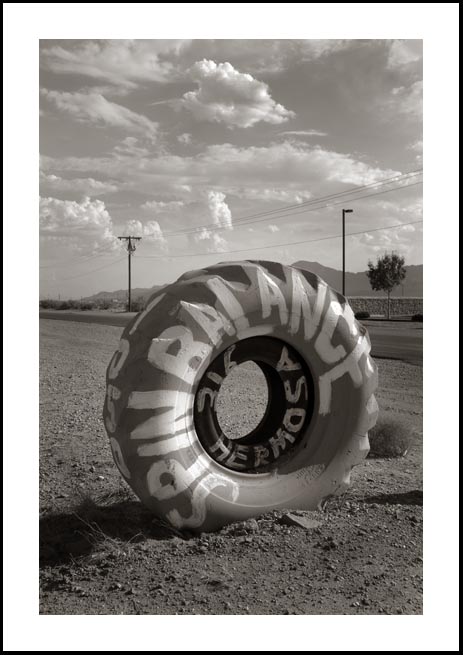
Space. Glorious space. Wonk yer brain but we all need more space. Maybe because we wonk our brains so much. This is from the funklands of southern New Mexico. It looks right across at the slim tip of West Texas that is El Paso. Juarez, Chihuahua is the horizon.
Space. This is the Tender Mercy of No Man’s Land.
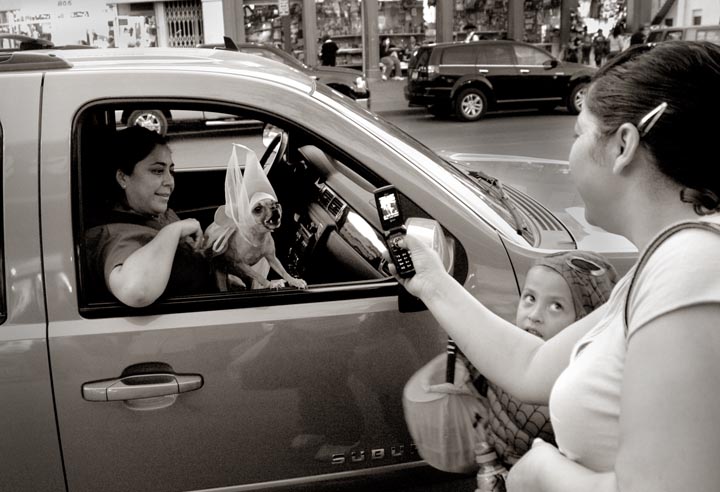
El Paso, Oct. 31 (Halloween), 2008
Halloween on El Paso Street, the first (or last) block of America. Everyone is dressed and laying a festival veneer over the street. 5:30pm, people still rushing to the bridge to Juarez to get home (especially these days, trying to get home before dark, before the murders begin).
Cookie is one angry Chihuahua.
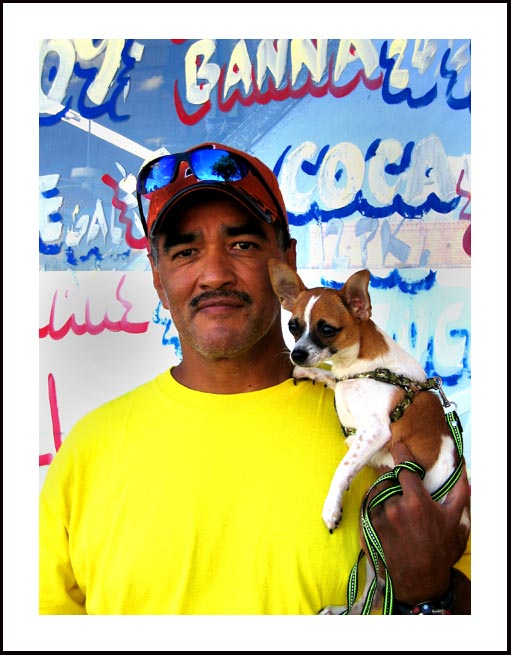
Assume nothing.
I asked this man, in Espanol, if I could photograph him and his Chihuahua (part of a series I’ve been doing for a long time).
“I don’t speak Spanish,” he countered.
Why would I think he was Spanish-speaking?
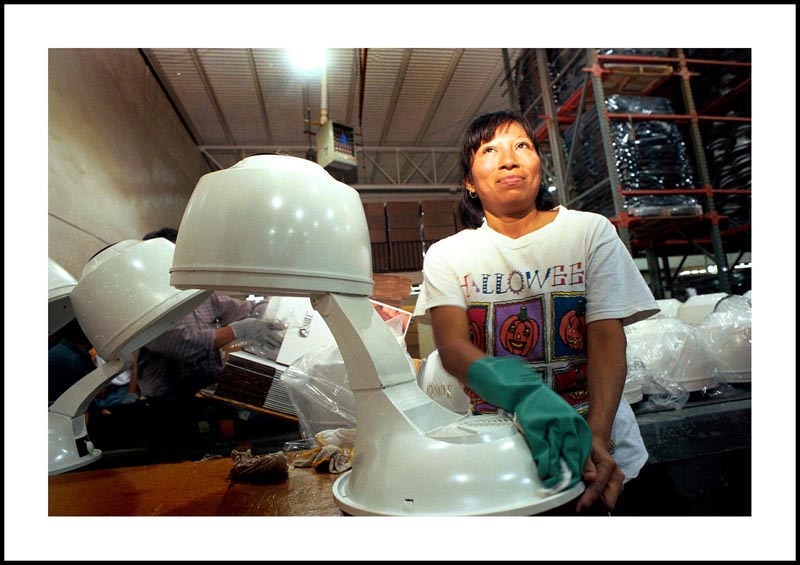
Banks lend money to Americans to buy homes they can’t afford. The homeowners live in a dream bubble, the American Dream bubble. The lenders sell their paper and ride off into their millionaire dream. Everyone’s dreaming.
In Juarez they’re dreaming too.
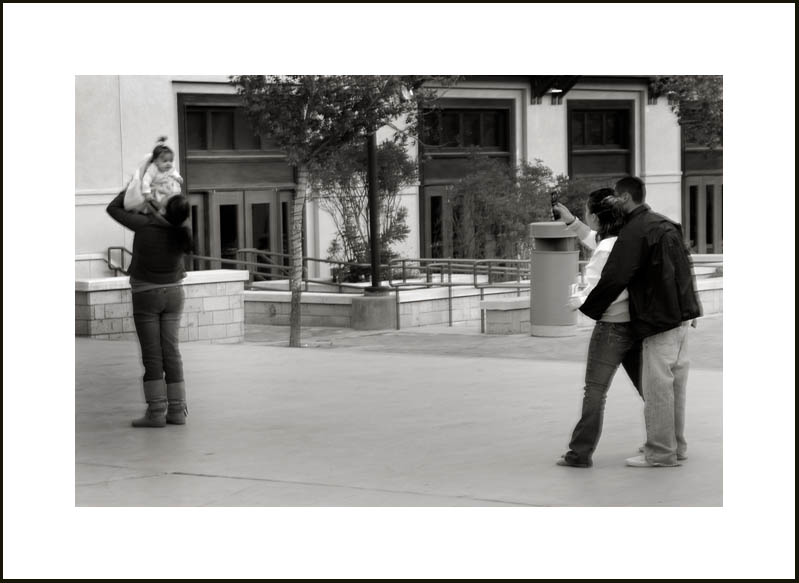
El Paso’s El Centro, the downtown, is packed with people at Christmastime. Unlike most cities of the southwest and of the rest of the United States, El Paso’s downtown is alive and bustling at all times of year, but especially during this season.
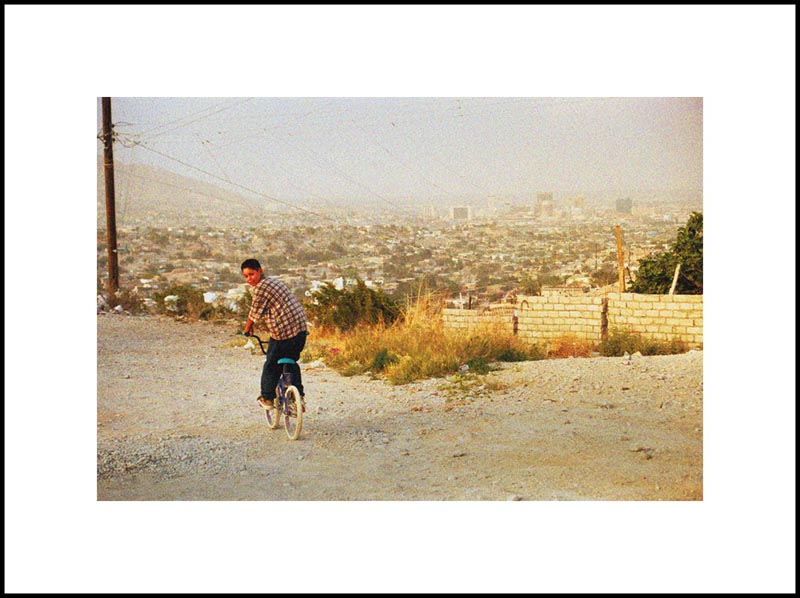
Someone observed, generally, that in so-called third world countries, poor people have to live on top of hills and mountains (where it is more difficult to get water and where roads are rough and barely existent), but in first world countries the rich like to live on top of hills and mountains, for the “views.”
And the status.
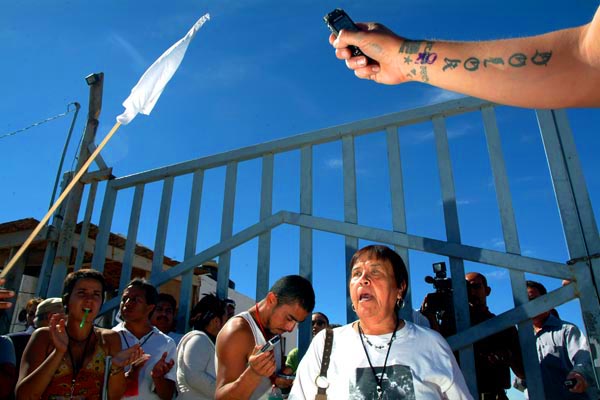
October 20, 2007
A group of 150 people from different grass roots and human rights organizations from Juarez, El Paso, Guanajuato and Mexico City, arrived in a school bus and private cars at noon, October 20, to discuss globalization, displacement, human rights violations and femecide.